How to Say "wake-up call" in Spanish
The most common Spanish word for “wake-up call” is “bofetada” — use 'bofetada' when referring to a shocking event or realization that serves as a harsh warning or makes someone face reality.

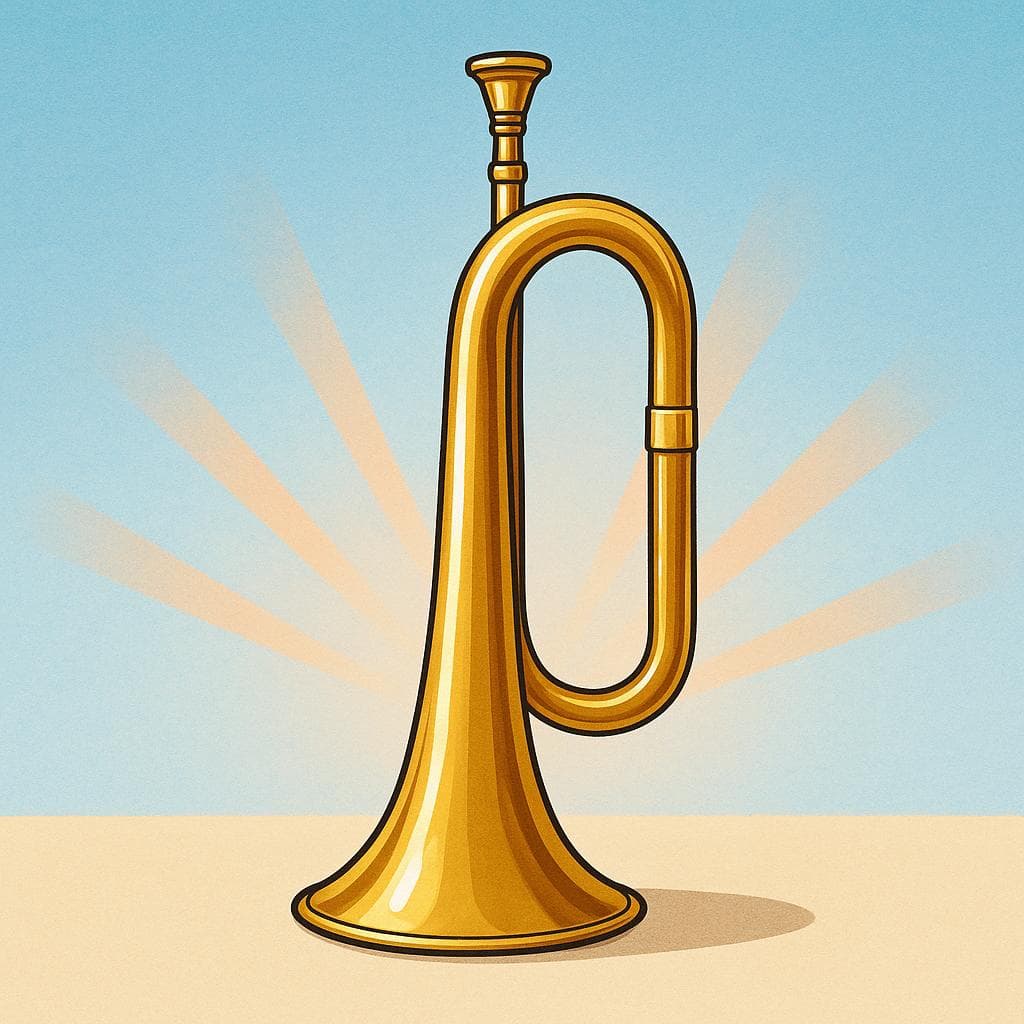
bo-fay-TAH-dahbofeˈtaða

Examples
La crisis económica fue una bofetada para muchos que no estaban preparados.
The economic crisis was a wake-up call for many who were not prepared.
Ese resultado electoral fue una bofetada para el gobierno.
That election result was a slap in the face for the government.
Sus palabras fueron una bofetada de realidad.
His words were a reality check (a slap of reality).
Ver la pobreza tan cerca fue una bofetada para mi conciencia.
Seeing poverty so close was a wake-up call for my conscience.
Metaphorical use
Just like in English, you can use physical actions to describe emotional pain. You use 'ser' (to be) to say something 'was' a slap: 'Fue una bofetada'.
Confusing with a verb
Mistake: “Me bofetada sus palabras.”
Correction: Sus palabras fueron una bofetada. 'Bofetada' is a thing (noun), not an action (verb).
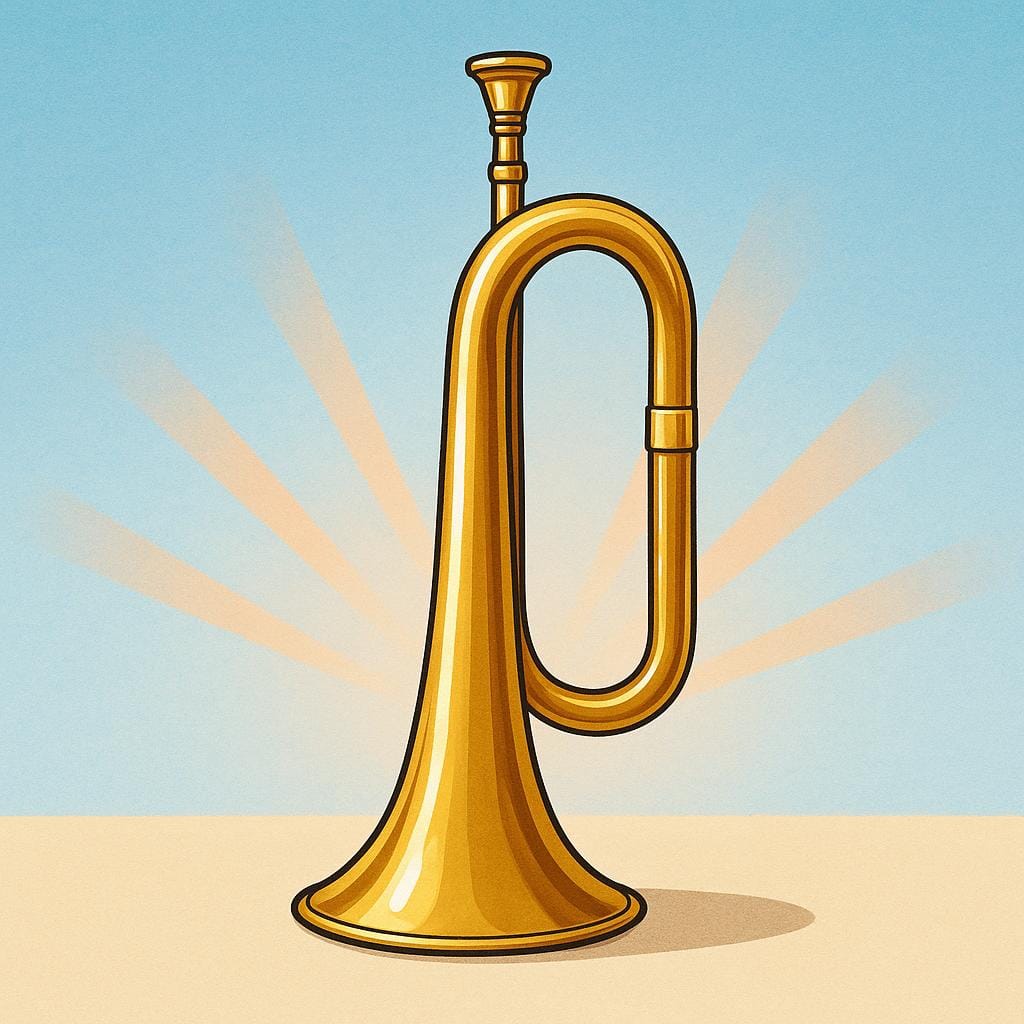
dee-AH-nahˈdja.na
Examples
En el cuartel, la diana marca el inicio de las actividades diarias.
In the barracks, reveille (the wake-up call) marks the start of daily activities.
La diana sonó a las seis de la mañana en el campamento.
Reveille (the wake-up call) sounded at six in the morning at the camp.
Odio el sonido de la diana, me asusta cada día.
I hate the sound of the bugle call; it startles me every day.
Context is Key
If you hear 'diana' used with verbs like 'tocar' (to play) or 'sonar' (to sound), it almost certainly refers to the bugle call, not the physical target.
Literal vs. Metaphorical Use
The most common mistake is using 'diana' for a metaphorical wake-up call, like a shocking event. Remember, 'diana' is for the actual sound that wakes you, while 'bofetada' implies a startling realization or warning.
Related Translations
Learn Spanish with Inklingo
Interactive stories, personalized learning, and more.