How to Say "walk" in Spanish
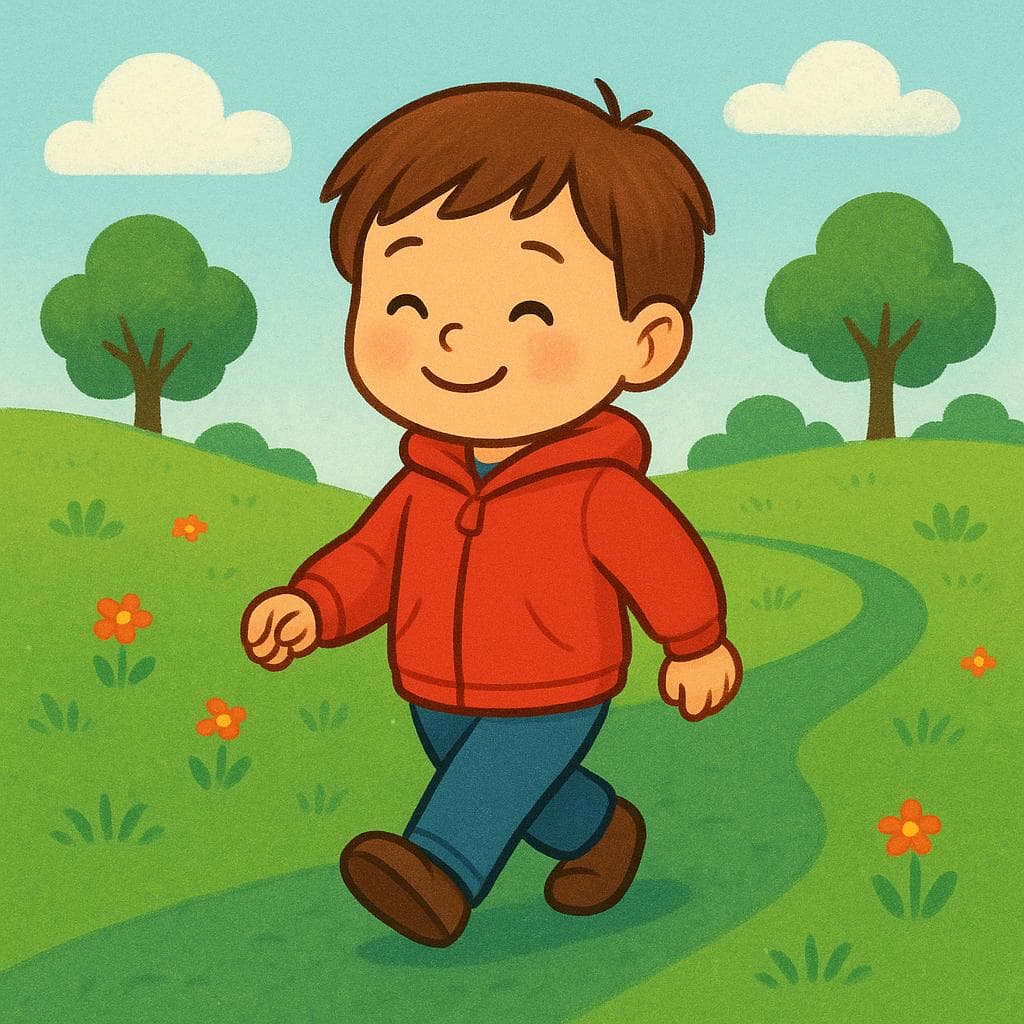
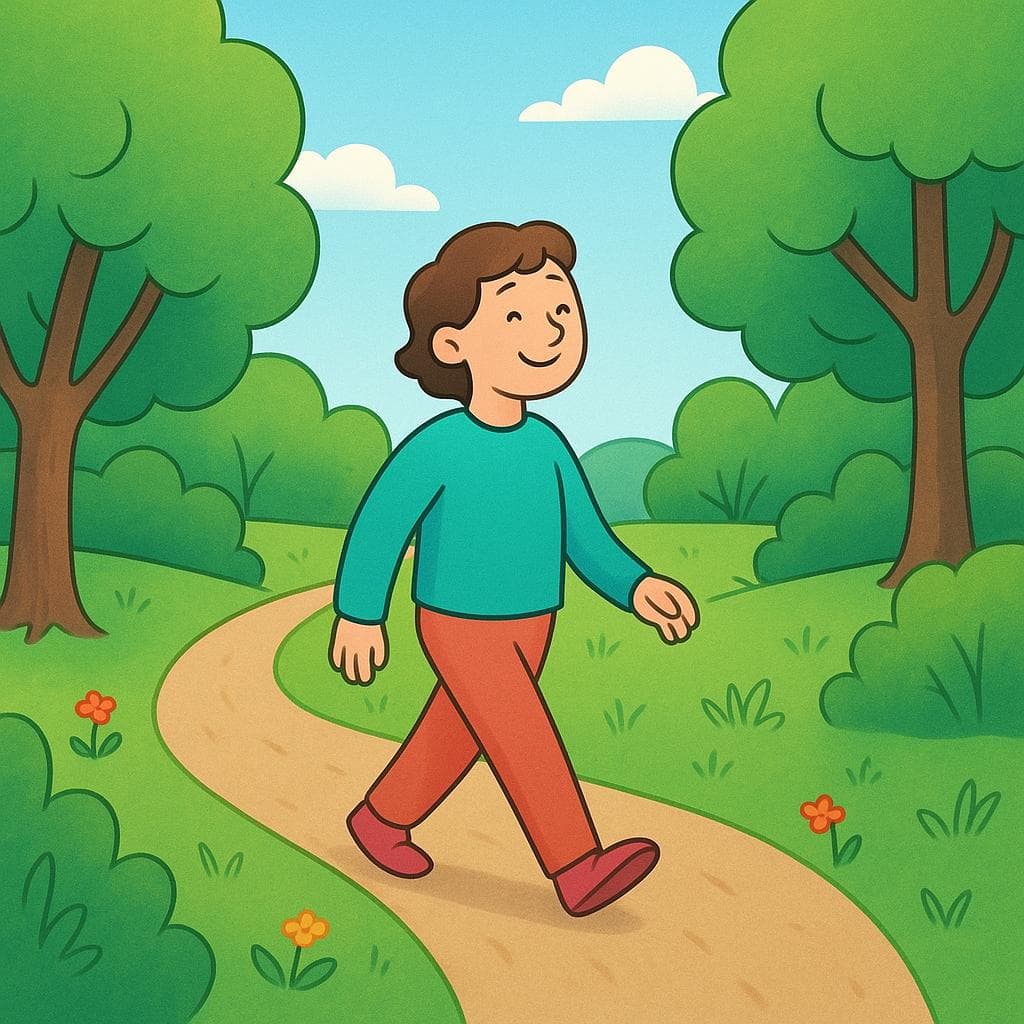
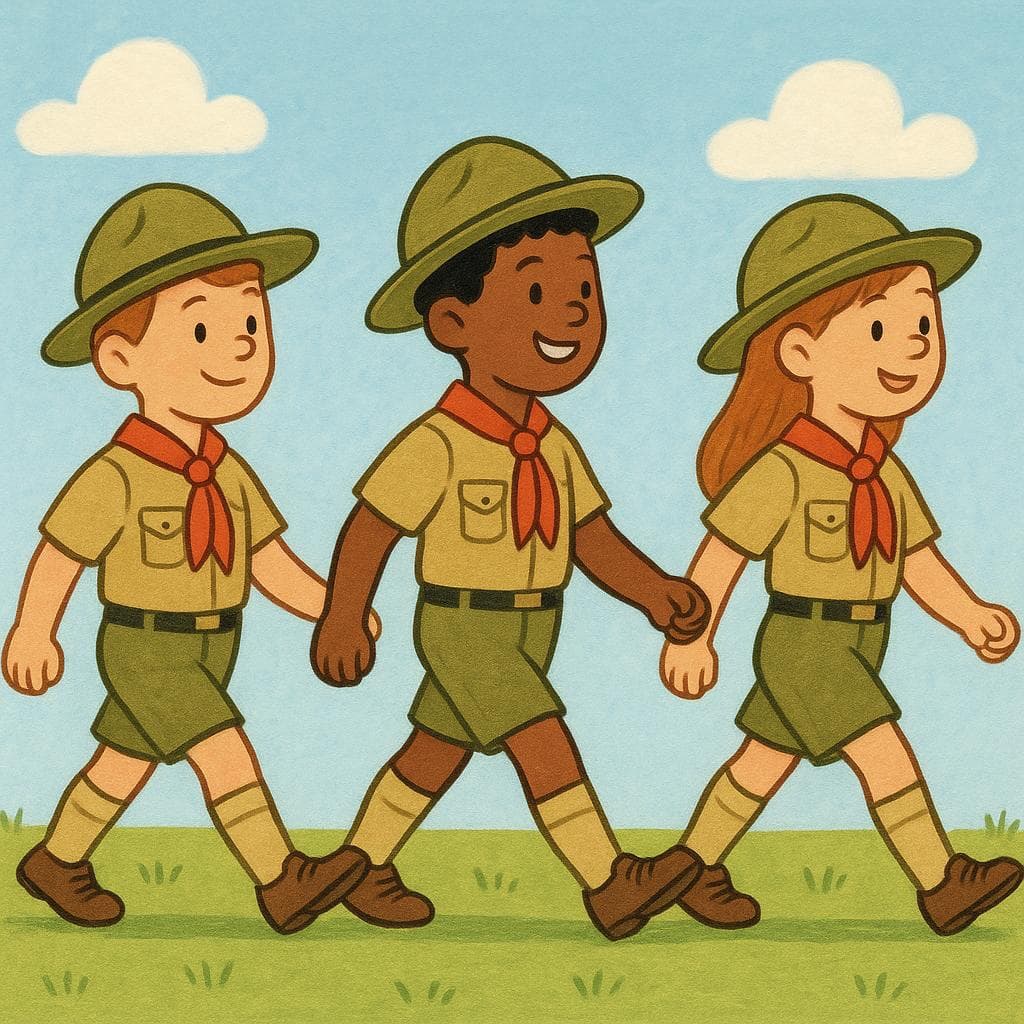
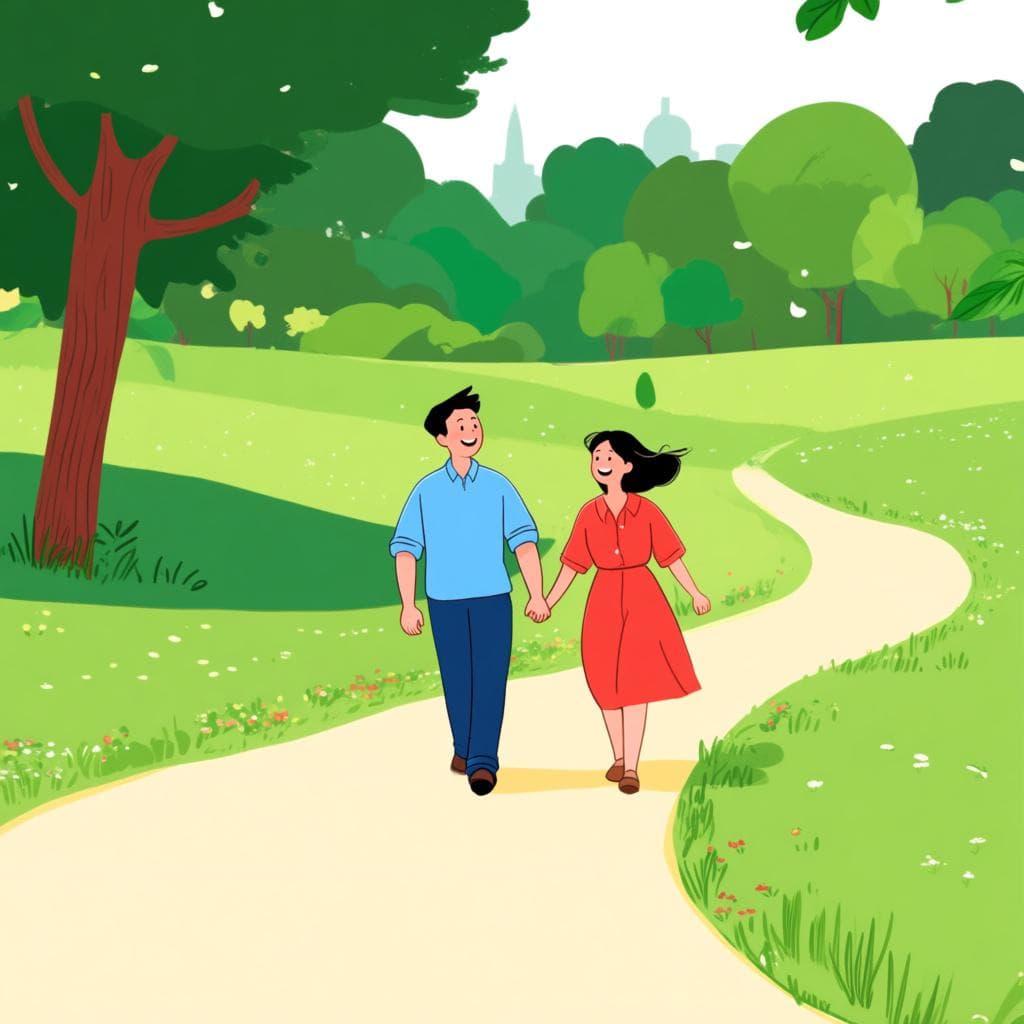
The most common Spanish word for “walk” is “andar” — use 'andar' to describe the general act of moving on foot, often implying a relaxed or unhurried pace, similar to 'to walk' or 'to go'.
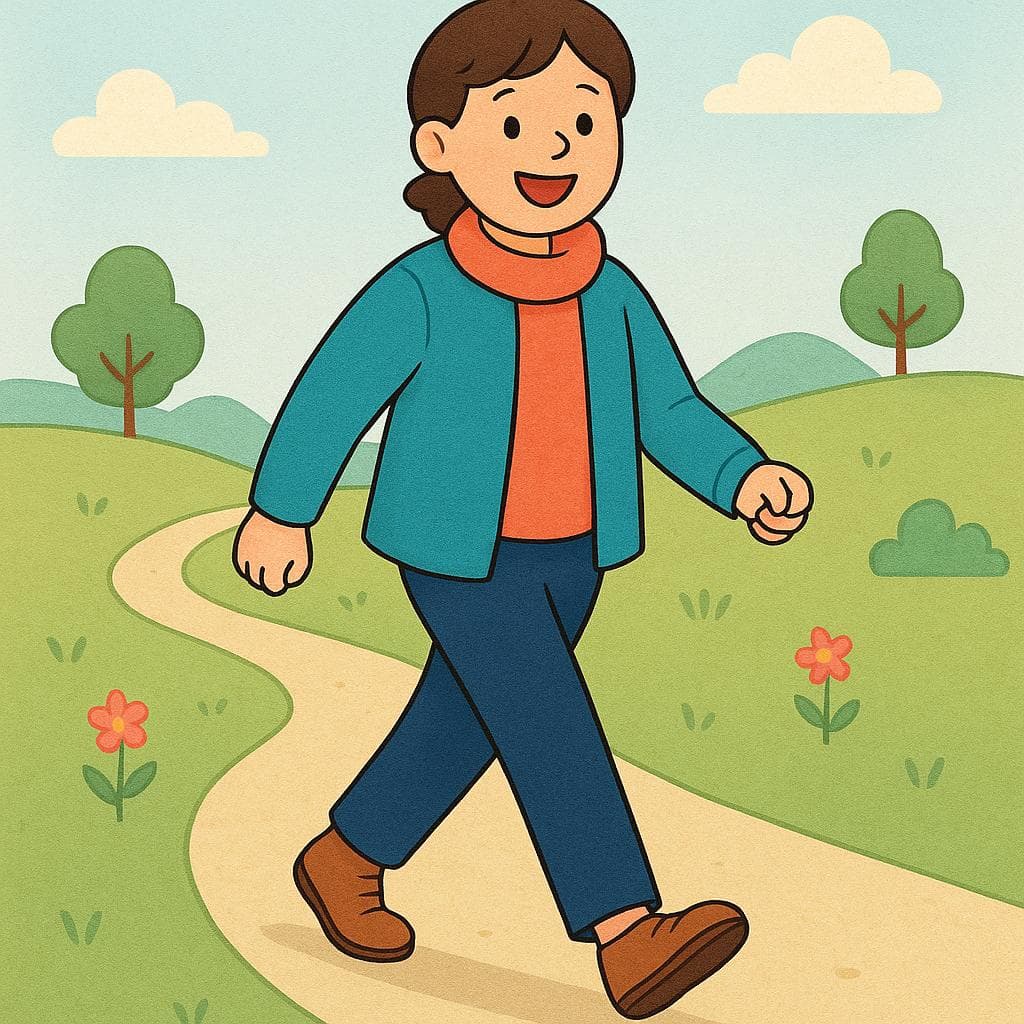
andar
ahn-DAHRanˈdaɾ
Examples
Me gusta andar por la playa al amanecer.
I like walking along the beach at sunrise.
Anduvimos diez kilómetros antes de encontrar el pueblo.
We walked ten kilometers before finding the village.
El niño ya anda solo, sin ayuda de sus padres.
The child already walks by himself, without his parents' help.
Irregular Past Tense
The past tense (preterite) is tricky! It uses the special stem 'anduv-' instead of the regular 'andar'. Memorize: 'anduve', 'anduvo', 'anduvieron'.
paseo
pah-seh-ohpaˈseo
Examples
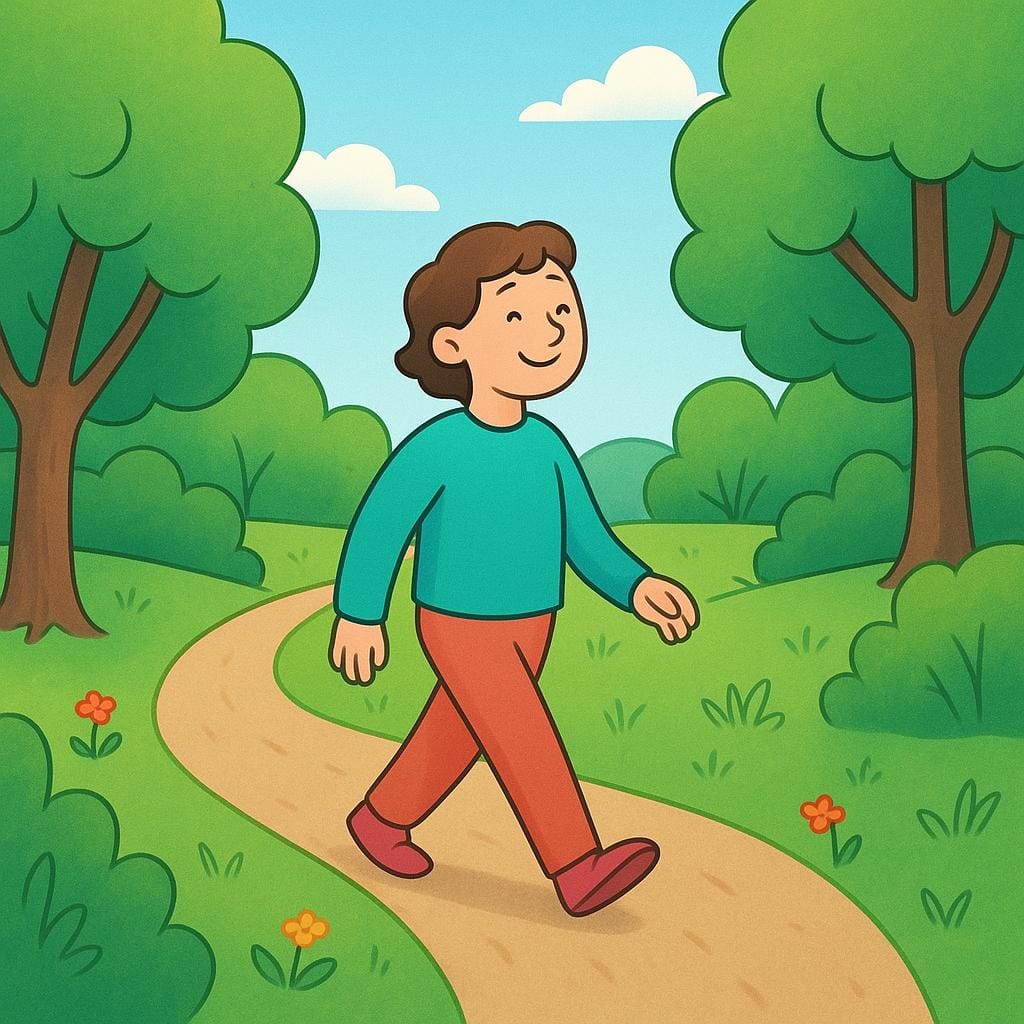
Dimos un largo paseo por el parque después de cenar.
We took a long walk through the park after dinner.
¿Quieres ir a dar un paseo mañana por la mañana?
Do you want to go for a stroll tomorrow morning?
Using the Right Verb
To say 'to take a walk' in Spanish, use the verb 'dar' (to give), resulting in 'dar un paseo', not the verb 'hacer' (to do/make).
Taking vs. Giving a Walk
Mistake: “Hicimos un paseo.”
Correction: Dimos un paseo. (Remember: Spanish 'gives' a walk, it doesn't 'make' one.)
marchar
mar-CHARmaɾˈtʃaɾ
Examples
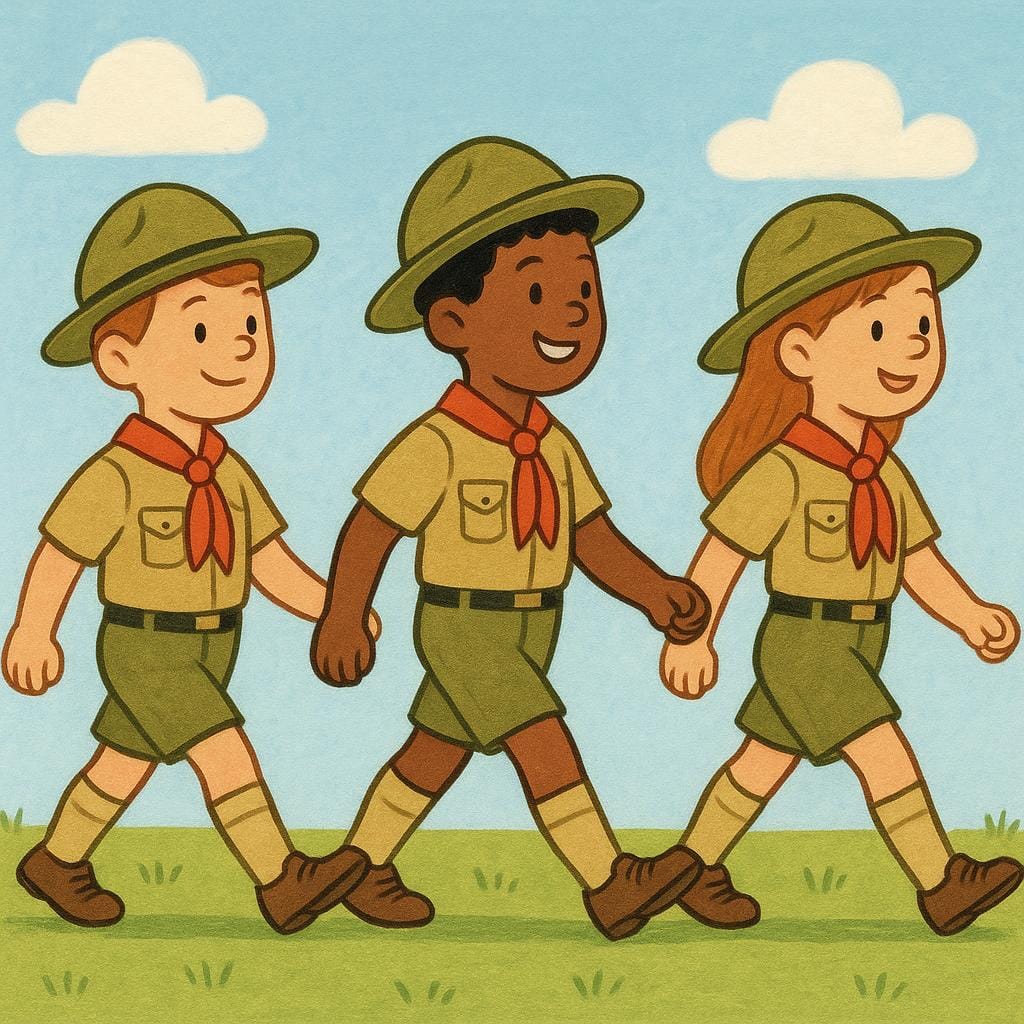
Los soldados marcharon durante horas bajo la lluvia.
The soldiers marched for hours under the rain.
La manifestación marchó por el centro de la ciudad.
The demonstration walked (marched) through the center of the city.
Regular -AR Verb
Marchar follows the standard pattern for all verbs ending in -ar. Once you know the pattern for one, you know it for all!
vuelta
bwel-taˈbwelta
Examples
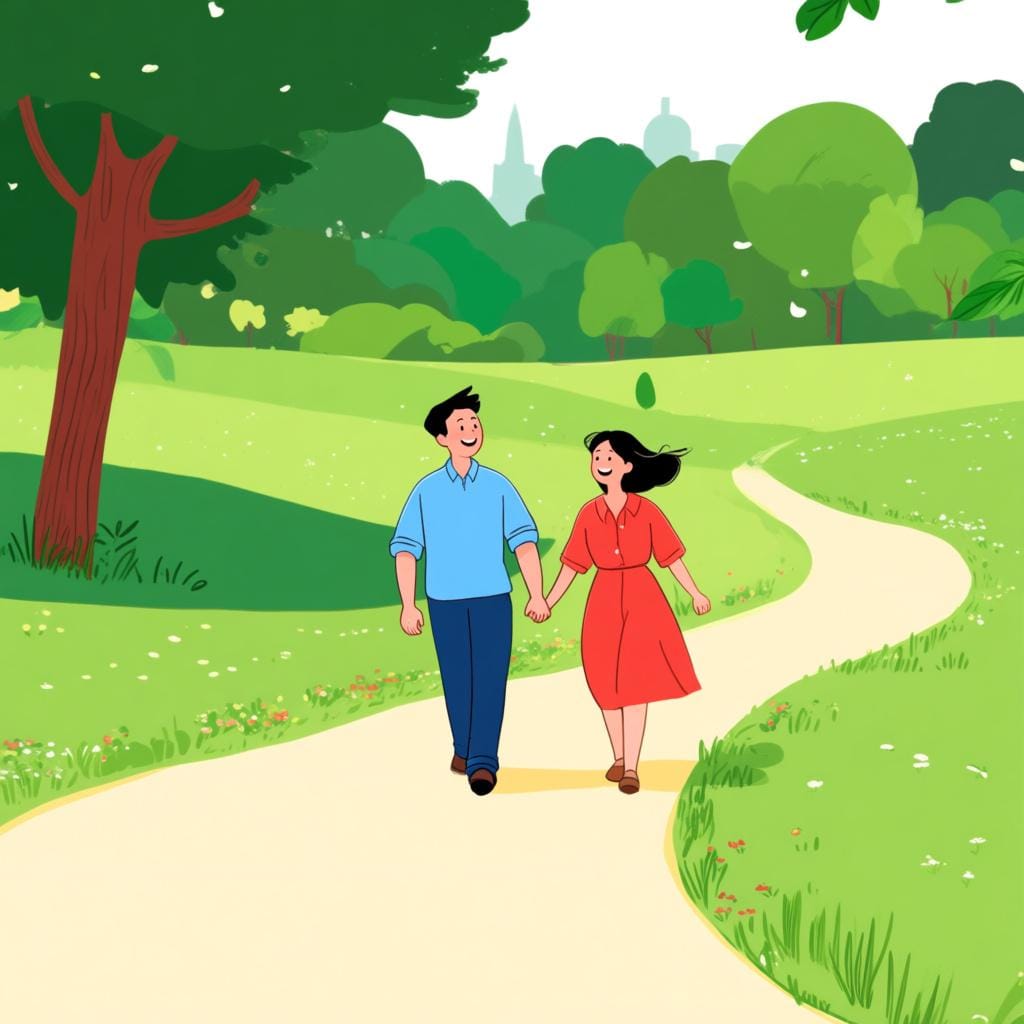
Vamos a dar una vuelta por el parque.
Let's go for a walk in the park.
Dimos una vuelta en coche por la costa.
We went for a drive along the coast.
¿Quieres dar una vuelta en mi bici nueva?
Do you want to go for a ride on my new bike?
The Super-Phrase: 'dar una vuelta'
The phrase 'dar una vuelta' is your best friend for suggesting a casual outing. It's less formal than 'ir a caminar' (to go walking) and works for walking, driving, biking, and more.
marcha
MAR-chahˈmartʃa
Examples
La marcha del ejército era lenta y coordinada.
The army's walk/pace was slow and coordinated.
Después de un largo día, regresamos a casa en marcha rápida.
After a long day, we returned home at a quick pace.
Gender Tip
Remember that 'marcha' is always feminine, even though it ends in 'a'. Use 'la marcha'.
Paseo vs. Andar
Learn Spanish with Inklingo
Interactive stories, personalized learning, and more.