Accessories & Jewelry in Spanish
Accessorizing is a fantastic way to express your personal style, and knowing the Spanish words for jewelry and accessories will help you navigate shops and conversations with ease. From elegant necklaces to practical wallets, this vocabulary covers items that complete any outfit. You'll find that many accessory terms are similar to English, but pay attention to gender and plural forms!
Quick Reference
| Spanish | English | Example | Level |
|---|---|---|---|
accesorio | accessory | Ella lleva muchos accesorios, como collares y pulseras. | A2 |
anillo | ring | Ella perdió su anillo de compromiso en la playa. | A1 |
anteojos | glasses | No puedo ver bien sin mis anteojos. | A1 |
billetera | wallet | ¿Dónde está mi billetera? No la encuentro. | A1 |
bolso | handbag | Dejé mi teléfono en el bolso antes de salir. | A1 |
cartera | wallet | Perdí mi cartera con todas mis tarjetas de crédito. | A1 |
cinturón | belt | Perdí peso y ahora necesito apretar mi cinturón. | A1 |
collar | necklace | Mi abuela me regaló un collar de plata para mi cumpleaños. | A1 |
corbata | tie | Para la boda, él tuvo que usar traje y corbata. | A1 |
esmalte | nail polish | Me gusta este color de esmalte. | A2 |
gafas | glasses | Necesito mis gafas para leer el menú en el restaurante. | A1 |
gemelo | identical twin | Mi hermano es mi gemelo idéntico. | A2 |
A1 — Beginner (15 words)
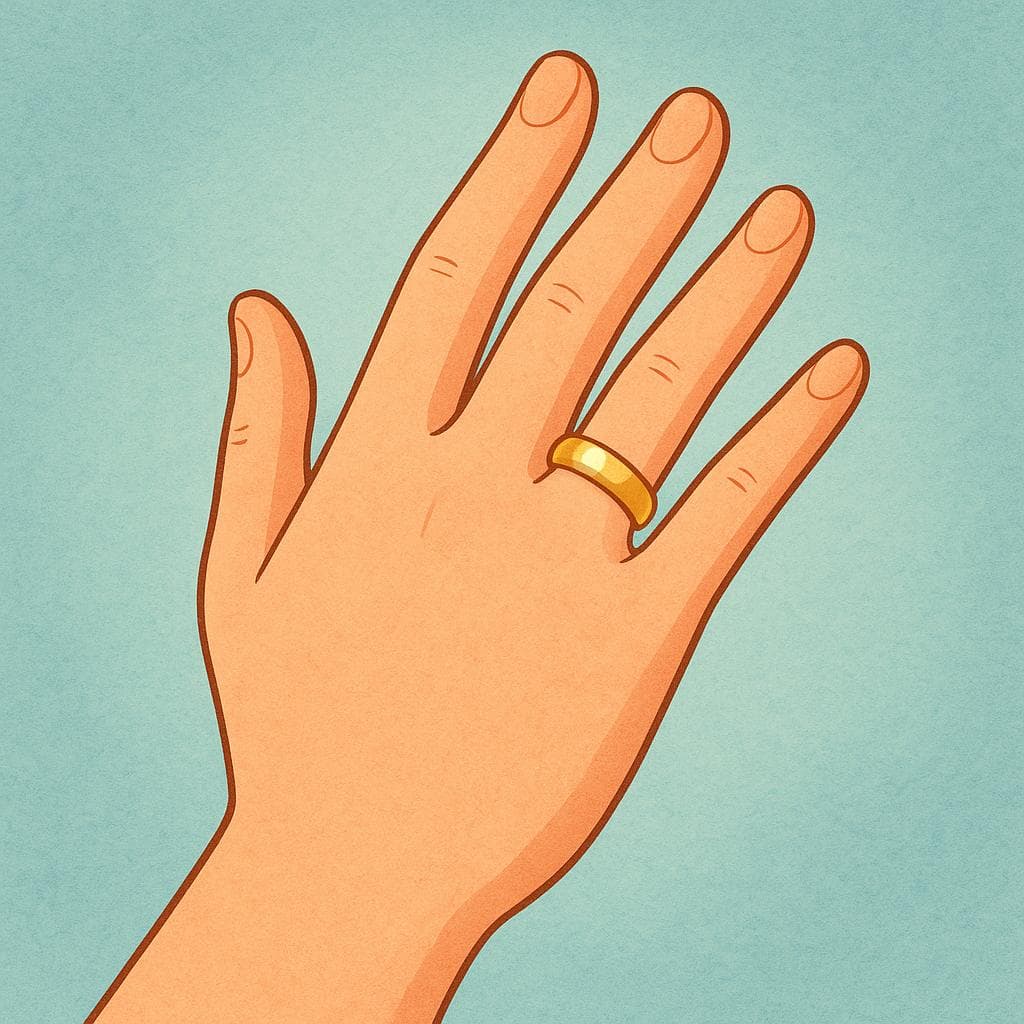
ring
“Ella perdió su anillo de compromiso en la playa.”
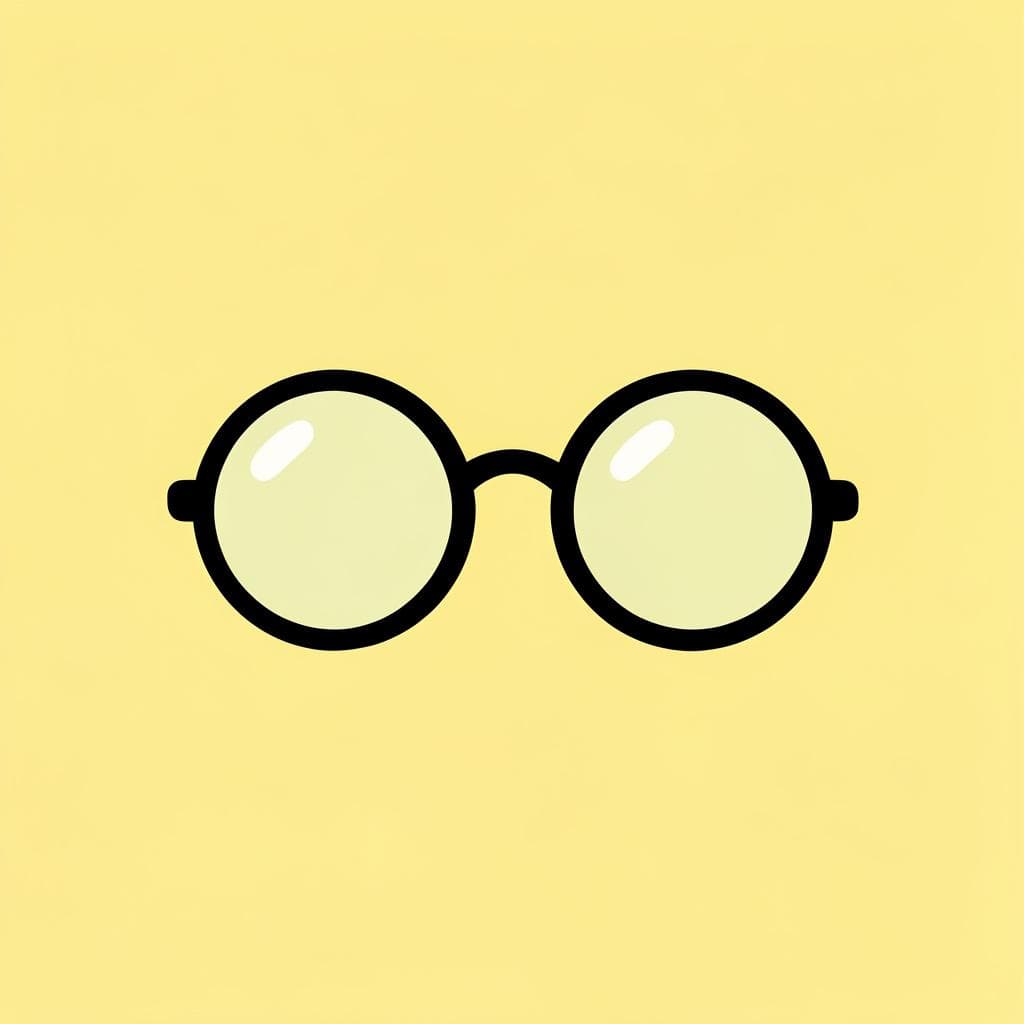
glasses
“No puedo ver bien sin mis anteojos.”
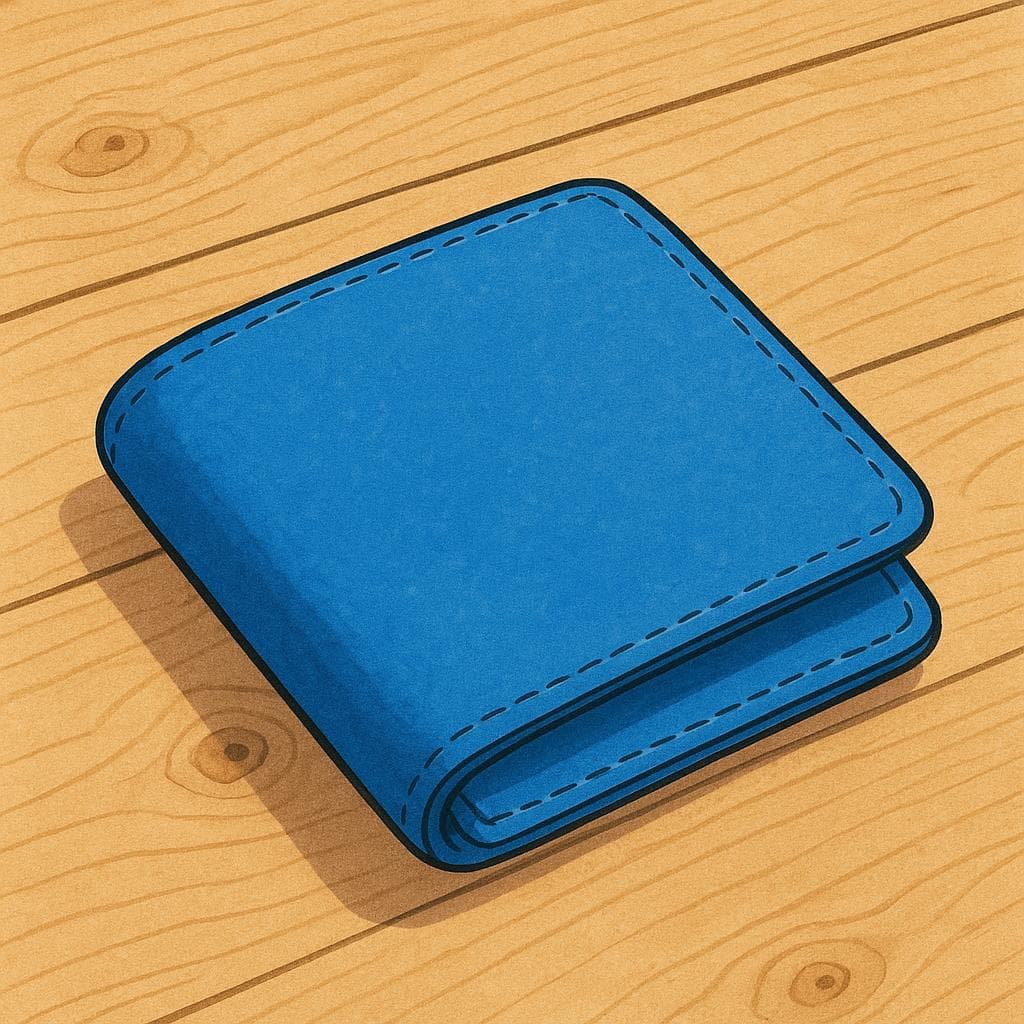
wallet
“¿Dónde está mi billetera? No la encuentro.”
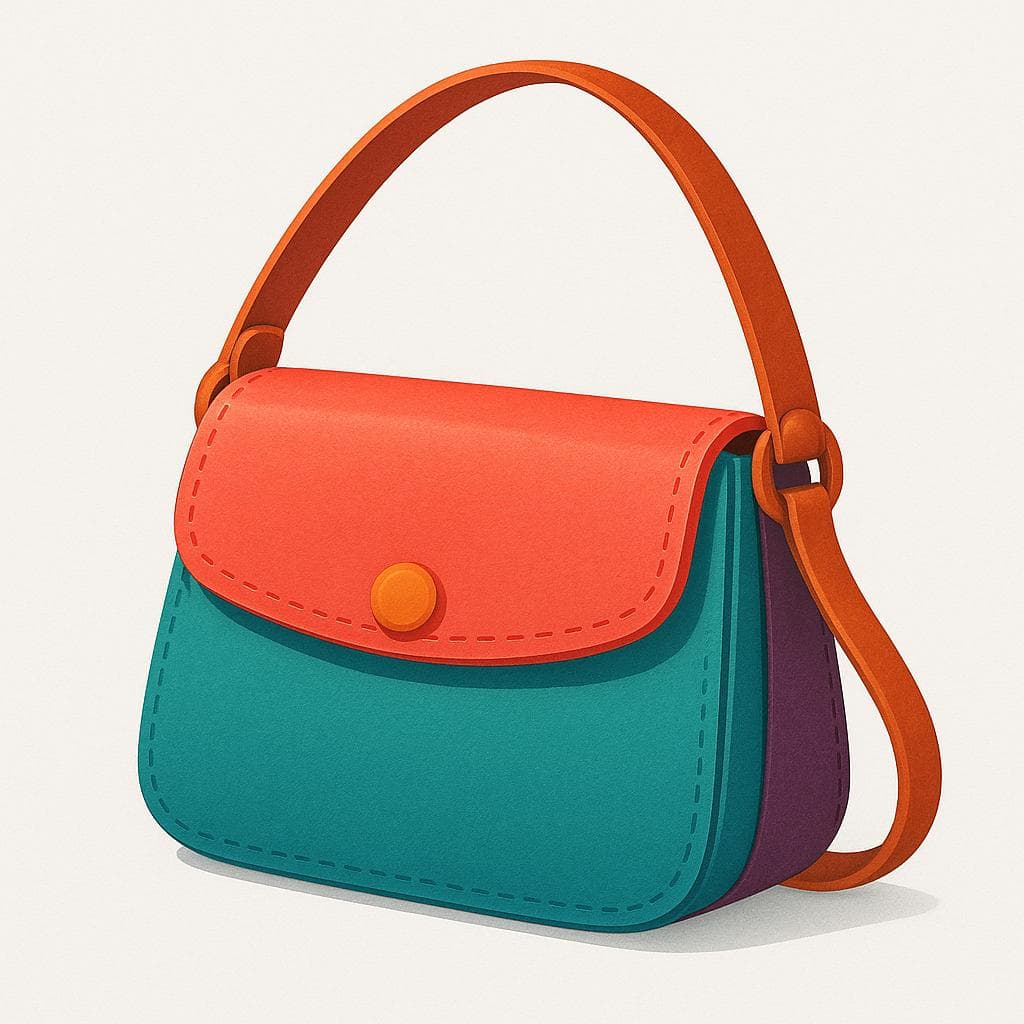
handbag
“Dejé mi teléfono en el bolso antes de salir.”
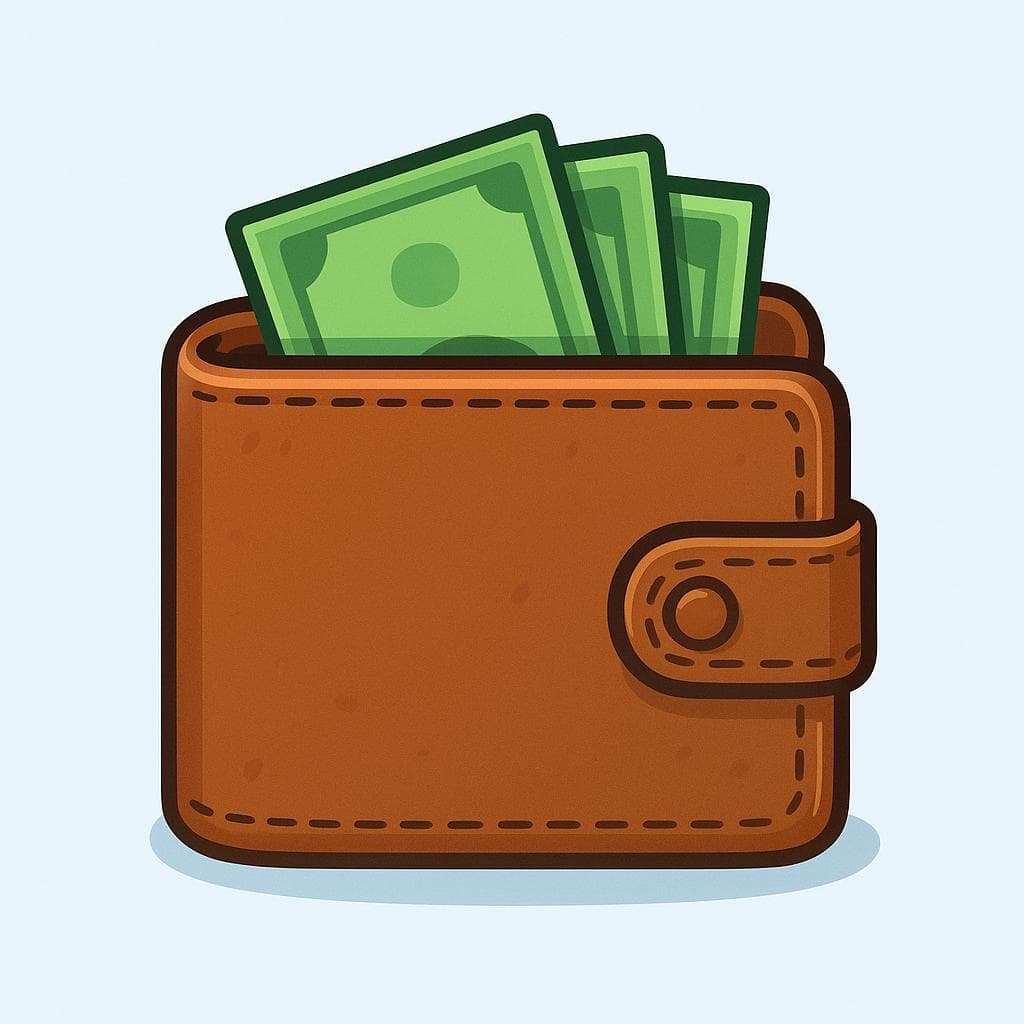
wallet
“Perdí mi cartera con todas mis tarjetas de crédito.”

belt
“Perdí peso y ahora necesito apretar mi cinturón.”
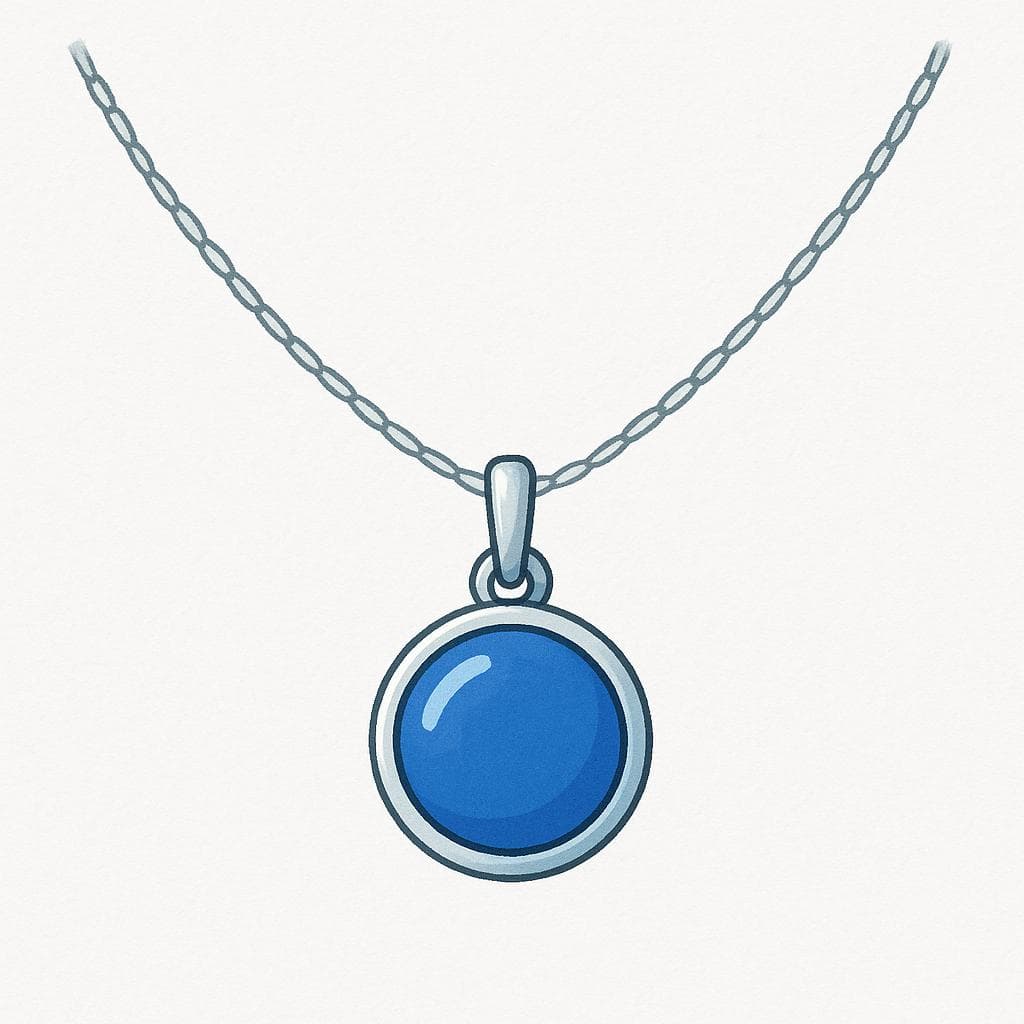
necklace
“Mi abuela me regaló un collar de plata para mi cumpleaños.”
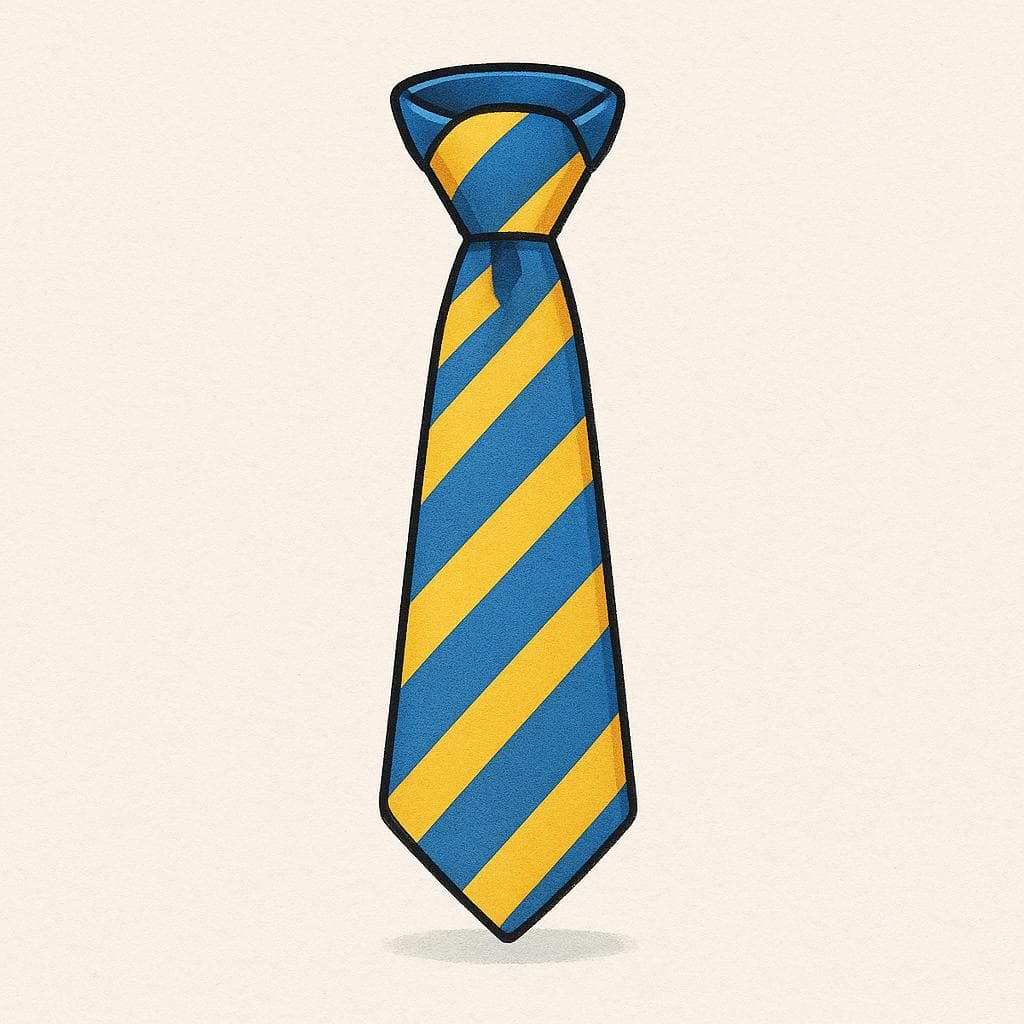
tie
“Para la boda, él tuvo que usar traje y corbata.”

glasses
“Necesito mis gafas para leer el menú en el restaurante.”
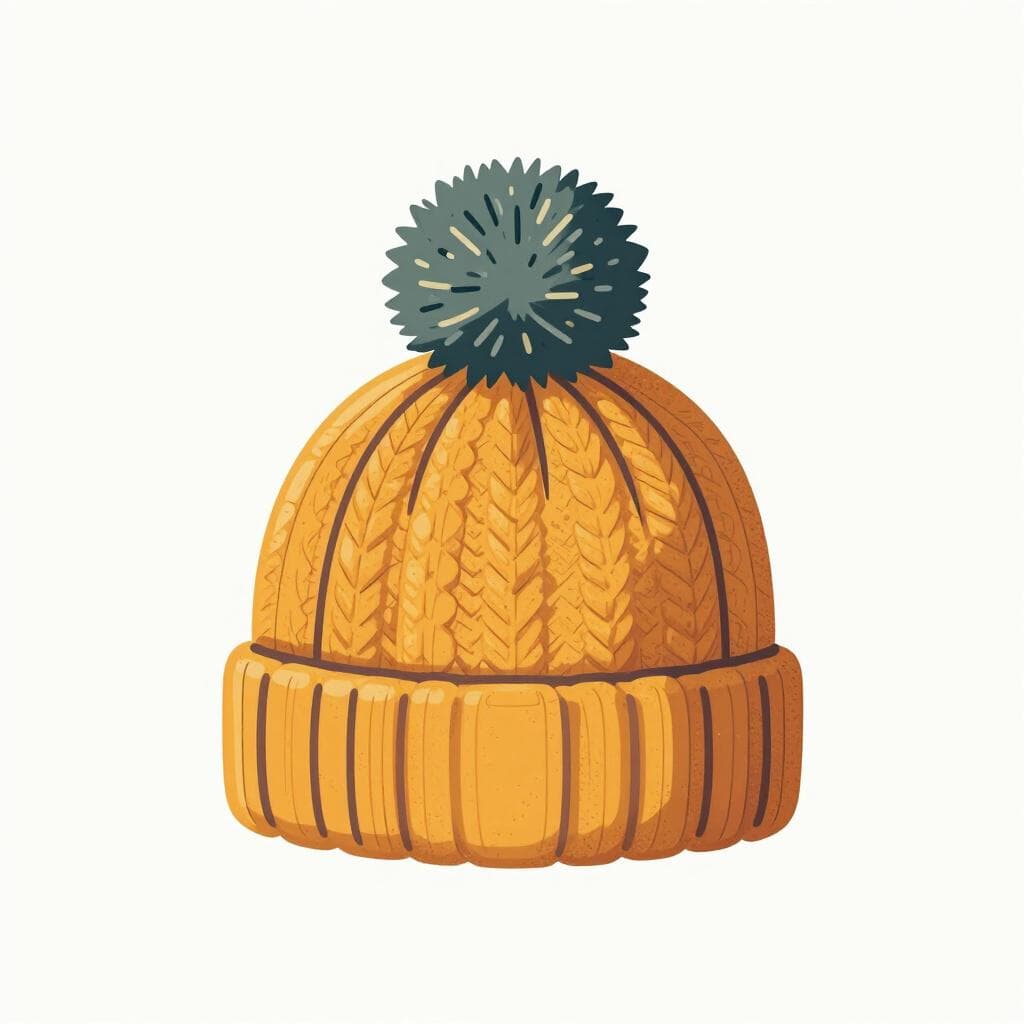
beanie
“Me puse un gorro de lana porque está nevando.”
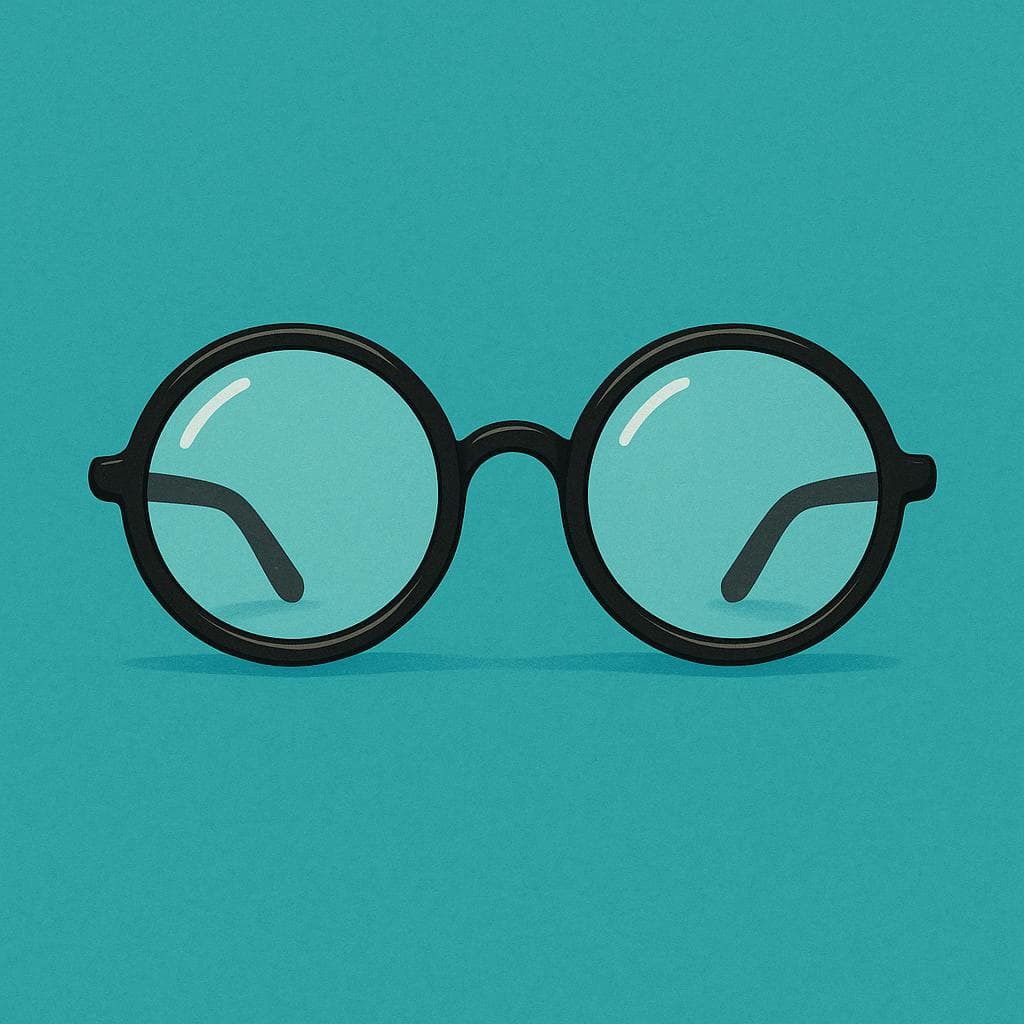
glasses
“Perdí mis lentes de sol en la playa.”
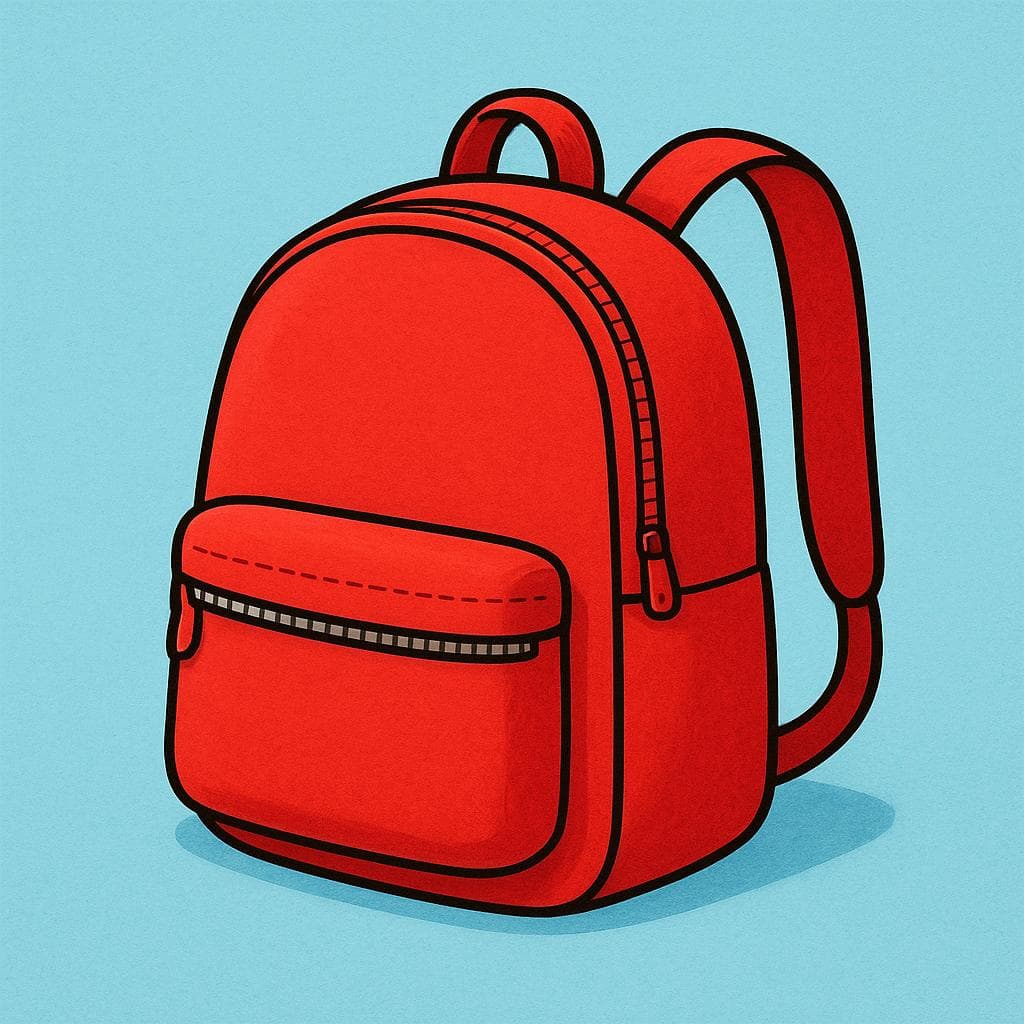
backpack
“Llevo mi computadora portátil en la mochila.”

handkerchief
“Necesito un pañuelo, tengo un resfriado muy fuerte.”
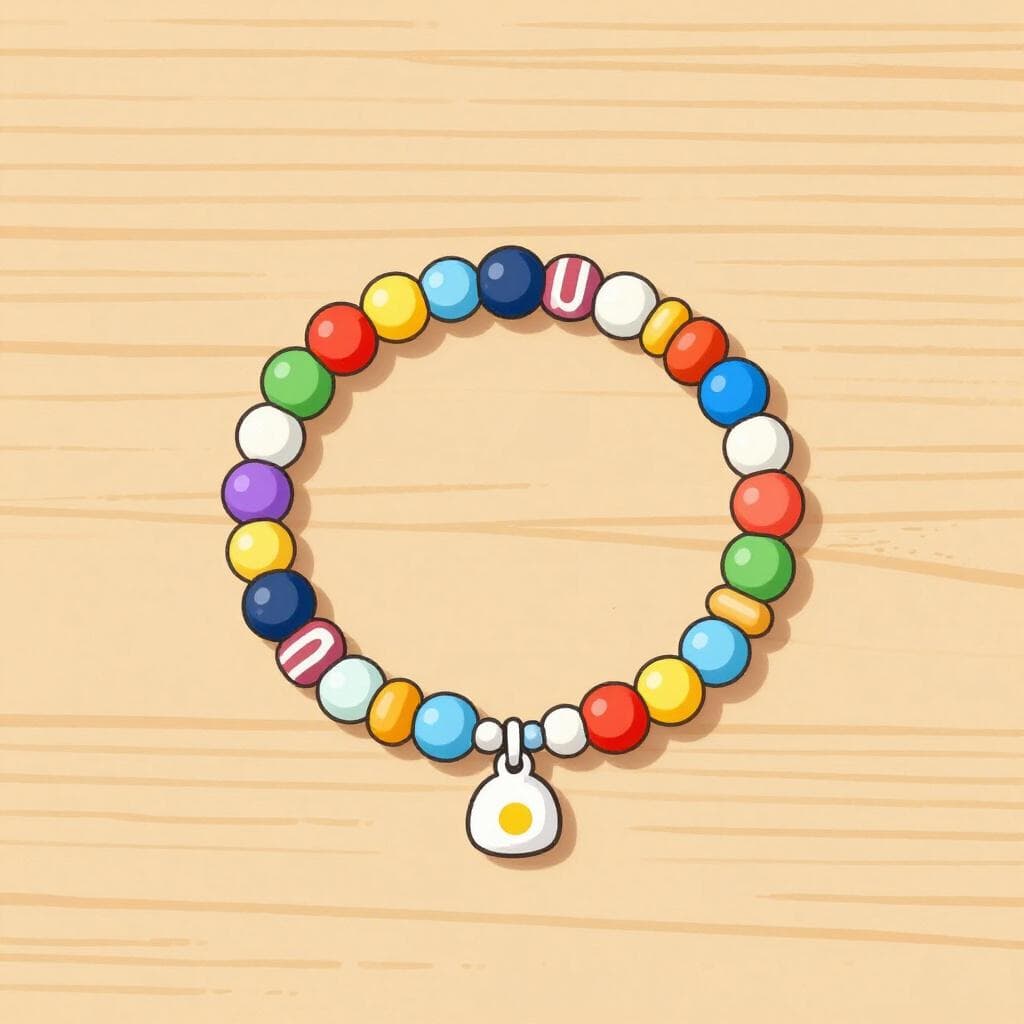
bracelet
“Mi abuela me regaló una pulsera de oro.”
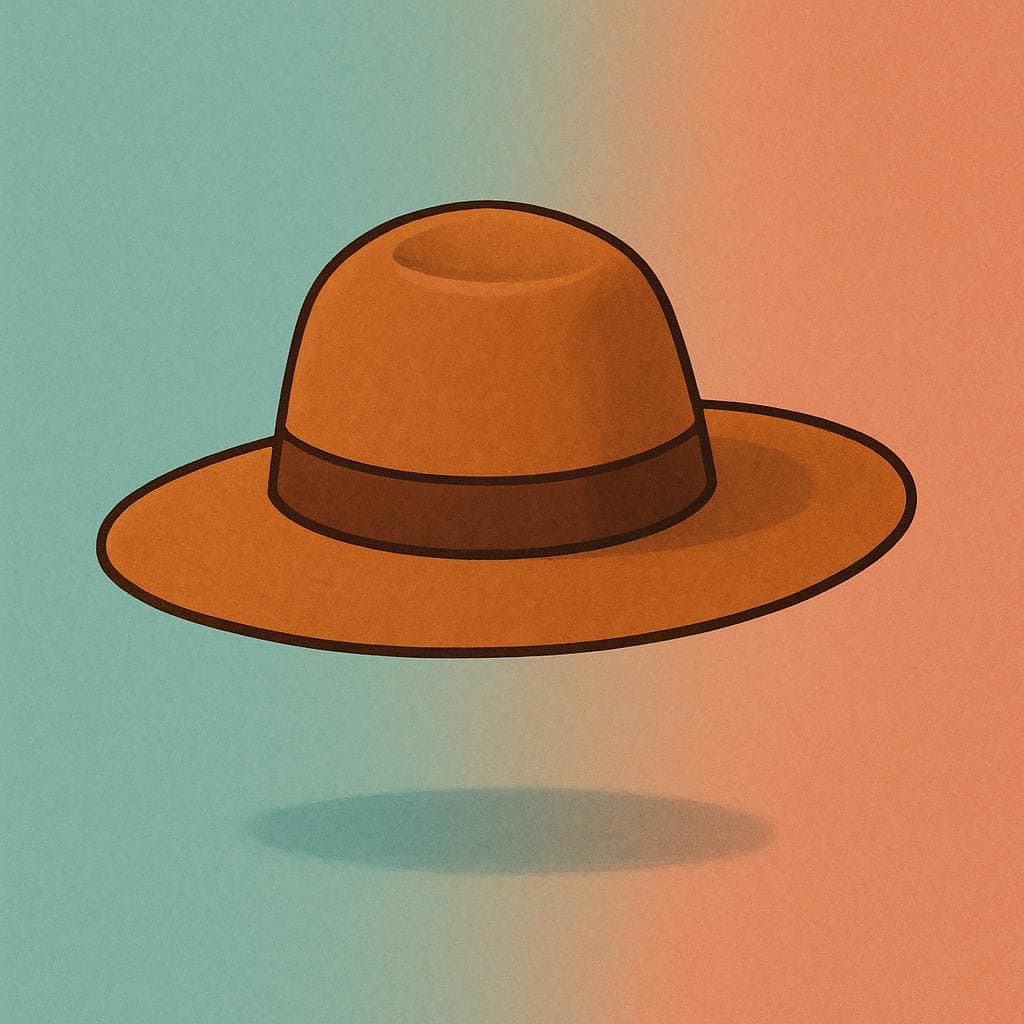
hat
“Necesito un sombrero nuevo para la playa.”
A2 — Elementary (11 words)
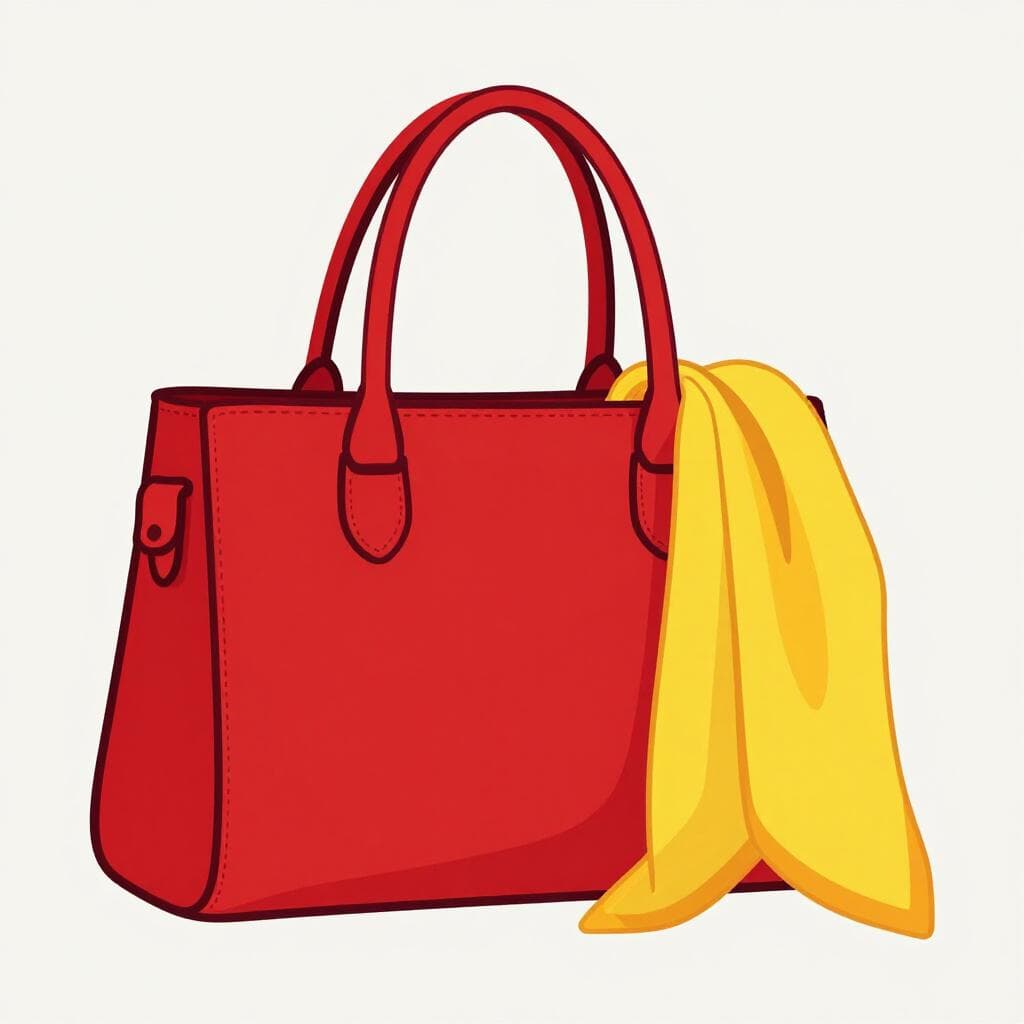
accessory
“Ella lleva muchos accesorios, como collares y pulseras.”

nail polish
“Me gusta este color de esmalte.”

identical twin
“Mi hermano es mi gemelo idéntico.”

jewel
“Ella guarda sus joyas en una caja fuerte.”
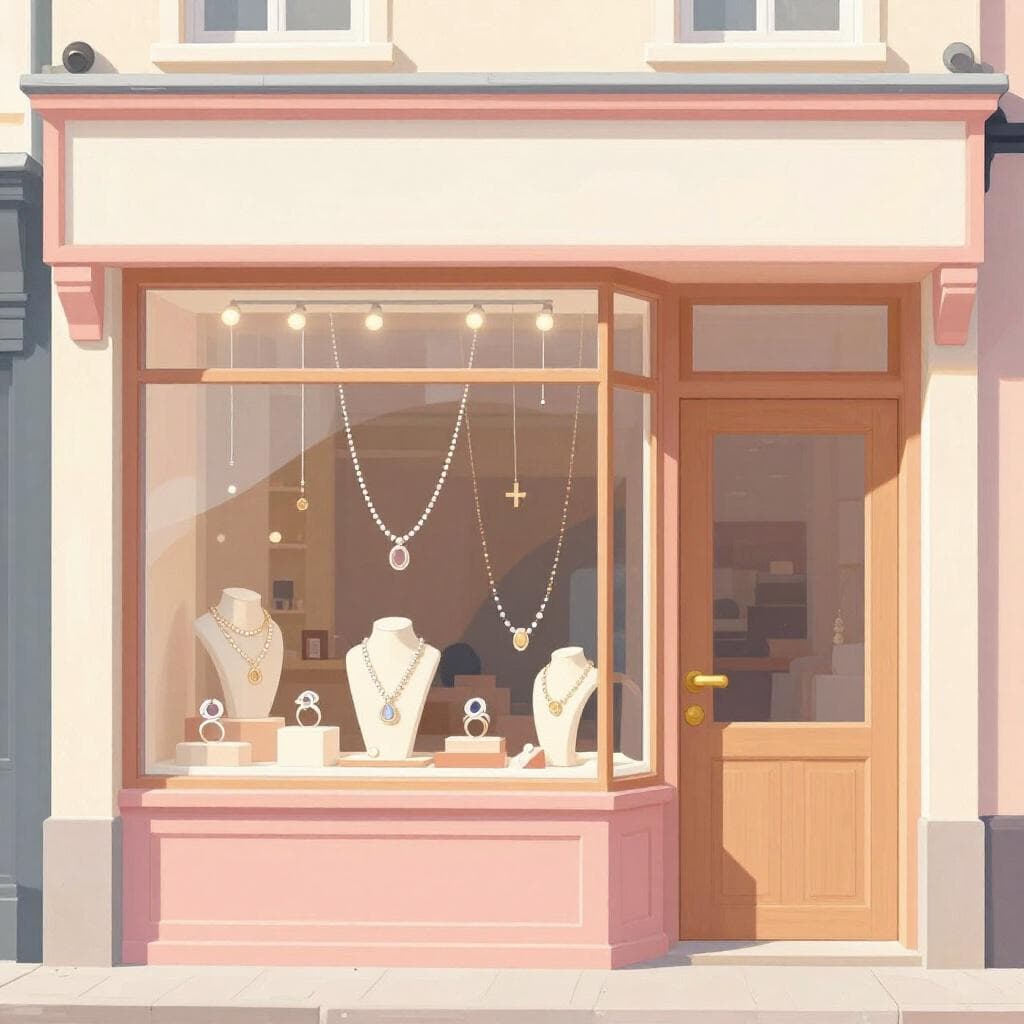
jewelry store
“Hay una joyería muy cara en el centro comercial.”
pending
“Tengo muchos correos pendientes que responder.”

earrings
“Perdí uno de mis pendientes favoritos en la fiesta.”
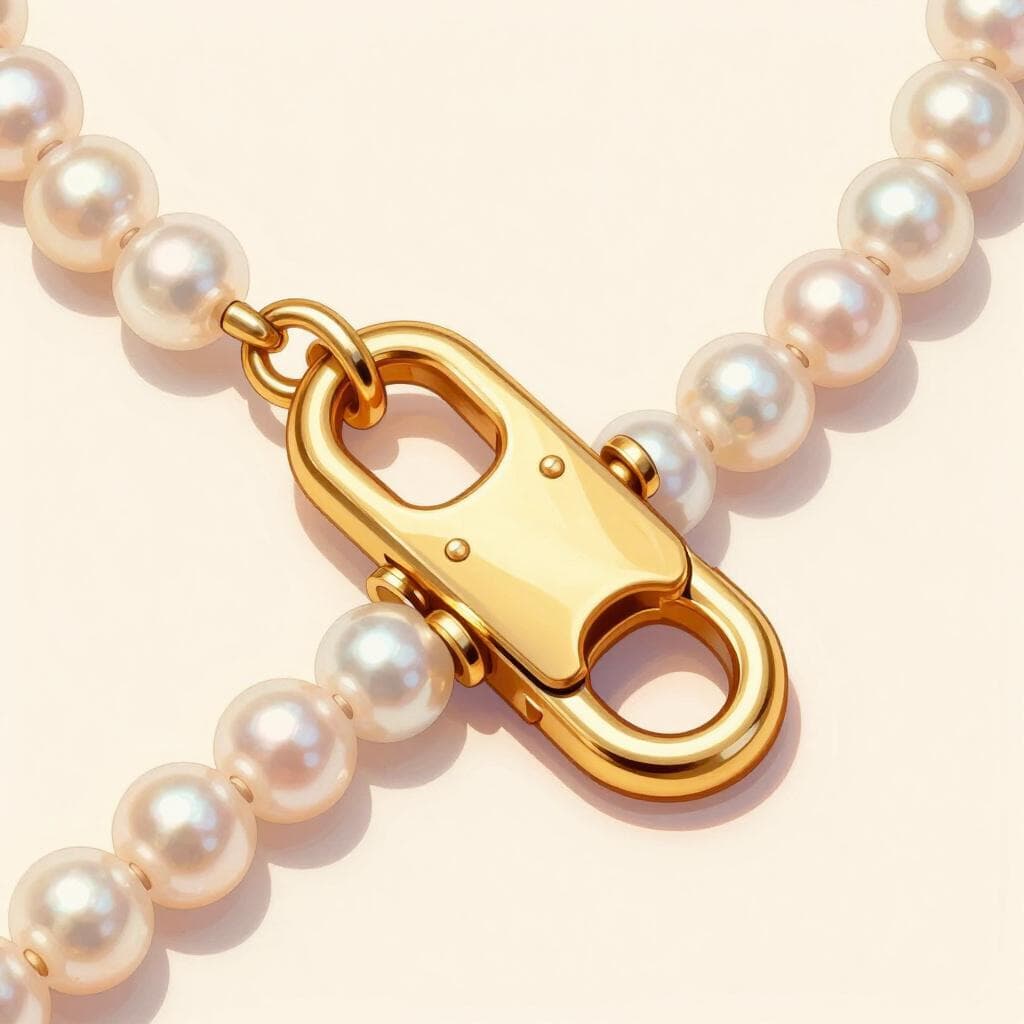
clasp
“Se me rompió el broche de la pulsera.”
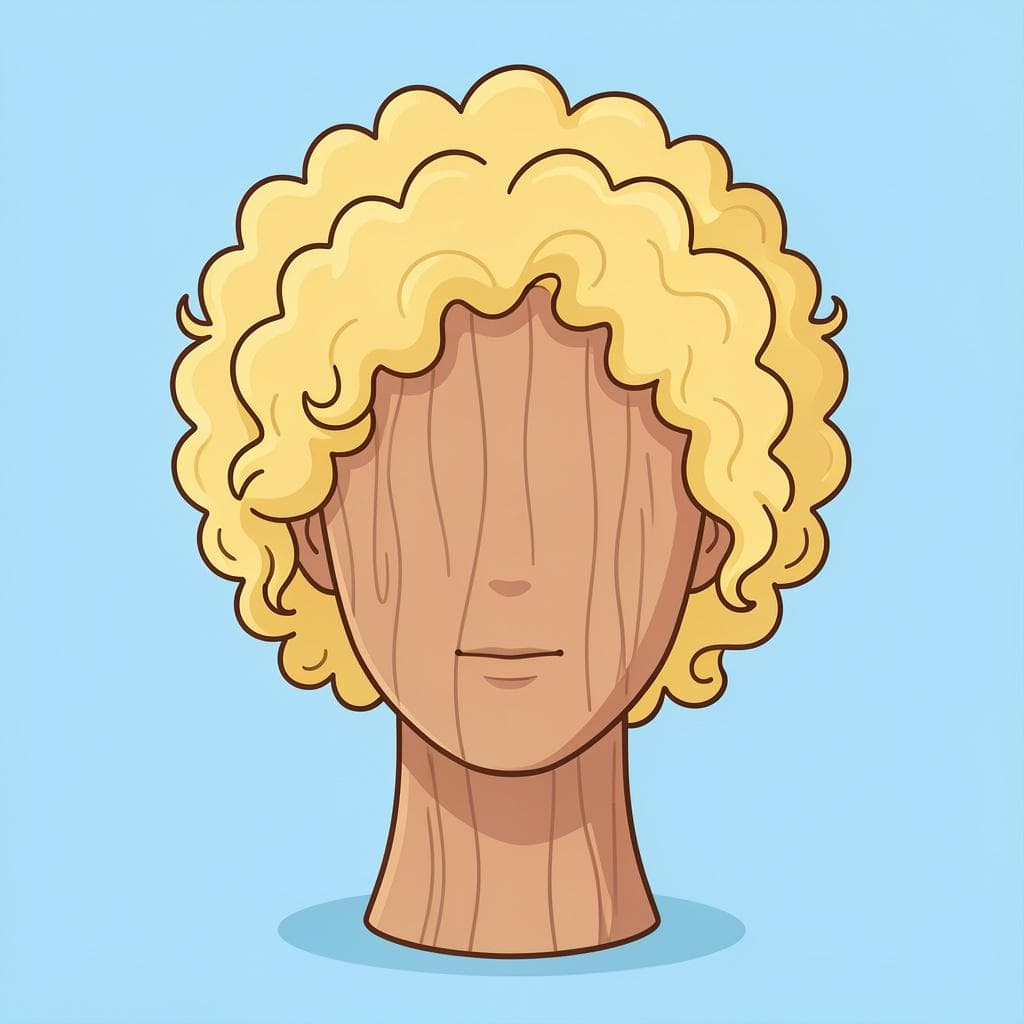
wig
“Ella se puso una peluca de color rosa para la fiesta de disfraces.”
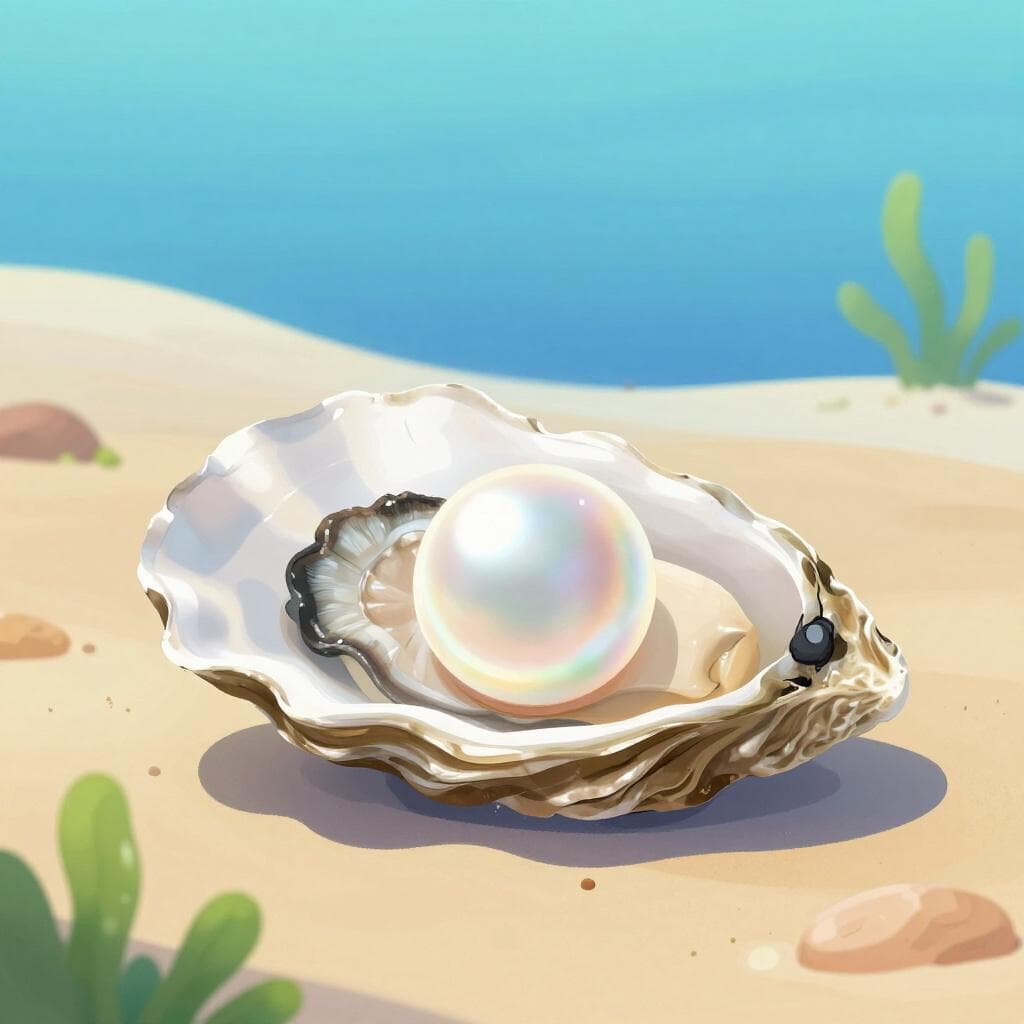
pearl
“Ella lleva un collar de perlas muy elegante.”

bracelet
“Ella lleva un brazalete de oro en su muñeca.”
B1 — Intermediate (1 words)

alliance
“Los dos países formaron una alianza económica para comerciar mejor.”
Grammar Tips
Gender Agreement is Key
Like most Spanish nouns, accessories and jewelry have a grammatical gender. Most words ending in -o are masculine (el bolso, el cinturón), and those ending in -a are feminine (la bolsa, la cartera). Remember to match articles and adjectives accordingly, like 'la cartera roja' (the red wallet).
Plurals: Simple and Straightforward
Forming plurals for accessories is usually straightforward. Words ending in a vowel typically add -s (anillo -> anillos, bolsa -> bolsas), while words ending in a consonant add -es (reloj -> relojes). This applies to most items in this category.
Diminutives for Charm
Spanish speakers often use diminutives to make things sound smaller, cuter, or more affectionate. You might hear 'un bolsito' for a small handbag or 'un cuellito' for a delicate necklace, adding a touch of warmth to the description.
Common Mistakes
Incorrect Article Gender
Mistake: “Compré un cartera nueva.”
Correction: Compré una cartera nueva. — 'Cartera' is a feminine noun, so it requires the feminine article 'una' (a) and feminine adjective agreement if used, not the masculine 'un'.
Adjective Placement
Mistake: “Vi el elegante collar.”
Correction: Vi el collar elegante. — While 'elegante' can sometimes precede the noun for emphasis, standard placement for descriptive adjectives like colors or styles is *after* the noun in Spanish.
Pluralizing 'Reloj'
Mistake: “Tengo dos reloj.”
Correction: Tengo dos relojes. — Nouns ending in a consonant like 'reloj' usually form their plural by adding '-es', not just '-s'.
Cultural Notes
Jewelry as Gifts
Giving jewelry, especially rings or necklaces, is a common and significant way to express affection or commitment in Spanish-speaking cultures, much like in English-speaking ones. Engagements and anniversaries are often marked with special pieces.
Wallets vs. Handbags
While 'cartera' often translates to 'wallet' in Spain, in many parts of Latin America, 'cartera' can also refer to a woman's handbag. 'Billetera' is more consistently used for 'wallet' across most regions.