Books & Literature in Spanish
Dive into the world of Spanish books and literature with this essential vocabulary! Knowing these words will help you discuss your favorite novels, understand literary genres, and even navigate a Spanish bookstore with confidence. Spanish often uses the same word for singular and plural when referring to general concepts, which can be a fun twist for English speakers.
Quick Reference
| Spanish | English | Example | Level |
|---|---|---|---|
biblia | Bible | Mi abuela lee la biblia todas las noches antes de dormir. | A1 |
capítulo | chapter | Terminé el libro, pero el último capítulo fue muy triste. | A1 |
cuento | story | ¿Leemos un cuento antes de acostarnos? | A1 |
edición | edition | La primera edición de ese libro se agotó en un día. | A2 |
ficción | fiction | Me gusta leer libros de ciencia ficción antes de dormir. | A2 |
historia | history | La historia de Roma es fascinante. | A1 |
leyenda | legend | La leyenda de El Dorado es muy popular en Sudamérica. | A2 |
libro | book | Estoy leyendo un libro muy interesante. | A1 |
literatura | literature | Mi clase favorita es la de literatura moderna. | B2 |
novela | novel | Estoy leyendo una novela de ciencia ficción muy interesante. | A1 |
poesía | poetry | Mi hermana estudia la historia de la poesía moderna. | A1 |
poeta | poet | Mi abuelo era un poeta muy famoso en su pueblo. | A1 |
A1 — Beginner (9 words)
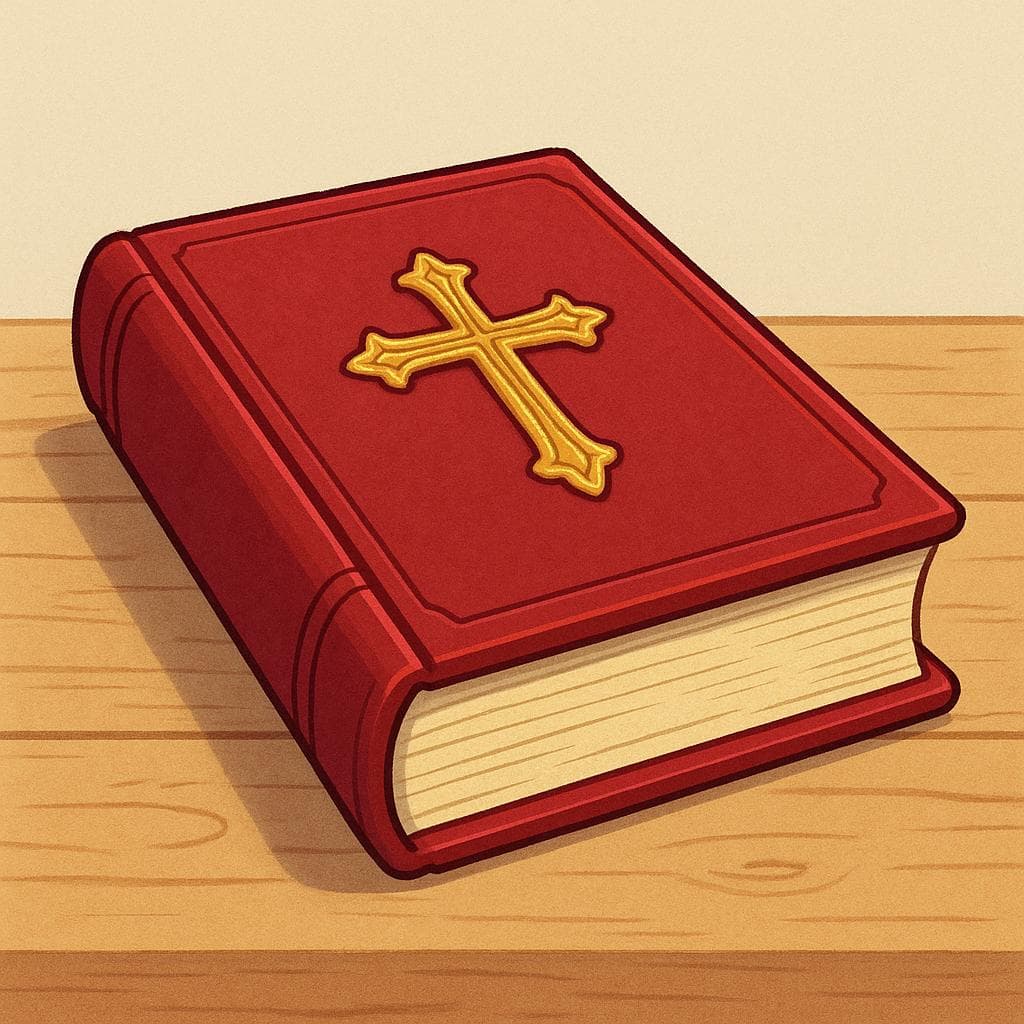
Bible
“Mi abuela lee la biblia todas las noches antes de dormir.”
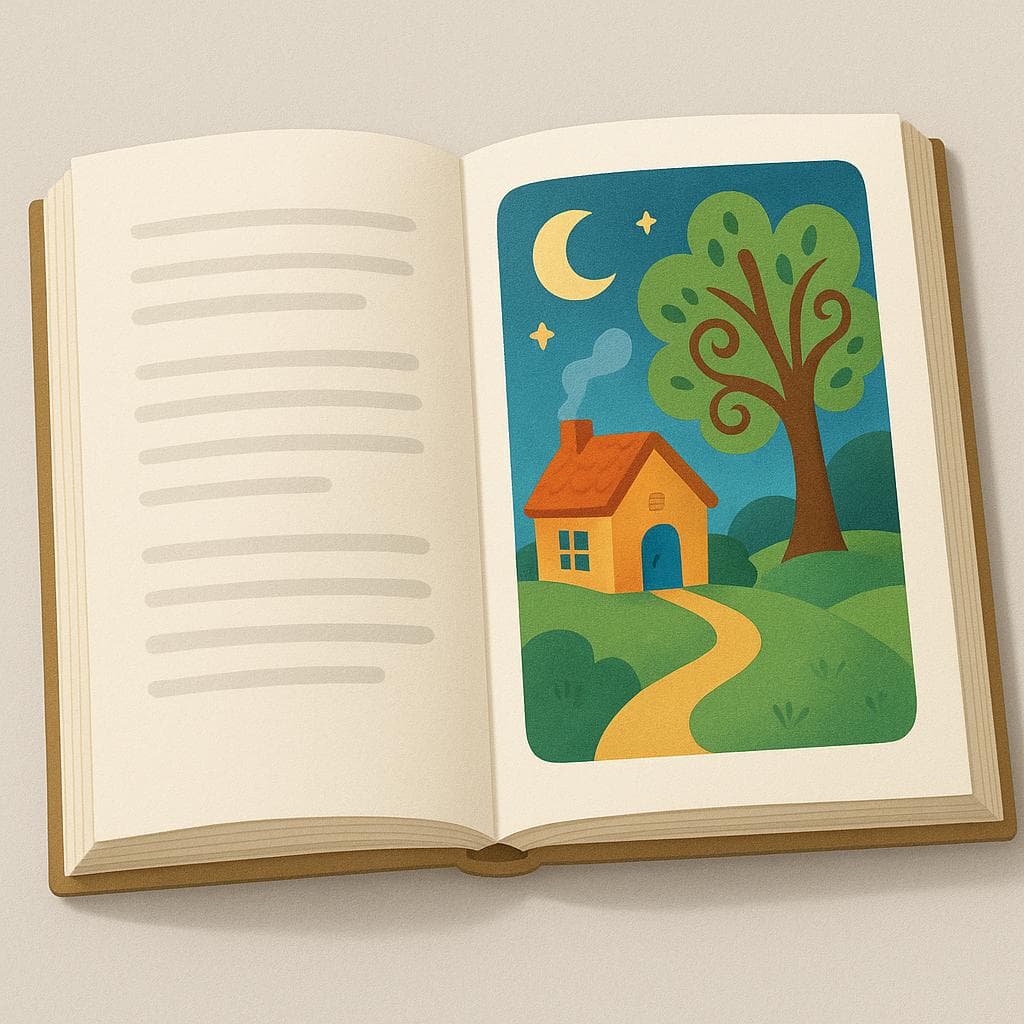
chapter
“Terminé el libro, pero el último capítulo fue muy triste.”
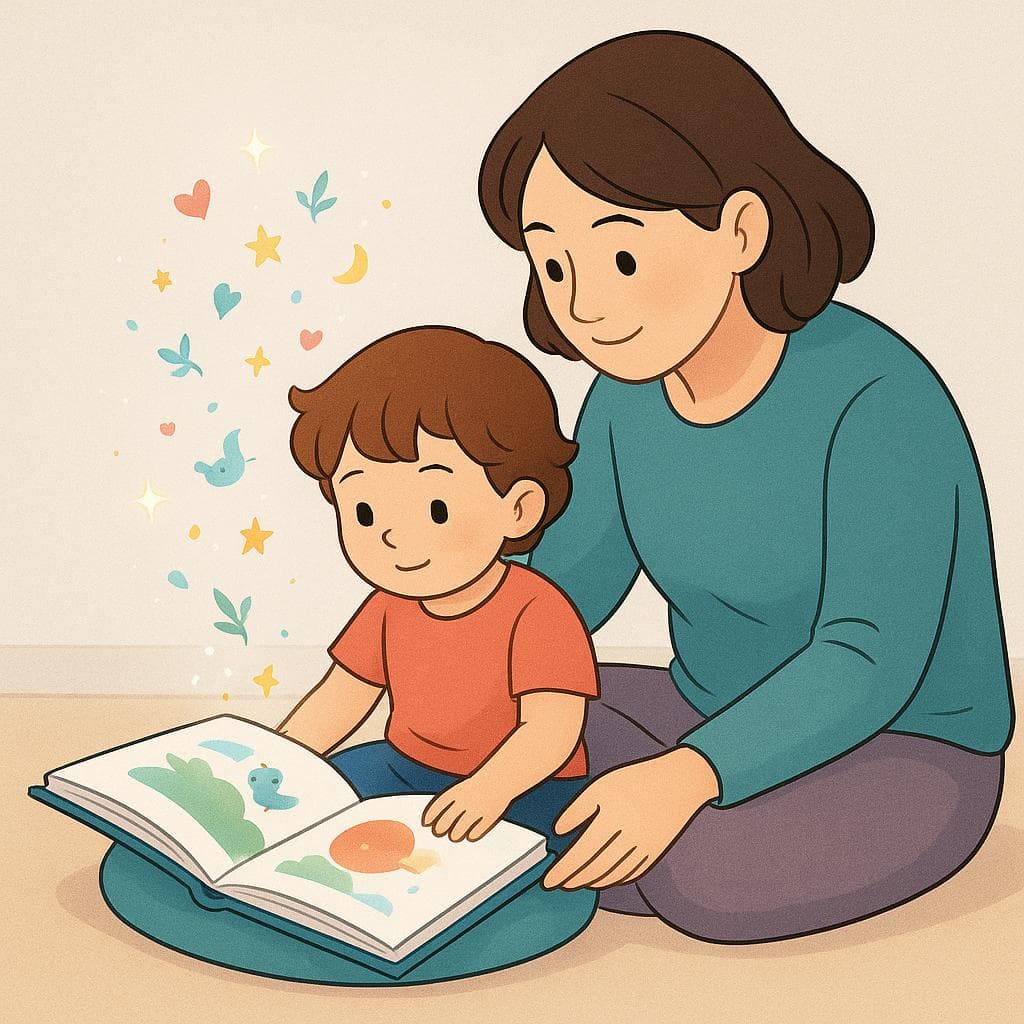
story
“¿Leemos un cuento antes de acostarnos?”
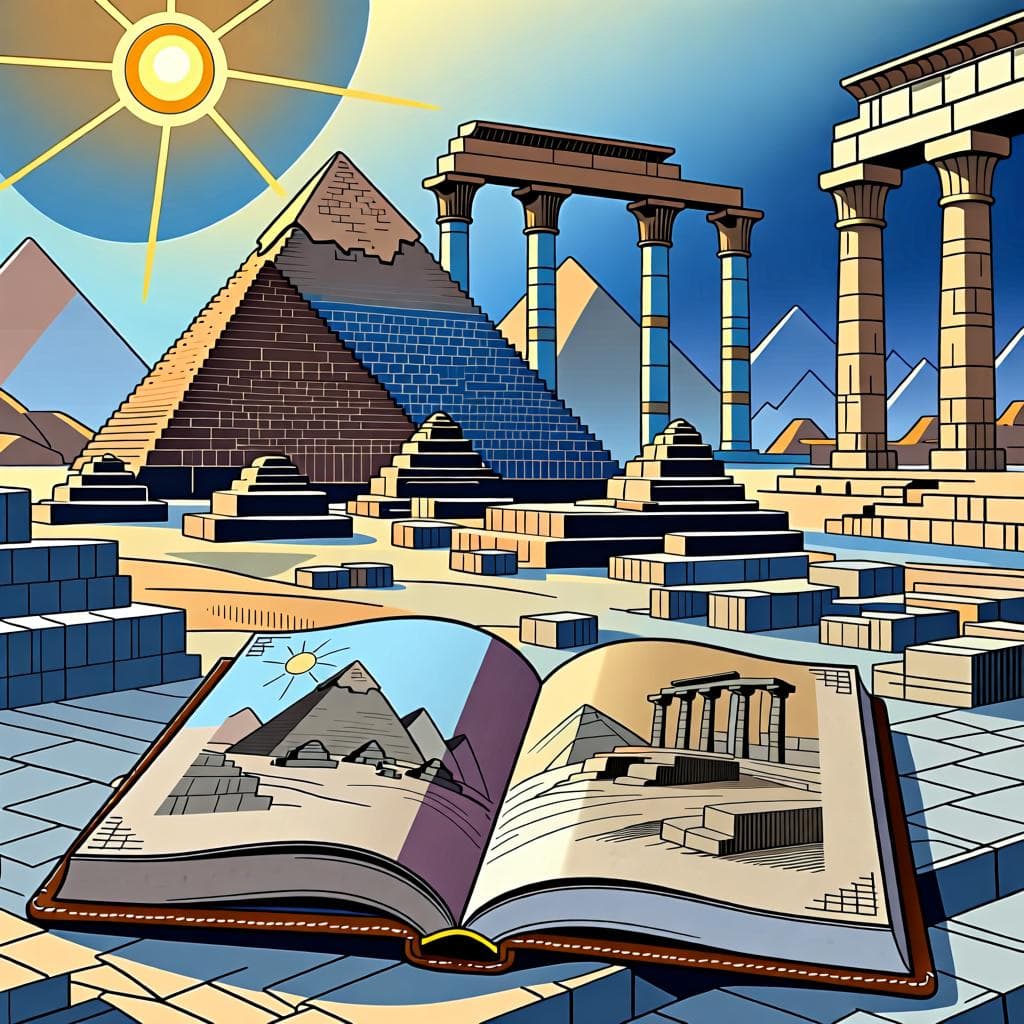
history
“La historia de Roma es fascinante.”
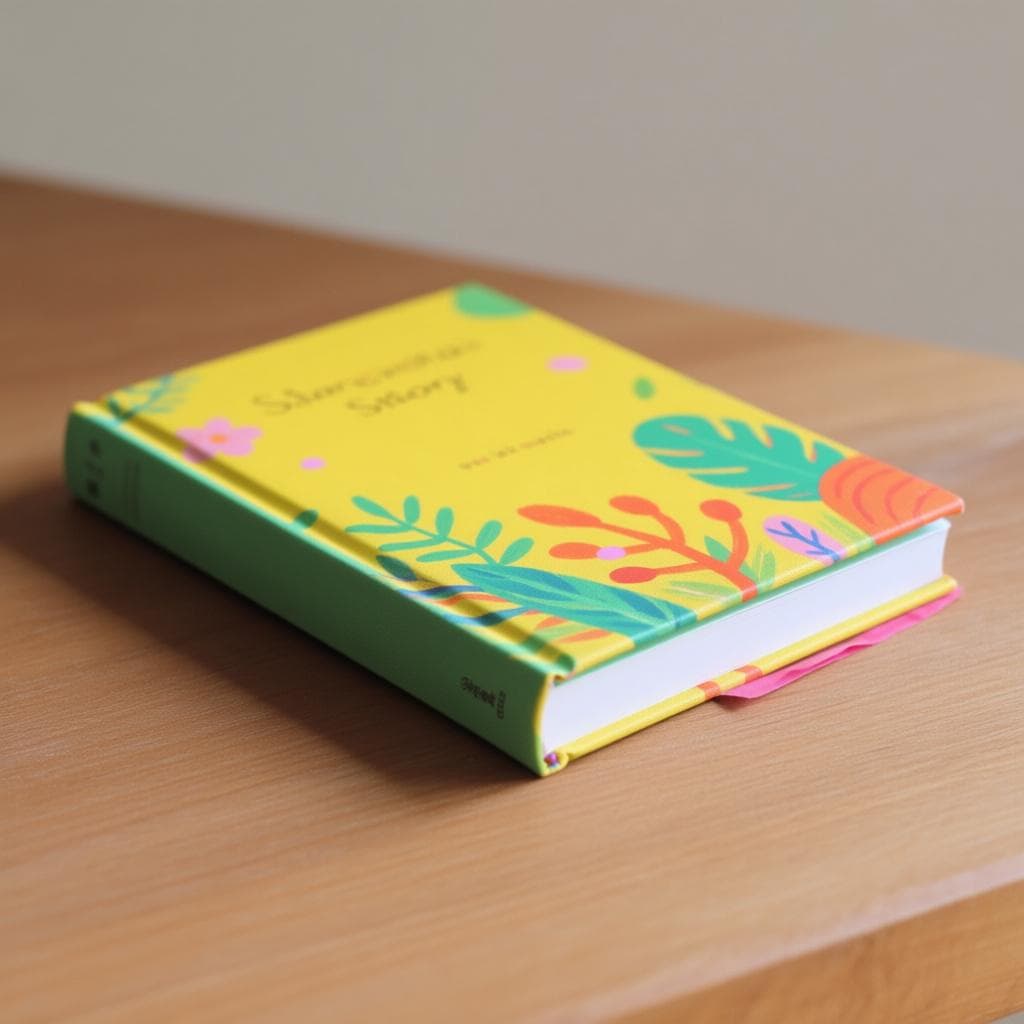
book
“Estoy leyendo un libro muy interesante.”
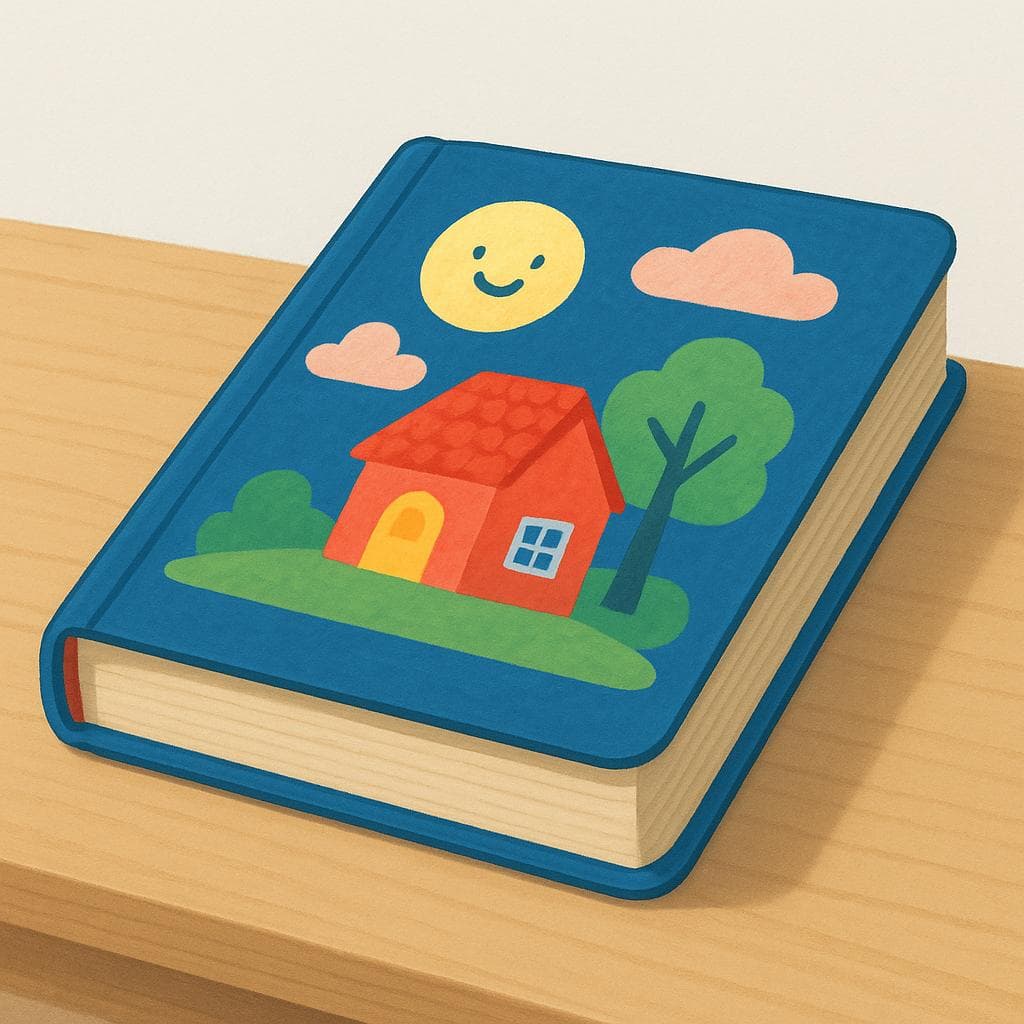
novel
“Estoy leyendo una novela de ciencia ficción muy interesante.”

poetry
“Mi hermana estudia la historia de la poesía moderna.”

poet
“Mi abuelo era un poeta muy famoso en su pueblo.”

comic book
“Tengo un cómic nuevo sobre superhéroes.”
A2 — Elementary (6 words)
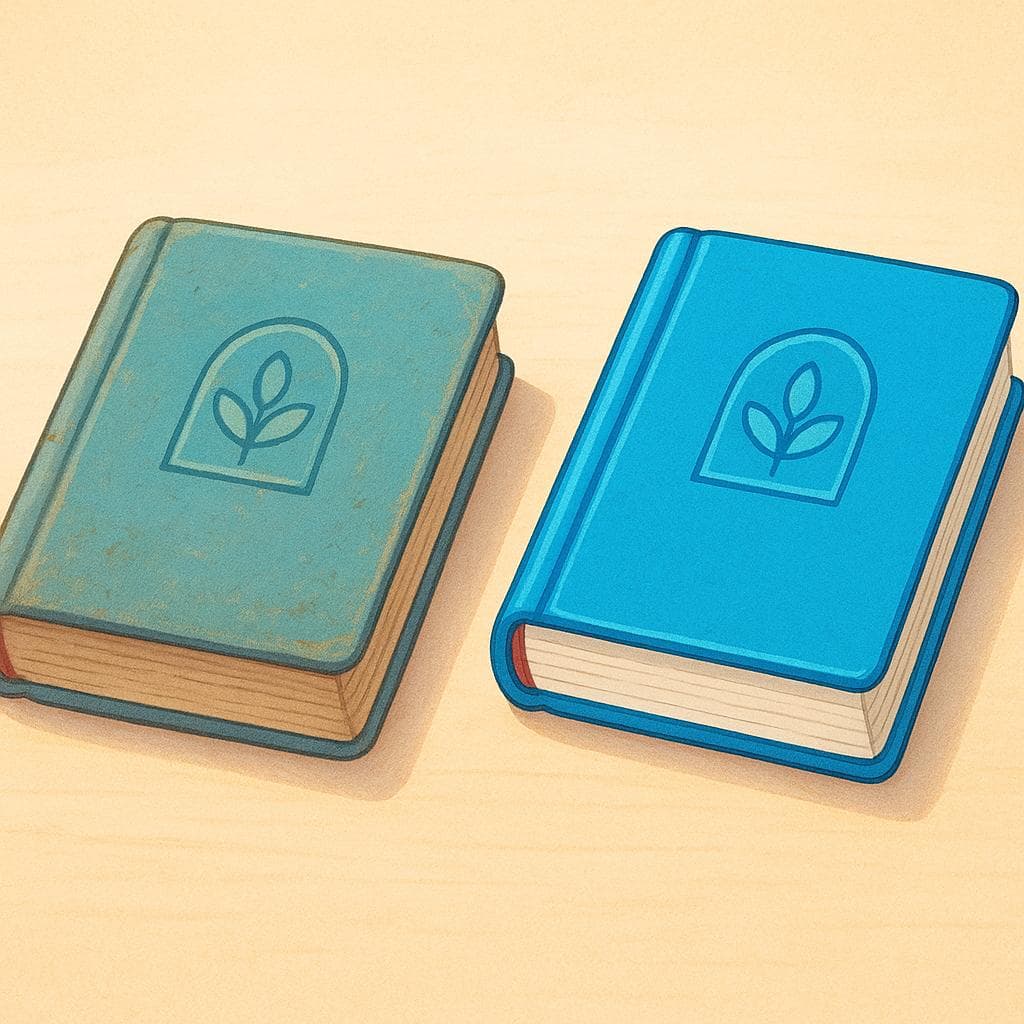
edition
“La primera edición de ese libro se agotó en un día.”
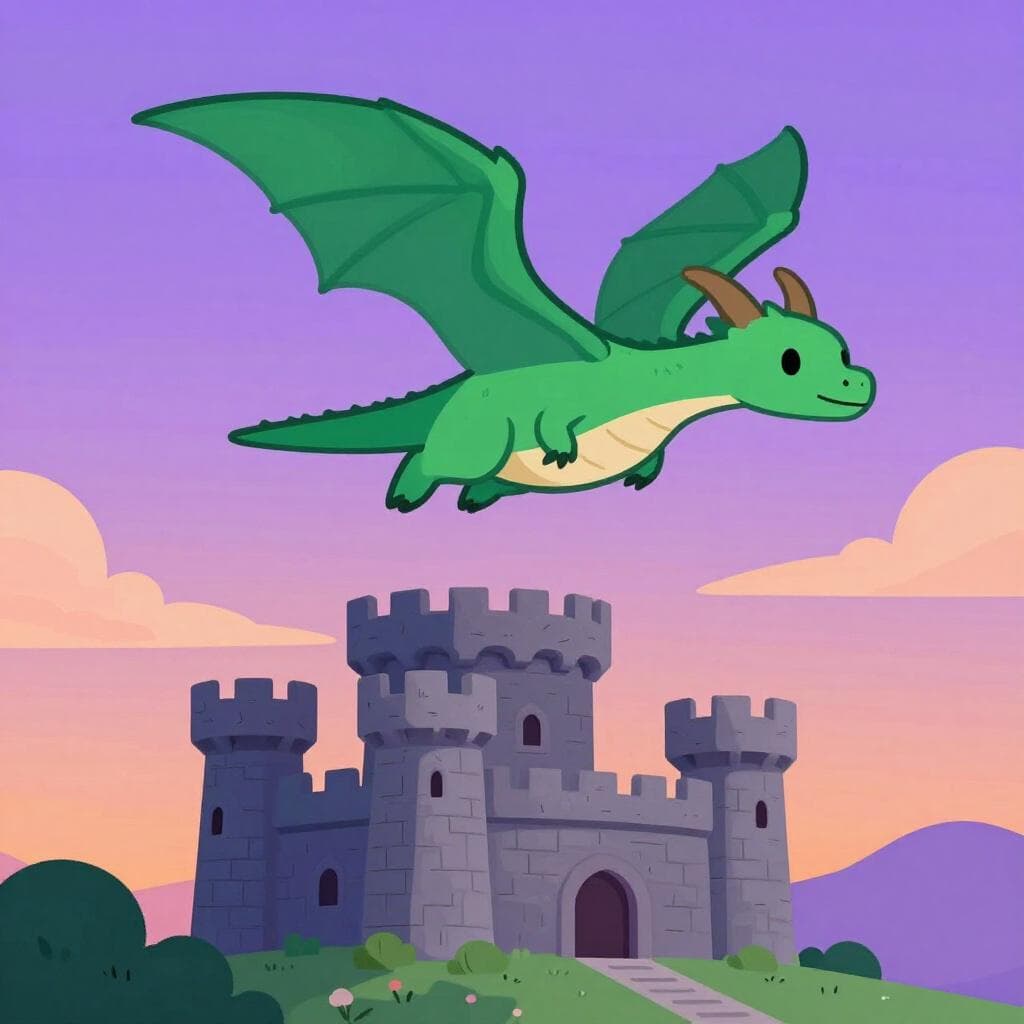
fiction
“Me gusta leer libros de ciencia ficción antes de dormir.”

legend
“La leyenda de El Dorado es muy popular en Sudamérica.”
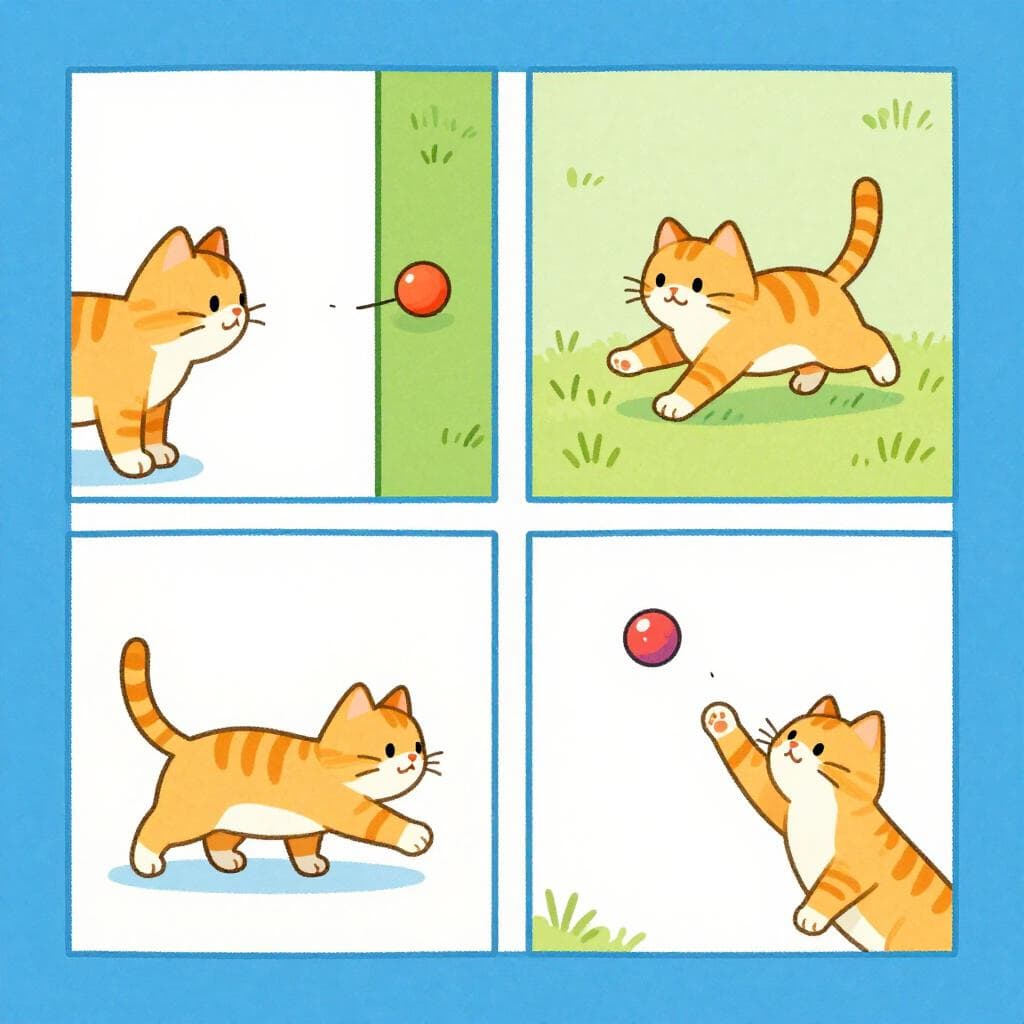
comic strip
“Leí una historieta muy divertida en el periódico hoy.”
poem
“Leí un poema de amor muy bonito en la clase de literatura.”
novelist
“Gabriel García Márquez es mi novelista favorito.”
B1 — Intermediate (7 words)
drama
“El drama de Shakespeare 'Hamlet' es estudiado en todo el mundo.”

publishing house
“He enviado mi manuscrito a una editorial pequeña.”

narration
“La narración del locutor fue muy emocionante.”
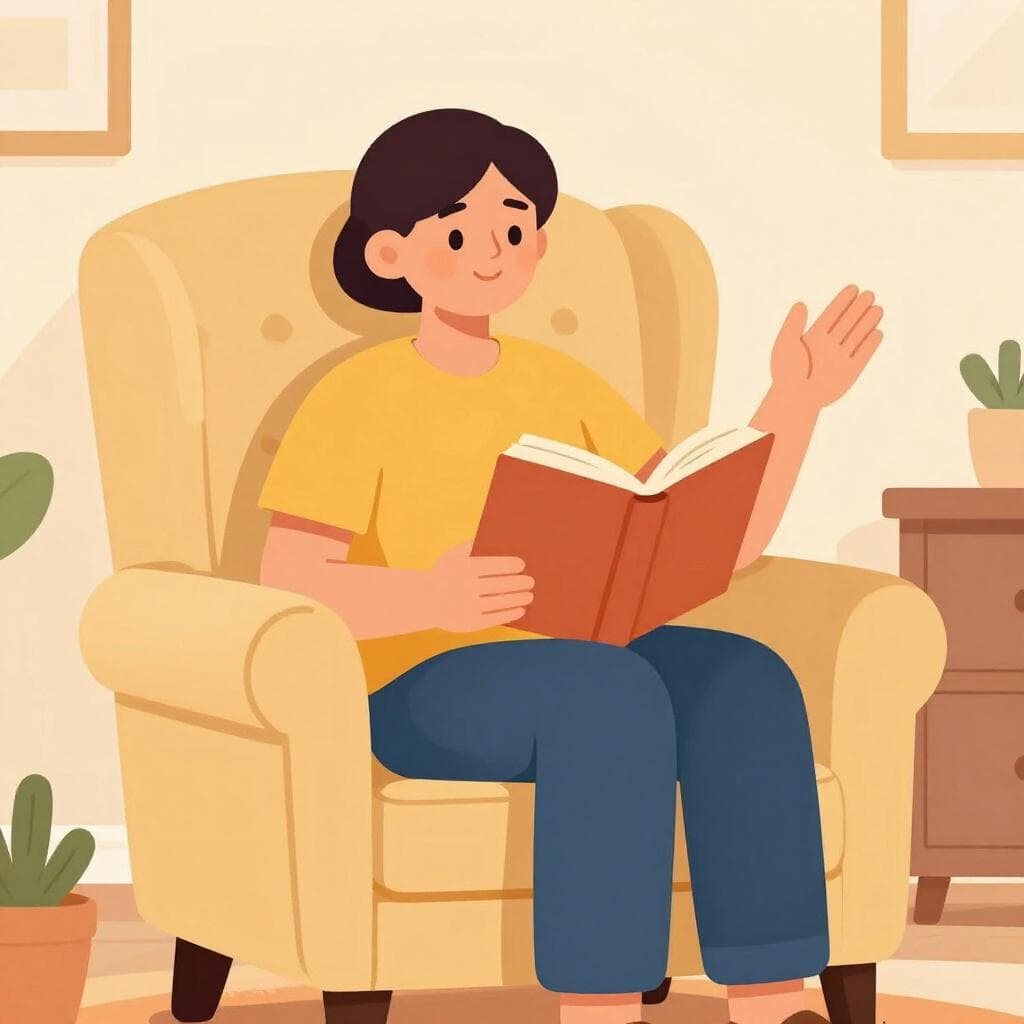
narrator
“El narrador de esta novela no es muy confiable.”

literary
“Estamos participando en un concurso literario en la escuela.”

prologue
“Leí el prólogo para entender mejor la historia.”

prose
“Este libro está escrito completamente en prosa.”
B2 — Upper Intermediate (2 words)

literature
“Mi clase favorita es la de literatura moderna.”
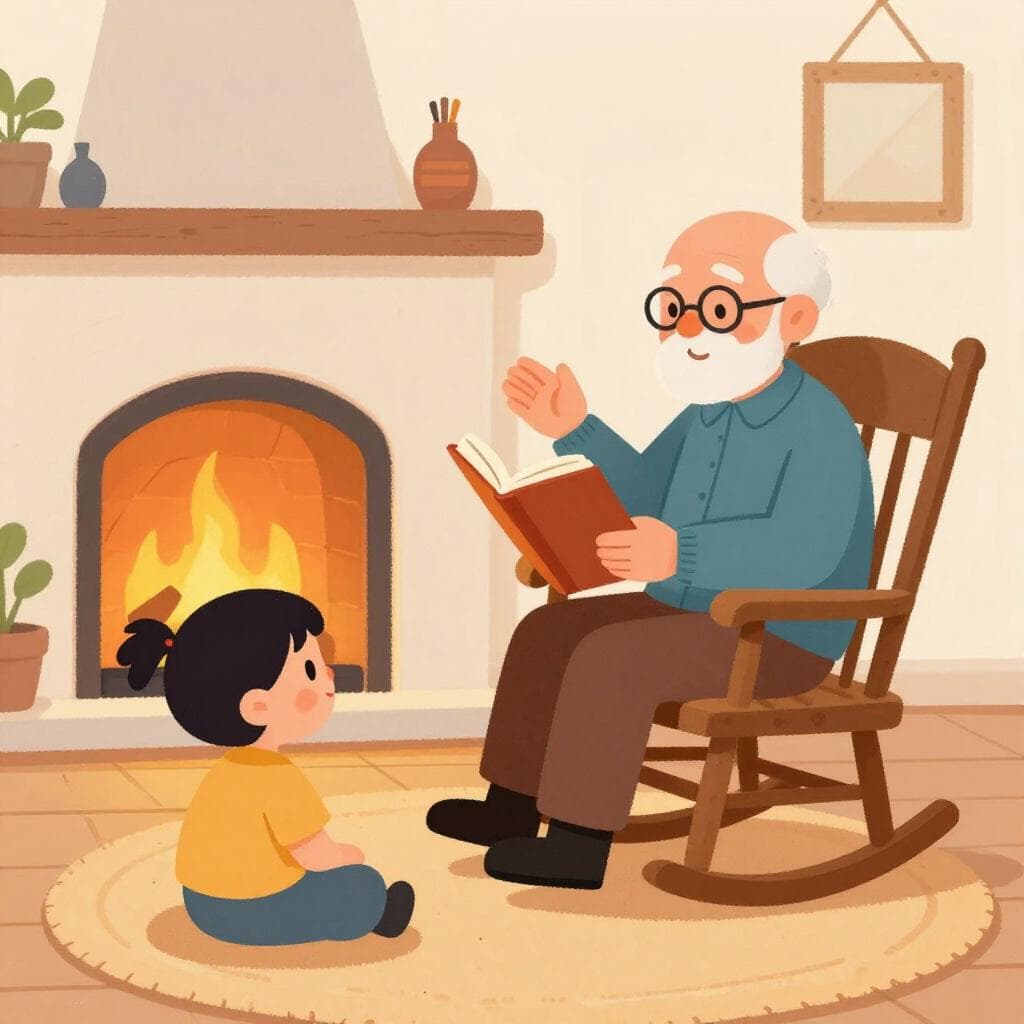
narrative
“La narrativa de este autor es muy descriptiva.”
Grammar Tips
Gender and Pluralization
Like most Spanish nouns, 'libro' (book) is masculine and 'edición' (edition) is feminine. Remember to match articles and adjectives! Most nouns form their plural by adding -s or -es, like 'libro' becoming 'libros' and 'cuento' becoming 'cuentos'.
Fiction vs. Non-Fiction
The distinction between 'ficción' (fiction) and 'historia' (history) is crucial. 'Ficción' refers to imaginative narratives, while 'historia' can mean history or a story/narrative. Context is key!
Genres and Forms
Words like 'drama', 'leyenda' (legend), and 'cómic' (comic book) are often used similarly to English. Notice that 'cómic' can refer to the genre or a single comic book.
Common Mistakes
Incorrect Adjective Agreement
Mistake: “El libro interesante es en la mesa.”
Correction: El libro interesante está en la mesa. — 'Interesante' agrees with the singular masculine 'libro'. 'Está' is used for location.
Confusing 'Historia' with 'Story'
Mistake: “Me gusta leer la historia de aventuras.”
Correction: Me gusta leer las historias de aventuras. — While 'historia' can mean history, 'historias' (plural) is more common for fictional narratives or tales. 'Un cuento' or 'una novela' might also be used depending on the type of story.
Pluralizing Uncountable Nouns
Mistake: “Quiero leer muchos ficciones.”
Correction: Quiero leer mucha ficción. — 'Ficción' (fiction) is often treated as an uncountable noun in Spanish, similar to how we might say 'much fiction' rather than 'many fictions' in English.
Cultural Notes
Bookstores as Social Hubs
In many Spanish-speaking countries, bookstores are more than just shops; they are cultural centers that often host readings, book clubs, and author signings. Visiting one is a great way to soak in the local literary scene.
Cervantes: A Literary Giant
Miguel de Cervantes' 'Don Quixote' is arguably the most influential Spanish-language novel ever written. You'll often find references to it, and it's a cornerstone of literary discussions.