Hobbies & Leisure in Spanish
Talking about hobbies and leisure time is a fantastic way to connect with Spanish speakers on a personal level. This vocabulary will help you share your passions, learn about others' interests, and even discover new activities. It's a great topic because it opens doors to casual conversation and cultural exchange, making your Spanish more natural and engaging.
Quick Reference
| Spanish | English | Example | Level |
|---|---|---|---|
afición | hobby | Mi gran afición es la fotografía de paisajes. | A2 |
aficionado | fan | Mi hermano es un gran aficionado al Real Madrid. | A2 |
animación | animation | Me encanta la animación de esta película. | A2 |
aventura | adventure | Viajar por Sudamérica fue la aventura de mi vida. | A1 |
bailar | to dance | Ella quiere bailar salsa toda la noche. | A1 |
baile | dance | Me encanta el baile flamenco. | A1 |
bolos | bowling | Me encanta jugar a los bolos los sábados. | A1 |
circo | circus | Fuimos al circo y vimos un espectáculo increíble con acróbatas. | A1 |
club | club | Me uní a un club de lectura para conocer gente. | A2 |
concierto | concert | Fui a un concierto de rock anoche, fue increíble. | A1 |
feria | fair | Todos los años vamos a la feria del pueblo en agosto. | A2 |
golf | golf | Vamos a jugar al golf este fin de semana. | A1 |
A1 — Beginner (18 words)
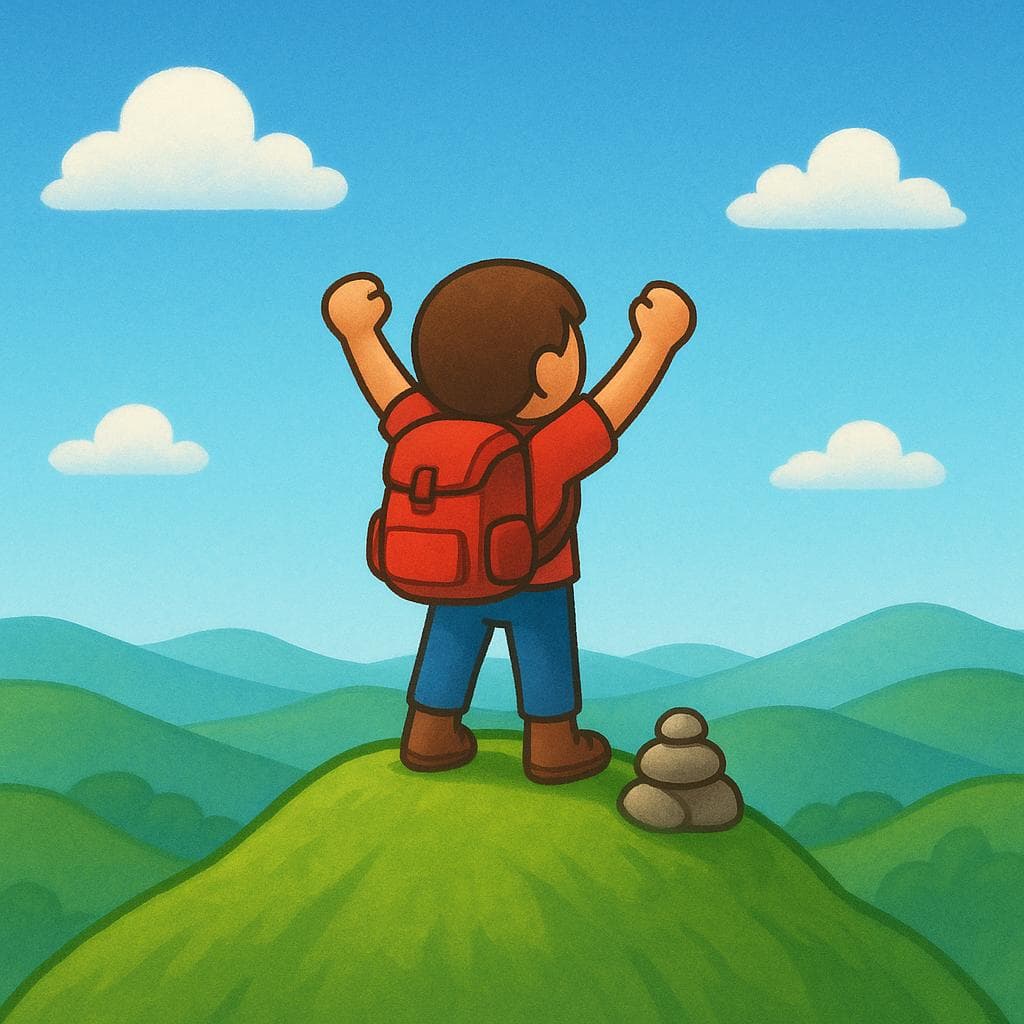
adventure
“Viajar por Sudamérica fue la aventura de mi vida.”

to dance
“Ella quiere bailar salsa toda la noche.”
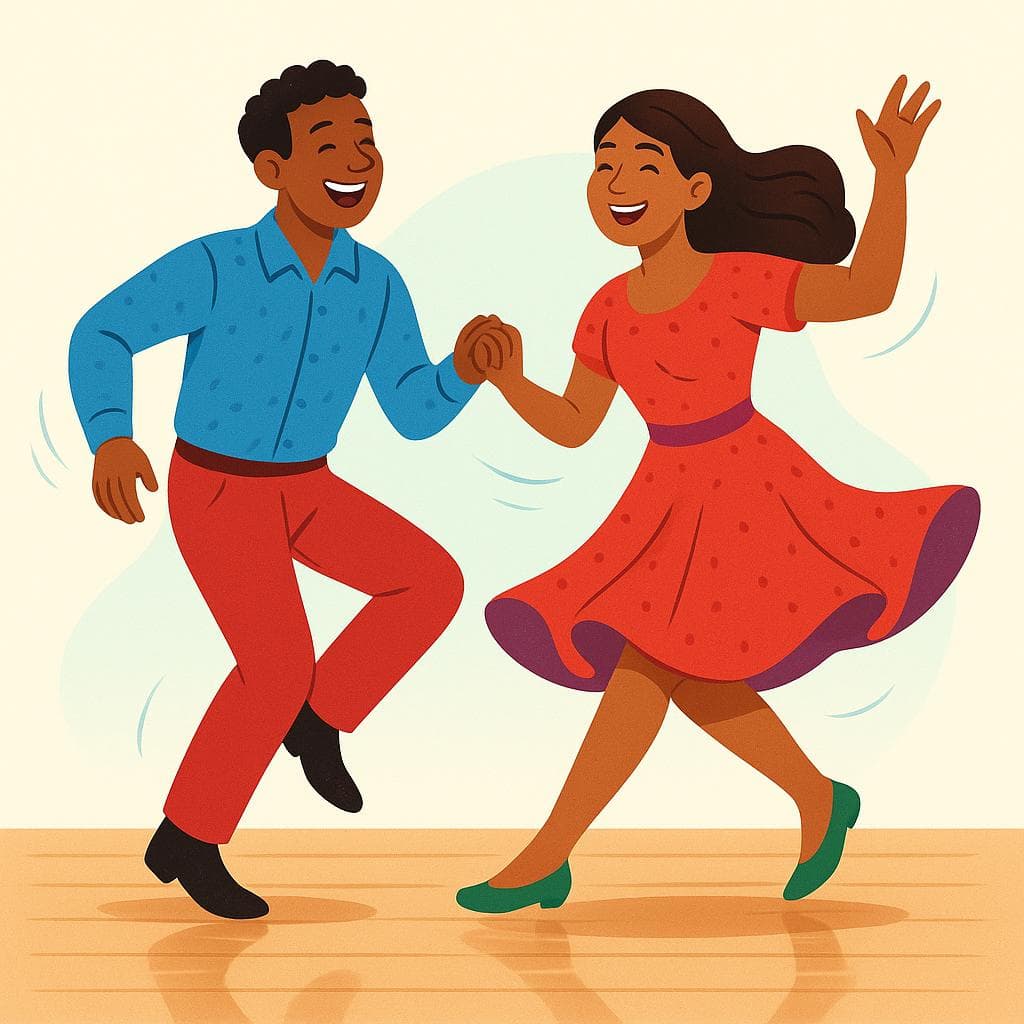
dance
“Me encanta el baile flamenco.”
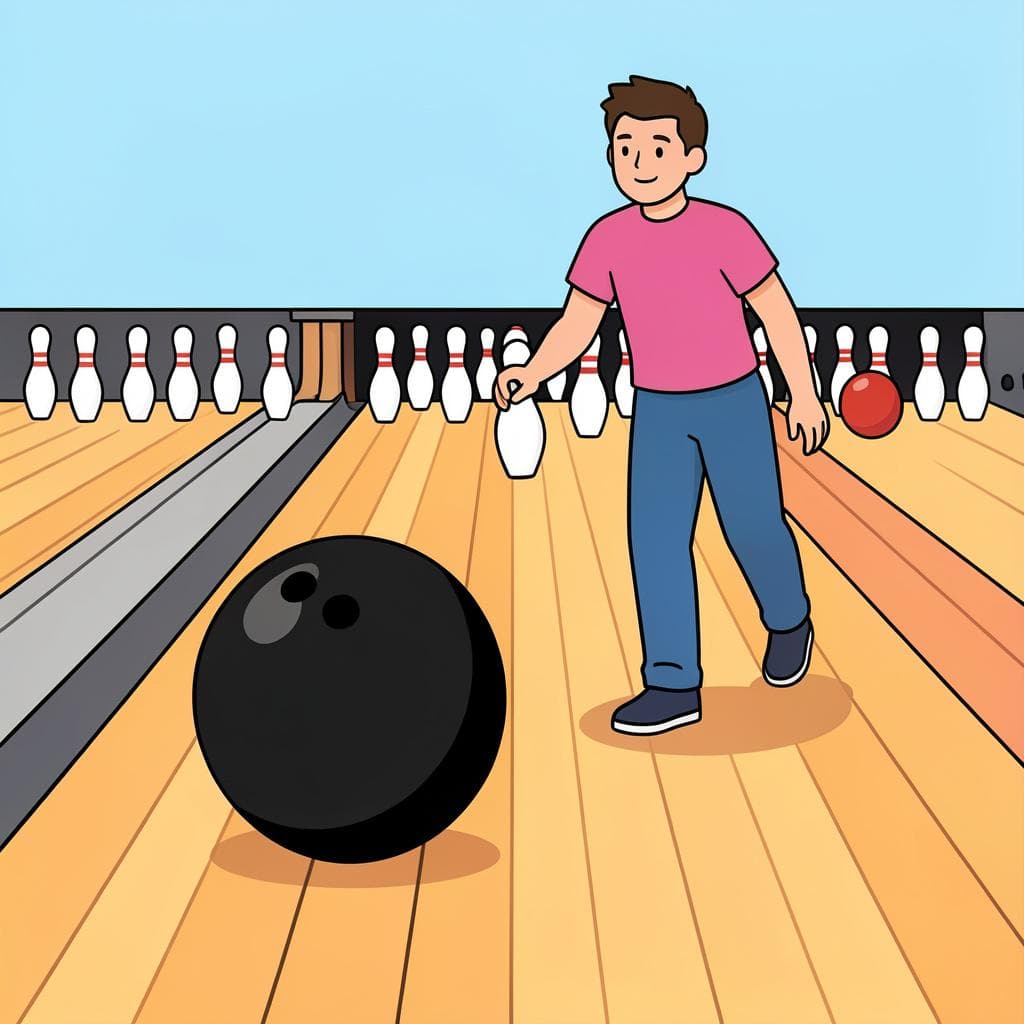
bowling
“Me encanta jugar a los bolos los sábados.”
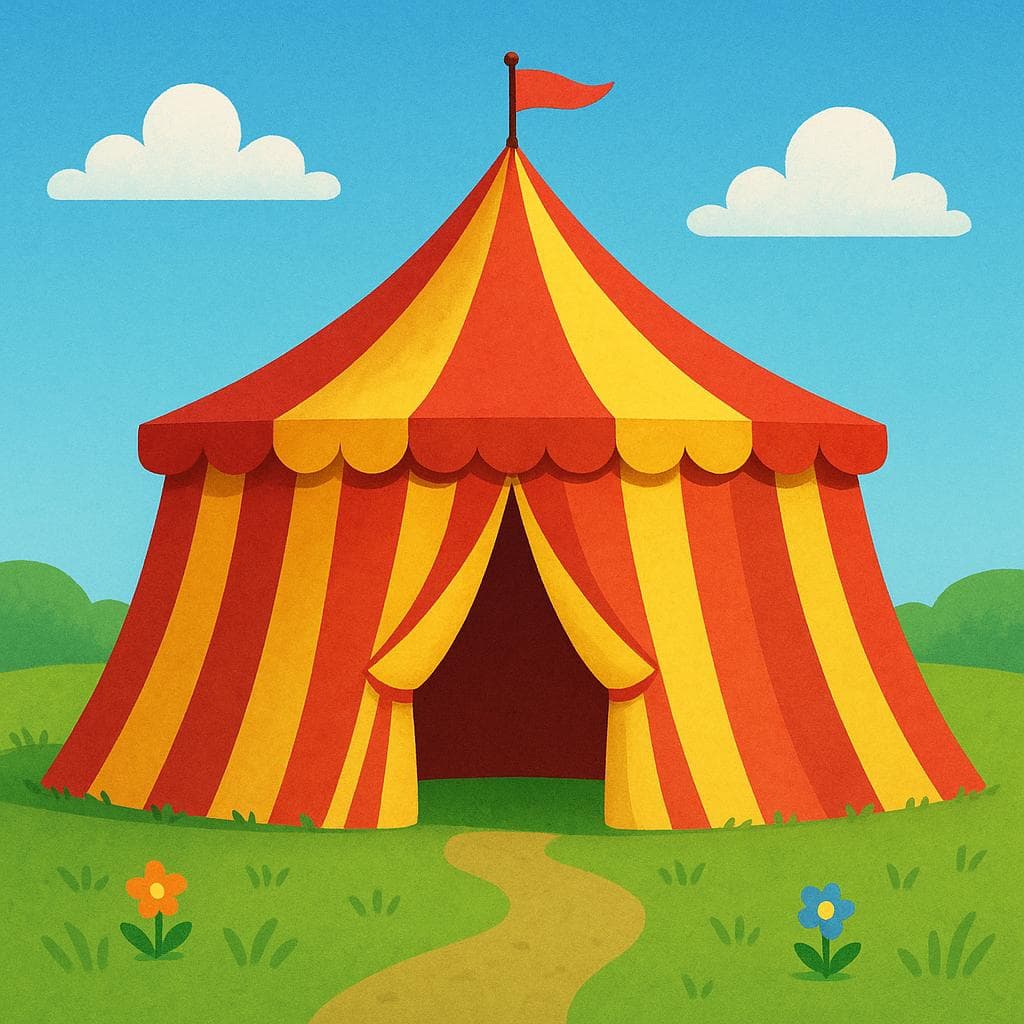
circus
“Fuimos al circo y vimos un espectáculo increíble con acróbatas.”
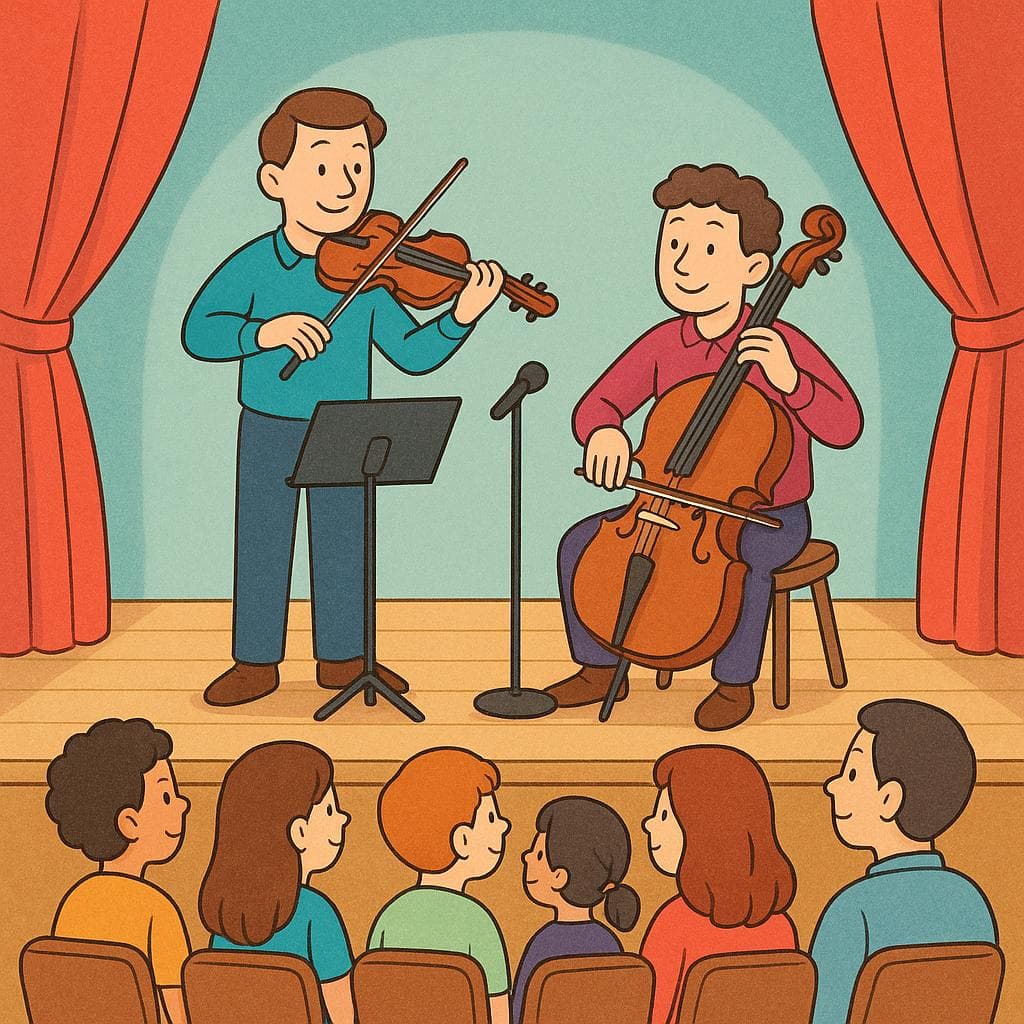
concert
“Fui a un concierto de rock anoche, fue increíble.”

golf
“Vamos a jugar al golf este fin de semana.”
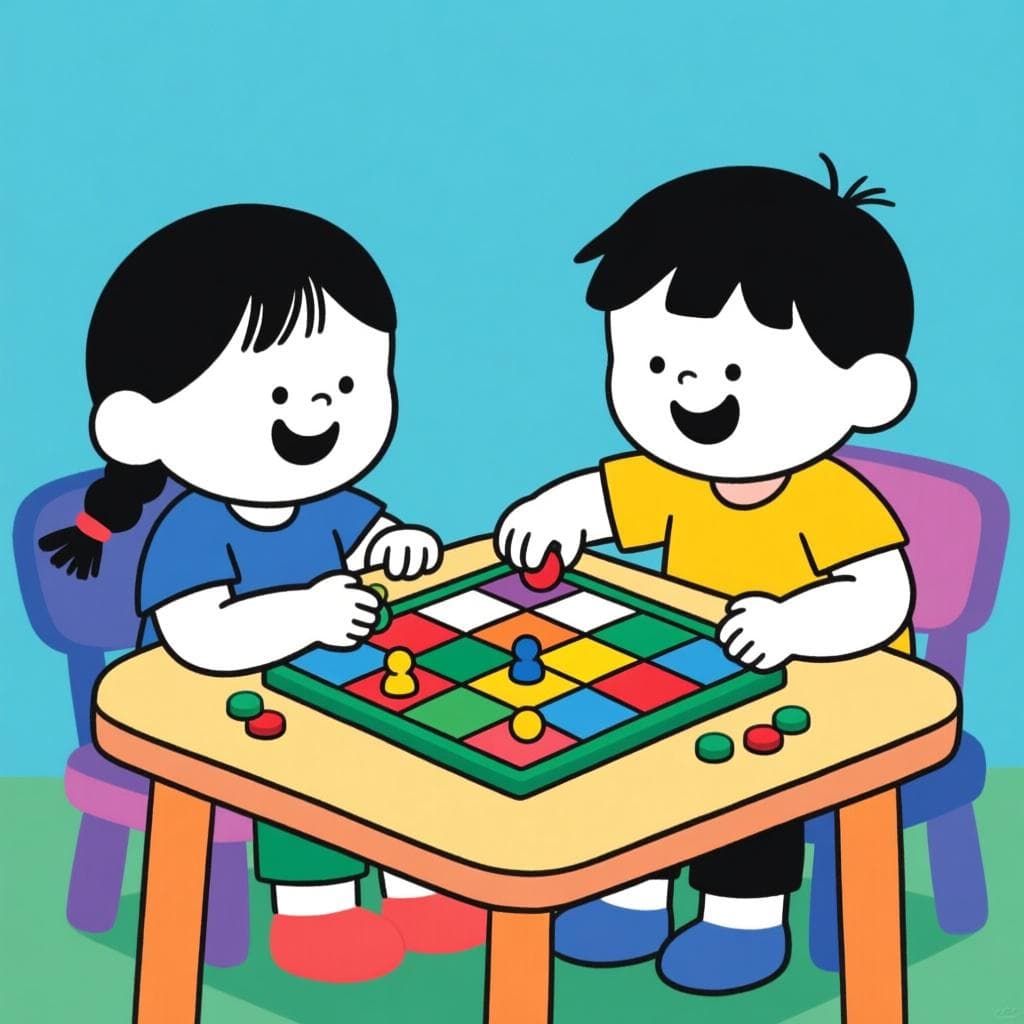
game
“El fútbol es mi juego favorito.”
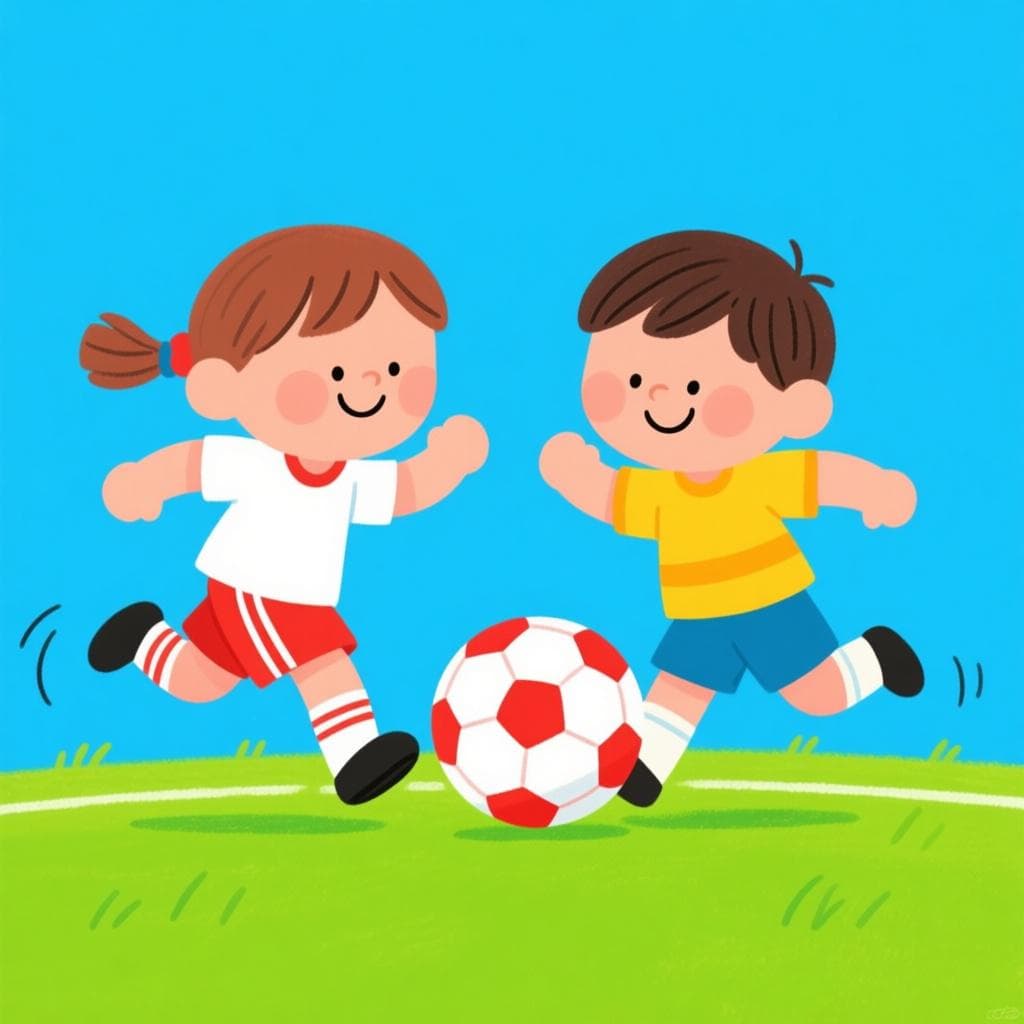
to play
“Los niños juegan en el parque todas las tardes.”

lottery
“Compramos un billete de lotería para el sorteo de Navidad.”
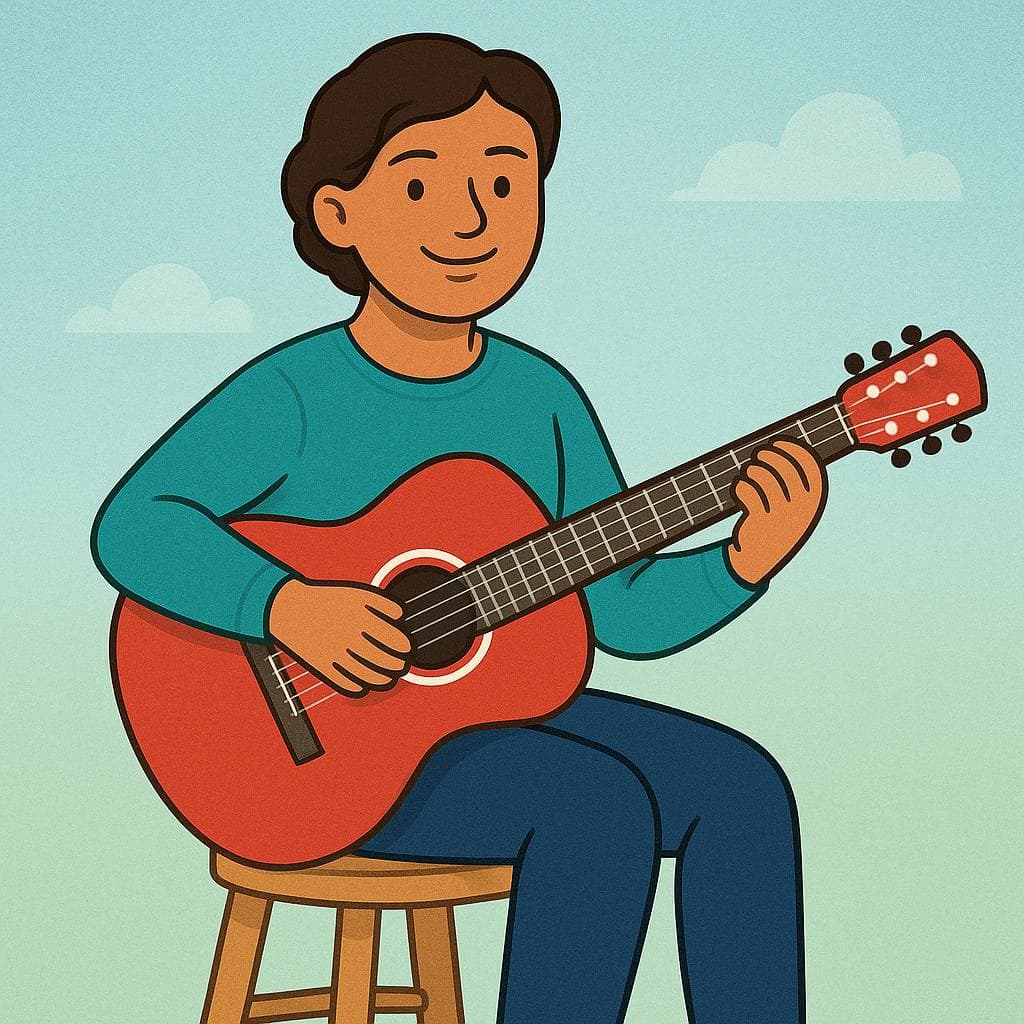
musician
“Mi hermano es un músico muy talentoso.”
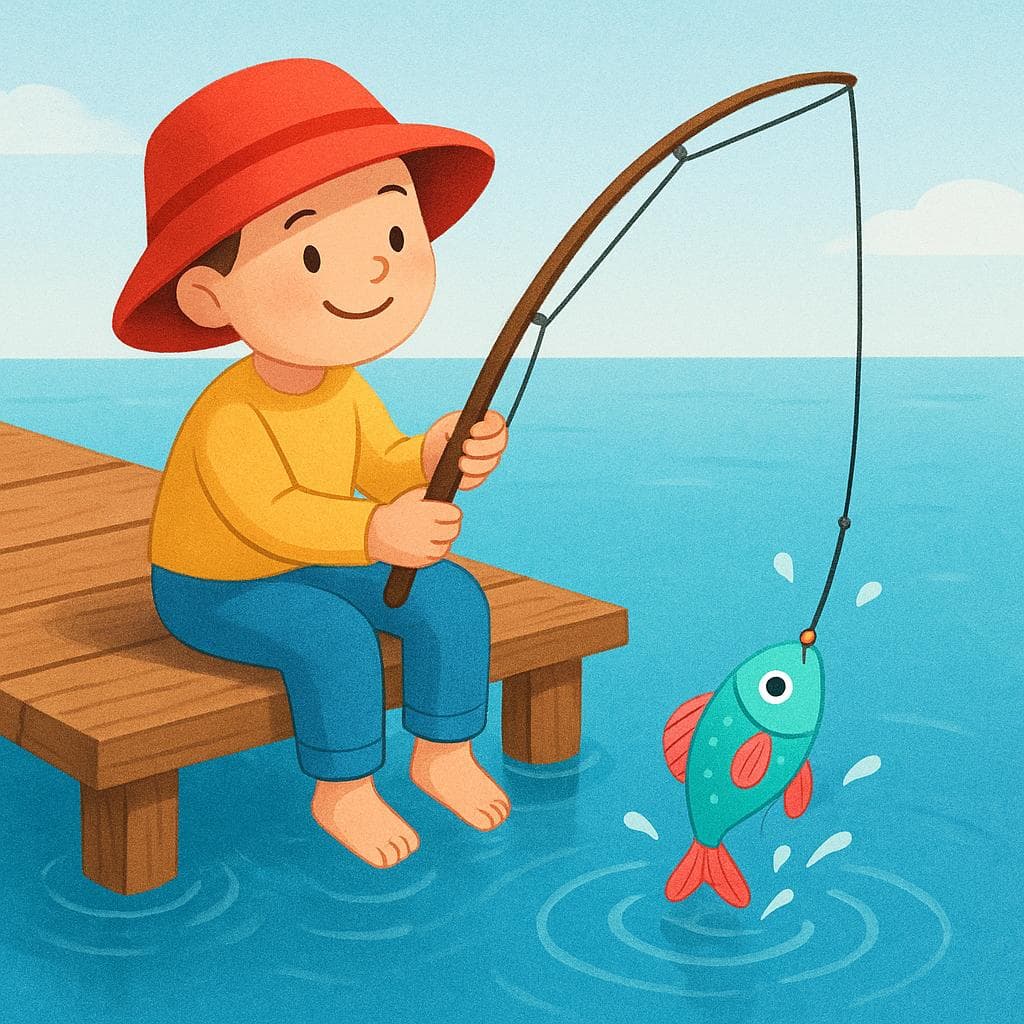
to fish
“Mi abuelo siempre va a pescar los domingos por la mañana.”
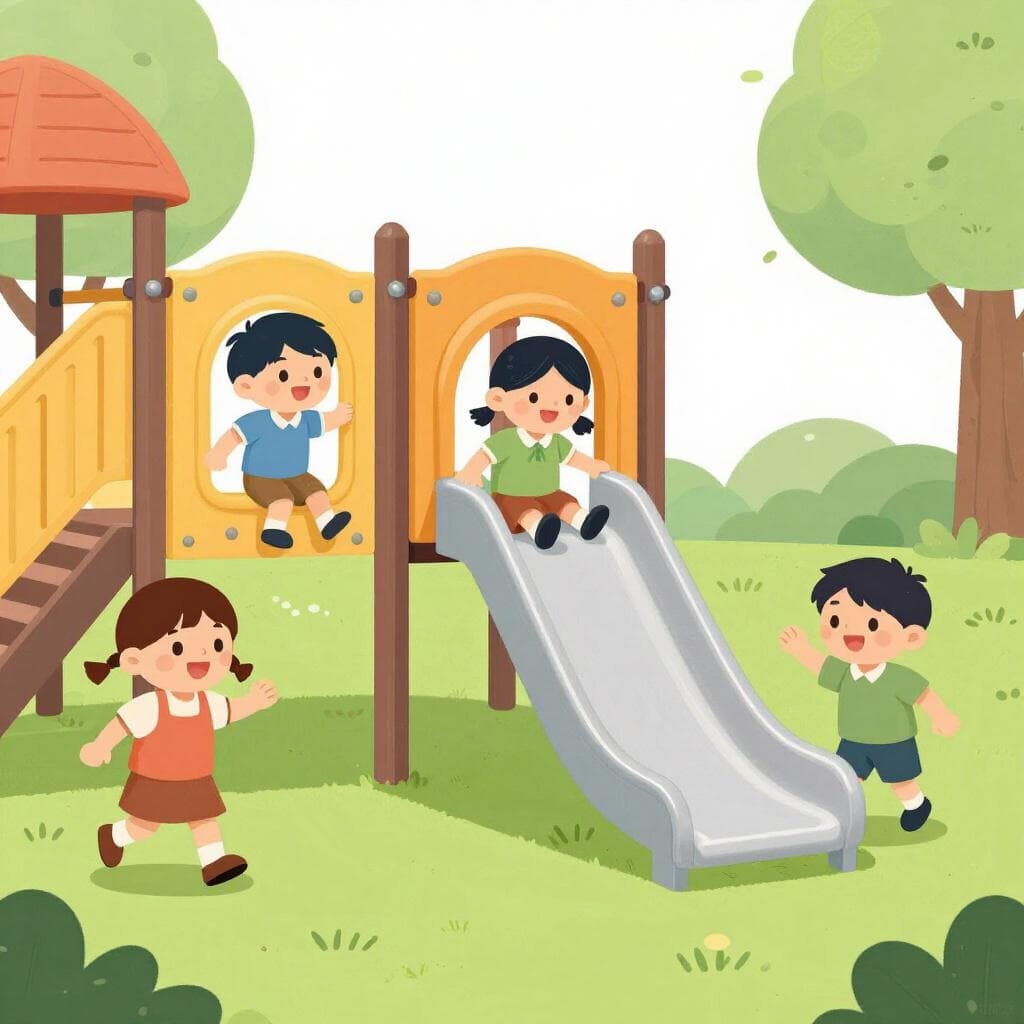
recess
“Los niños juegan al fútbol en el recreo.”
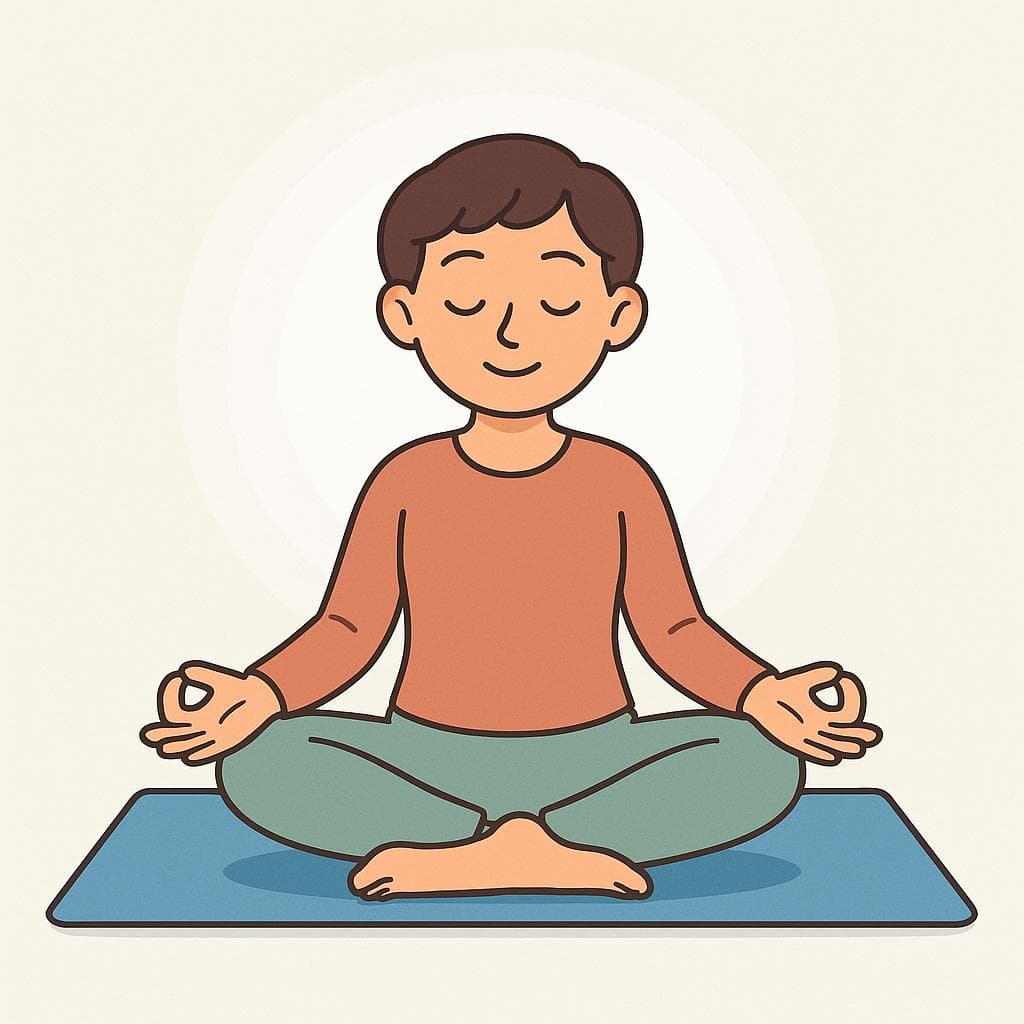
yoga
“Hago yoga dos veces por semana para relajarme.”

bingo
“¿Quieres venir a jugar al bingo con nosotros esta noche?”
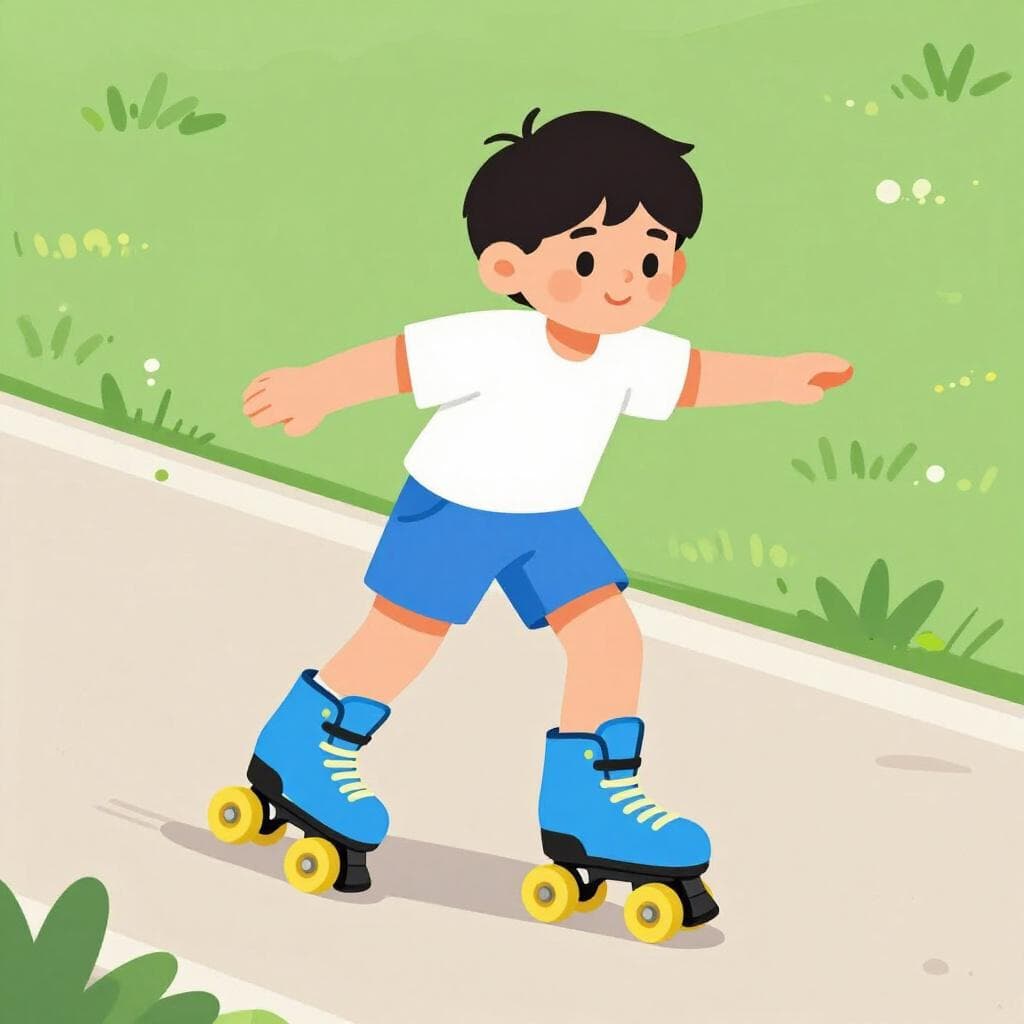
to skate
“Me gusta patinar en el parque con mis amigos.”
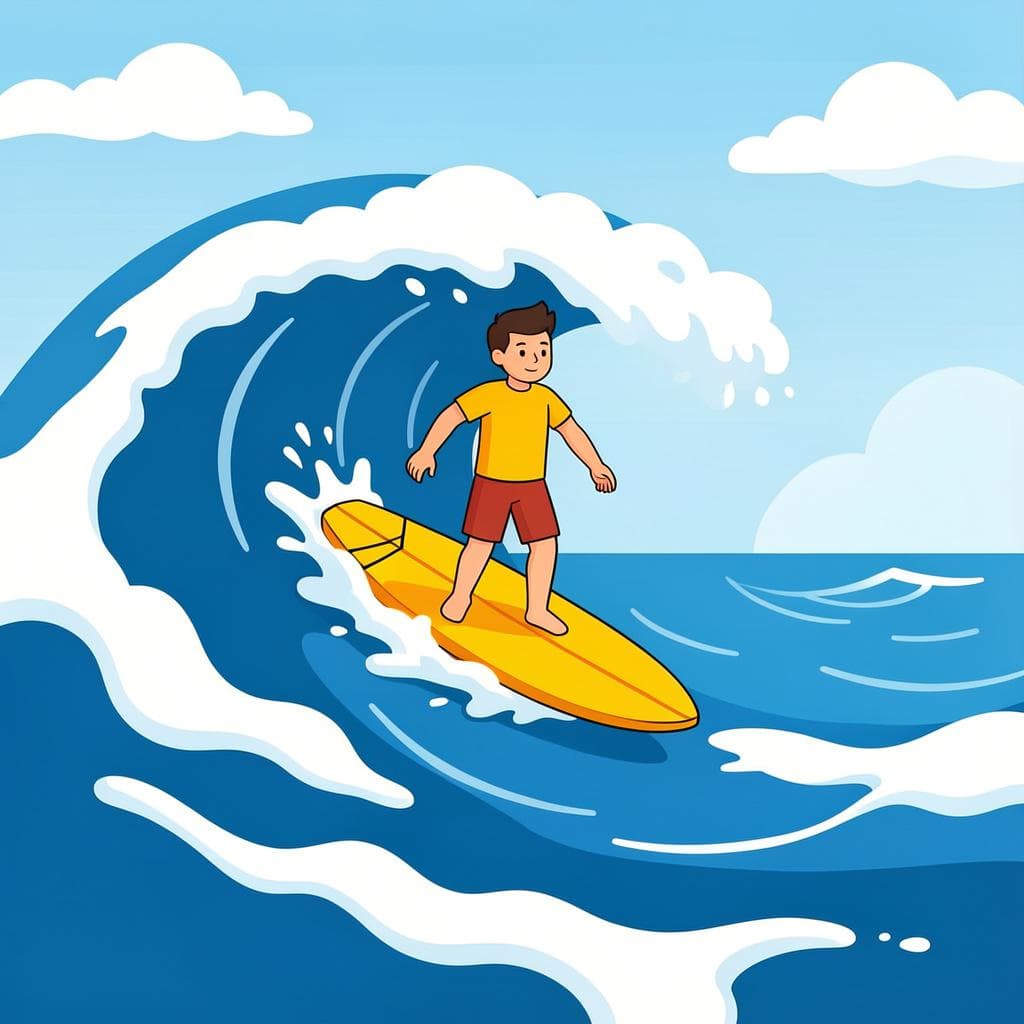
surfing
“Mi hermano quiere practicar surf este fin de semana.”
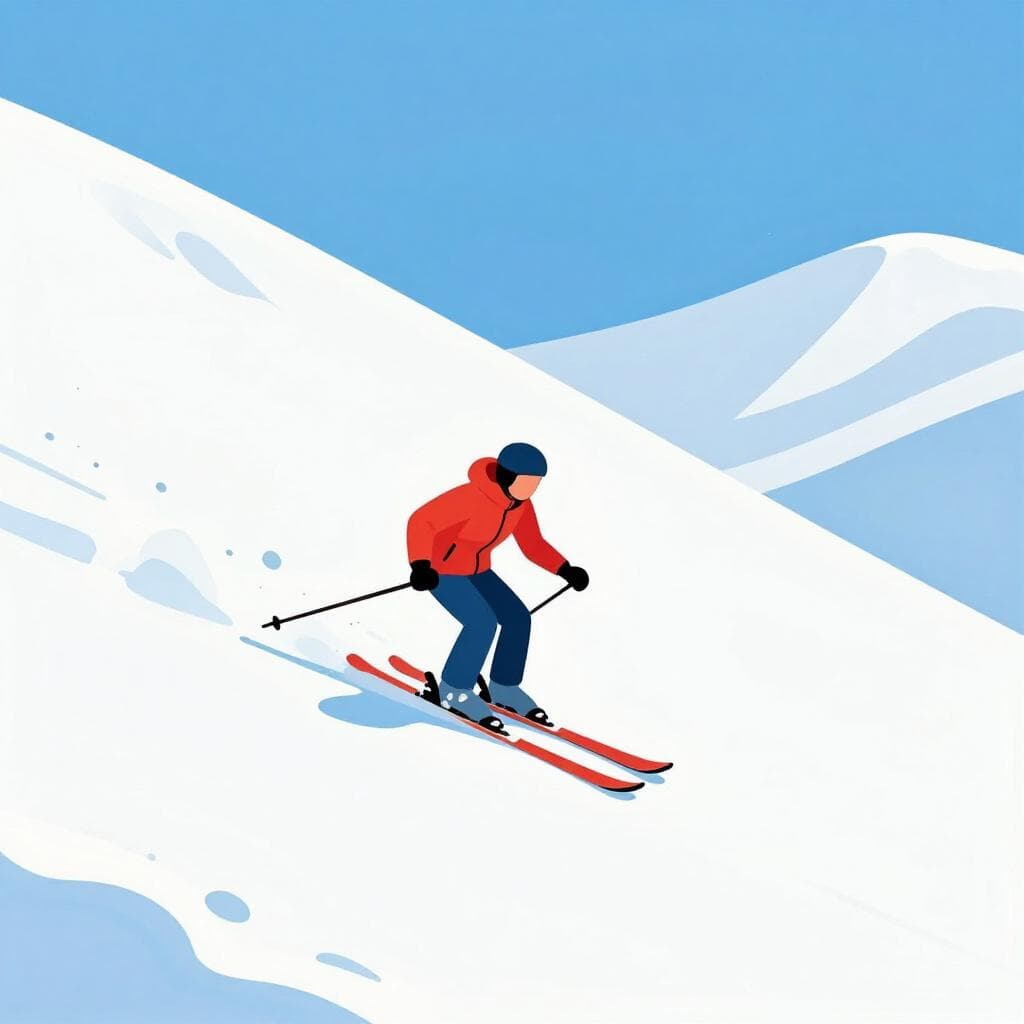
to ski
“Me gusta esquiar en las montañas durante el invierno.”
A2 — Elementary (16 words)
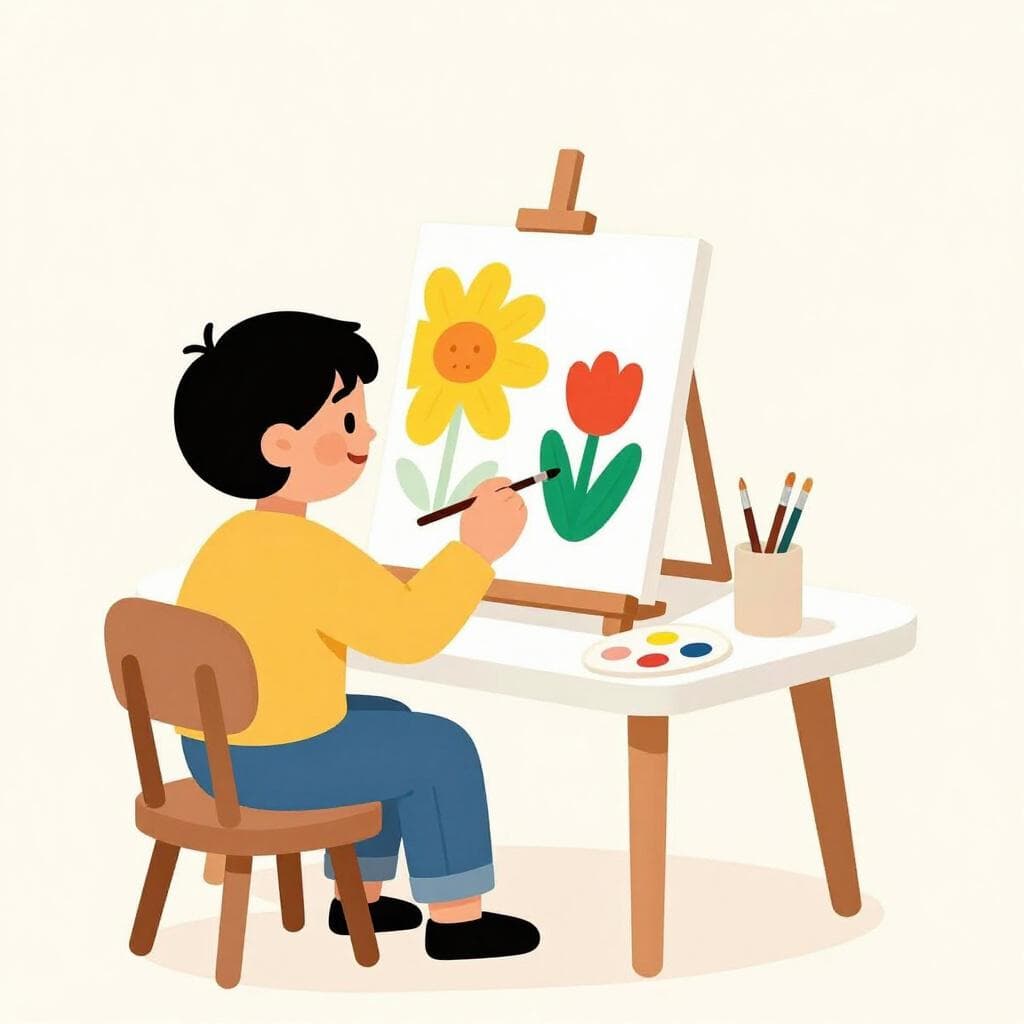
hobby
“Mi gran afición es la fotografía de paisajes.”

fan
“Mi hermano es un gran aficionado al Real Madrid.”
animation
“Me encanta la animación de esta película.”
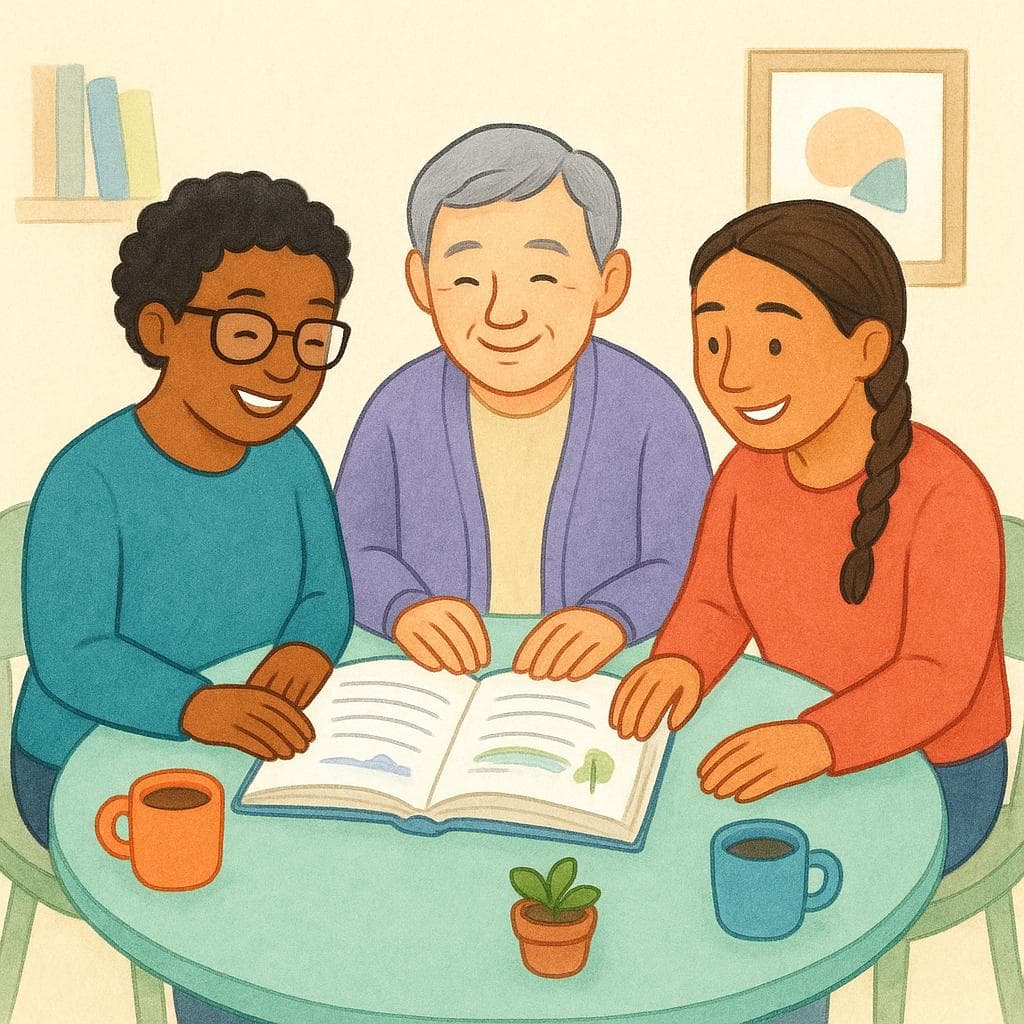
club
“Me uní a un club de lectura para conocer gente.”

fair
“Todos los años vamos a la feria del pueblo en agosto.”
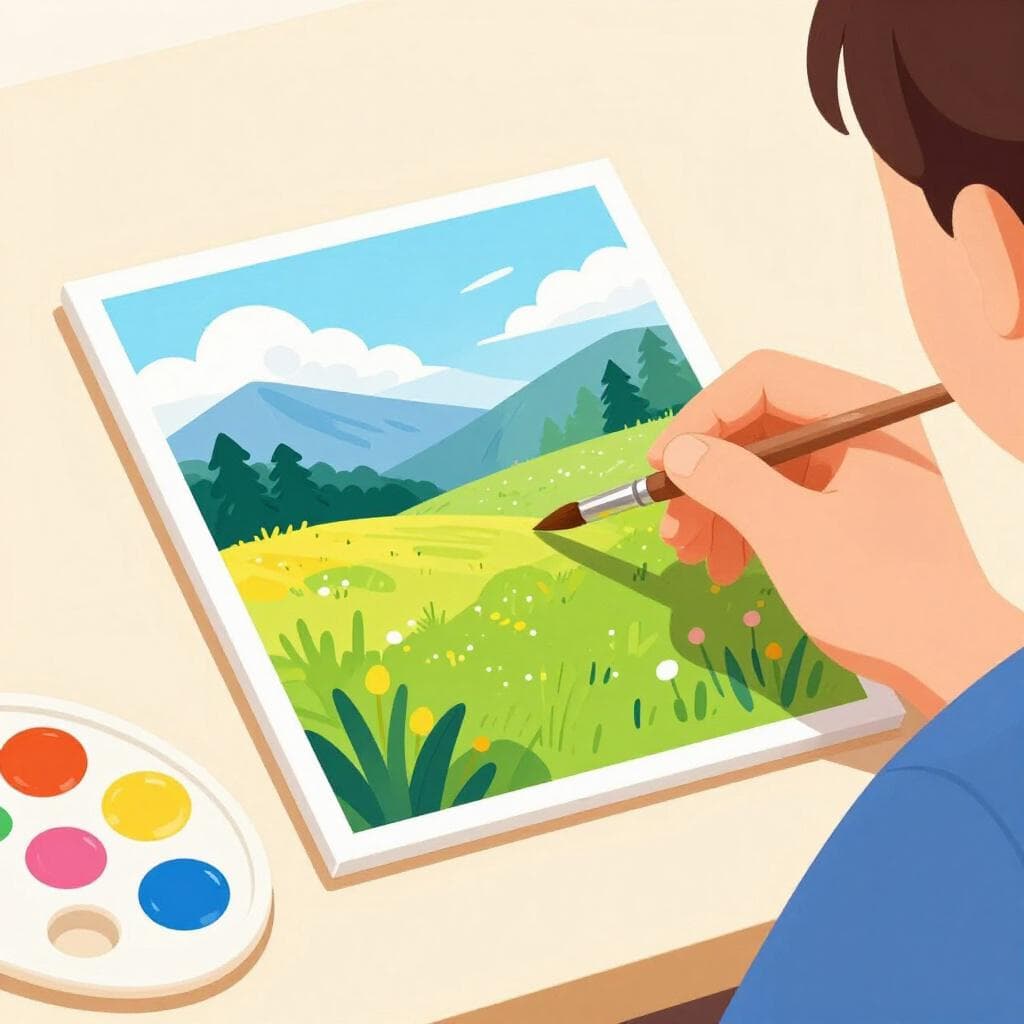
hobby
“Mi pasatiempo favorito es la fotografía.”

to camp
“Queremos acampar cerca del lago este fin de semana.”
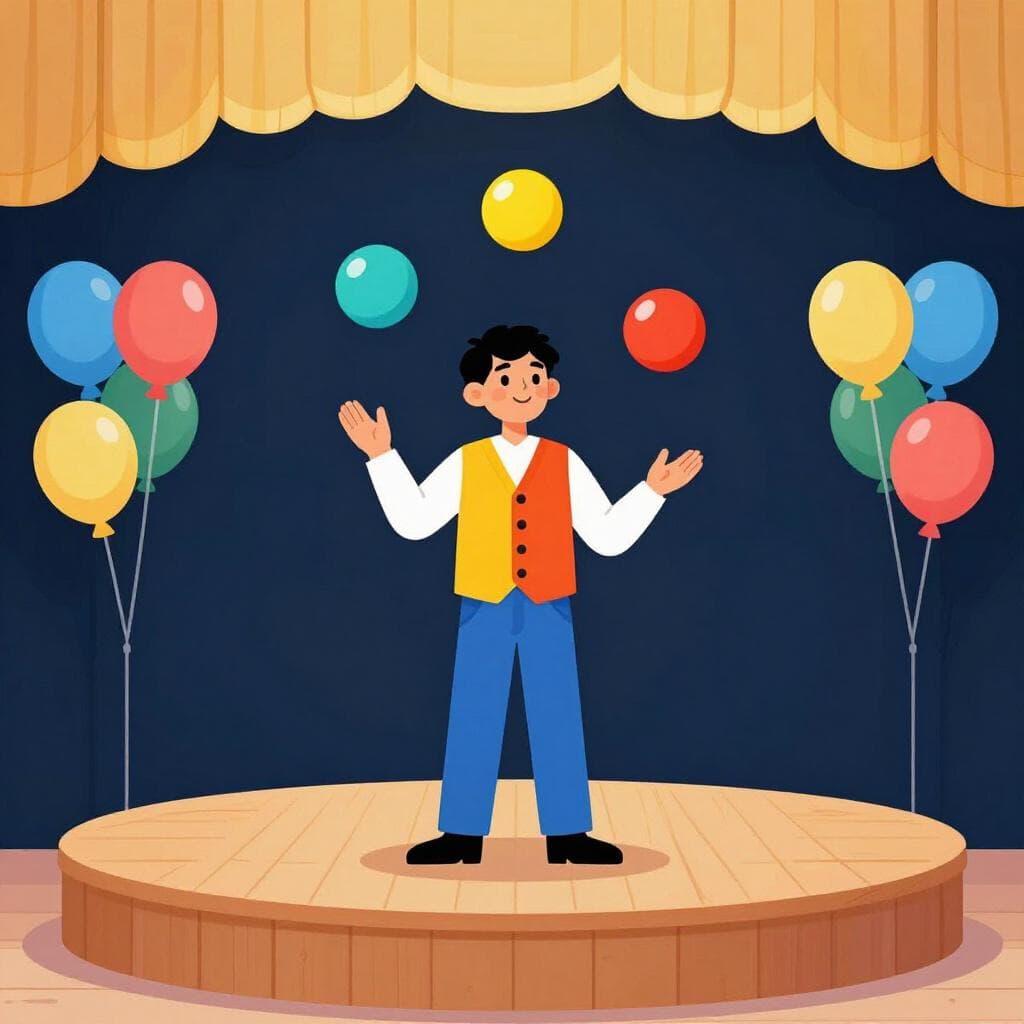
entertainer
“El animador del hotel organizó un concurso de baile.”
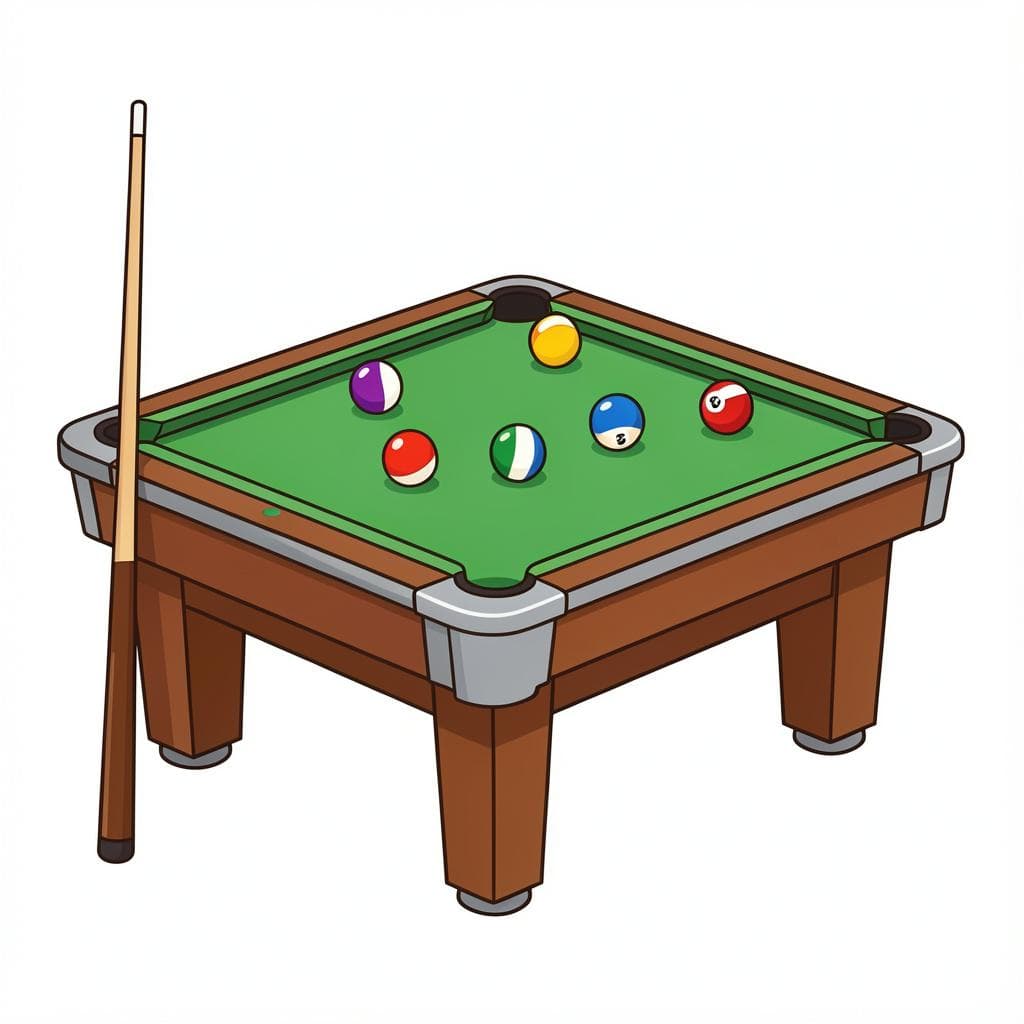
billiards
“Me encanta jugar al billar después de cenar.”
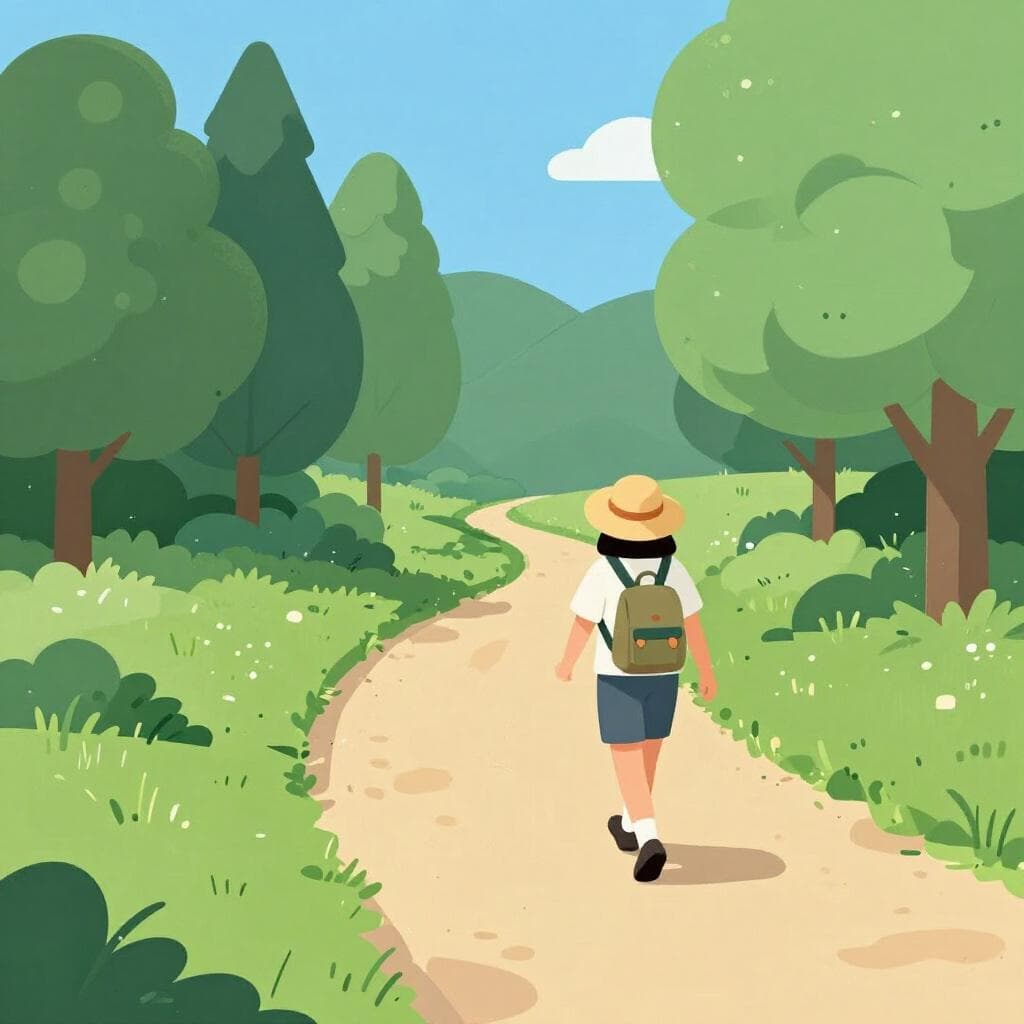
long walk
“Damos una caminata por el parque todas las mañanas.”
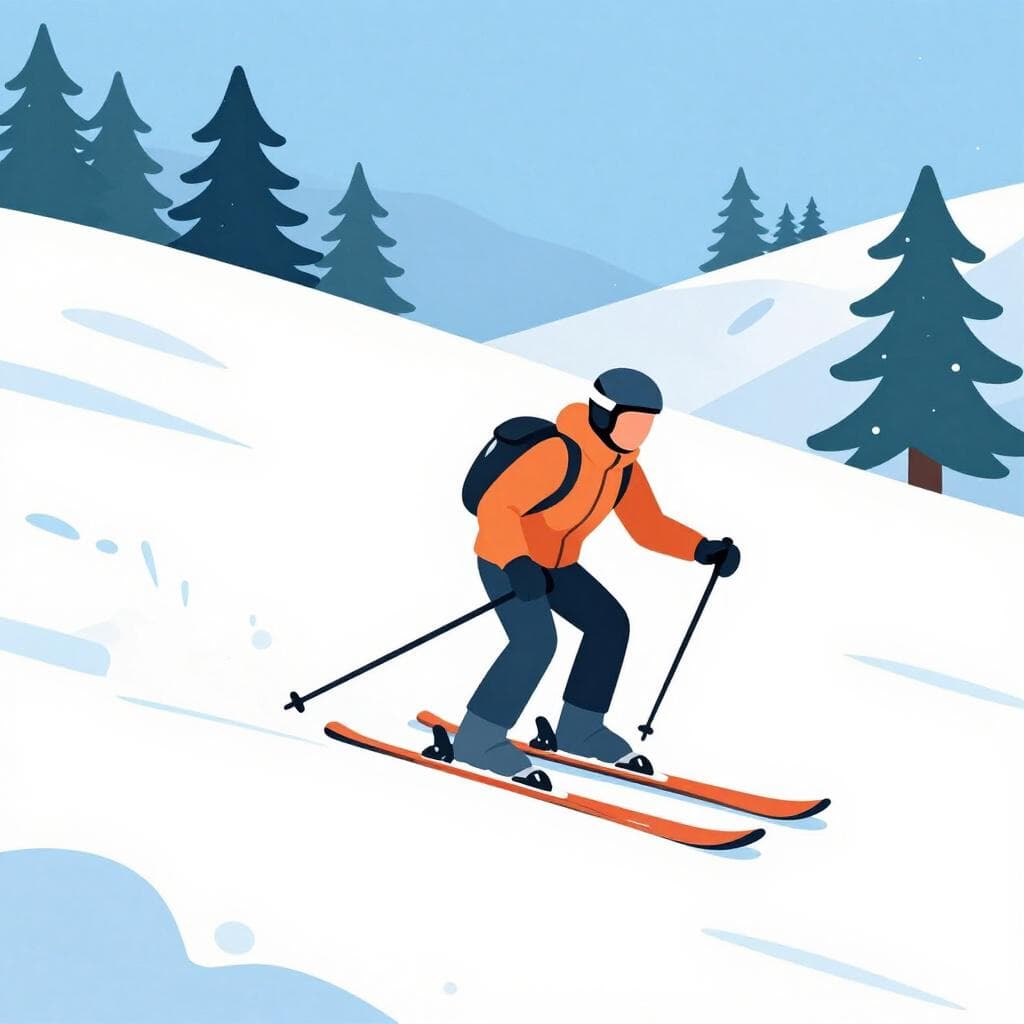
skiing
“Me encanta el esquí, pero hace mucho frío.”
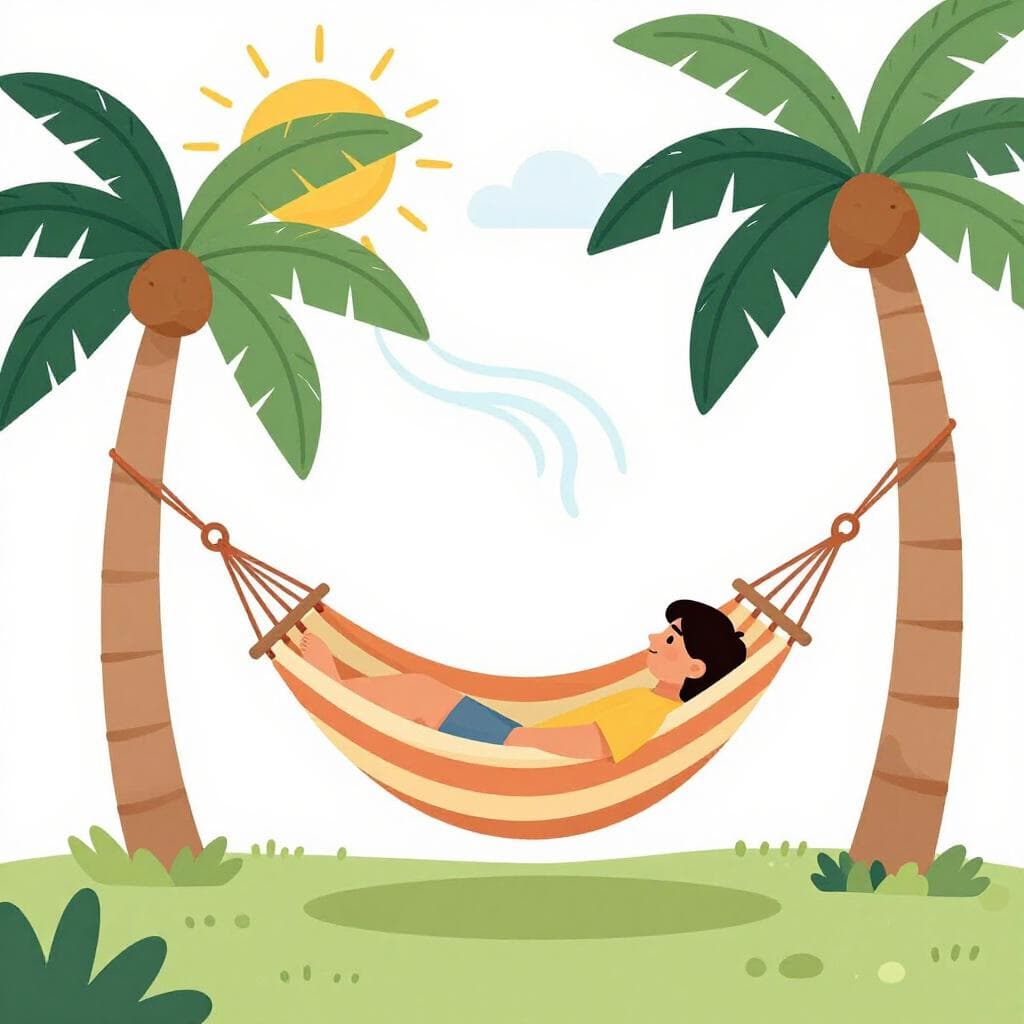
leisure
“En mi tiempo de ocio, me gusta ir al cine y leer.”
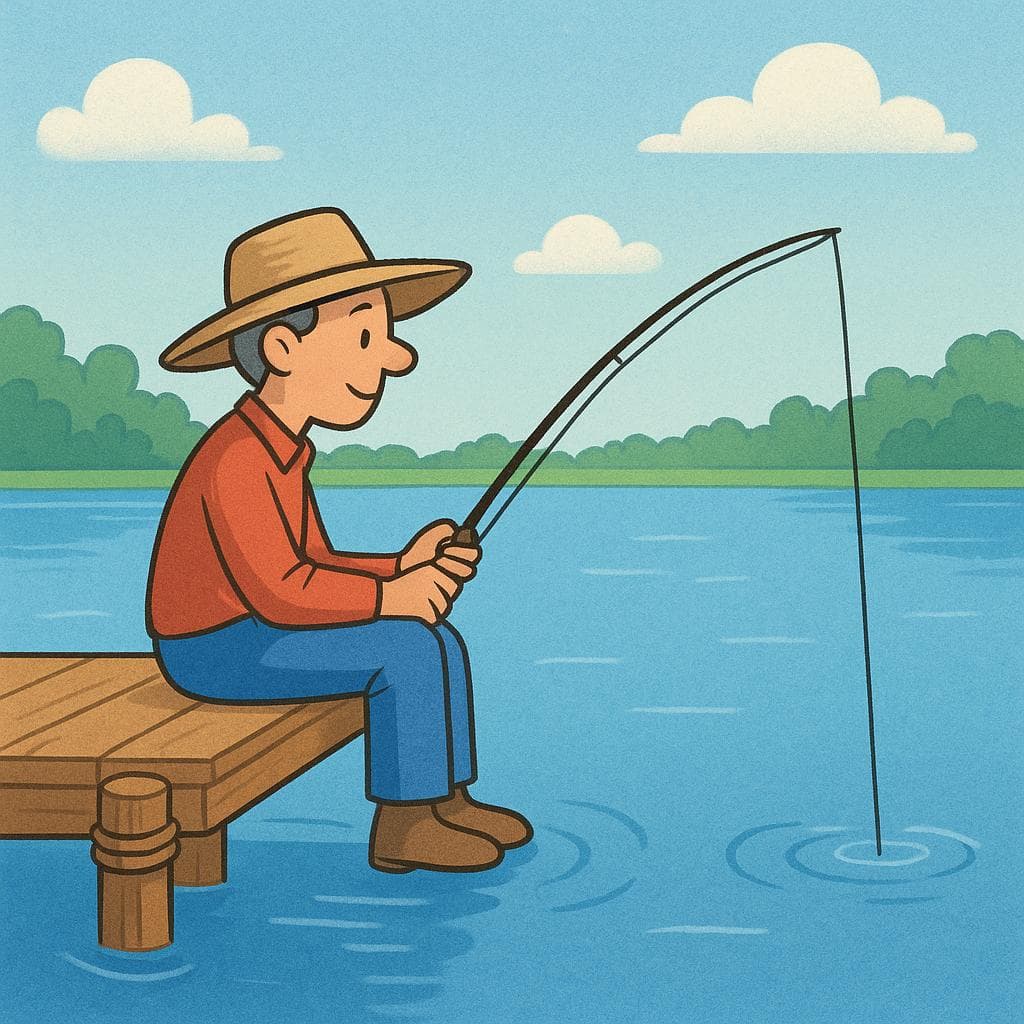
fishing
“Fuimos de pesca en el mar Caribe y fue muy divertido.”

poker
“No soy muy bueno jugando al póquer.”
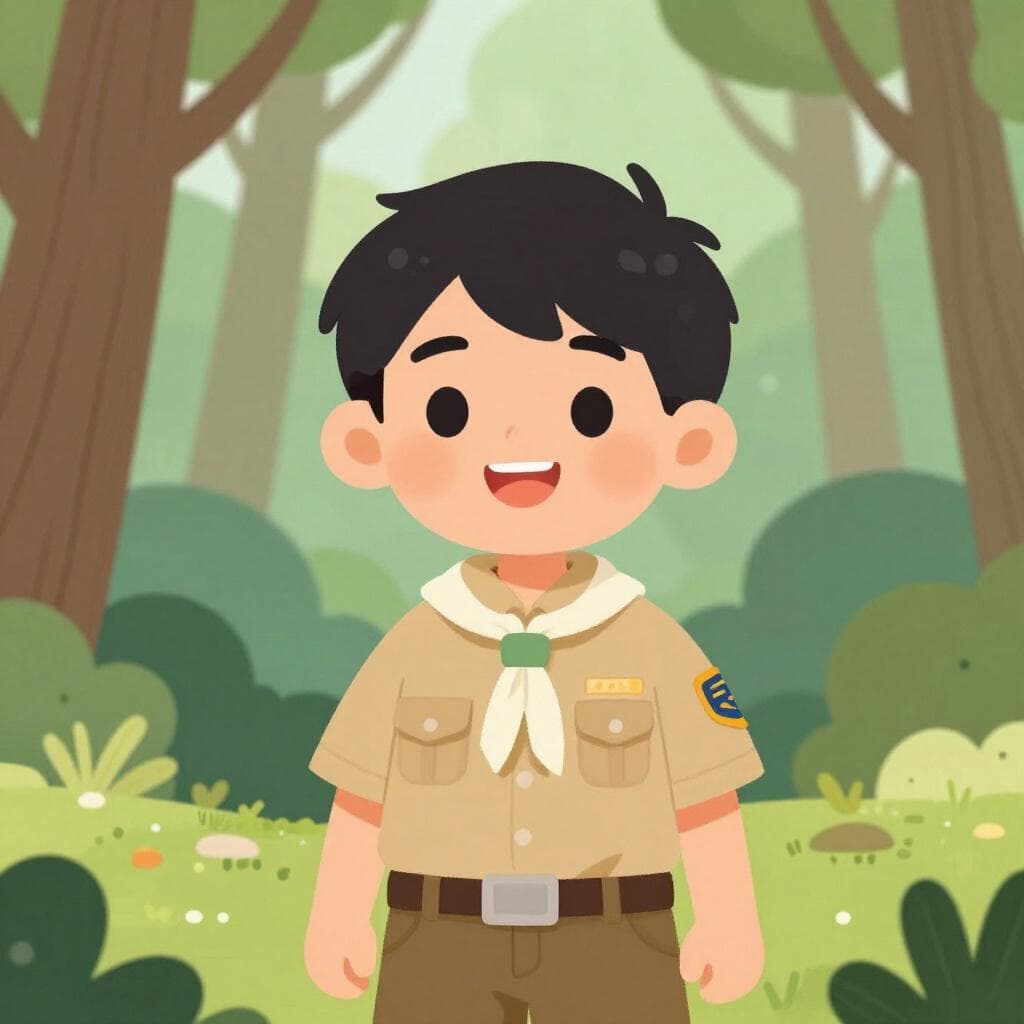
scout
“Mi hermano es scout y siempre va de campamento.”

to knit
“Mi abuela me teje un suéter de lana para el invierno.”
B1 — Intermediate (4 words)

lovers
“Los amantes se veían en un café discreto todas las tardes.”

bets
“Las apuestas deportivas son muy populares en este país.”
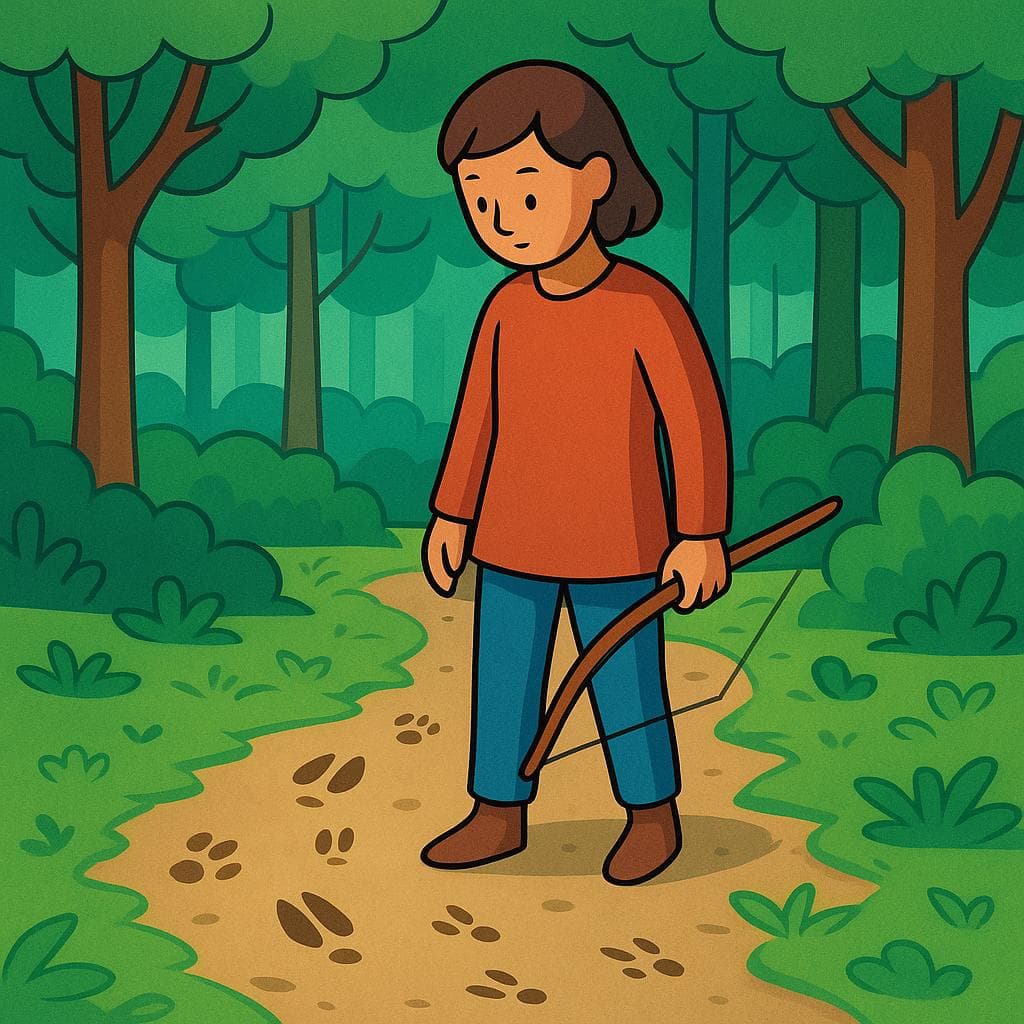
hunt
“El rey organizó una gran cacería en el bosque.”
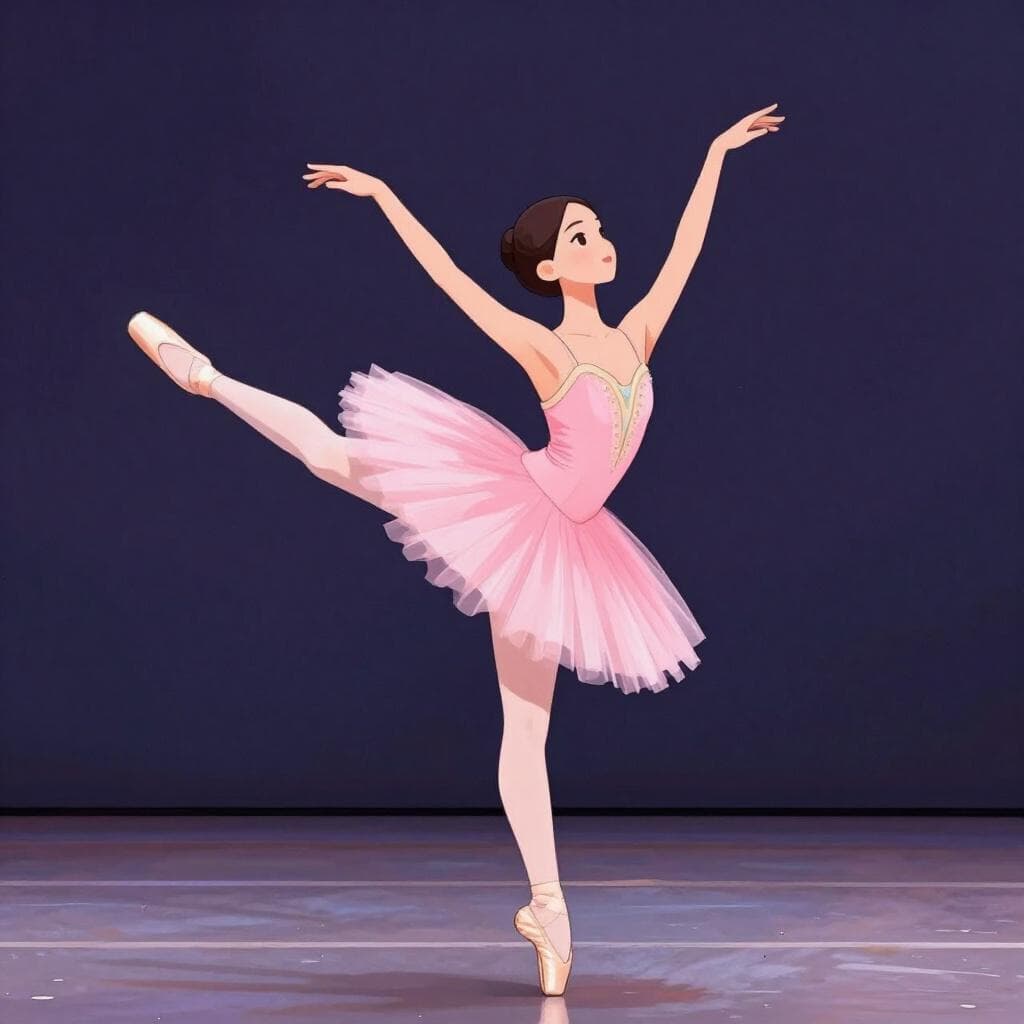
ballet
“Mi sobrina sueña con ser bailarina de ballet profesional.”
B2 — Upper Intermediate (1 words)
lover
“Mi abuelo siempre fue un gran amante de la ópera.”
Grammar Tips
Using 'gustar' for Hobbies
Spanish often uses the verb 'gustar' (to be pleasing to) for expressing likes. So, instead of 'I like to dance,' you'd say 'Me gusta bailar' (Dancing is pleasing to me). For plural hobbies, use 'Me gustan' (e.g., 'Me gustan los bolos' - I like bowling).
Nouns for Activities
Many hobbies are expressed with infinitive verbs (like 'nadar' - to swim) or nouns derived from verbs (like 'natación' - swimming). Pay attention to the gender of these nouns, as they'll affect any accompanying articles or adjectives (e.g., 'la natación' vs. 'el ajedrez').
Expressing Skill Level
To talk about how good you are at a hobby, use 'ser bueno/a en' or 'ser malo/a en'. Remember to agree the adjective 'bueno/a' or 'malo/a' with your gender. For example, 'Soy buena en la jardinería' (I am good at gardening - female speaker) or 'Soy un aficionado al fútbol' (I am a fan of soccer - male speaker).
Common Mistakes
Incorrect Verb for Likes
Mistake: “Yo gusto leer libros.”
Correction: Me gusta leer libros. — The verb 'gustar' works differently; the subject of the sentence is the thing being liked, and 'me' is the indirect object pronoun meaning 'to me'.
Misplaced Adjectives
Mistake: “Yo soy un aficionado gran del cine.”
Correction: Yo soy un gran aficionado del cine. — Adjectives like 'gran' (great) often precede the noun they modify when used in this way, especially to emphasize a quality.
Gender Agreement with Nouns
Mistake: “La ajedrez es mi pasatiempo.”
Correction: El ajedrez es mi pasatiempo. — 'Ajedrez' (chess) is a masculine noun, so it requires the masculine article 'el'.
Cultural Notes
Siesta and Social Time
While the traditional 'siesta' is less common in big cities, the concept of dedicating time to leisure and social activities remains strong across Spanish-speaking cultures. Many hobbies revolve around community, like playing cards, gathering for meals, or watching sports together.
Varying Popularity of Sports
While soccer ('fútbol') is king in many Spanish-speaking countries, other sports have strong regional followings. In Spain, basketball and cycling are very popular. In Mexico, baseball is a major sport. Knowing local preferences can spark great conversations!