Sea Creatures in Spanish
Dive into the fascinating world of marine life with this Spanish vocabulary set! Learning these words will help you talk about everything from tiny shrimp to majestic whales, and it's super useful for travelers, nature lovers, or anyone interested in ocean ecosystems. Fun fact: Spanish often uses gendered nouns for animals, so you'll see different endings depending on whether you're talking about a male or female creature, or even just the general species!
Quick Reference
| Spanish | English | Example | Level |
|---|---|---|---|
ballena | whale | La ballena azul es el animal más grande que existe. | A1 |
bonito | pretty | Tu jardín es muy bonito. | A1 |
camarón | shrimp | Me encanta el ceviche de camarón. | A2 |
caracol | snail | Hay un caracol pequeño en esa planta. | A1 |
delfín | dolphin | Vimos un delfín saltando en el mar. | A1 |
dorado | golden | El sol de la mañana tiene un tono dorado precioso. | A1 |
peces | fish | Hay muchos peces de colores en el acuario. | A1 |
pez | fish | Vimos un pez muy grande nadando cerca de la orilla. | A1 |
pulpo | octopus | El pulpo tiene ocho tentáculos. | A1 |
sirena | siren | Oímos la sirena de la ambulancia a lo lejos. | A2 |
tiburón | shark | Vimos un documental sobre el tiburón blanco en la televisión. | A2 |
cangrejo | crab | Había muchos cangrejos en las rocas de la playa. | A2 |
A1 — Beginner (10 words)

whale
“La ballena azul es el animal más grande que existe.”

pretty
“Tu jardín es muy bonito.”
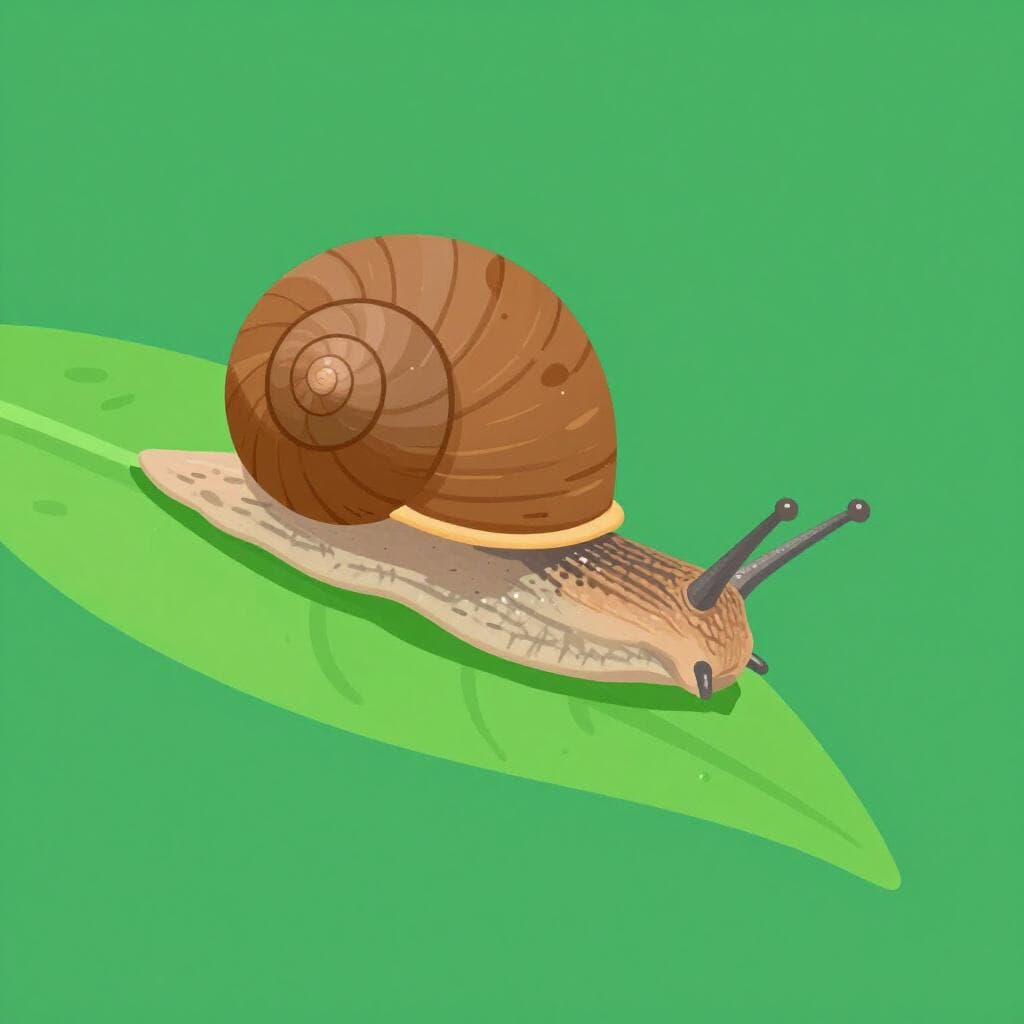
snail
“Hay un caracol pequeño en esa planta.”
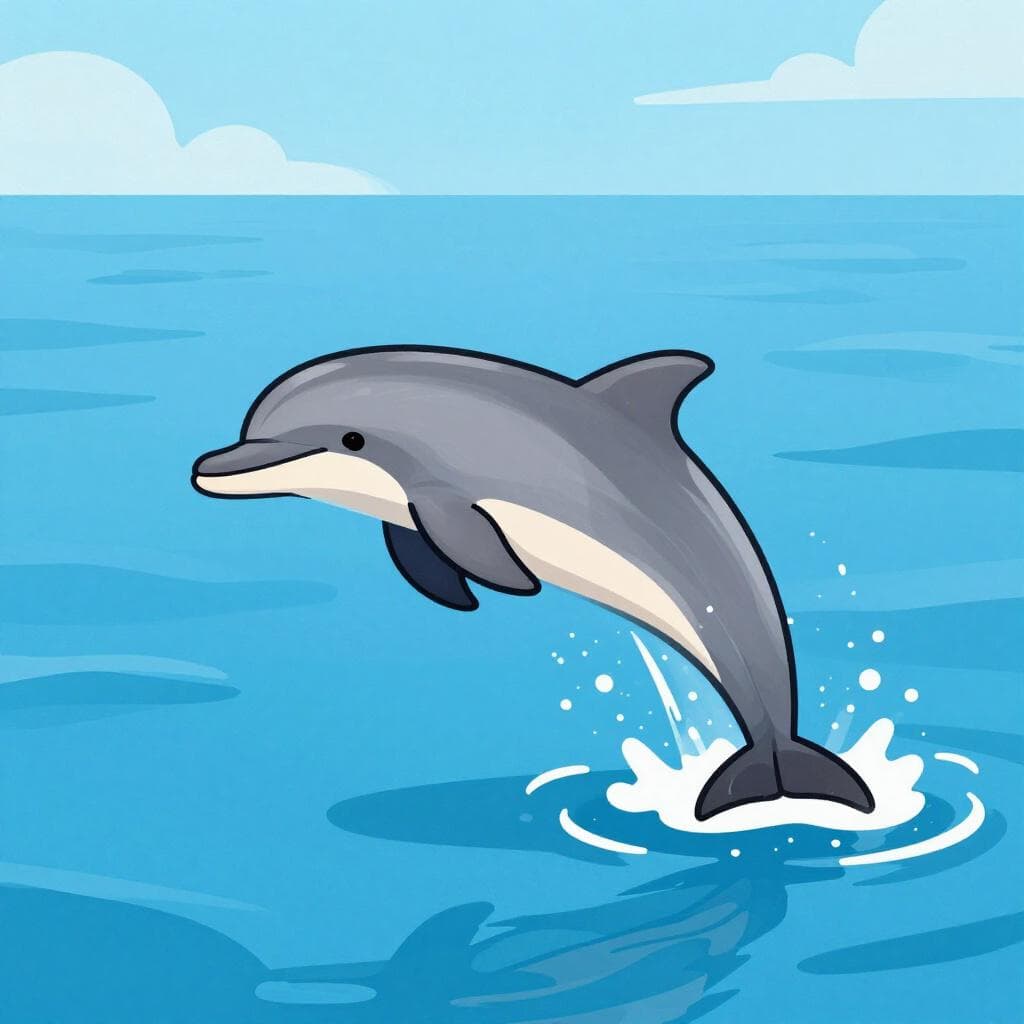
dolphin
“Vimos un delfín saltando en el mar.”

golden
“El sol de la mañana tiene un tono dorado precioso.”
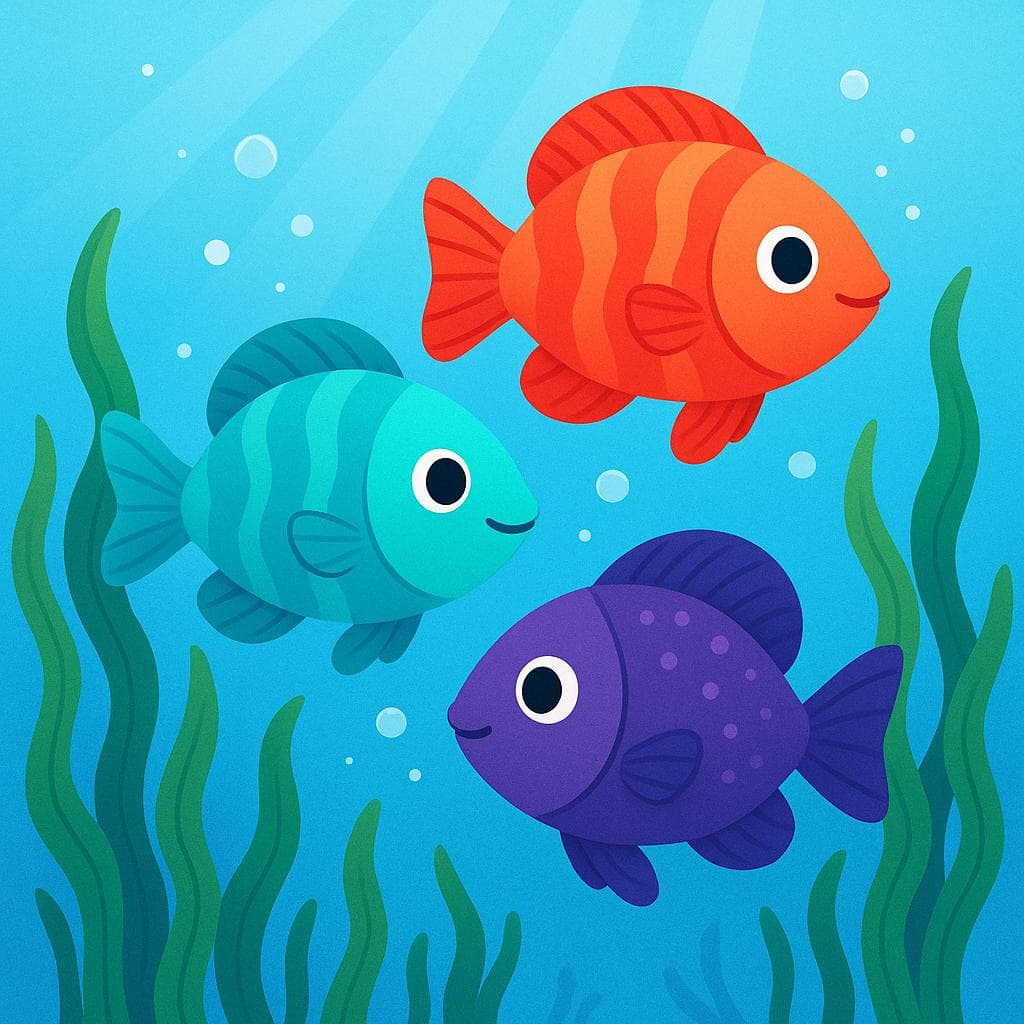
fish
“Hay muchos peces de colores en el acuario.”
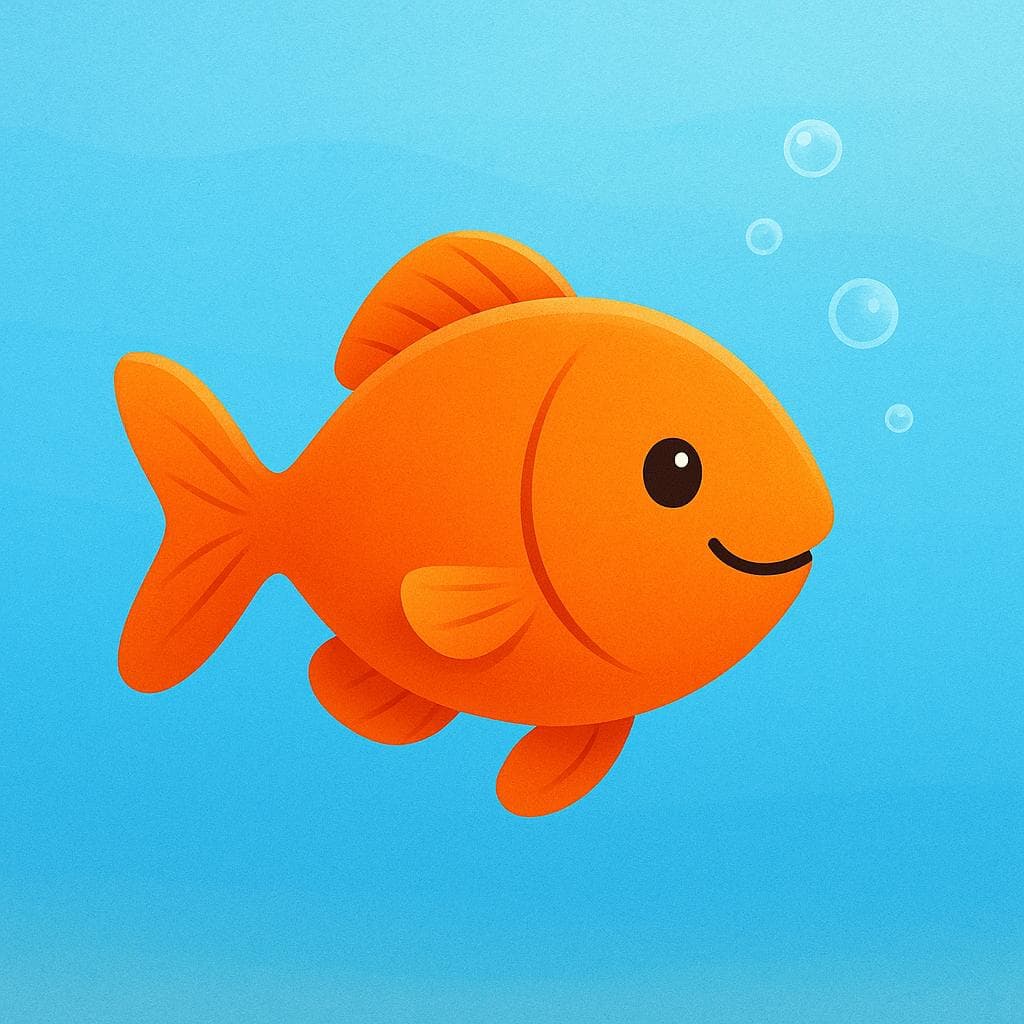
fish
“Vimos un pez muy grande nadando cerca de la orilla.”
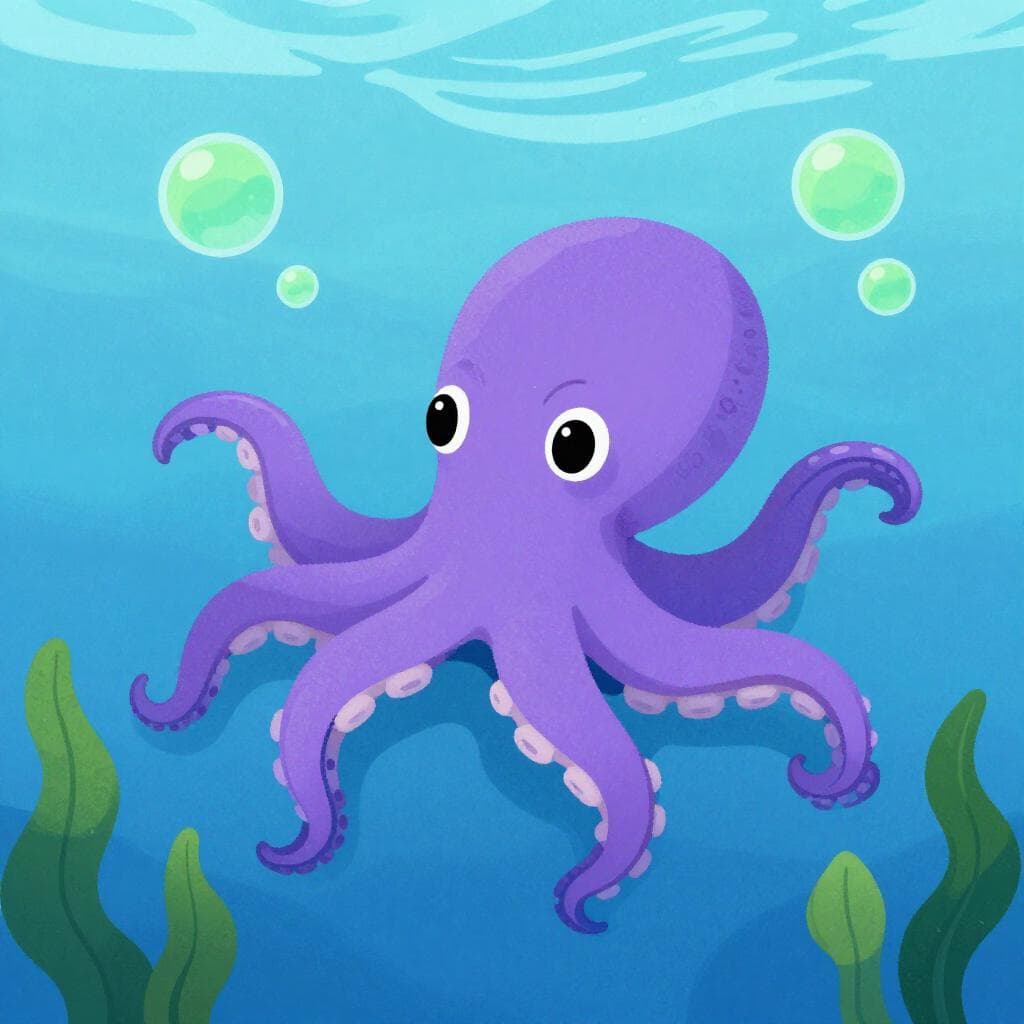
octopus
“El pulpo tiene ocho tentáculos.”
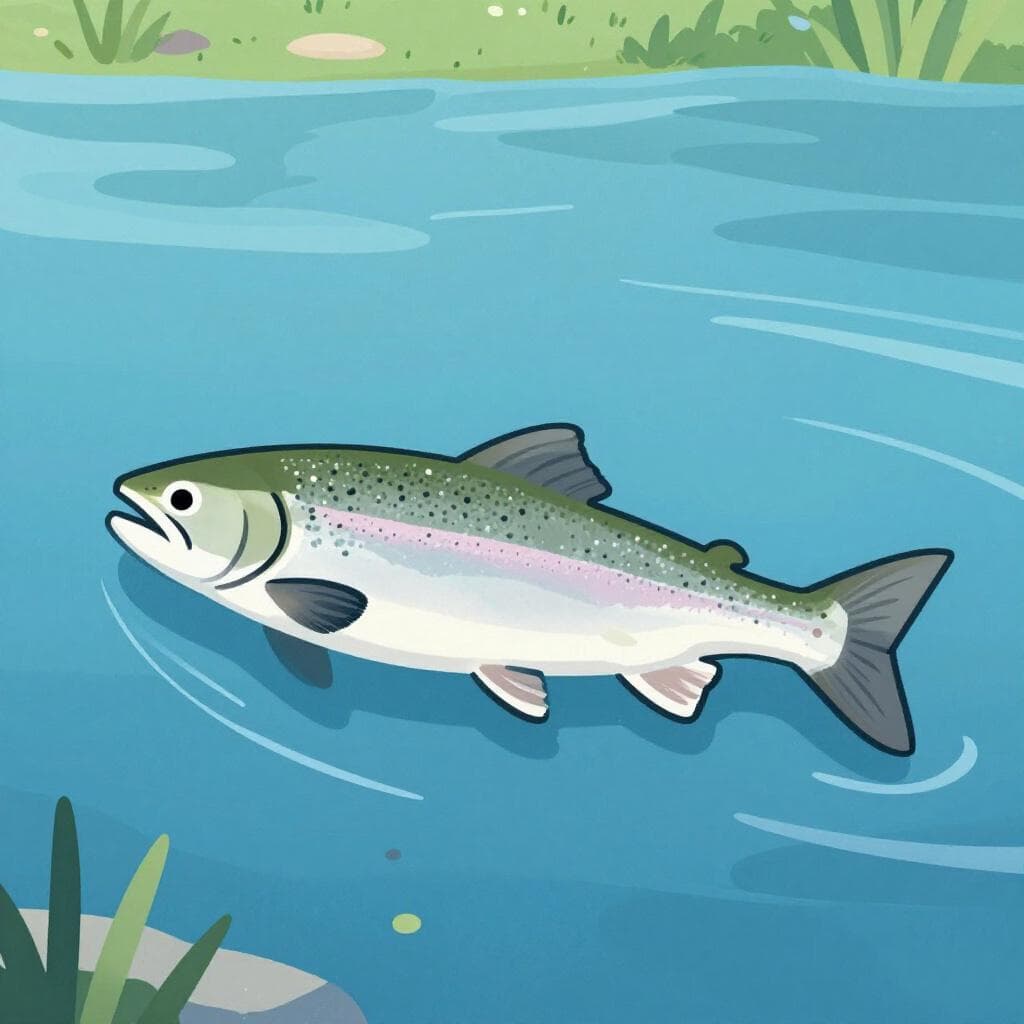
salmon
“El salmón nada río arriba para poner sus huevos.”
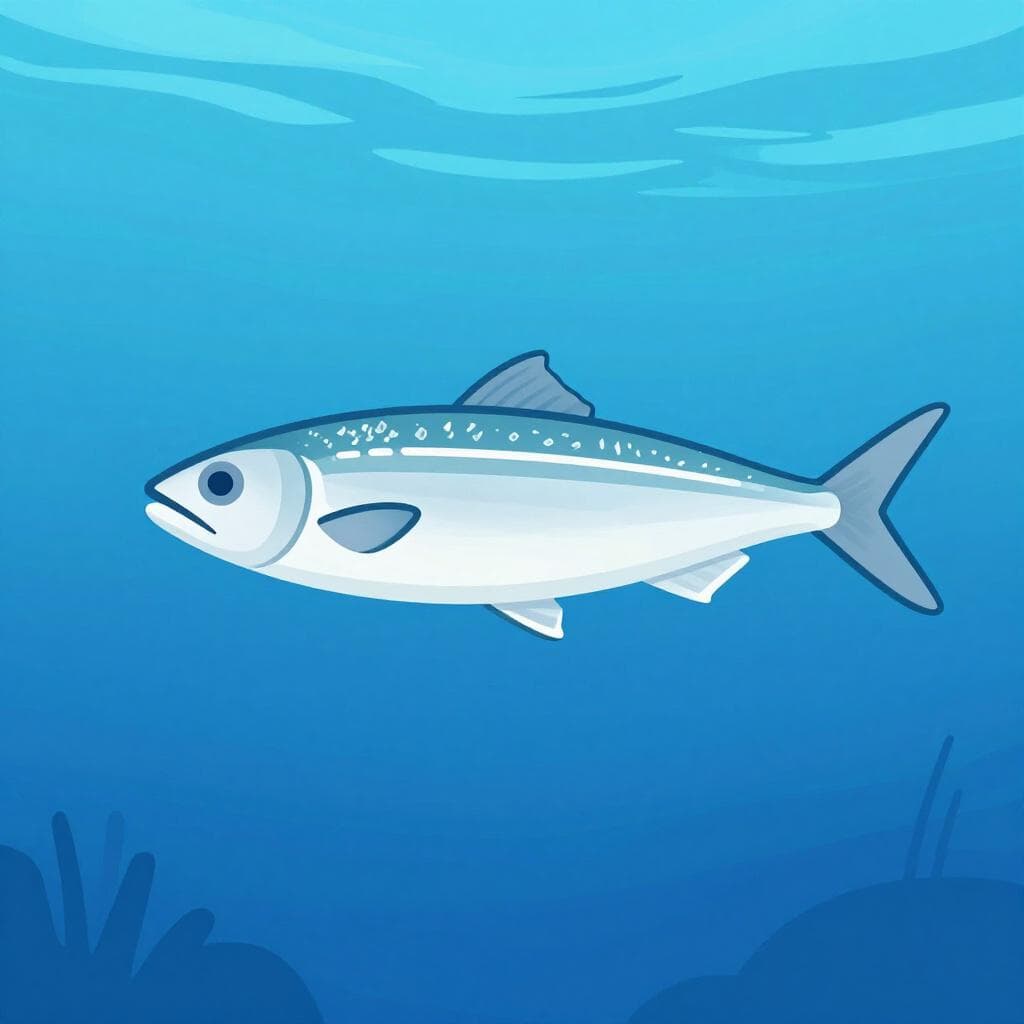
sardine
“Me gusta comer sardinas asadas con limón.”
A2 — Elementary (9 words)
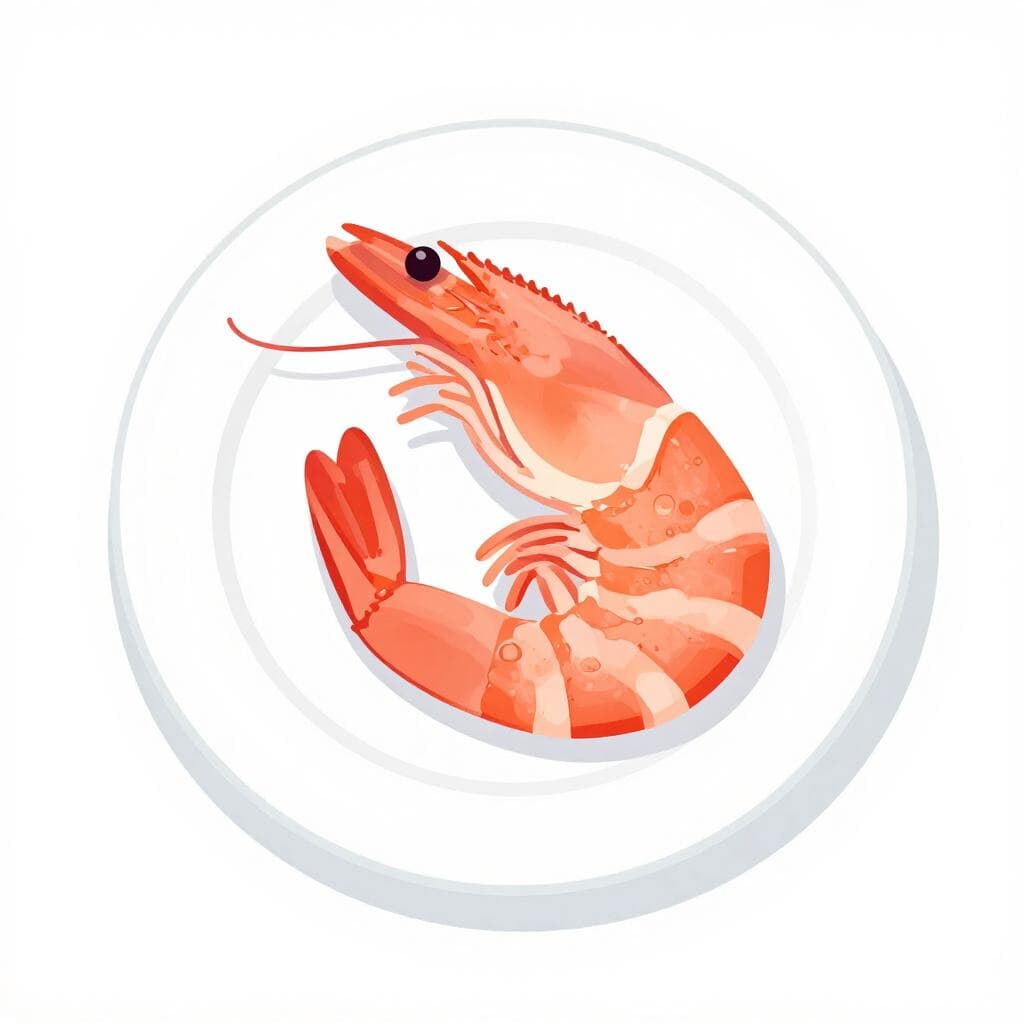
shrimp
“Me encanta el ceviche de camarón.”

siren
“Oímos la sirena de la ambulancia a lo lejos.”
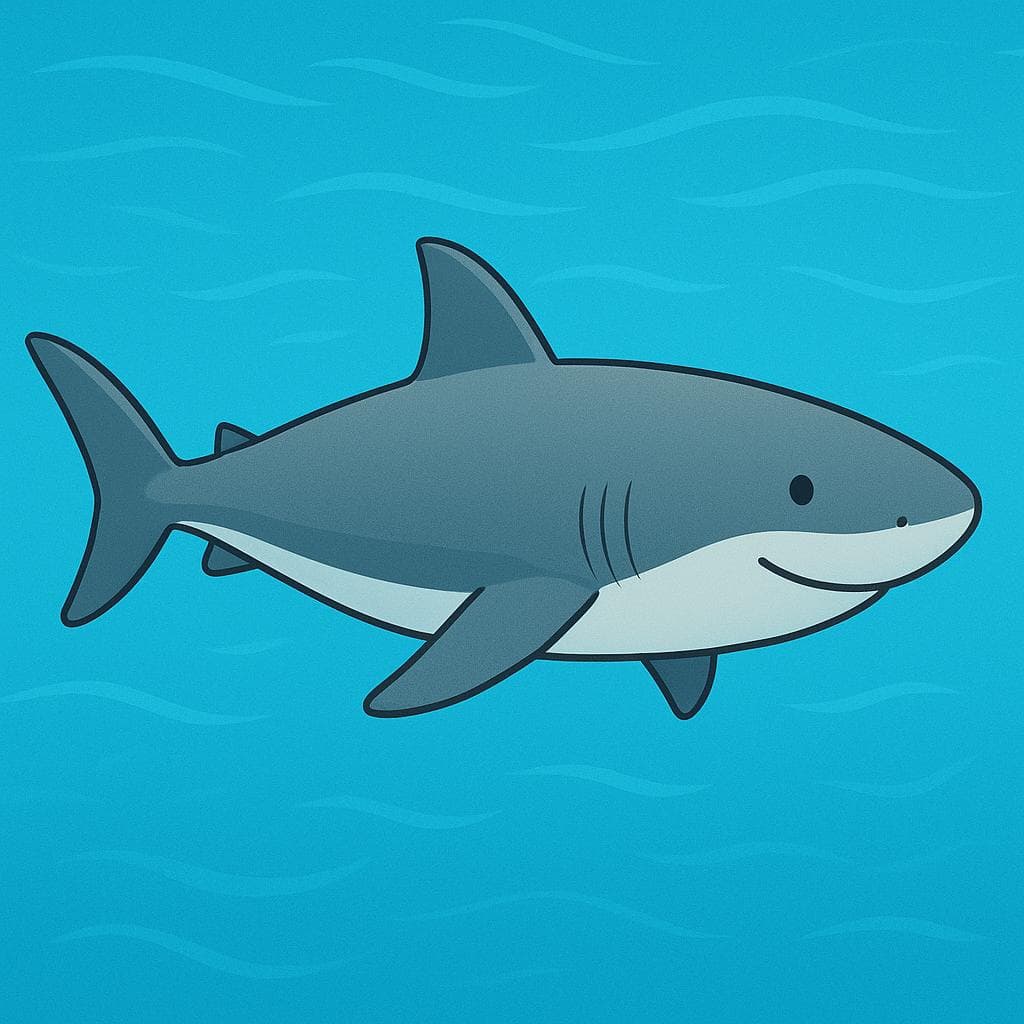
shark
“Vimos un documental sobre el tiburón blanco en la televisión.”
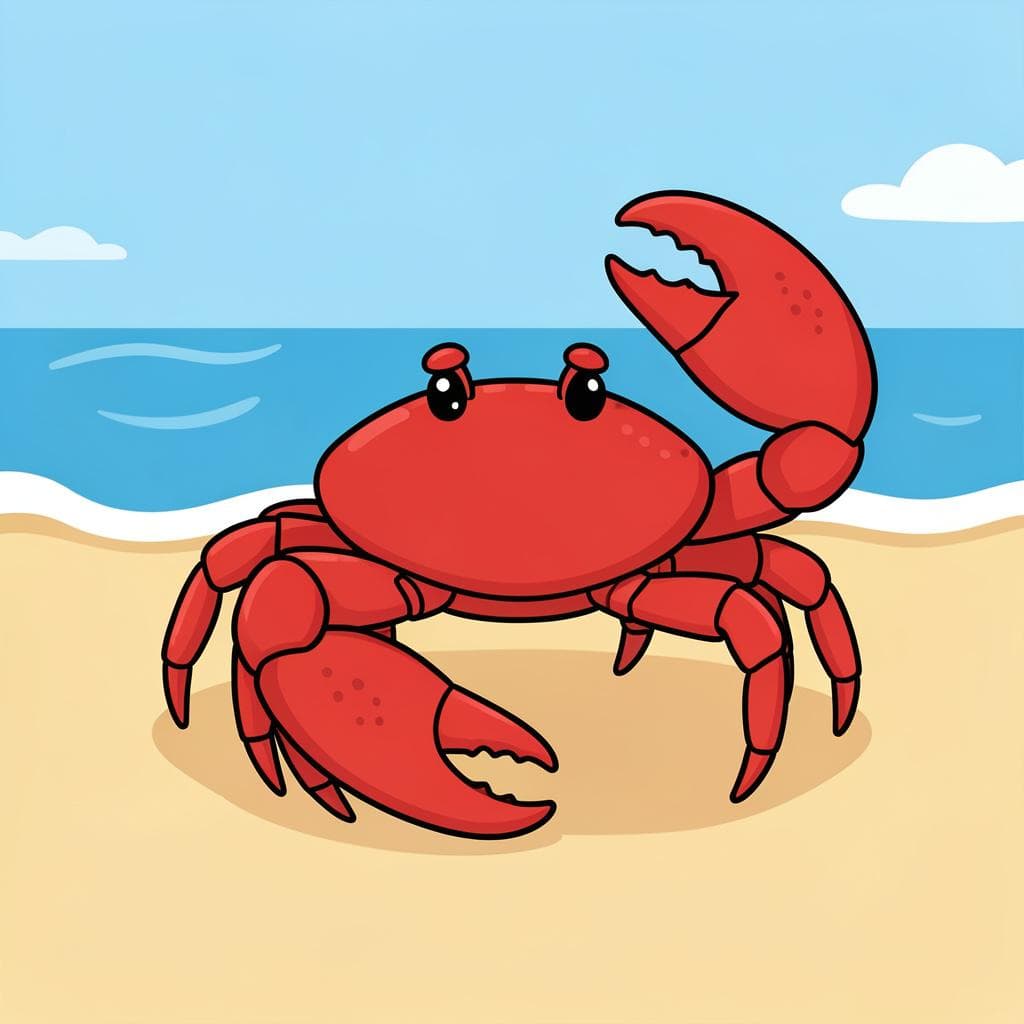
crab
“Había muchos cangrejos en las rocas de la playa.”

coral
“Vimos muchos peces de colores en el arrecife de coral.”
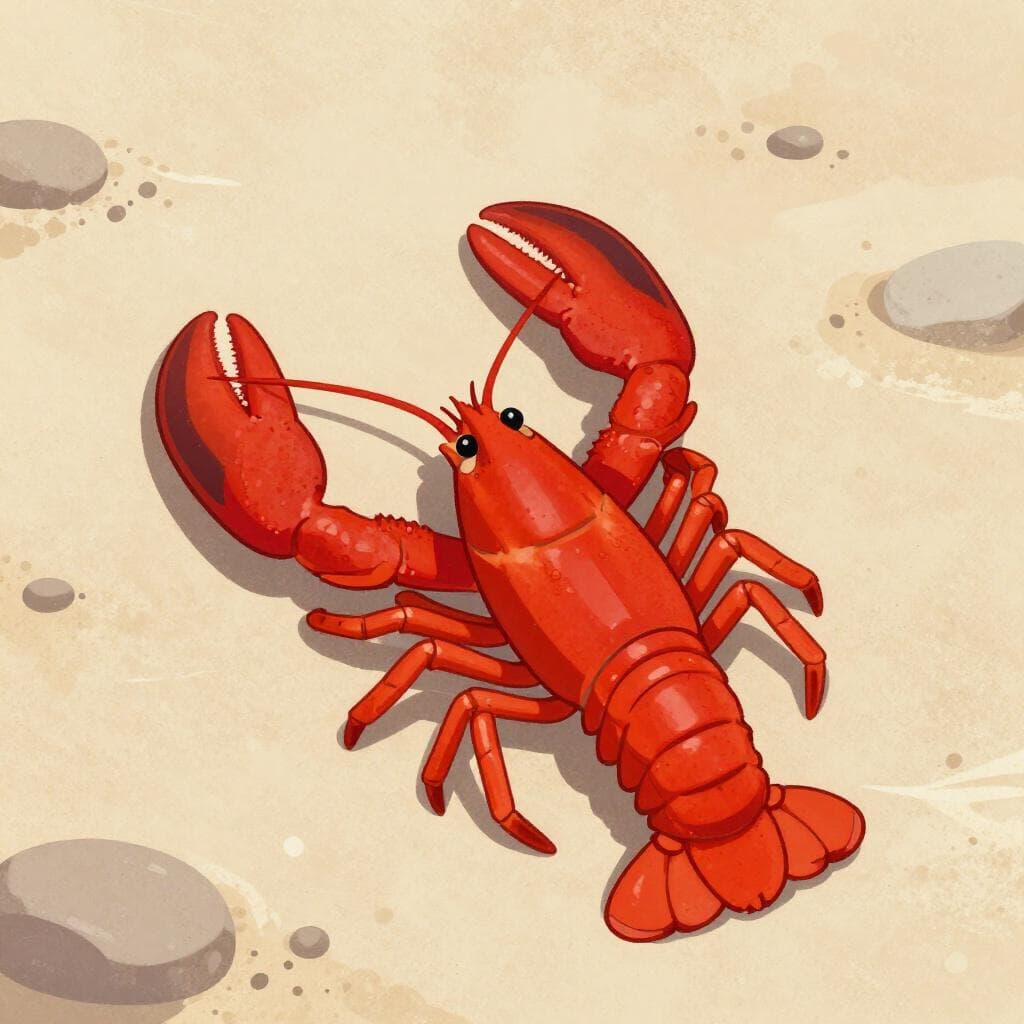
lobster
“Pedimos una langosta para compartir en el restaurante.”
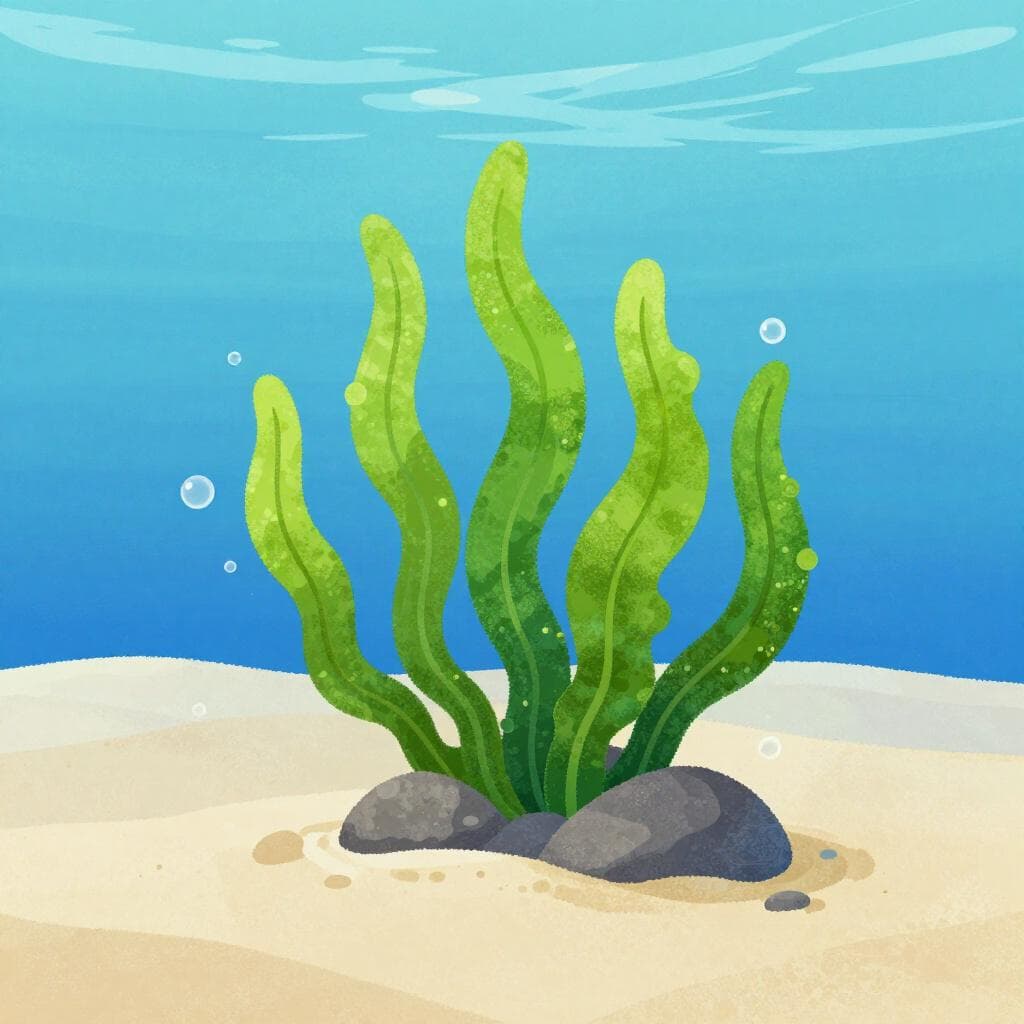
seaweed
“Hay mucha alga en la orilla de la playa.”

emperor
“El emperador gobernó el vasto imperio durante cuarenta años.”
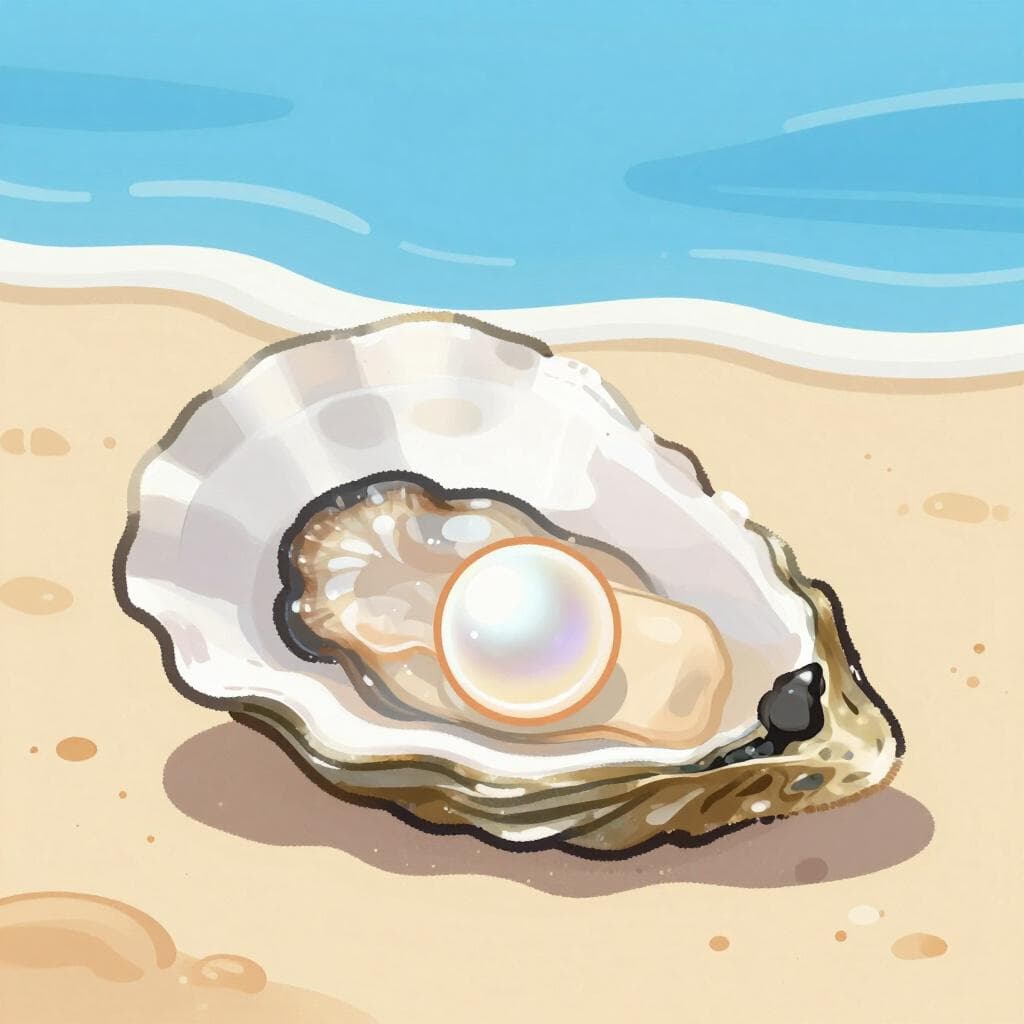
oyster
“Pedimos una docena de ostras frescas en el restaurante.”
B1 — Intermediate (1 words)
mere
“Lo hice por el mero placer de viajar.”
Grammar Tips
Gender Agreement for Marine Life
Many sea creatures have grammatical gender. For example, 'el delfín' (the dolphin) is masculine, while 'la ballena' (the whale) is feminine. Adjectives describing them must match this gender, like 'el delfín bonito' (the pretty dolphin) and 'la ballena bonita' (the pretty whale).
Plurals of Sea Creatures
Most plurals are formed by adding -s or -es, just like with other Spanish nouns. So, 'el cangrejo' (the crab) becomes 'los cangrejos' (the crabs), and 'el camarón' (the shrimp) becomes 'los camarones' (the shrimp).
Adjectives: Placement Matters
Descriptive adjectives usually come after the noun in Spanish. For instance, you'd say 'el pez dorado' (the golden fish), not 'el dorado pez'. This is a common pattern for colors and other descriptive qualities.
Common Mistakes
Adjective Gender Error
Mistake: “La ballena bonito.”
Correction: La ballena bonita. — The adjective 'bonito' must agree in gender with the feminine noun 'ballena', changing to 'bonita'.
Incorrect Pluralization
Mistake: “Los cangrejo.”
Correction: Los cangrejos. — Nouns ending in a consonant typically form their plural by adding '-es', so 'cangrejo' becomes 'cangrejos'.
Adjective Placement
Mistake: “El bonito delfín nada.”
Correction: El delfín bonito nada. — Descriptive adjectives like 'bonito' usually follow the noun in Spanish.
Cultural Notes
Seafood is King
Coastal communities in Spain and Latin America have rich culinary traditions centered around seafood. You'll find dishes featuring many of these creatures, often prepared with local flair, making this vocabulary useful for ordering food!
Regional Names for Creatures
Just like in English, different Spanish-speaking countries might have unique or regional names for certain sea creatures. 'Camarón' is common for shrimp, but you might hear other terms depending on the location and specific type.