Meat & Seafood in Spanish
Dive into the world of Spanish meats and seafood with this essential vocabulary list! Knowing these words will be super helpful whether you're ordering at a restaurant, grocery shopping, or just trying to understand a recipe. Spanish often uses more specific terms than English, so understanding the nuances between different cuts of meat or types of fish can really elevate your culinary conversations.
Quick Reference
| Spanish | English | Example | Level |
|---|---|---|---|
camarón | shrimp | Me encanta el ceviche de camarón. | A2 |
carne | meat | No como carne, soy vegetariano. | A1 |
chuleta | chop | Hoy vamos a cenar chuletas de cerdo con puré de patatas. | A1 |
cordero | lamb | El pastor cargaba un cordero recién nacido. | A1 |
filete | steak | He comprado cuatro filetes de ternera para la cena. | A1 |
jamón | ham | ¿Puedes comprar un poco de jamón para el desayuno? | A1 |
lomo | loin | Quiero un bocadillo de lomo con queso. | A1 |
pavo | turkey | Para la cena de Navidad, mi abuela siempre prepara un pavo enorme. | A1 |
pescado | fish | Pedimos pescado frito con limón y ensalada. | A1 |
pollo | chicken | Vamos a comprar un pollo entero para la cena. | A1 |
salchicha | sausage | Quiero dos salchichas en mi plato, por favor. | A1 |
sushi | sushi | Me encanta comer sushi con mis amigos los viernes. | A1 |
A1 — Beginner (19 words)
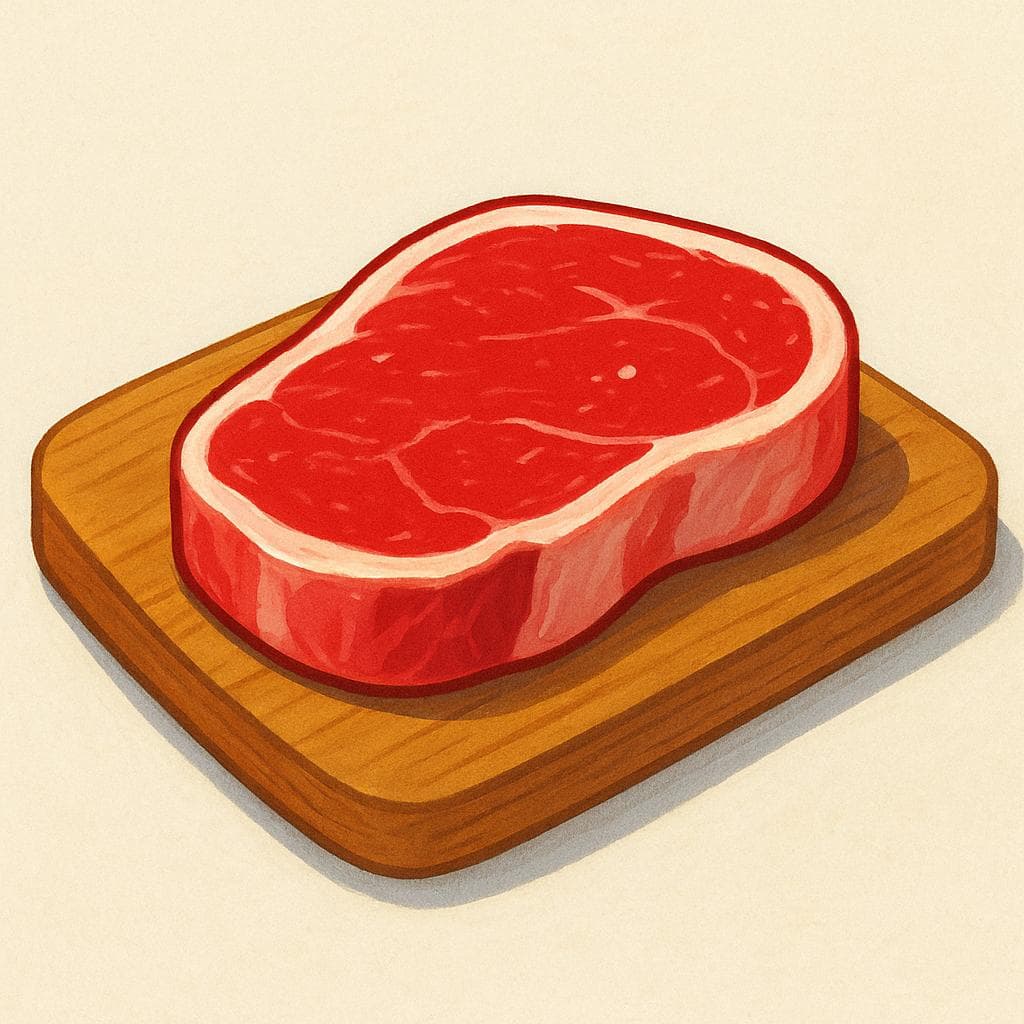
meat
“No como carne, soy vegetariano.”
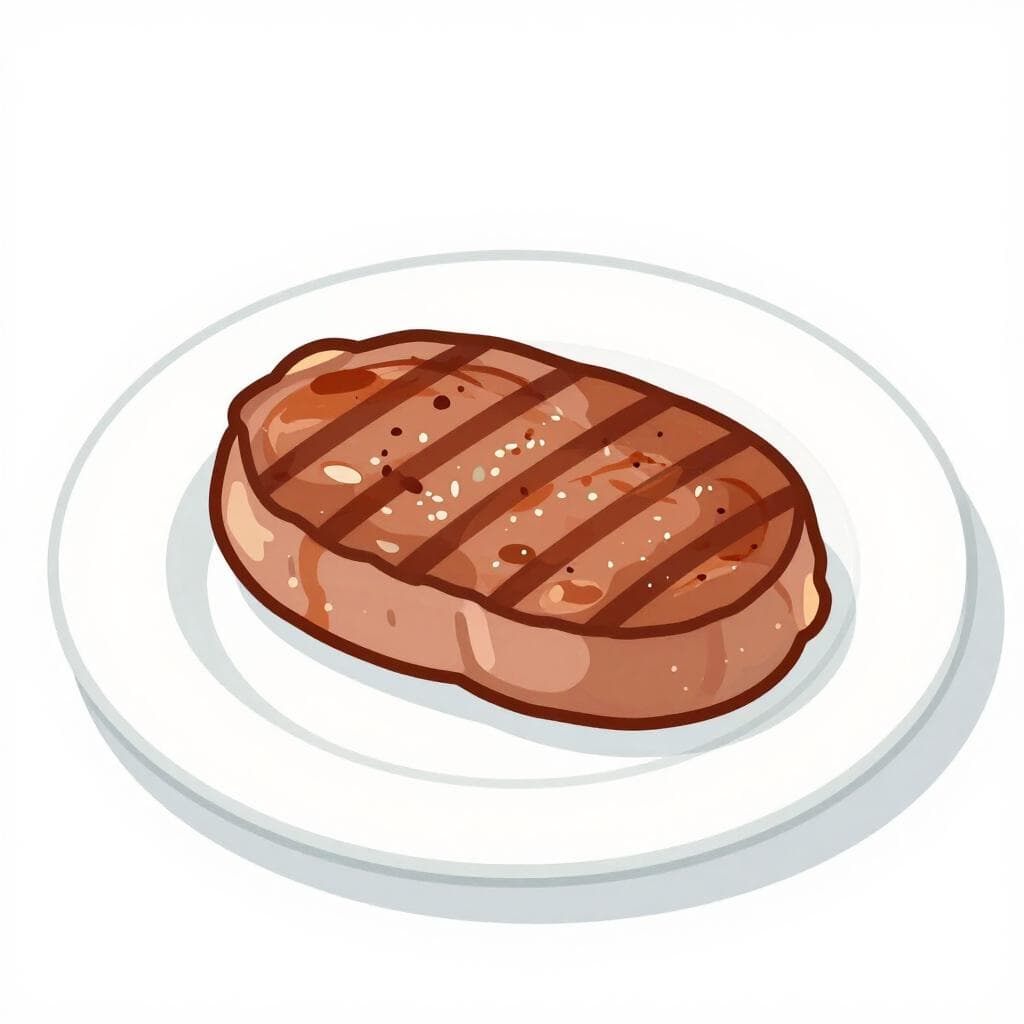
chop
“Hoy vamos a cenar chuletas de cerdo con puré de patatas.”

lamb
“El pastor cargaba un cordero recién nacido.”
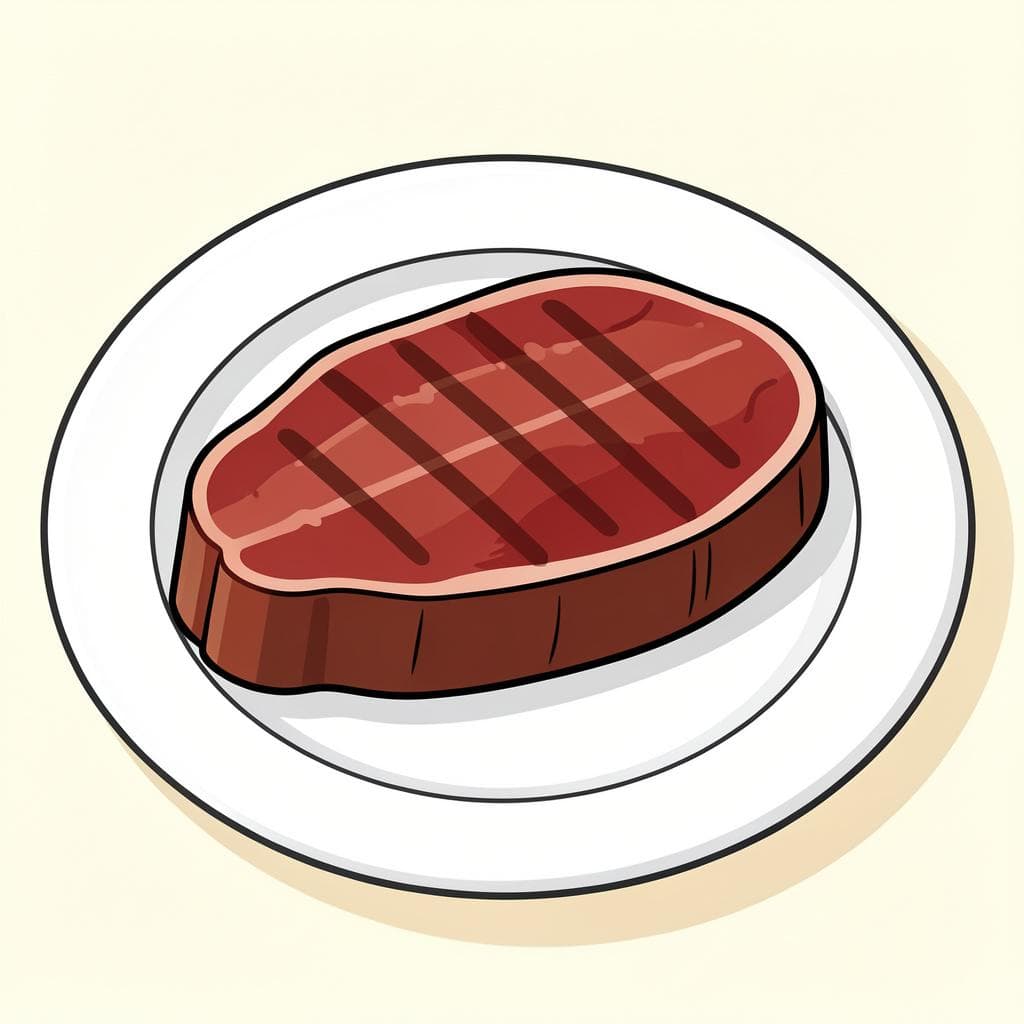
steak
“He comprado cuatro filetes de ternera para la cena.”
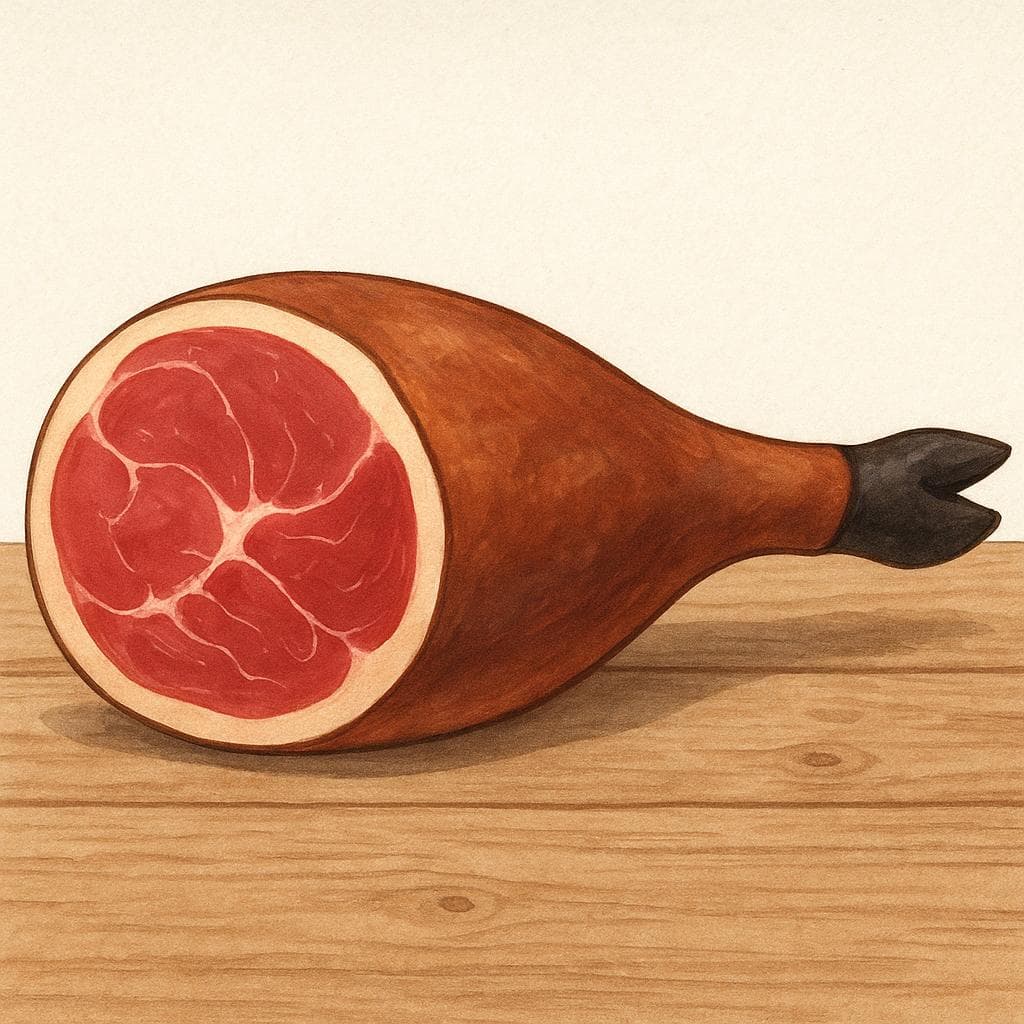
ham
“¿Puedes comprar un poco de jamón para el desayuno?”
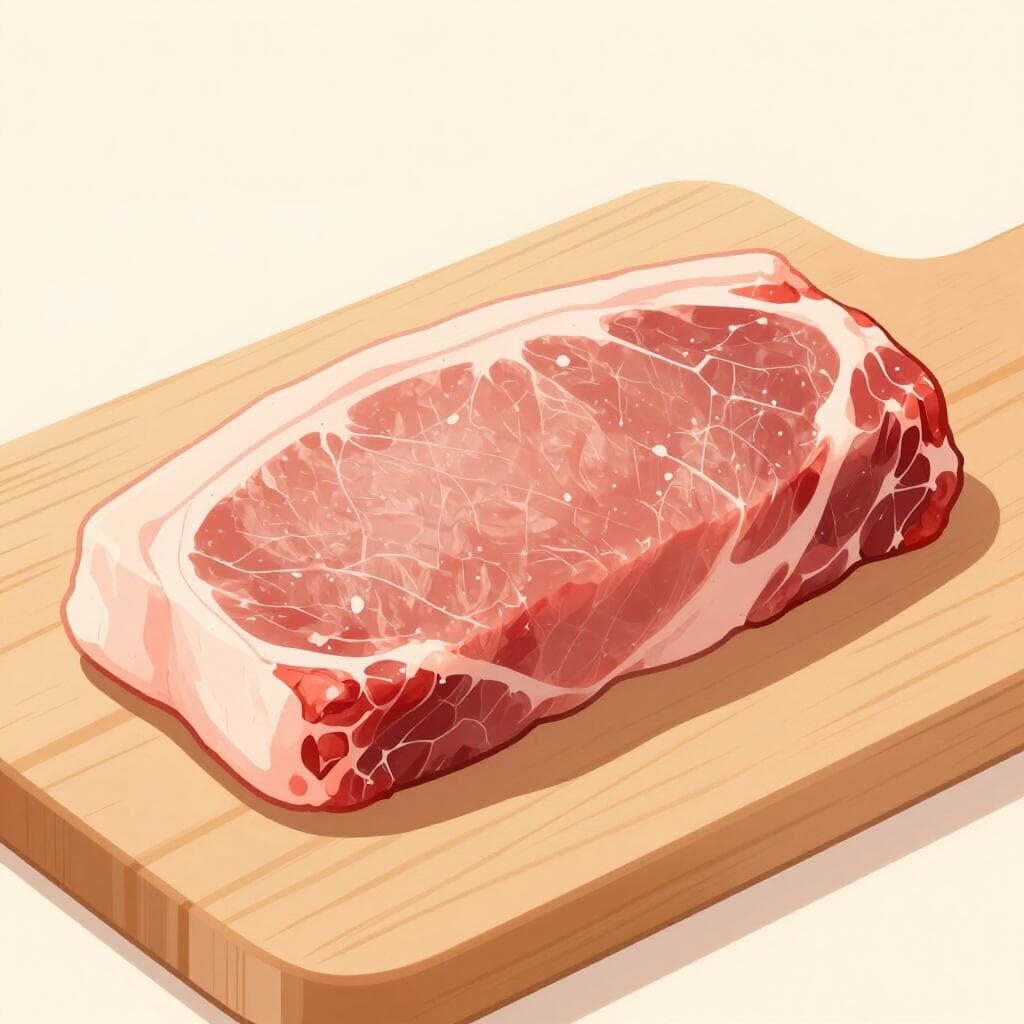
loin
“Quiero un bocadillo de lomo con queso.”

turkey
“Para la cena de Navidad, mi abuela siempre prepara un pavo enorme.”

fish
“Pedimos pescado frito con limón y ensalada.”

chicken
“Vamos a comprar un pollo entero para la cena.”

sausage
“Quiero dos salchichas en mi plato, por favor.”

sushi
“Me encanta comer sushi con mis amigos los viernes.”
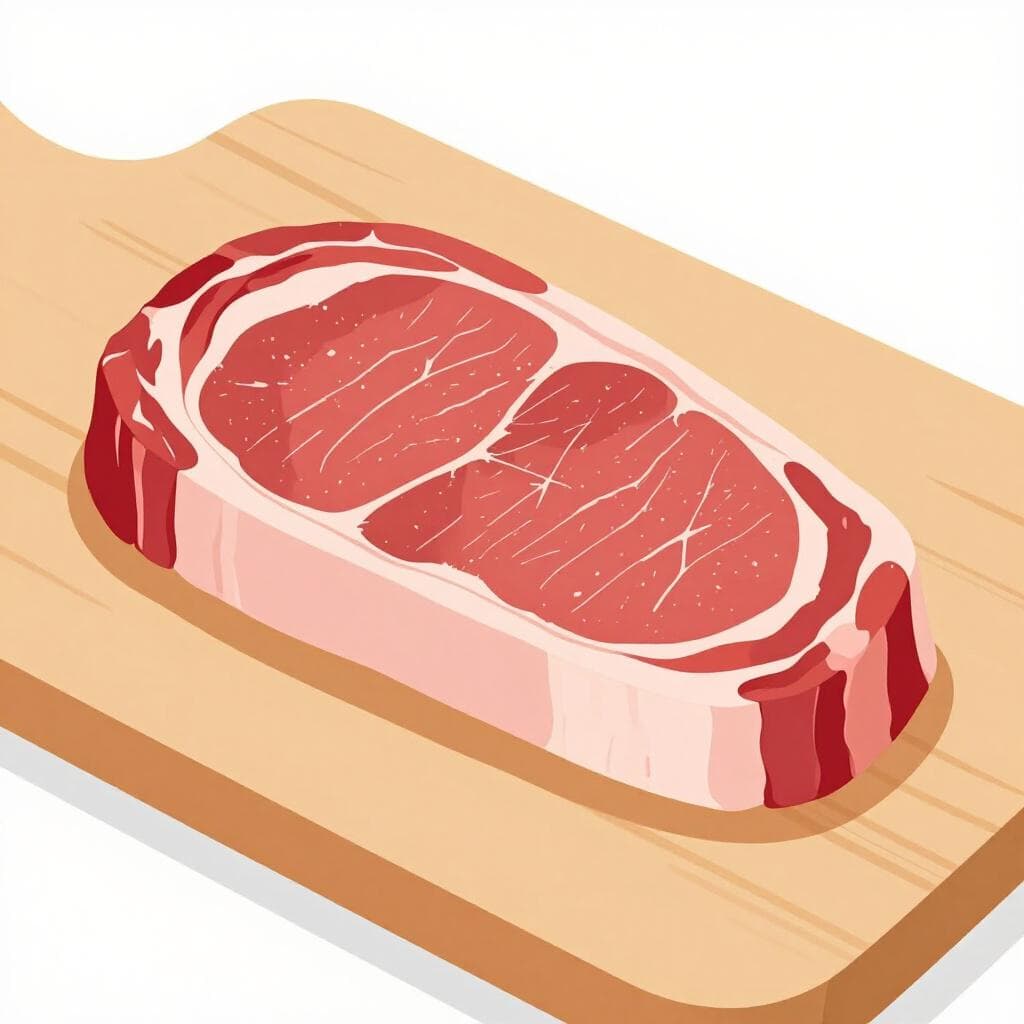
beef
“Quisiera un filete de ternera, por favor.”

bacon
“Me gusta comer huevos con tocino en el desayuno.”

bacon
“Quiero un sándwich con mucho bacon.”

pig
“El granjero alimenta a los cerdos dos veces al día.”

pig
“Hay tres puercos en la granja.”
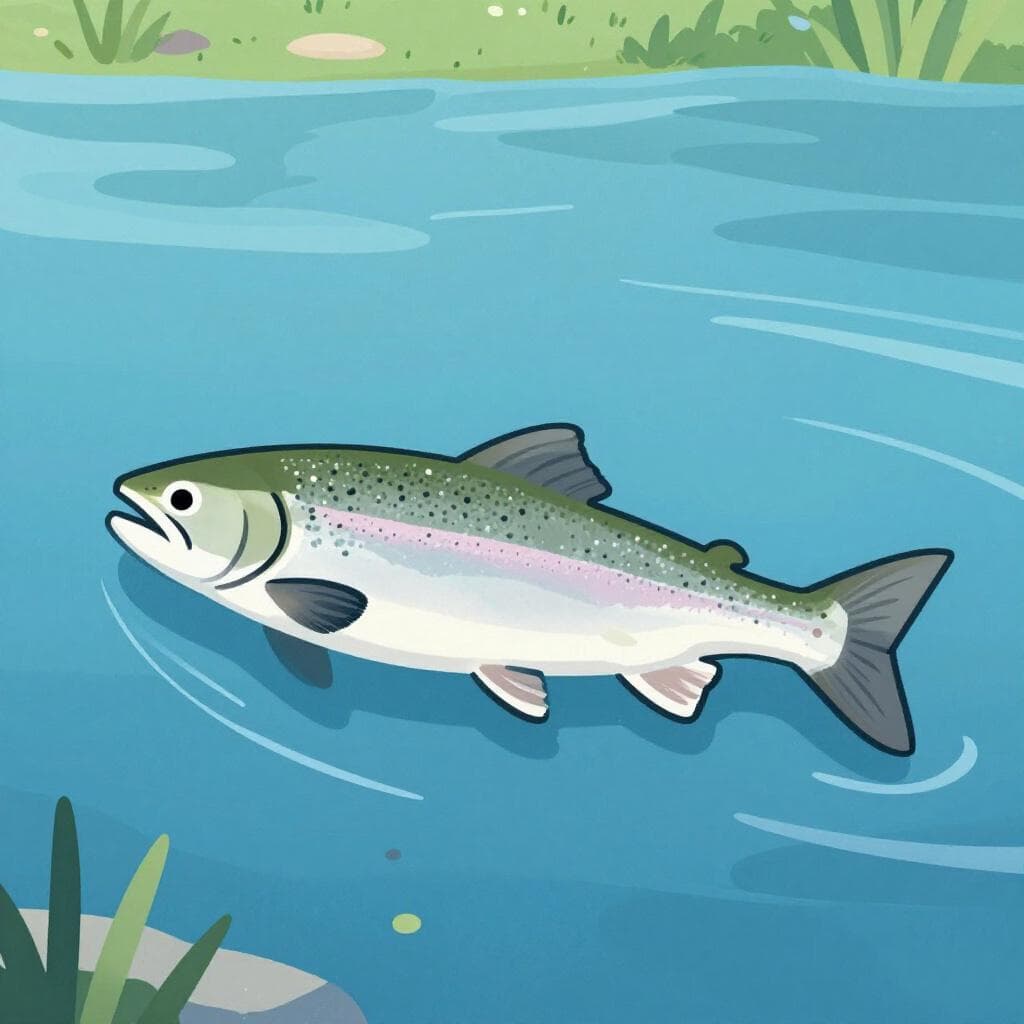
salmon
“El salmón nada río arriba para poner sus huevos.”

sardine
“Me gusta comer sardinas asadas con limón.”

tuna
A2 — Elementary (7 words)
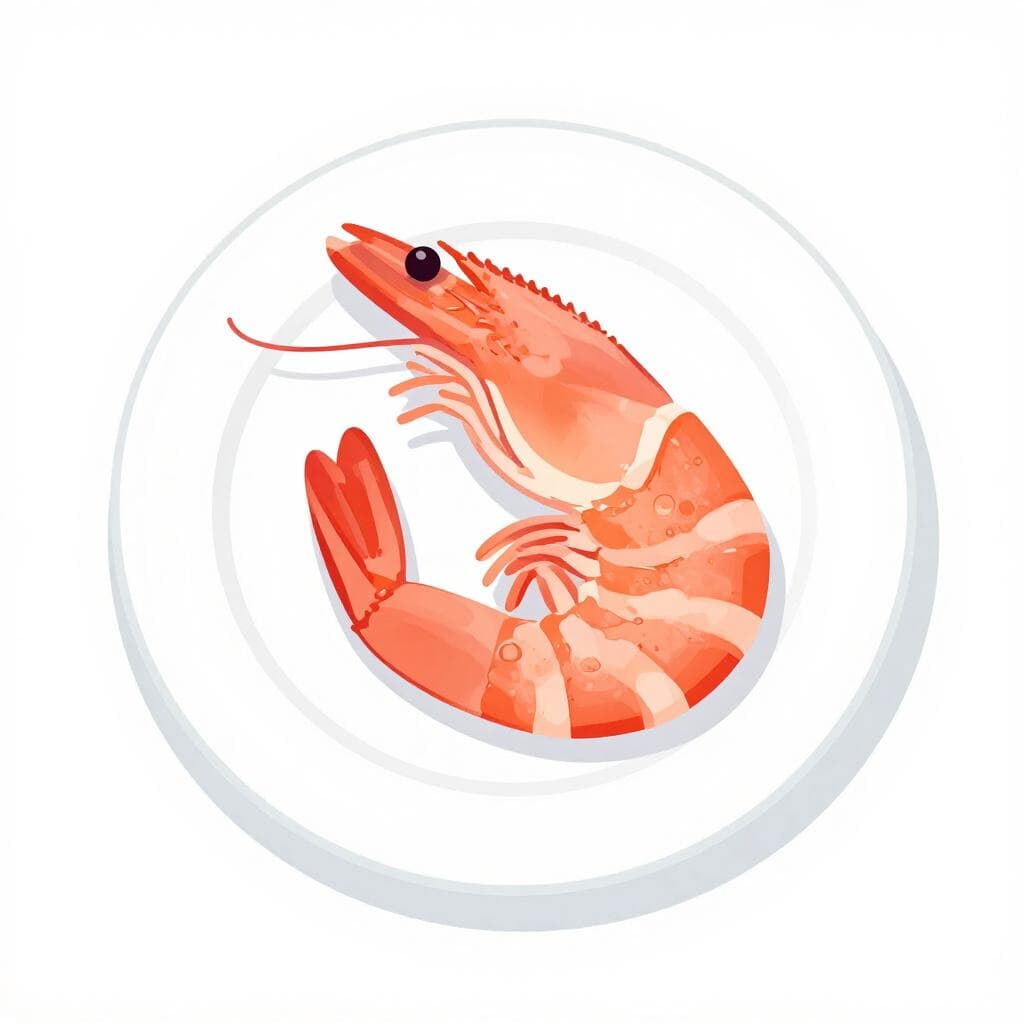
shrimp
“Me encanta el ceviche de camarón.”

crab
“Había muchos cangrejos en las rocas de la playa.”
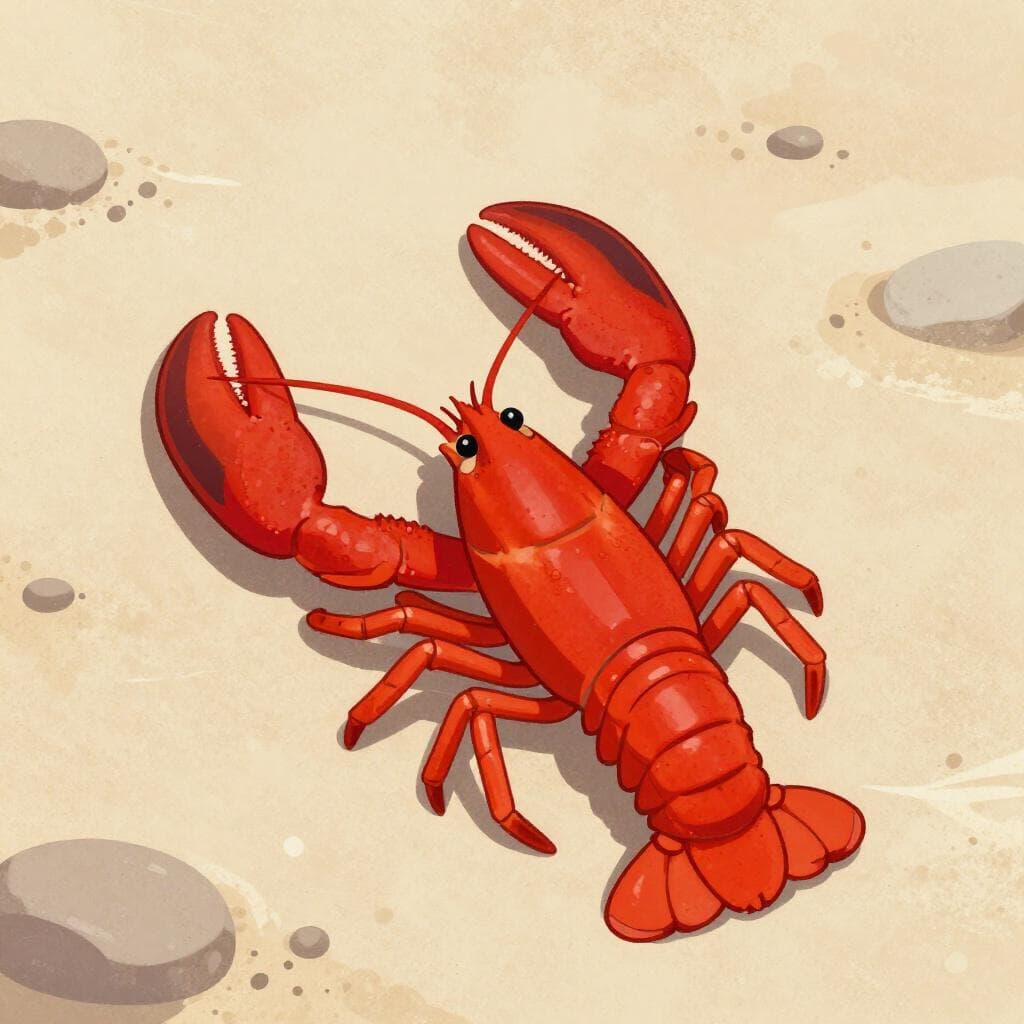
lobster
“Pedimos una langosta para compartir en el restaurante.”
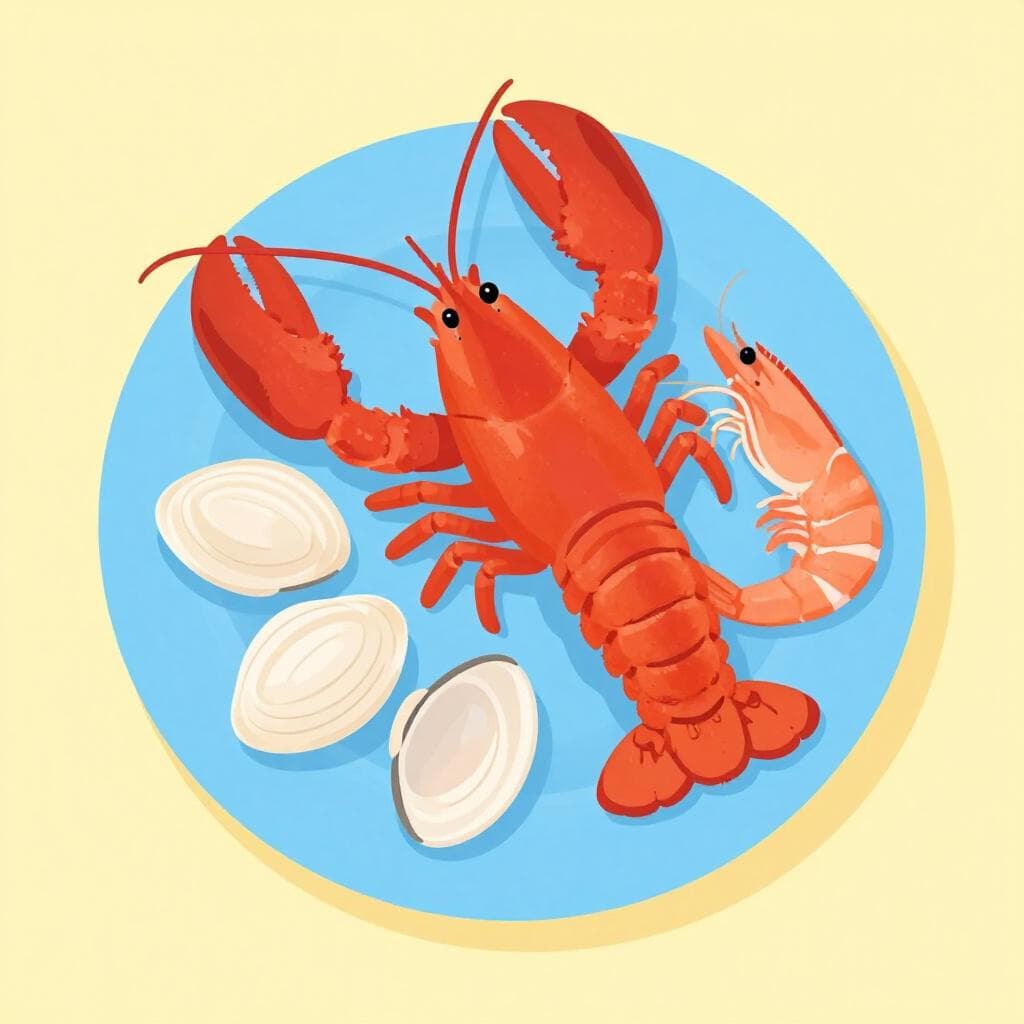
seafood
“Me encanta la paella de marisco.”

emperor
“El emperador gobernó el vasto imperio durante cuarenta años.”

oyster
“Pedimos una docena de ostras frescas en el restaurante.”
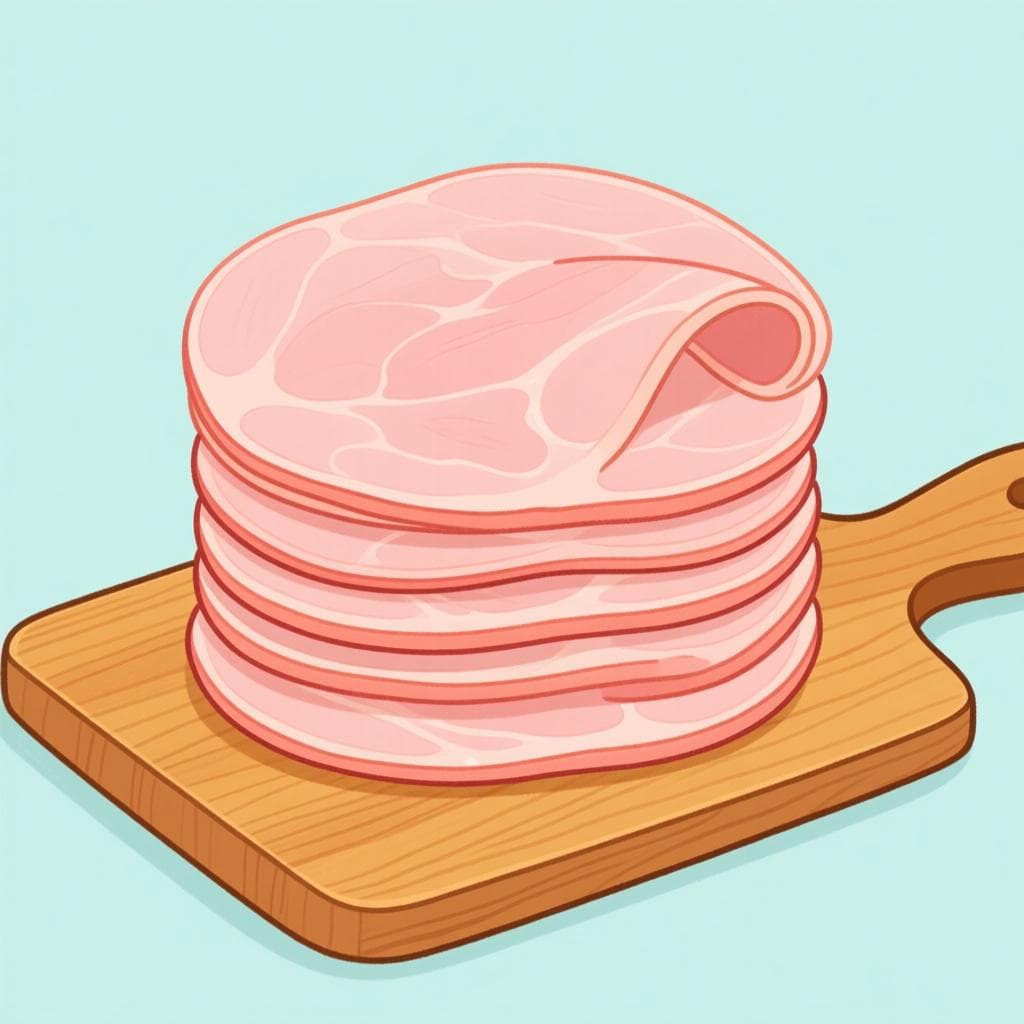
cooked ham
“Quiero un sándwich de york y queso.”
B1 — Intermediate (2 words)

mere
“Lo hice por el mero placer de viajar.”

frankfurter
“Voy a preparar unos franks para la cena.”
B2 — Upper Intermediate (2 words)

insides
“El minero trabajaba en las entrañas de la tierra.”

supreme
“Alcanzó la felicidad suprema rodeada de su familia.”
Grammar Tips
Gender Agreement
Remember that most Spanish nouns have a gender. 'Carne' (meat) is feminine ('la carne'), while 'cerdo' (pork) is masculine ('el cerdo'). Adjectives describing the meat or seafood must agree in gender and number with the noun they modify. For example, 'la chuleta de cerdo rosada' (the pink pork chop).
Specific vs. General Terms
English often uses a single word for a type of animal and its meat (like 'pork' from 'pig'). Spanish is similar but sometimes more distinct: 'cordero' is lamb, and you might refer to 'carne de cordero' (lamb meat). However, for many common meats, the animal name itself is used for the meat, like 'el cerdo' for pork.
Pluralization
Most meat and seafood terms are singular when referring to the general category or a single portion. When you want to talk about multiple items or servings, you'll usually just add 's' or 'es' to the end, following standard Spanish pluralization rules. For example, 'camarones' for multiple shrimp.
Common Mistakes
Incorrect Gender Agreement
Mistake: “Quiero la jamón serrano.”
Correction: Quiero el jamón serrano. — 'Jamón' is a masculine noun in Spanish, so it requires the masculine article 'el', not the feminine 'la'.
Confusing Animal vs. Meat
Mistake: “Me gusta comer cerdo.”
Correction: Me gusta comer carne de cerdo. OR Me gusta comer cerdo. — While 'cerdo' can sometimes refer to the meat colloquially, it's more precise and common to say 'carne de cerdo' (pork meat) or simply use the specific cut like 'chuleta de cerdo'.
Overly Literal Translation
Mistake: “Necesito un filete de pescado del emperador.”
Correction: Necesito un filete de emperador. — 'Emperador' itself refers to the emperor fish, so specifying 'de pescado' (of fish) is redundant and sounds unnatural.
Cultural Notes
Regional Preferences
Seafood is incredibly popular along the coasts of Spain and many Latin American countries, with regional specialties abounding. In Spain, you'll find amazing paellas with various seafood, while in Peru, ceviche is a national dish featuring raw fish cured in citrus.
'Jamón' is a Big Deal
In Spain, 'jamón' (ham), especially 'jamón ibérico' and 'jamón serrano', is a culinary art form and a source of national pride. It's often served thinly sliced on its own, rather than as an ingredient in sandwiches as might be more common in some other cultures.