Spanish Meals & Dining: 60 Essential Words
Dive into the delicious world of Spanish meals and dining! This vocabulary set will equip you to talk about everything from breakfast to late-night snacks, order food with confidence, and understand dining etiquette. You'll discover that Spanish often uses verbs for meals (like 'to have lunch') where English might use a noun, making mealtime conversations dynamic and expressive.
Quick Reference
| Spanish | English | Example | Level |
|---|---|---|---|
almorzar | to have lunch | ¿A qué hora almuerzas normalmente? | A1 |
almuerzo | lunch | ¿A qué hora es el almuerzo? | A1 |
aperitivo | appetizer | Antes de la cena, tomamos un aperitivo en la terraza. | A2 |
asado | roasted | Me encanta el pollo asado con patatas. | A1 |
bandeja | tray | El camarero trajo el café en una pequeña bandeja de plata. | A1 |
bar | bar | Quedamos en el bar de la esquina a las ocho. | A1 |
barbacoa | barbecue | Limpiamos la barbacoa antes de cocinar las hamburguesas. | A1 |
barra | bar | Pedimos dos cervezas directamente en la barra. | A1 |
cafetería | coffee shop | Quedamos en la cafetería de la esquina para hablar. | A1 |
carta | letter | Escribo una carta para mi abuela. | A1 |
cena | dinner | ¿A qué hora es la cena? | A1 |
cenar | to have dinner | ¿A qué hora vamos a cenar? | A1 |
A1 — Beginner (38 words)
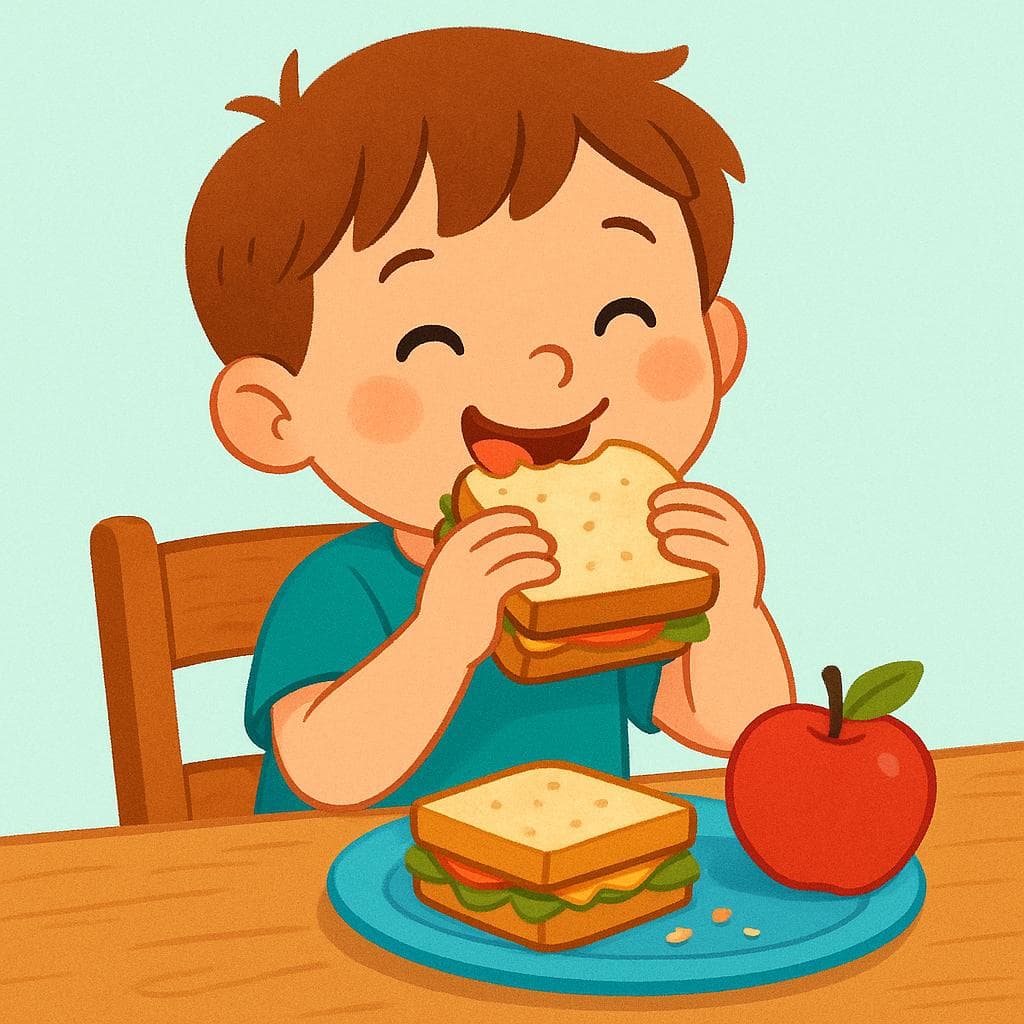
to have lunch
“¿A qué hora almuerzas normalmente?”
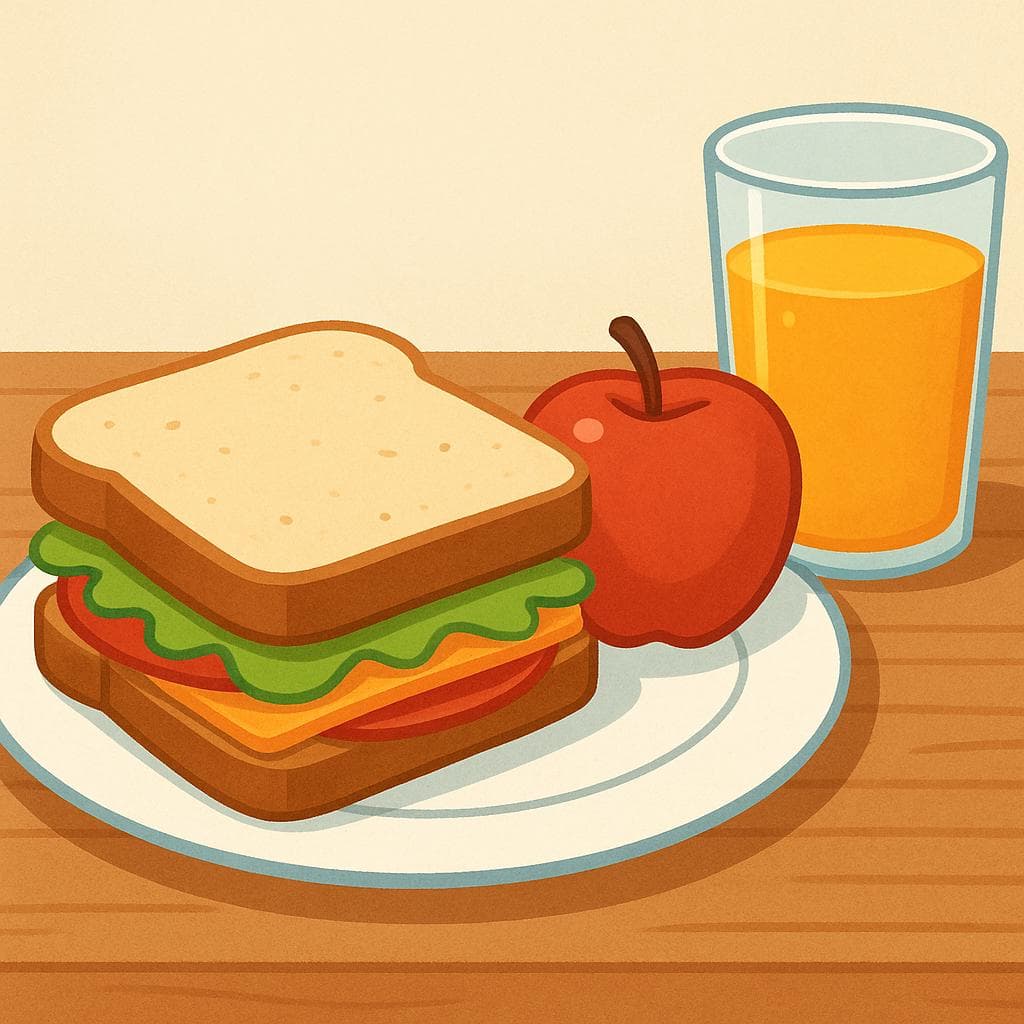
lunch
“¿A qué hora es el almuerzo?”

roasted
“Me encanta el pollo asado con patatas.”

tray
“El camarero trajo el café en una pequeña bandeja de plata.”
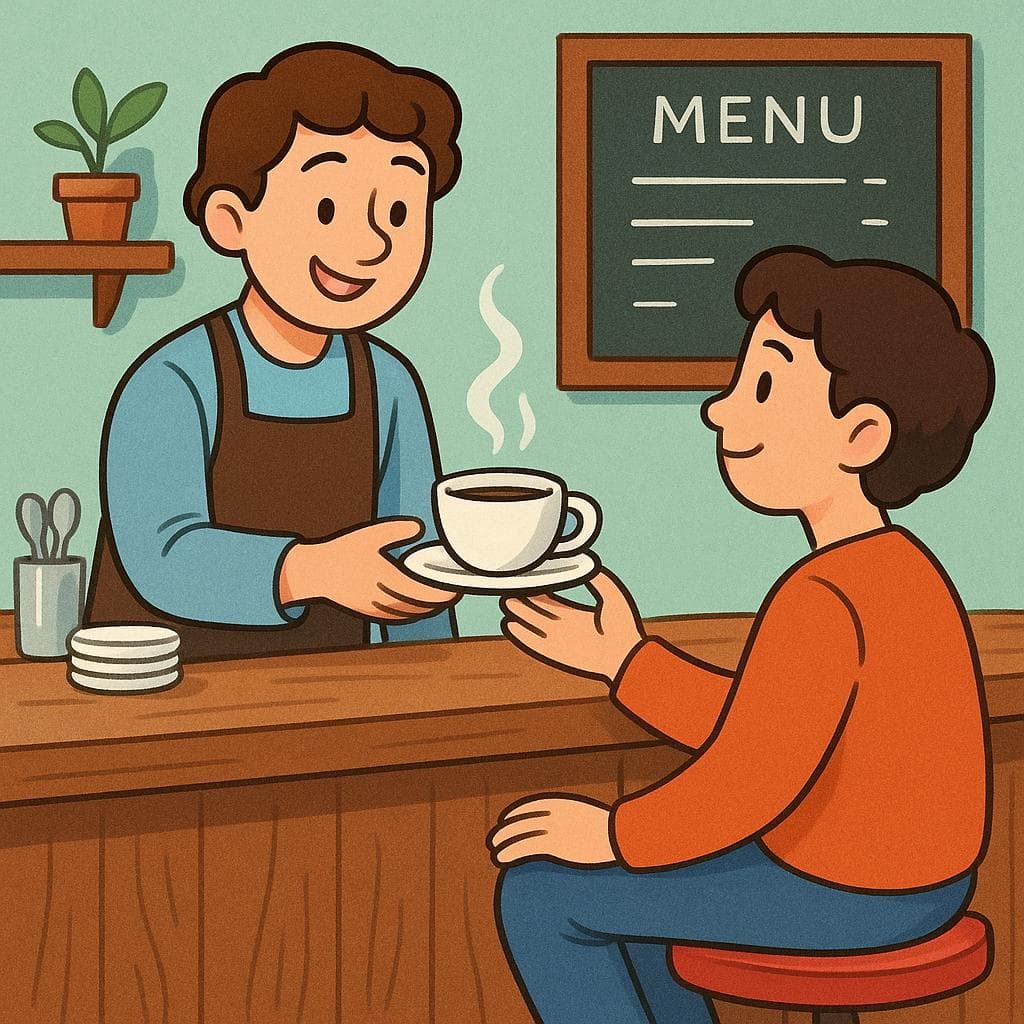
bar
“Quedamos en el bar de la esquina a las ocho.”

barbecue
“Limpiamos la barbacoa antes de cocinar las hamburguesas.”
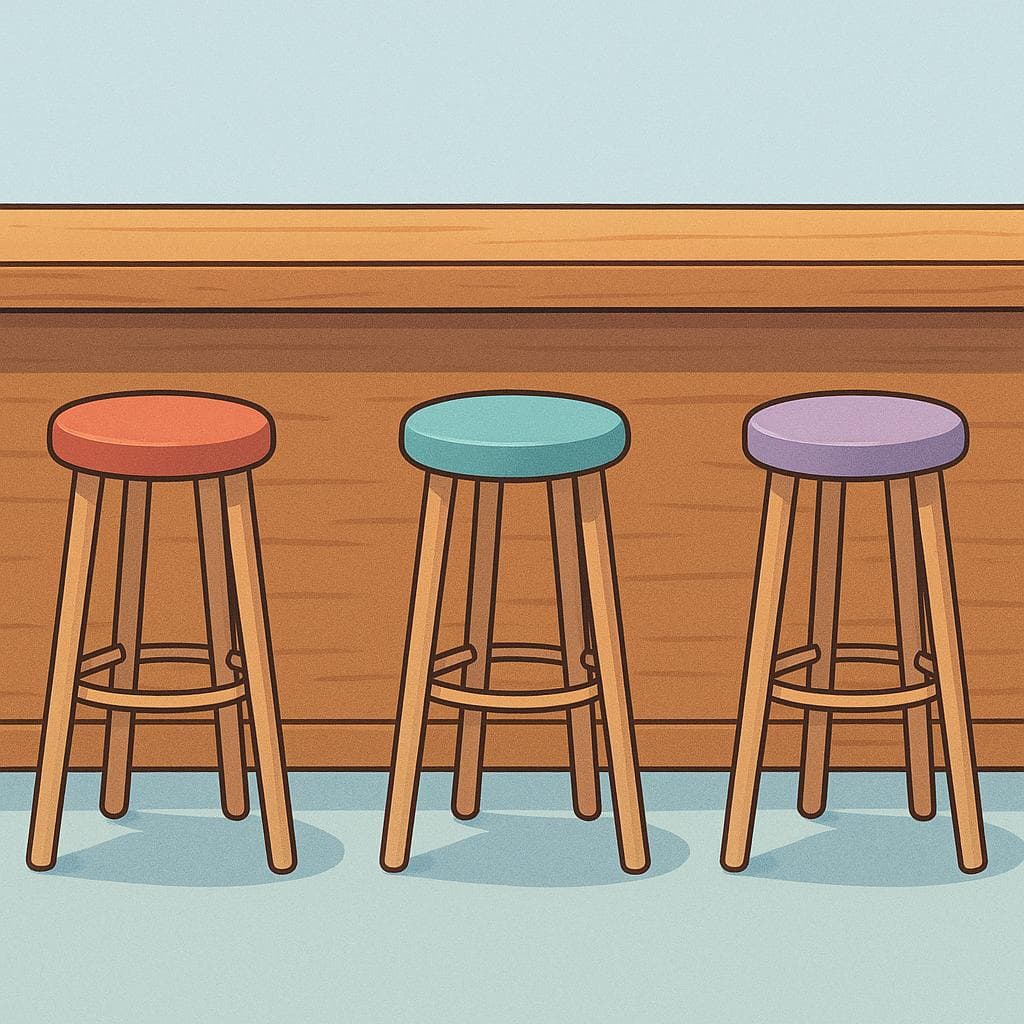
bar
“Pedimos dos cervezas directamente en la barra.”

coffee shop
“Quedamos en la cafetería de la esquina para hablar.”
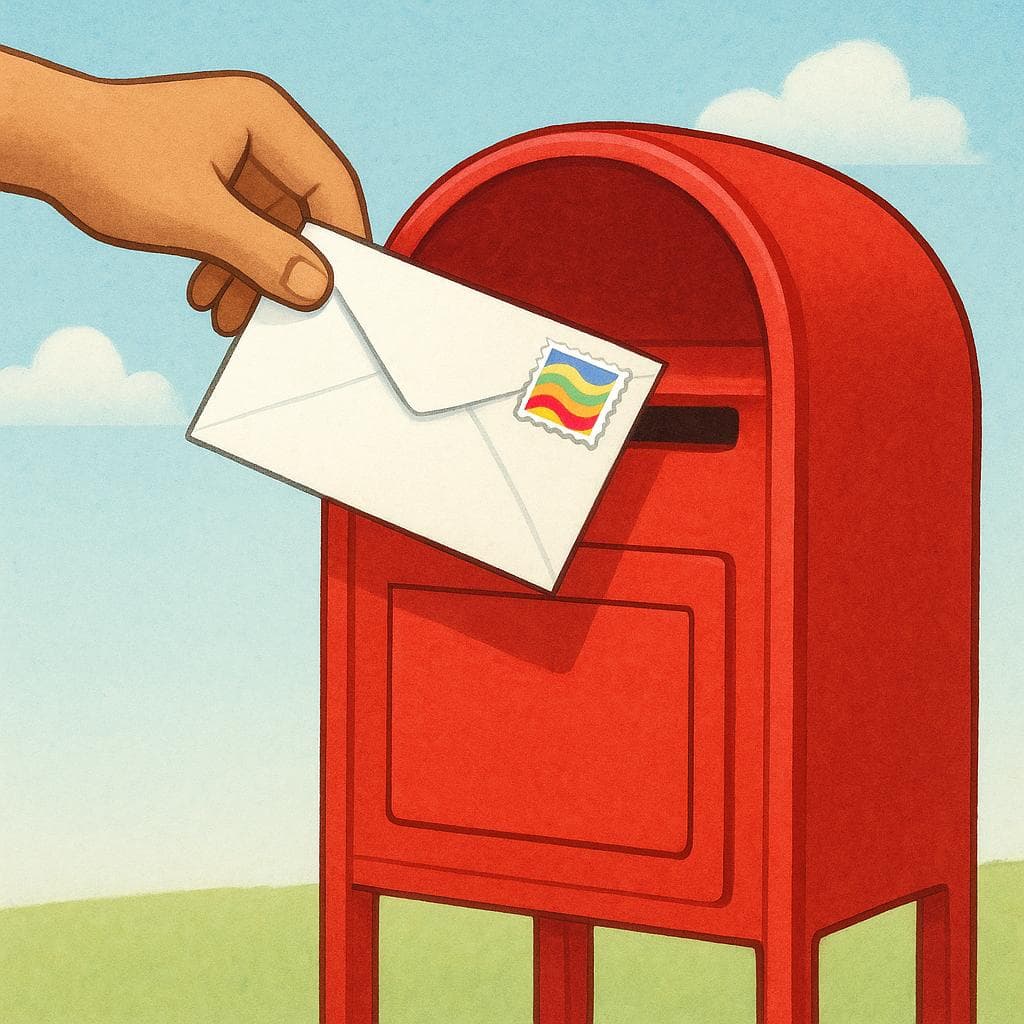
letter
“Escribo una carta para mi abuela.”
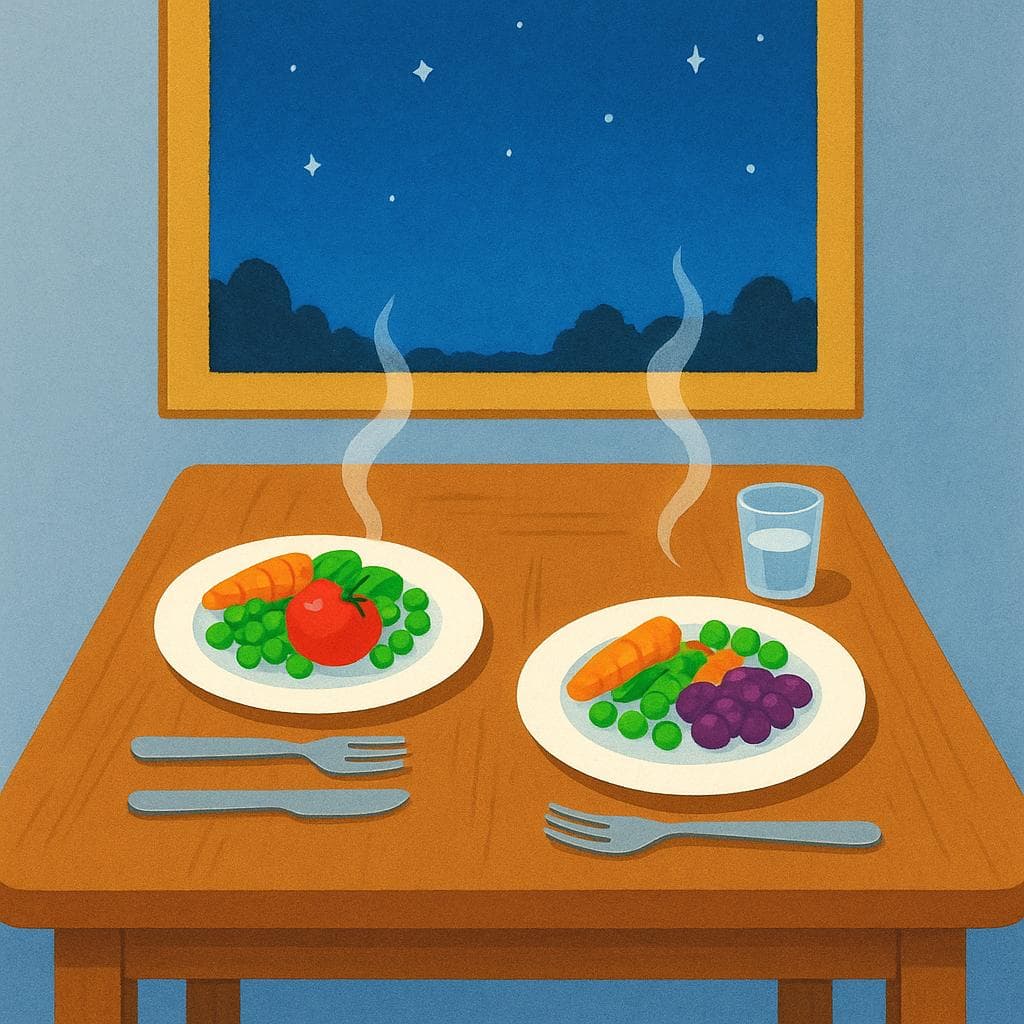
dinner
“¿A qué hora es la cena?”

to have dinner
“¿A qué hora vamos a cenar?”

dining room
“La mesa del comedor es redonda y muy grande.”

to eat
“Me gusta comer pasta los viernes.”
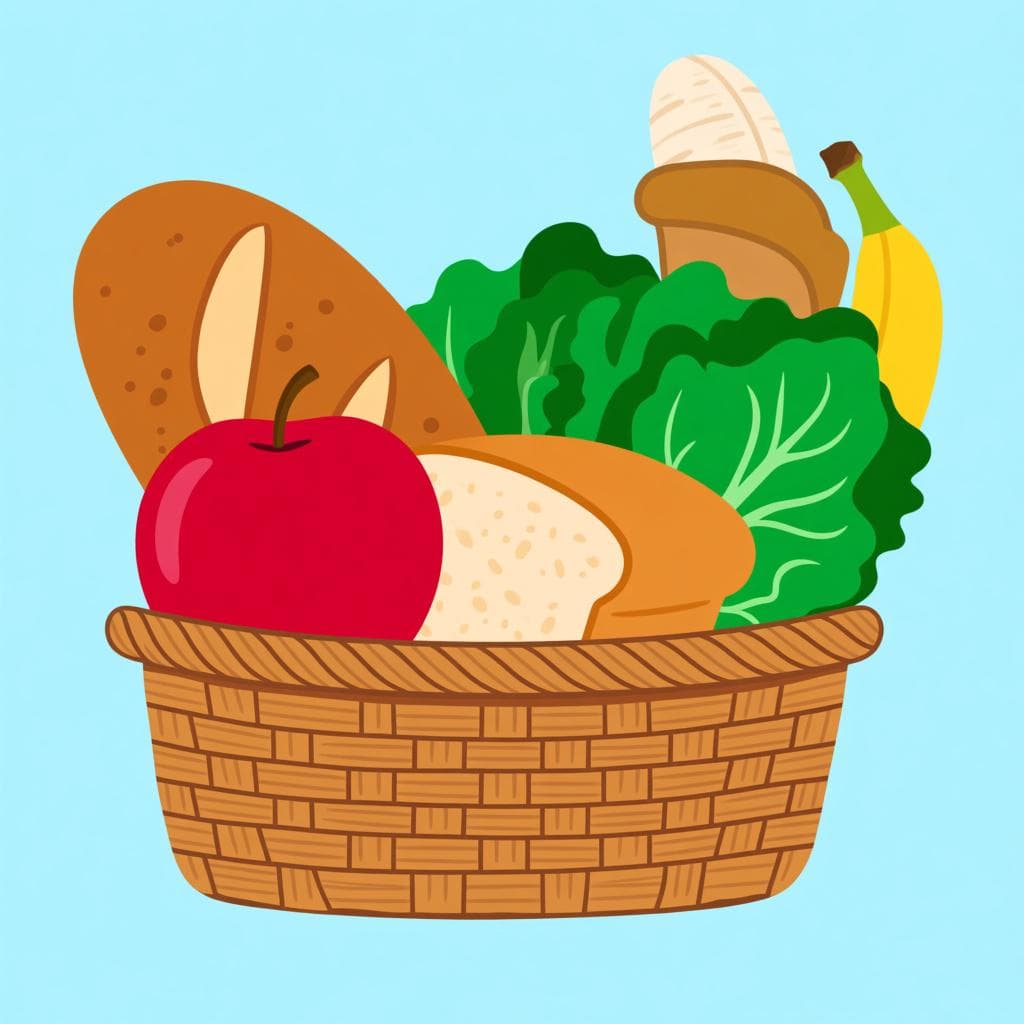
food
“Necesito comprar comida para el fin de semana.”

to eat breakfast
“¿Qué sueles desayunar por las mañanas?”
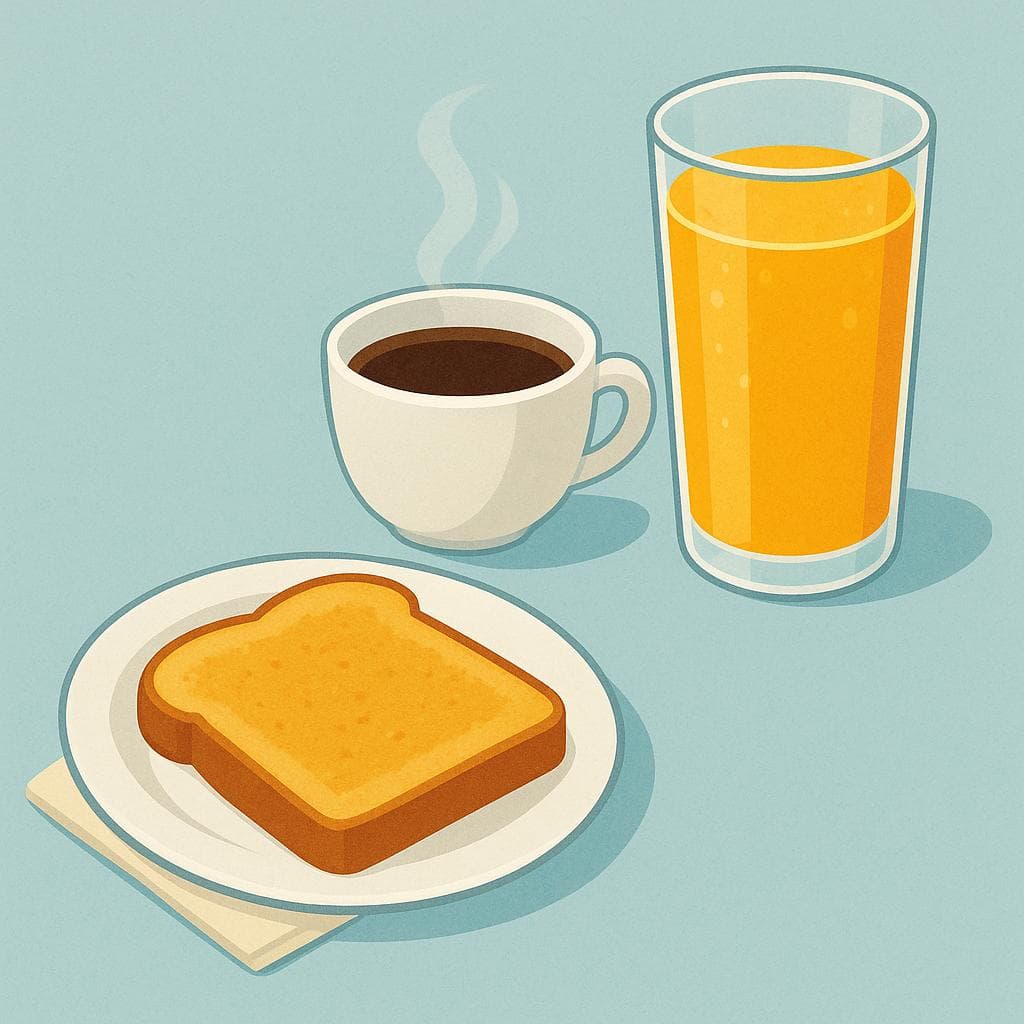
breakfast
“Mi desayuno favorito es café con tostadas.”

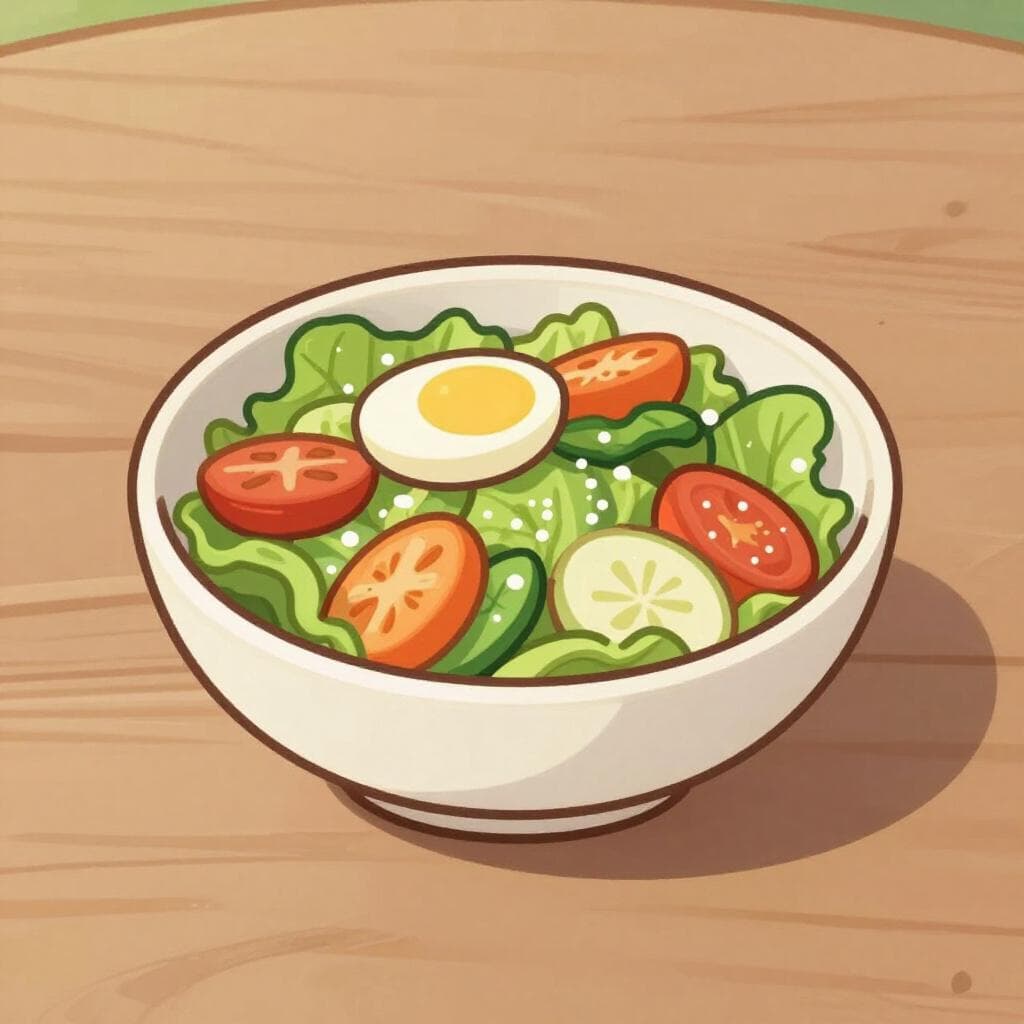
salad
“Para el almuerzo, pedí una ensalada de tomate y aguacate.”

entrance
“La entrada al museo es por la puerta de cristal.”
starter
“¿Qué vamos a pedir de entrante?”
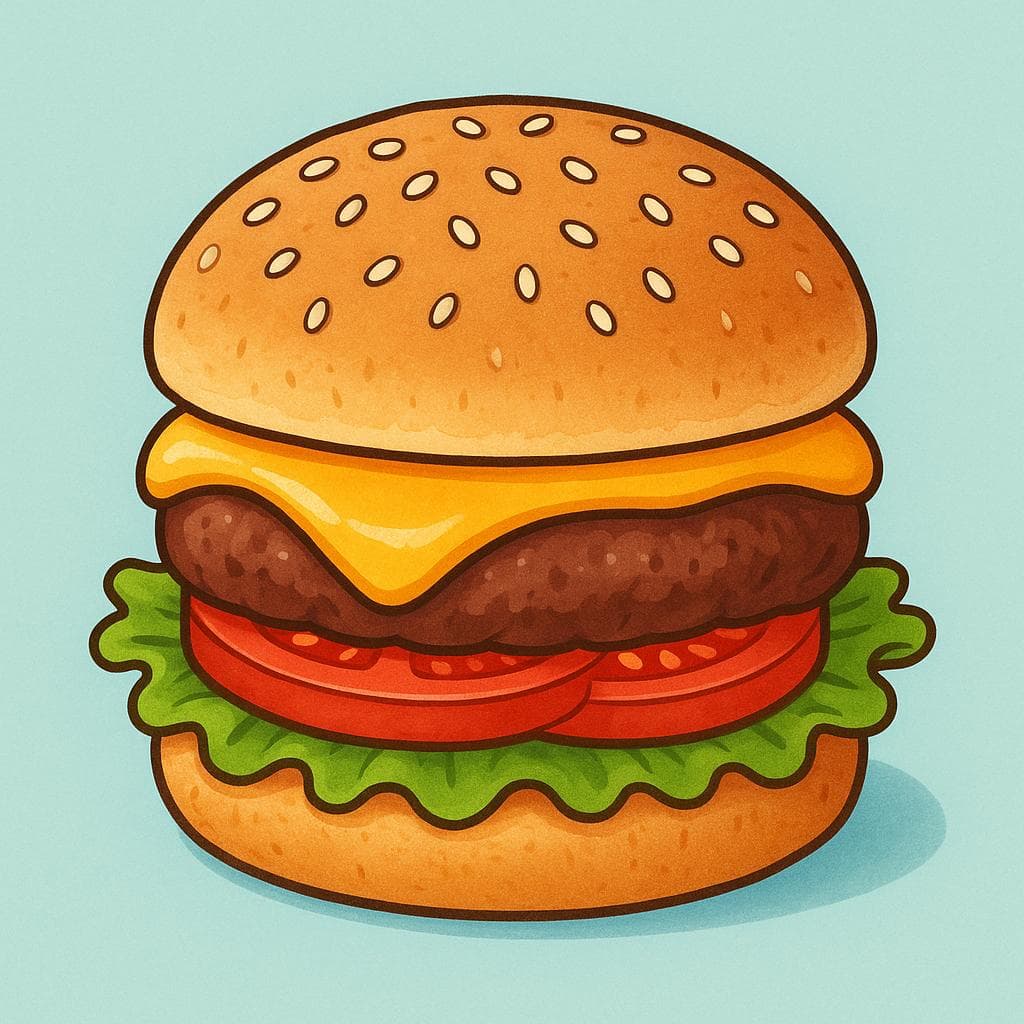
hamburger
“¿Pedimos una hamburguesa con queso y papas fritas?”
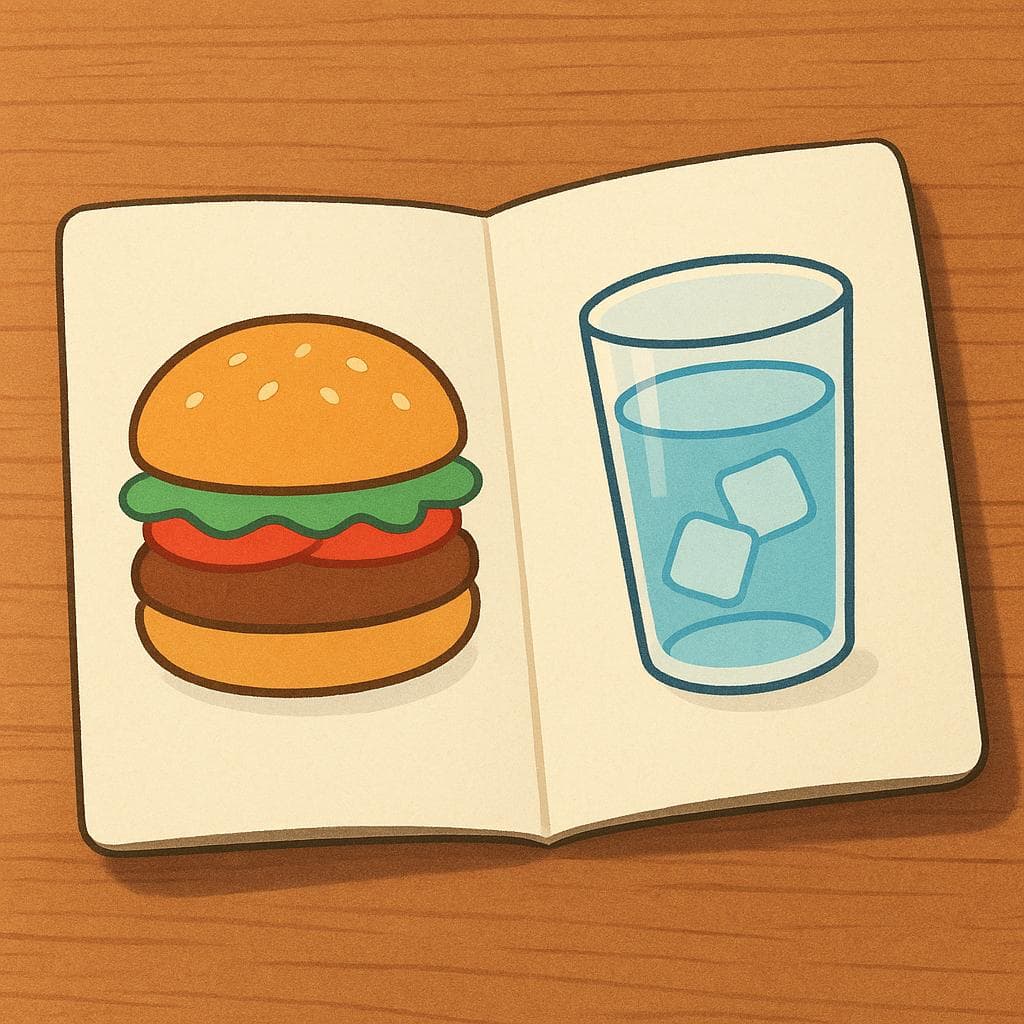
menu
“¿Podemos ver el menú, por favor?”
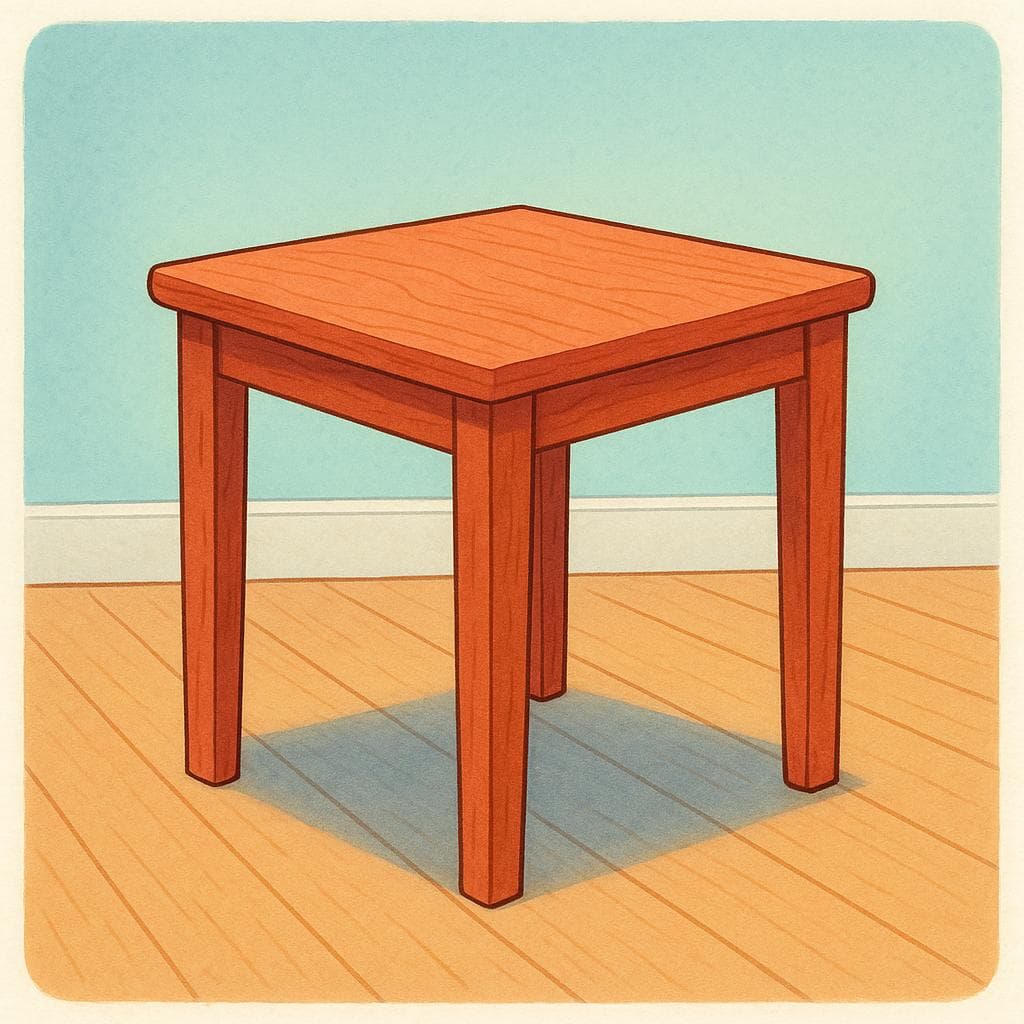
table
“La comida está en la mesa.”

eleven
“Mi hermana cumple once años mañana.”
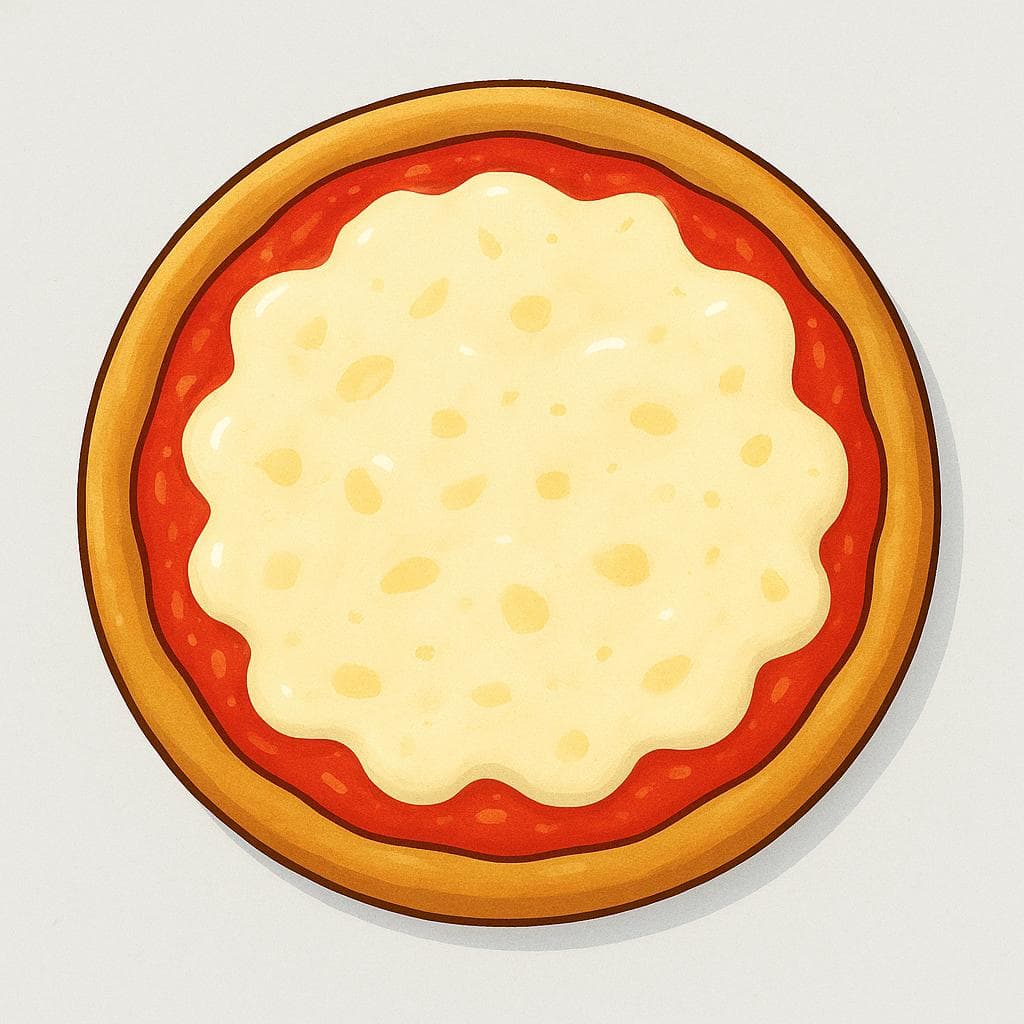
pizza
“¿Pedimos una pizza para cenar esta noche?”
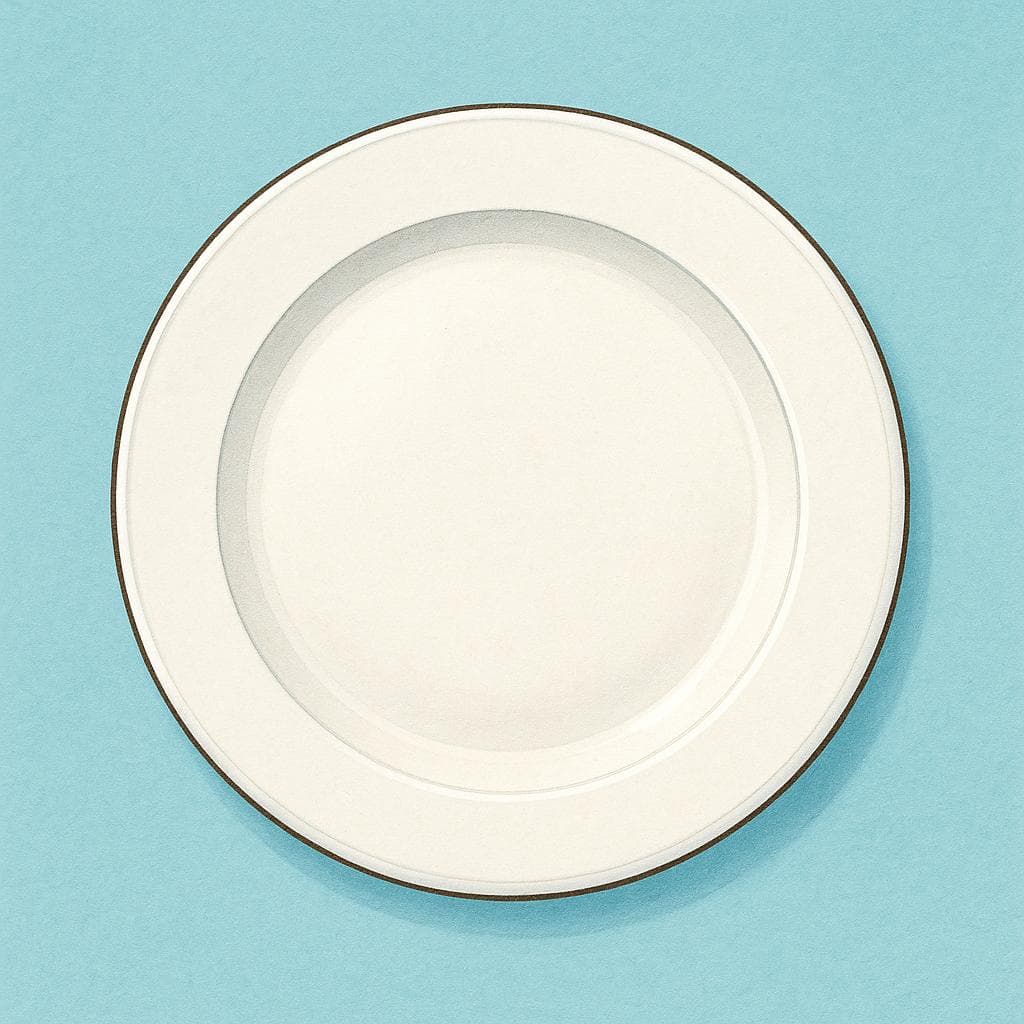
plate
“Por favor, pon los platos limpios en la mesa.”

slice
“Quiero una porción de pizza de pepperoni.”
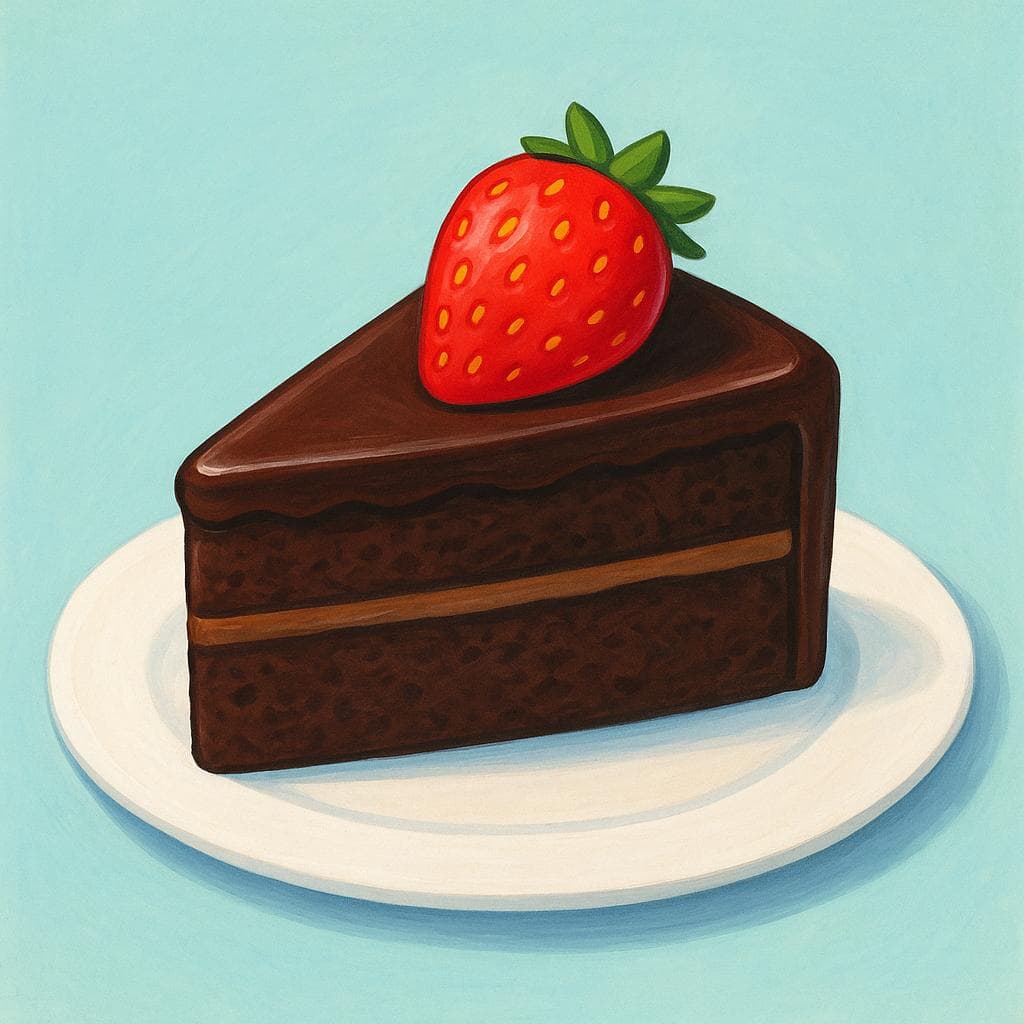
dessert
“¿Qué quieres de postre? Tenemos tarta de chocolate.”

tip
“¿Dejamos una propina del diez por ciento?”

scrambled
“Prefiero los huevos revueltos con un poco de sal.”
tasty
“Este pollo asado está muy sabroso.”
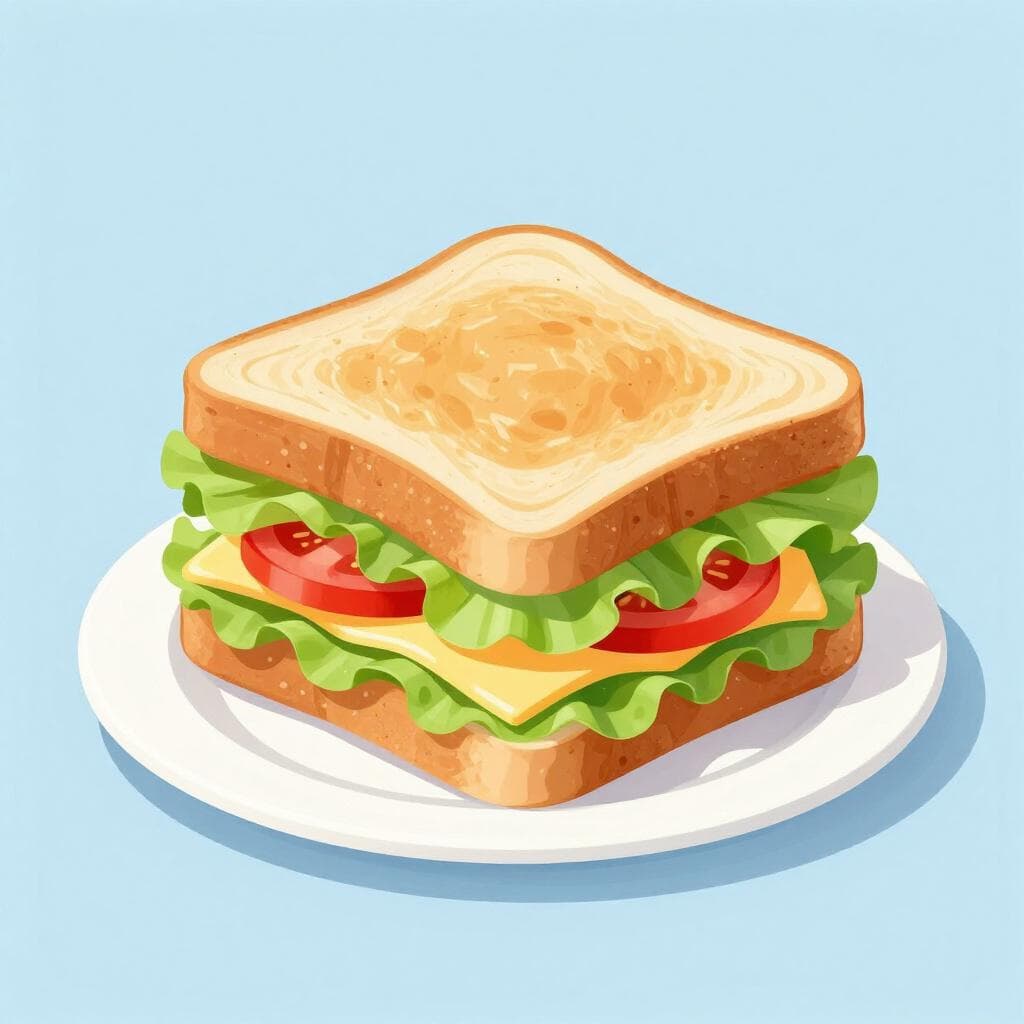
sandwich
“Quiero un sandwich de jamón y queso para el almuerzo.”
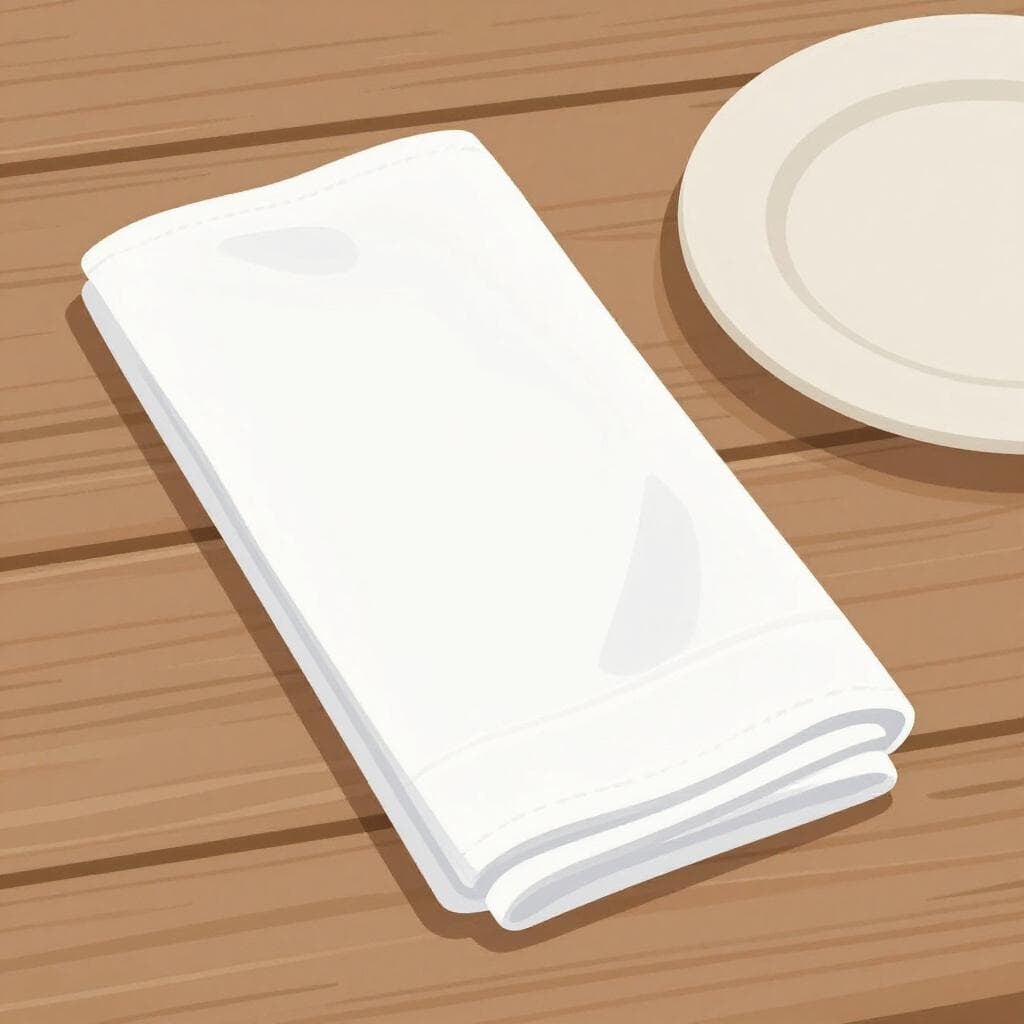
napkin
“¿Me pasas una servilleta, por favor?”
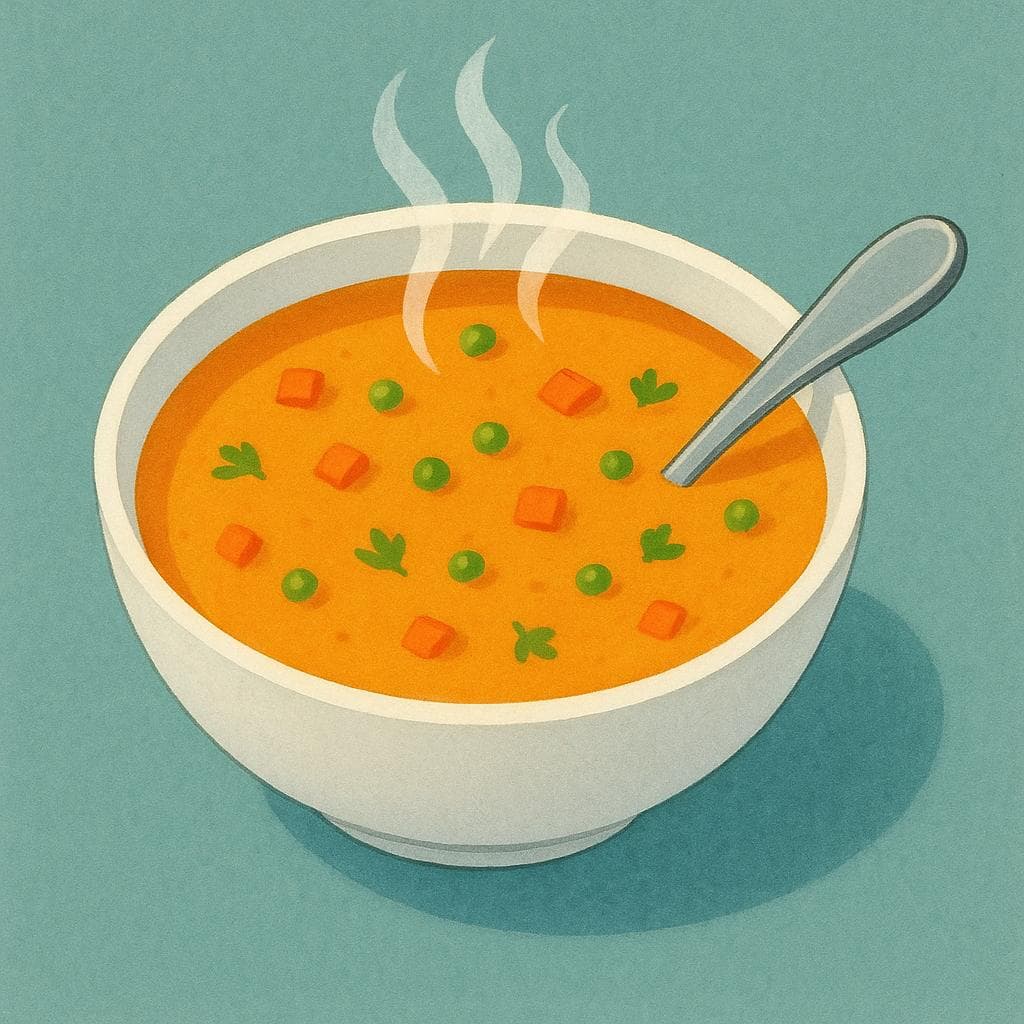
soup
“Mi abuela prepara la mejor sopa de verduras del mundo.”
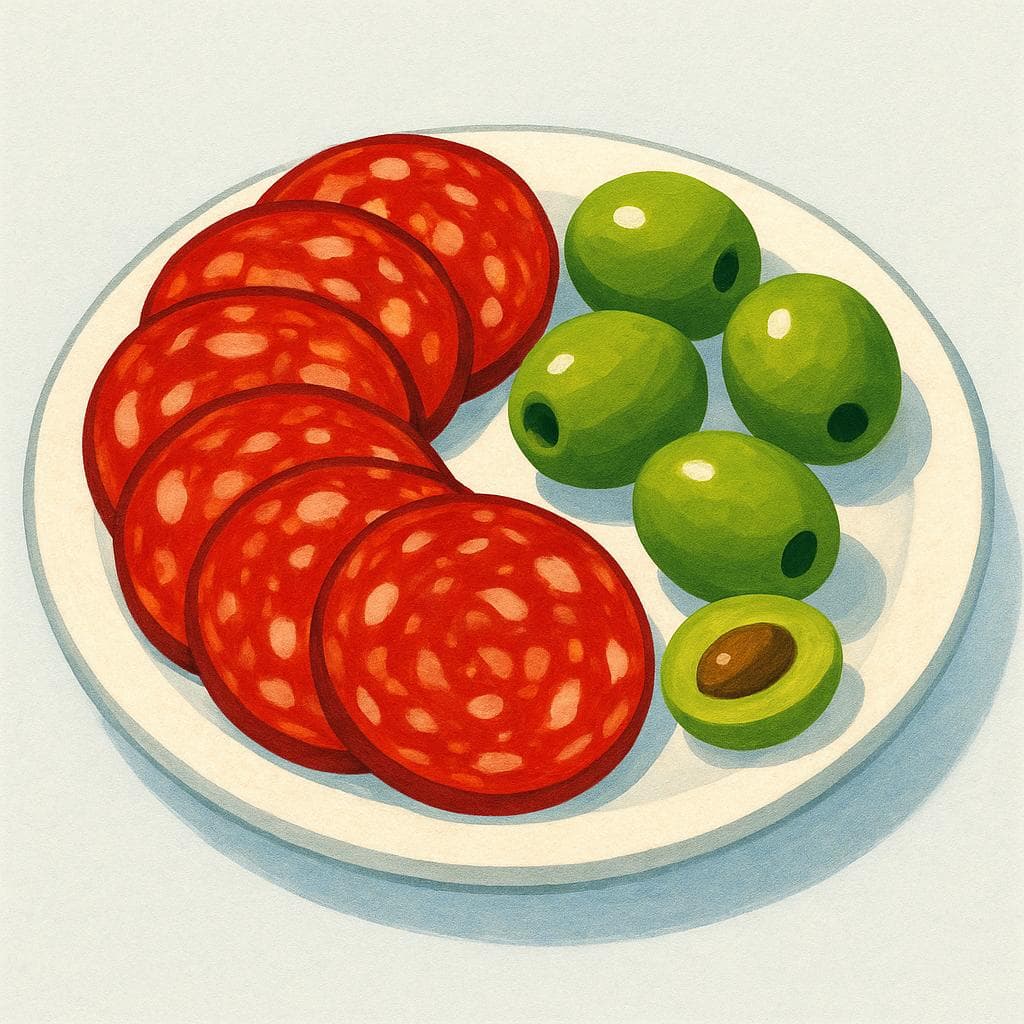
tapa
“Vamos a tomar una cerveza y unas tapas.”
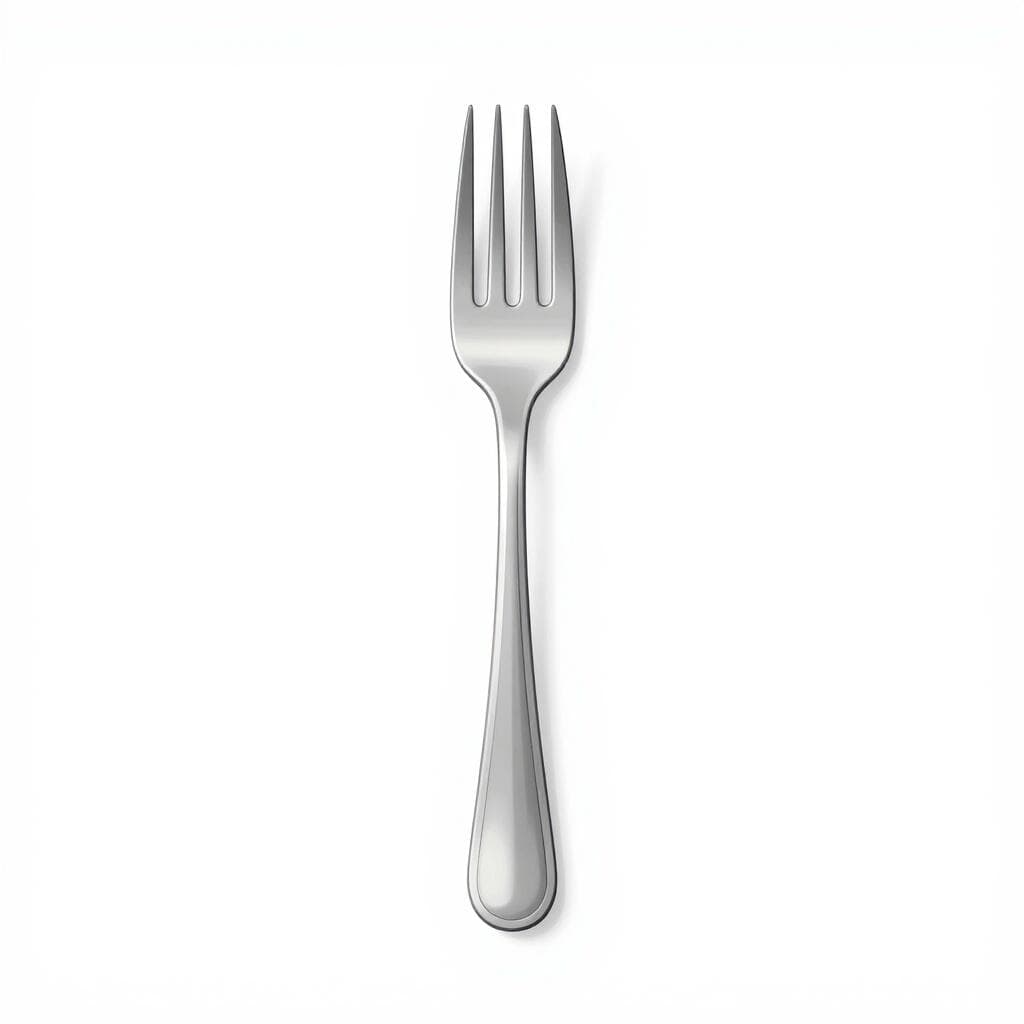
fork
“Necesito un tenedor para comer la carne.”

vegetarian
“Este restaurante tiene un menú vegetariano muy bueno.”
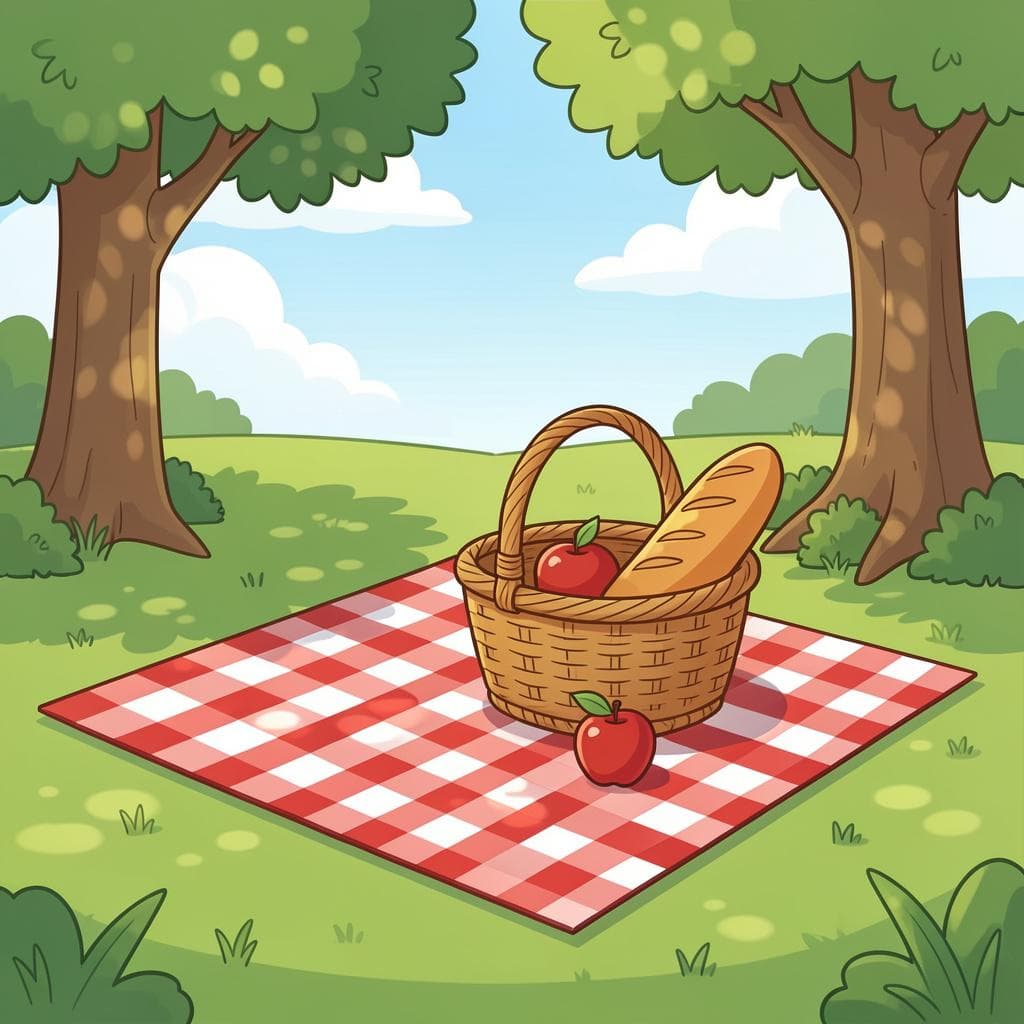
picnic
“Queremos hacer un picnic en el parque este domingo.”
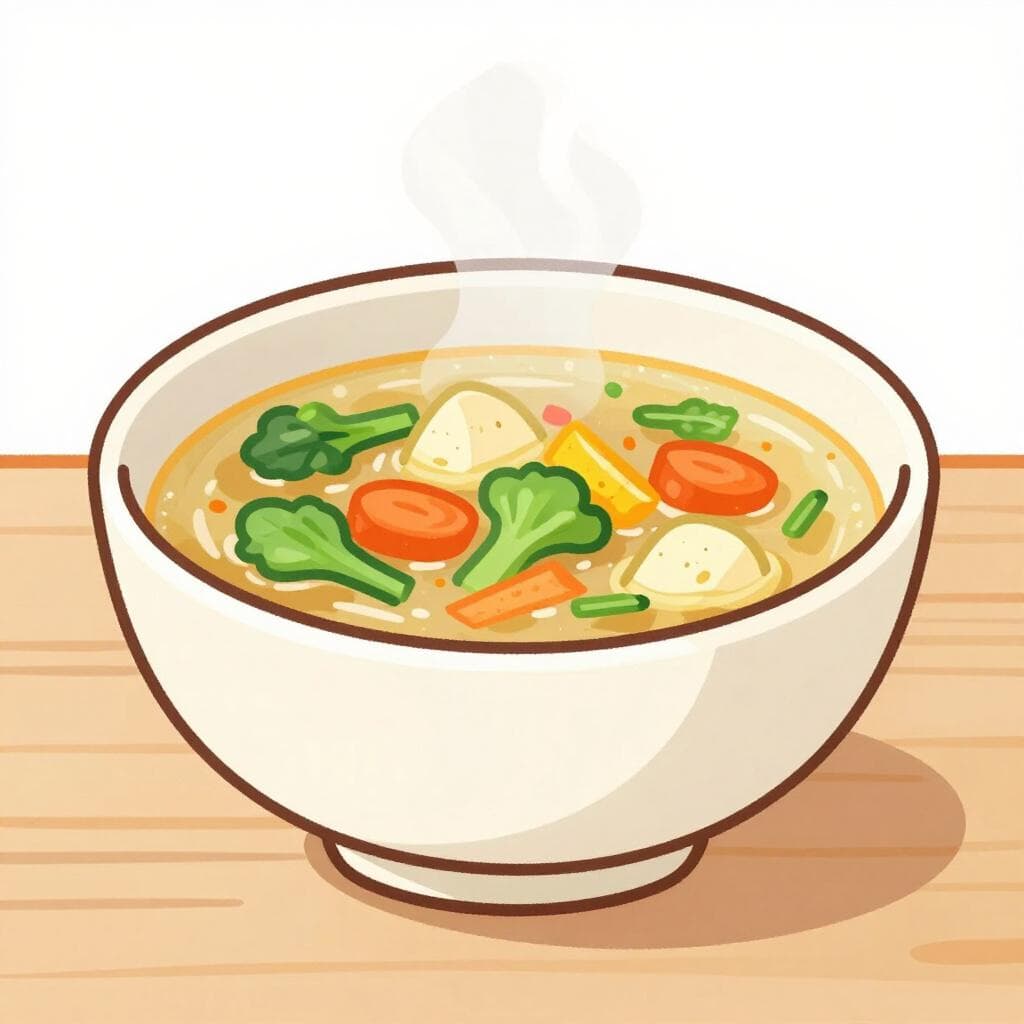
large bowl
“Me gusta comer mis cereales en un tazón grande.”
A2 — Elementary (13 words)
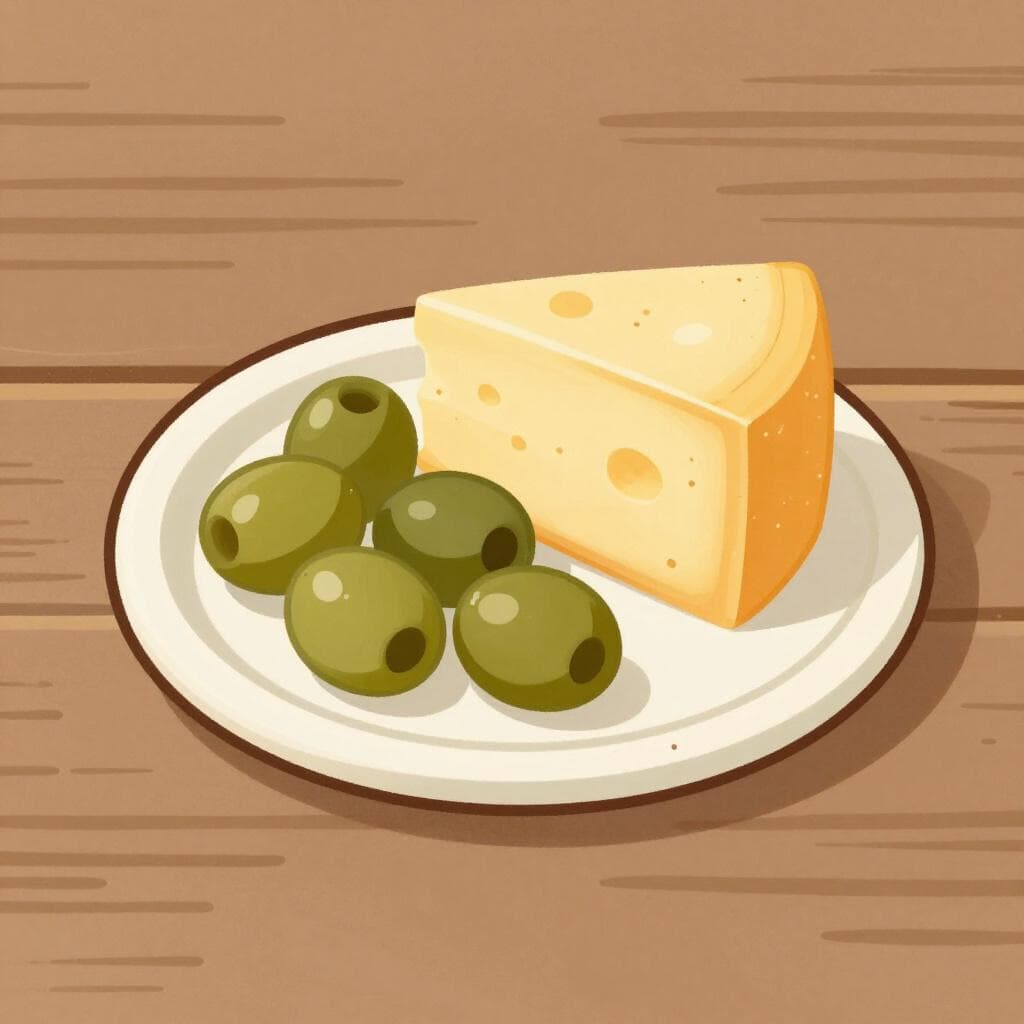
appetizer
“Antes de la cena, tomamos un aperitivo en la terraza.”
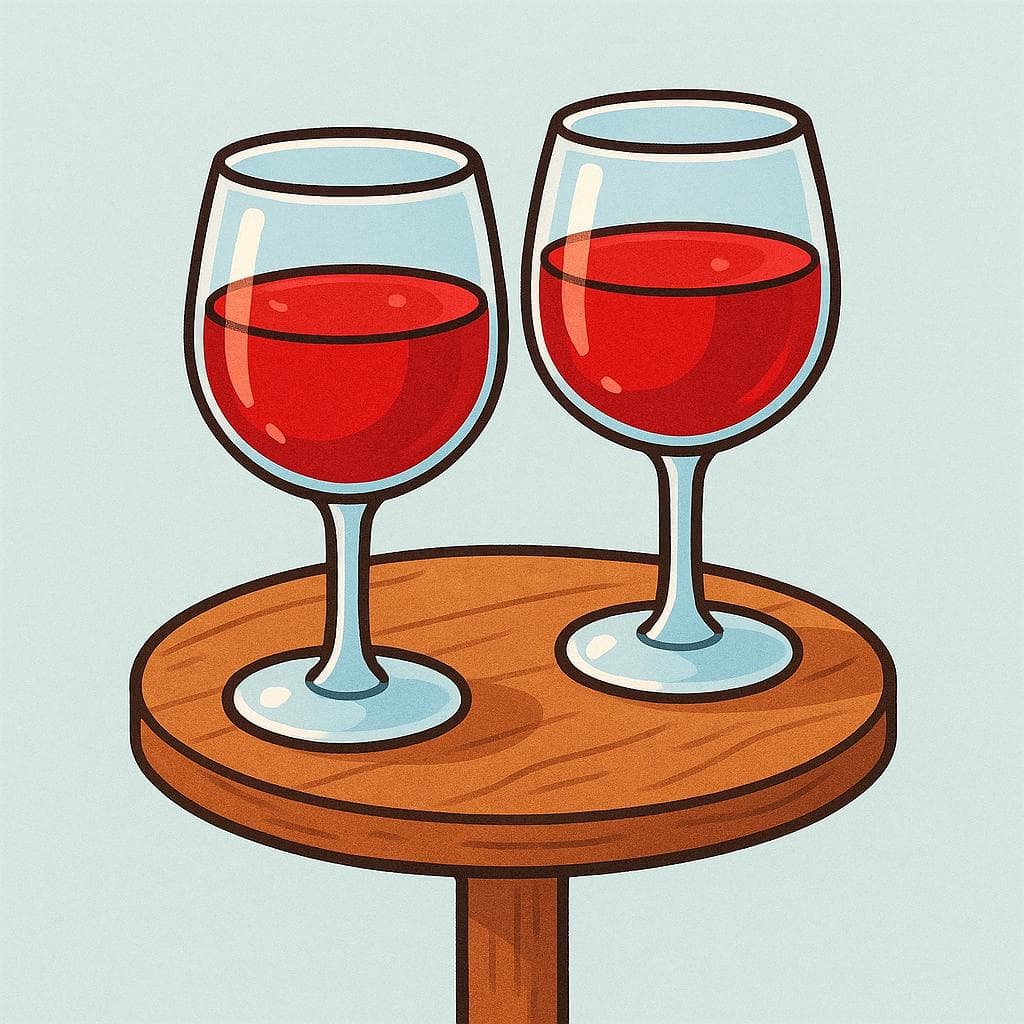
drinks
“¿Vamos a tomar unas copas después del trabajo?”

delicious
“El postre de chocolate está exquisito.”
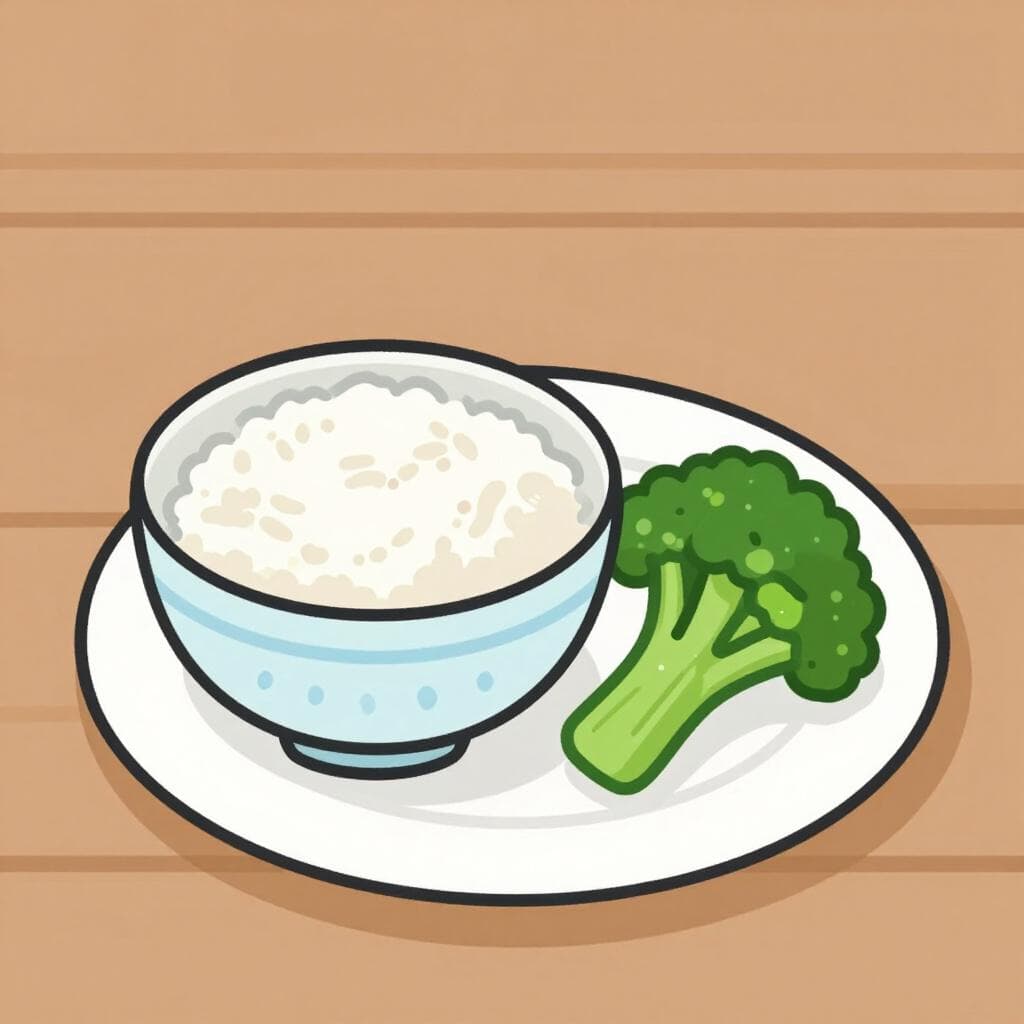
side dish
“Pedí el filete con una guarnición de papas fritas.”

snack platter
“Pedimos una picada para compartir entre los cuatro.”
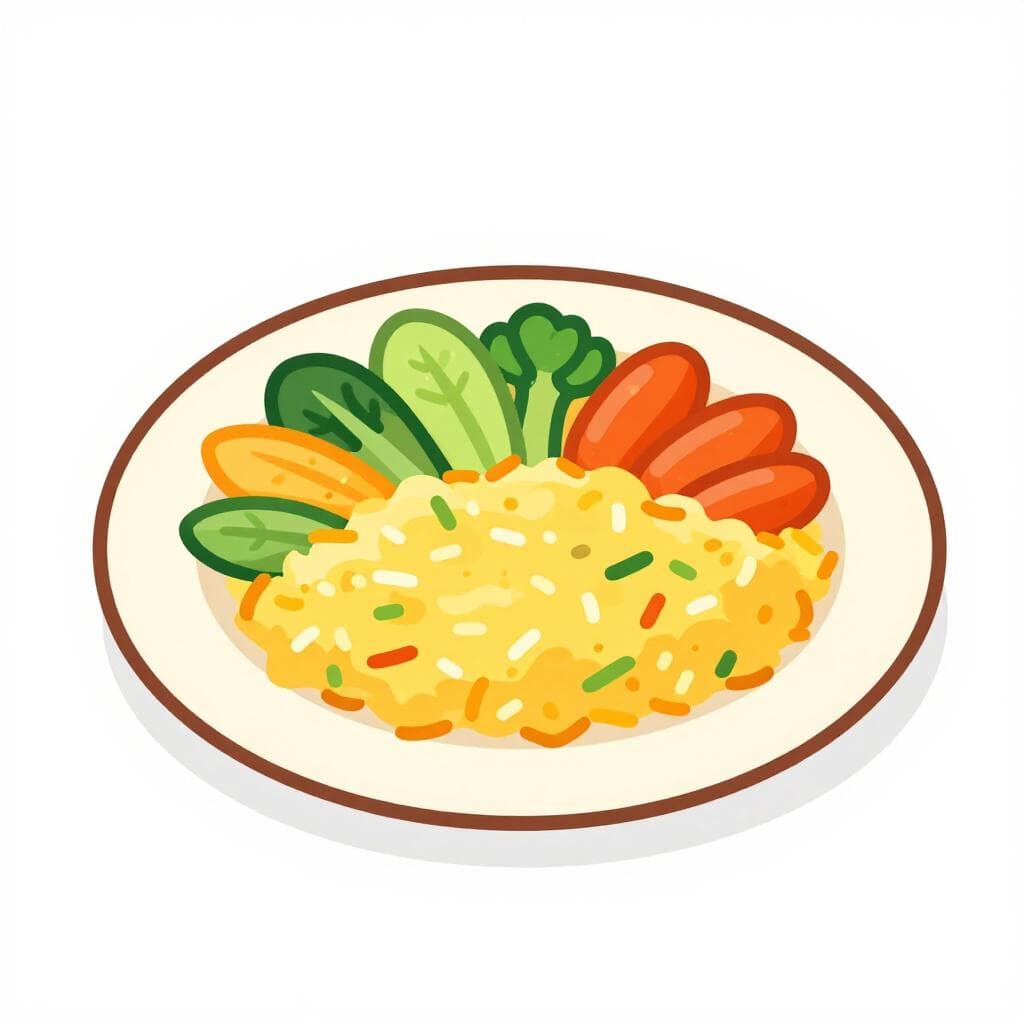
dish
“El mole es un platillo típico de México.”

benefit
“¡Buen provecho! Que disfruten la cena.”
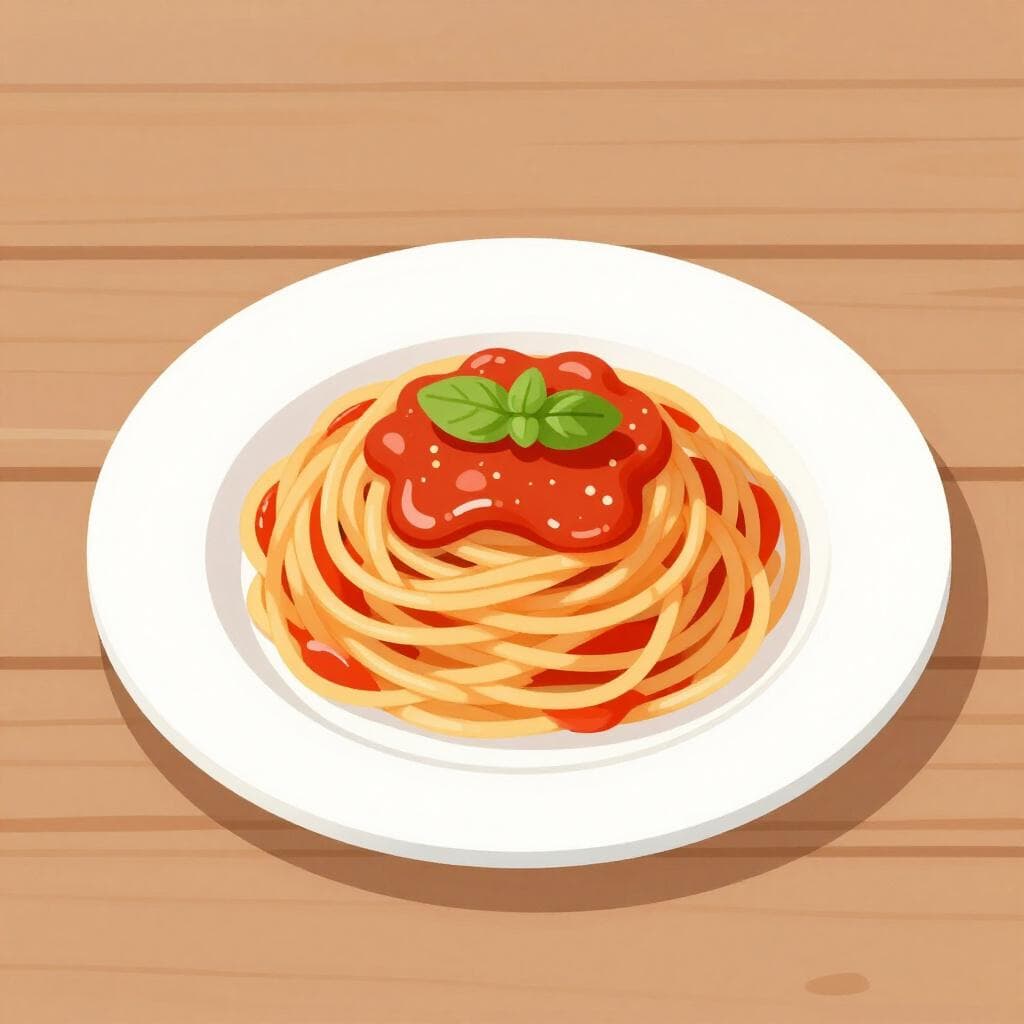
portion
“Comí una ración de arroz con pollo.”
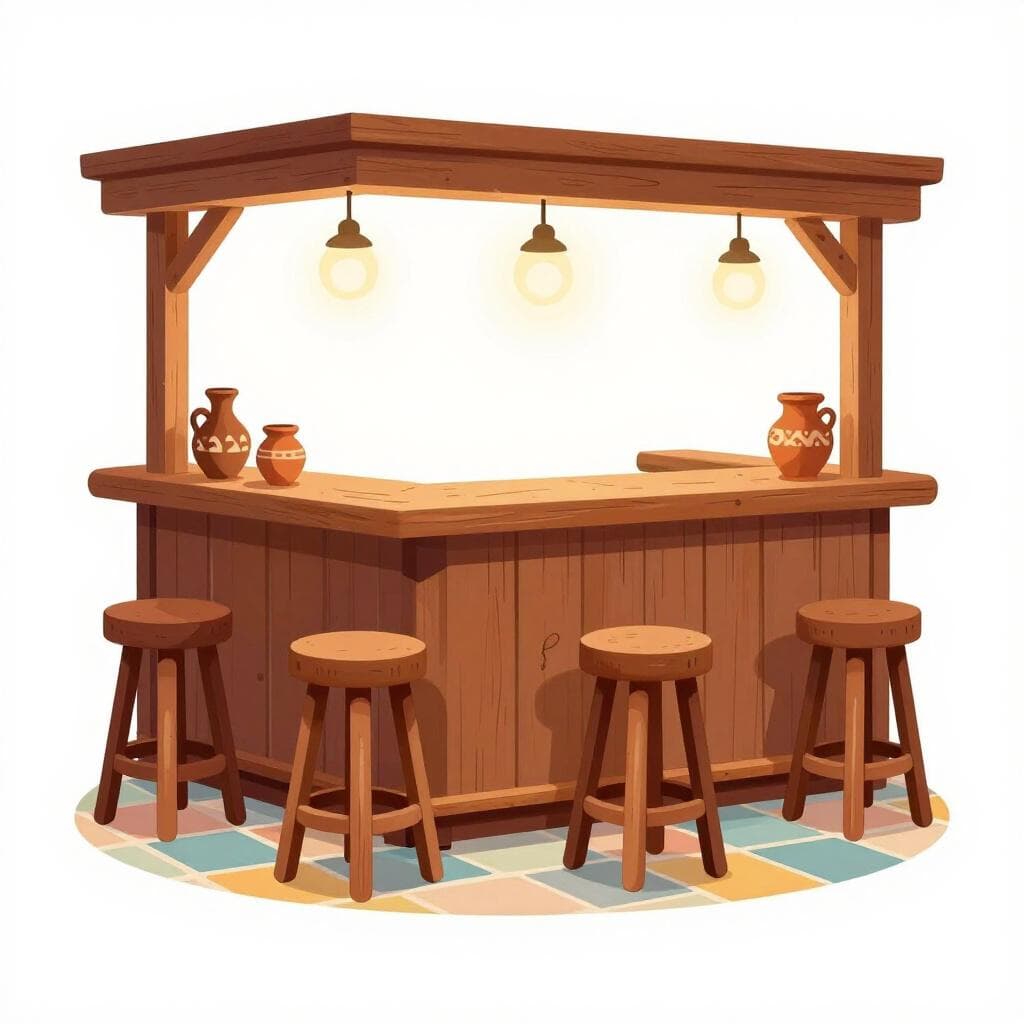
bar
“Vamos a la cantina para tomar unos tequilas y comer botanas.”
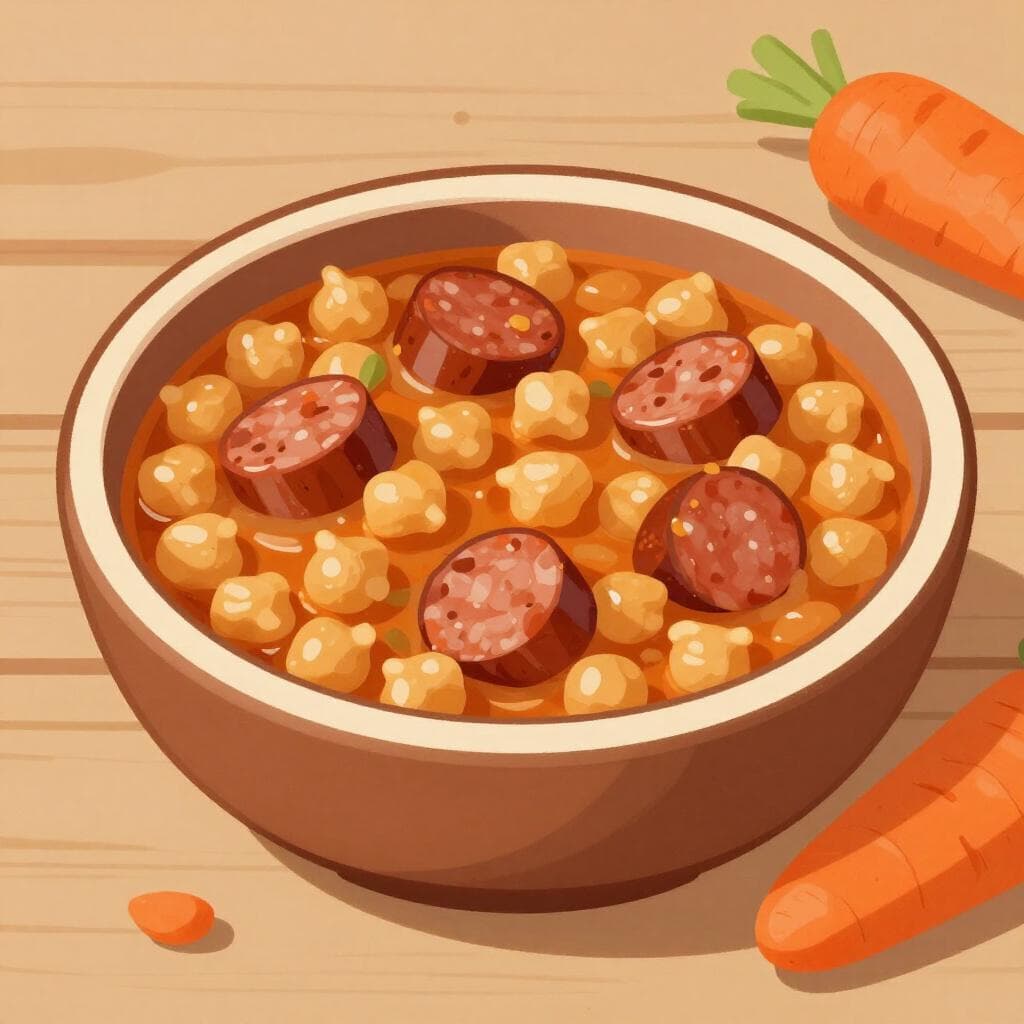
stew
“El cocido madrileño es el plato más famoso de la capital.”
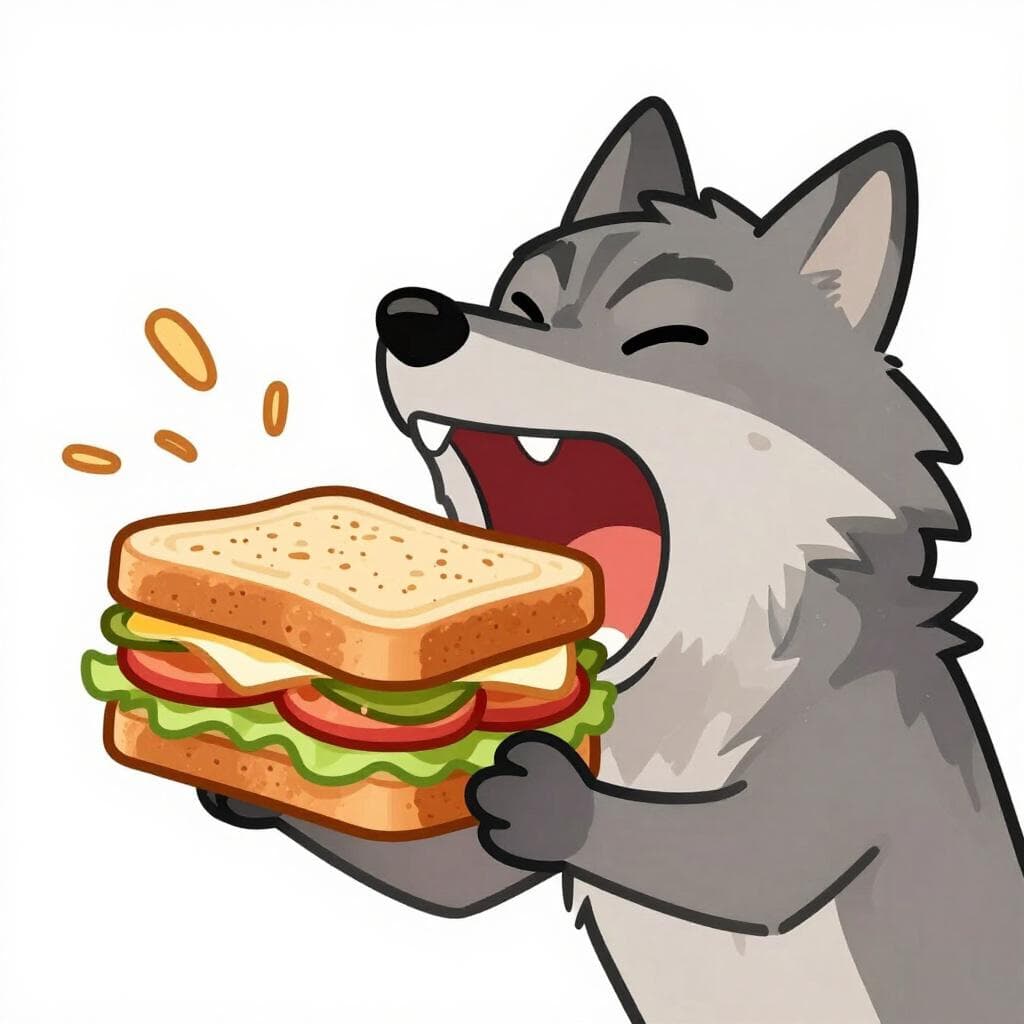
to devour
“El perro devoró su comida en diez segundos.”

to savor
“Me gusta saborear el café lentamente por la mañana.”
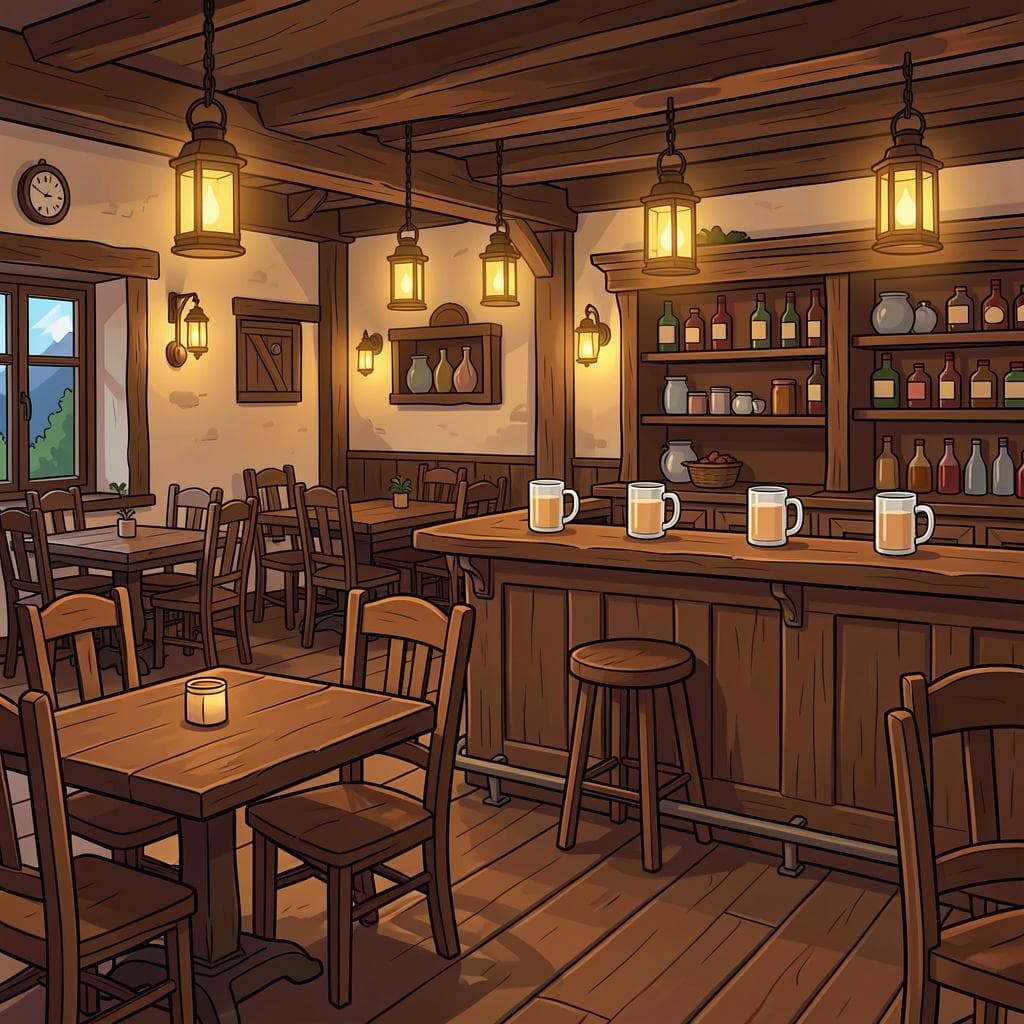
tavern
“Quedamos en la taberna de la esquina para tomar un vino.”
B1 — Intermediate (2 words)
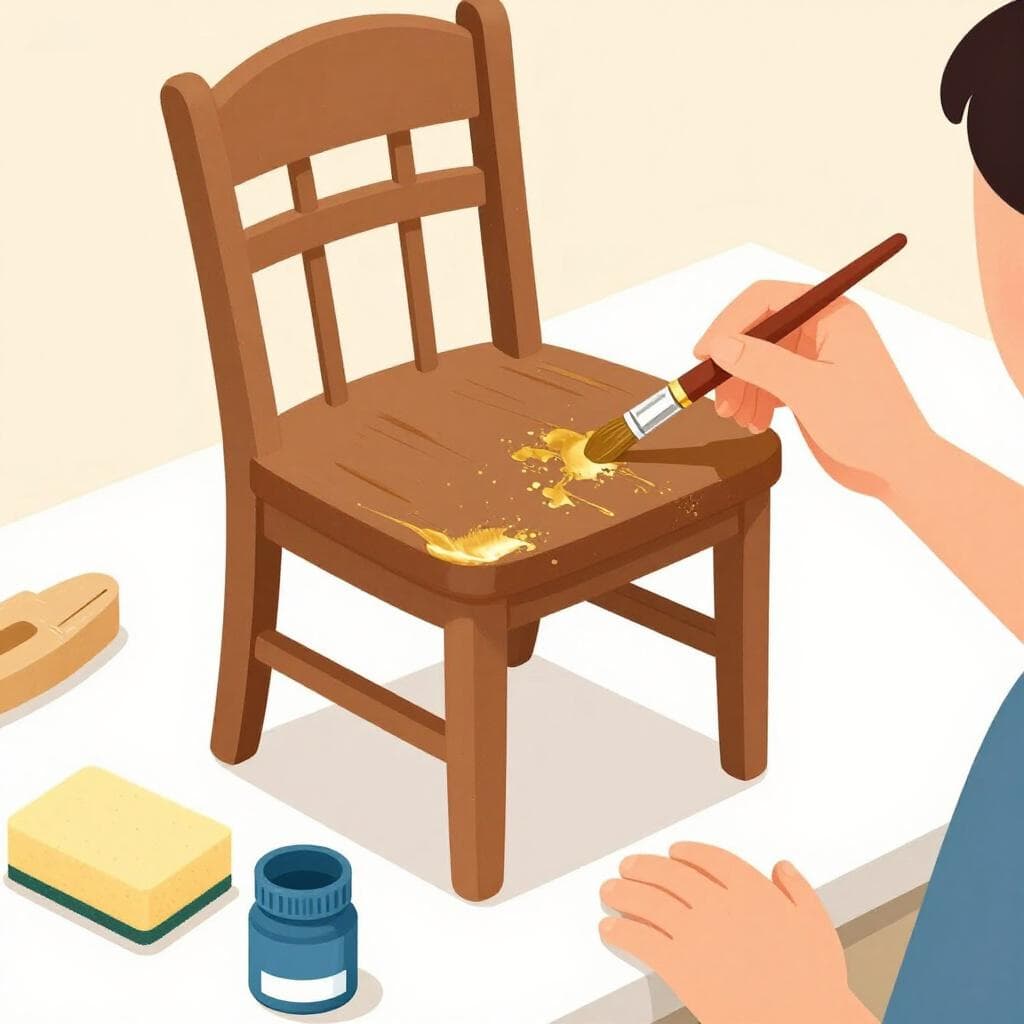
restoration
“La restauración de este cuadro antiguo llevó muchos meses.”
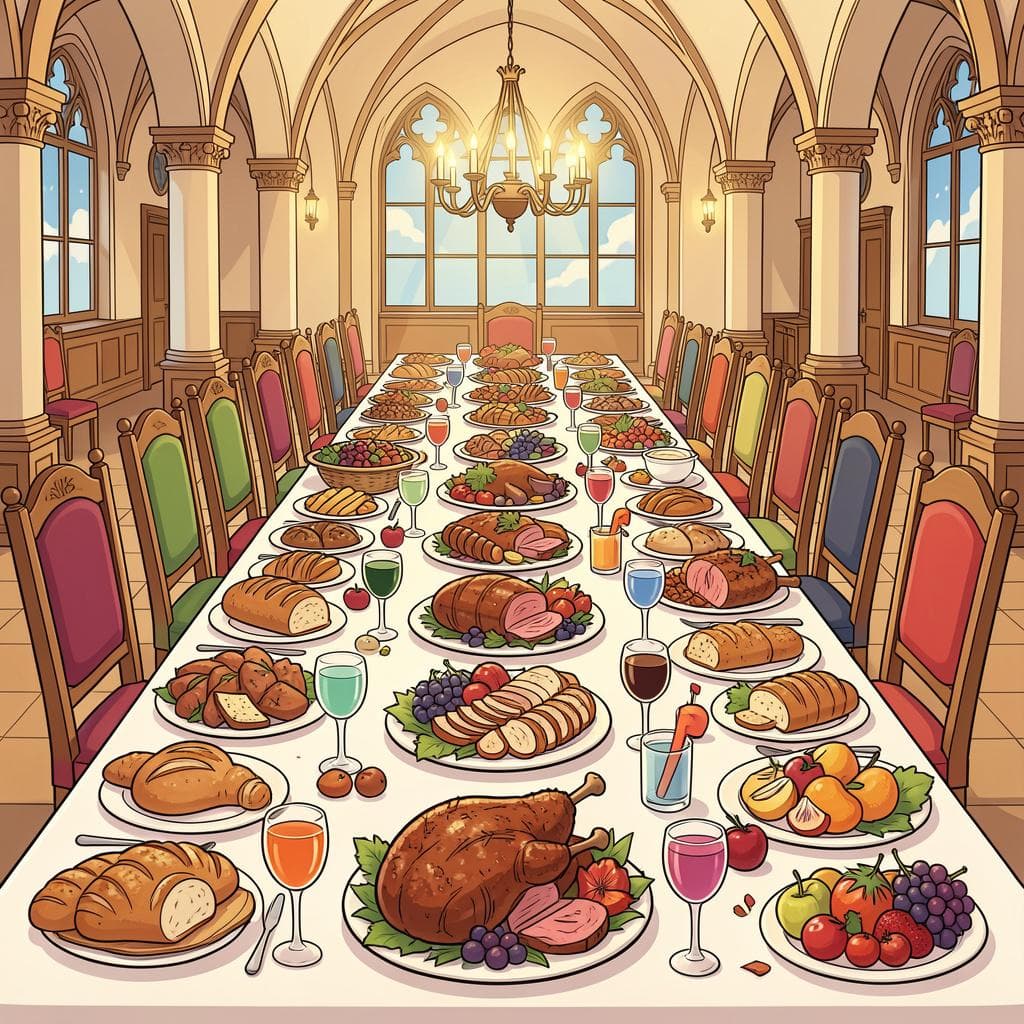
banquet
“El banquete de la boda fue espectacular.”
Grammar Tips
Meal Verbs: Reflexive and Common Usage
Many meal-related verbs are reflexive (e.g., *desayunarse*, *almorzarse*, *cenarse*), especially when emphasizing the act of having the meal. However, non-reflexive forms like *desayunar*, *almorzar*, and *cenar* are more common and widely understood for simply 'to eat' a specific meal.
Gender Agreement with Food
When describing food or dishes, remember that nouns have gender. Adjectives must agree in gender and number with the noun they modify. For example, 'the red apple' is 'la manzana roja' (feminine), while 'the red wine' is 'el vino tinto' (masculine).
Plurals of Food Items
Forming plurals for food items generally follows standard Spanish rules: add '-s' to words ending in a vowel and '-es' to words ending in a consonant. For instance, 'la uva' (grape) becomes 'las uvas', and 'el pastel' (cake) becomes 'los pasteles'.
Common Mistakes
Incorrect adjective placement
Mistake: “Quiero comer la roja manzana.”
Correction: Quiero comer la manzana roja. — In Spanish, descriptive adjectives like colors typically come *after* the noun they modify.
Using 'tener' instead of specific meal verbs
Mistake: “Tengo el desayuno ahora.”
Correction: Tengo un desayuno ligero ahora. OR Desayuno ahora. — While 'tener' means 'to have', it's less common for the act of eating a specific meal. Use specific verbs like *desayunar*, *almorzar*, *cenar*, or use 'tener' with a noun that describes the meal (e.g., 'tener un desayuno ligero' - to have a light breakfast).
Confusing 'carta' and 'menú'
Mistake: “¿Me da la menú, por favor?”
Correction: ¿Me da la carta, por favor? — 'La carta' refers to the full menu with all dishes and prices. 'El menú' often refers to a fixed-price set meal, common at lunchtime.
Cultural Notes
Meal Times: A Spanish Schedule
In Spain, meal times are often later than in many English-speaking countries. Lunch (*almuerzo*) is typically between 2:00 PM and 4:00 PM, and dinner (*cena*) is usually after 9:00 PM, sometimes even later. This later schedule is a key cultural difference to be aware of.
Tapas Culture
The concept of 'tapas' is central to Spanish dining culture, especially in regions like Andalusia. Tapas are small portions of food served as appetizers, often with drinks, and can sometimes constitute a meal in themselves. They encourage social interaction and trying a variety of flavors.