abajo
“abajo” significa “giù” in spagnolo. Ha 2 significati diversi a seconda del contesto:
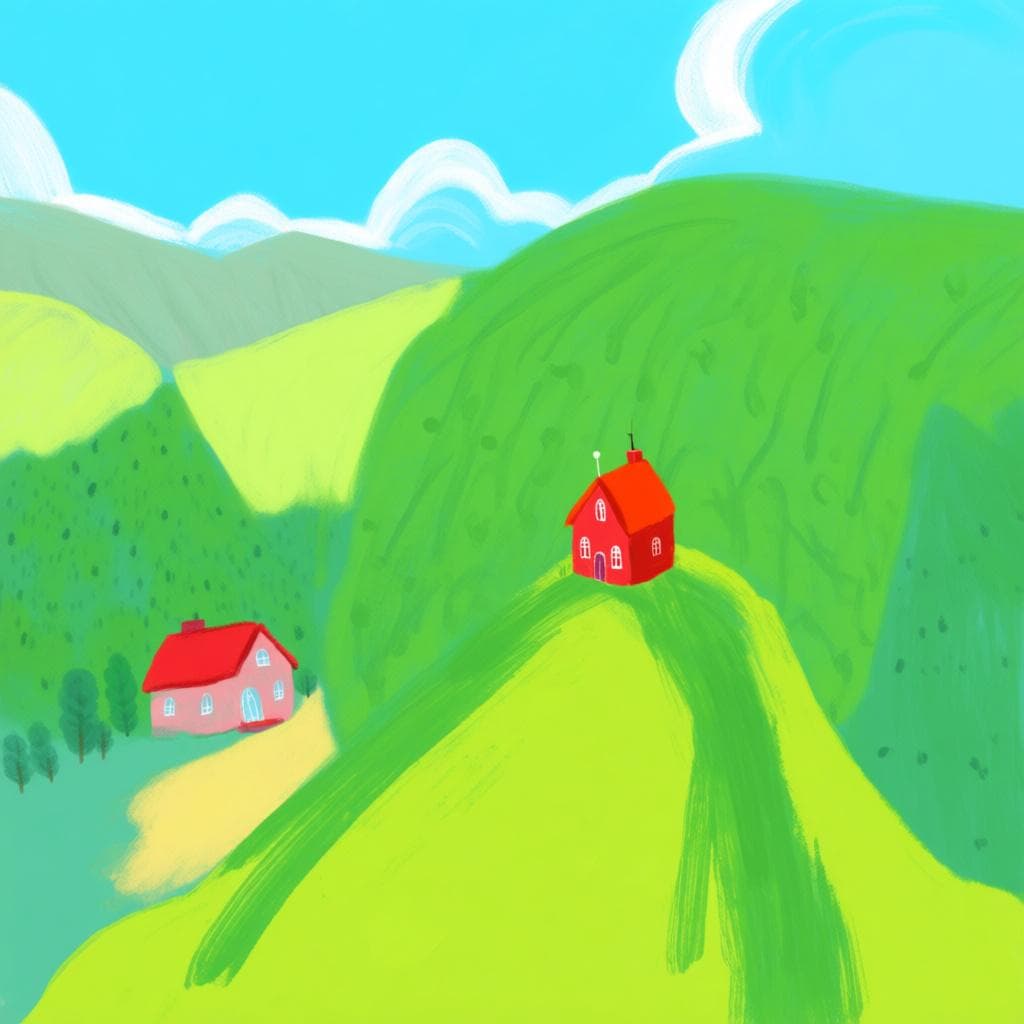
giù, sottoAnche: di sotto
📝 In Azione
El gato está abajo.
A1The cat is downstairs.
Mira hacia abajo y verás las flores.
A1Look down and you'll see the flowers.
Vivimos en el piso de abajo.
A2We live on the floor below.
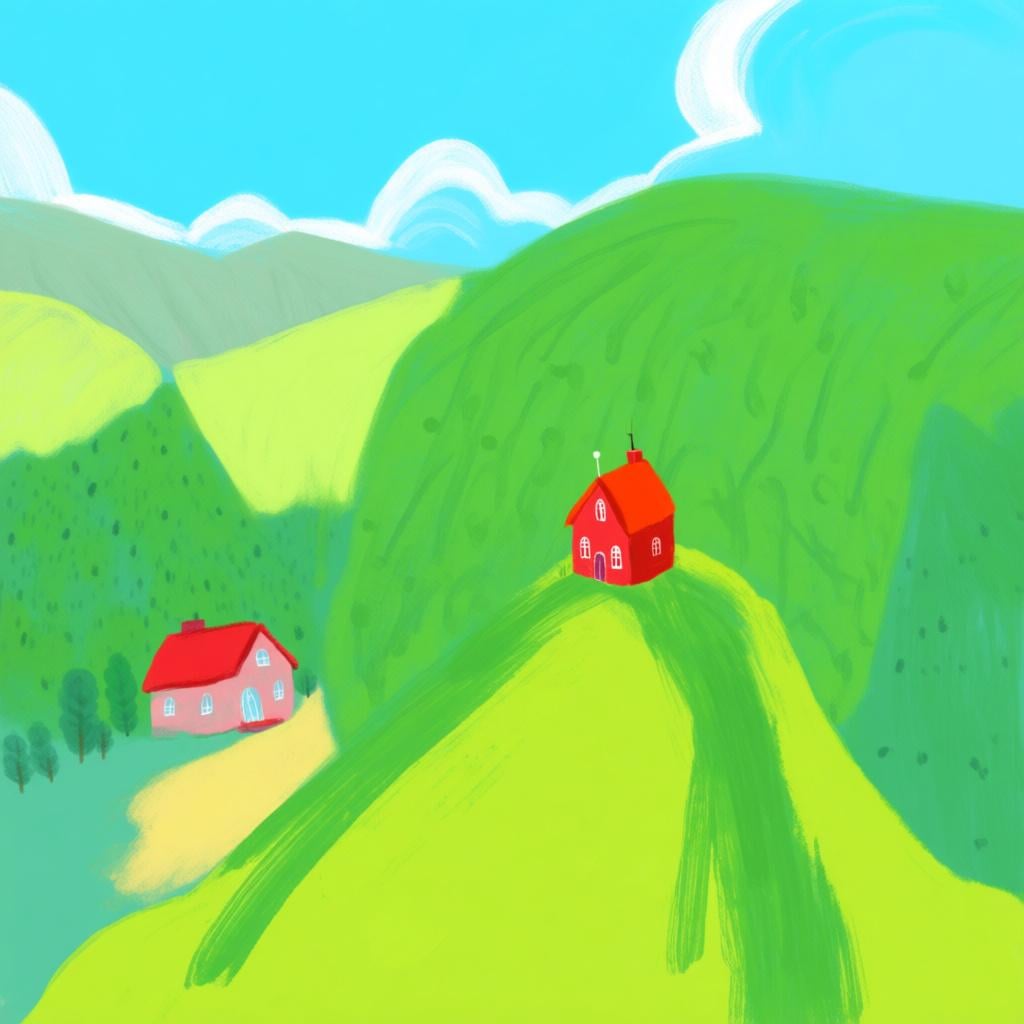
La pelota rodó cuesta abajo.
B1The ball rolled downhill.
Connessioni di Parole
Abbasso...!
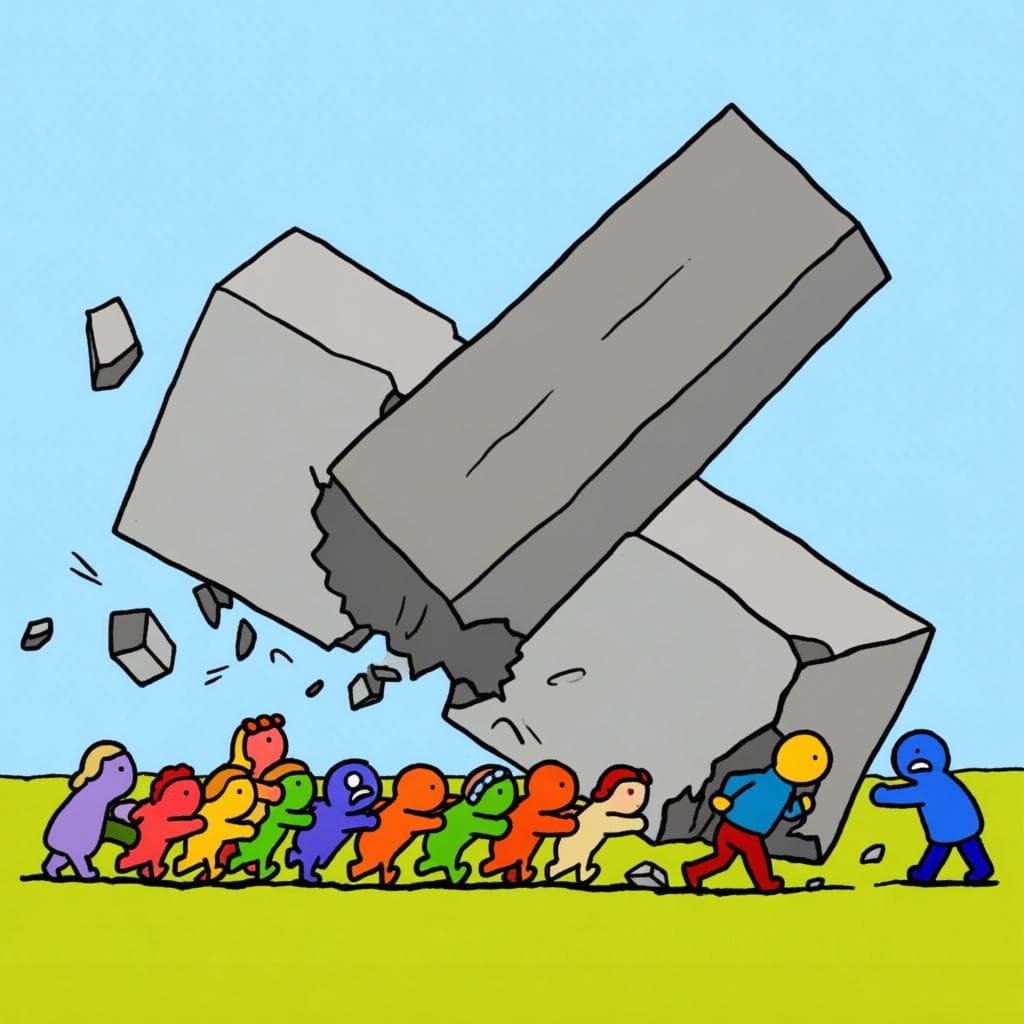
📝 In Azione
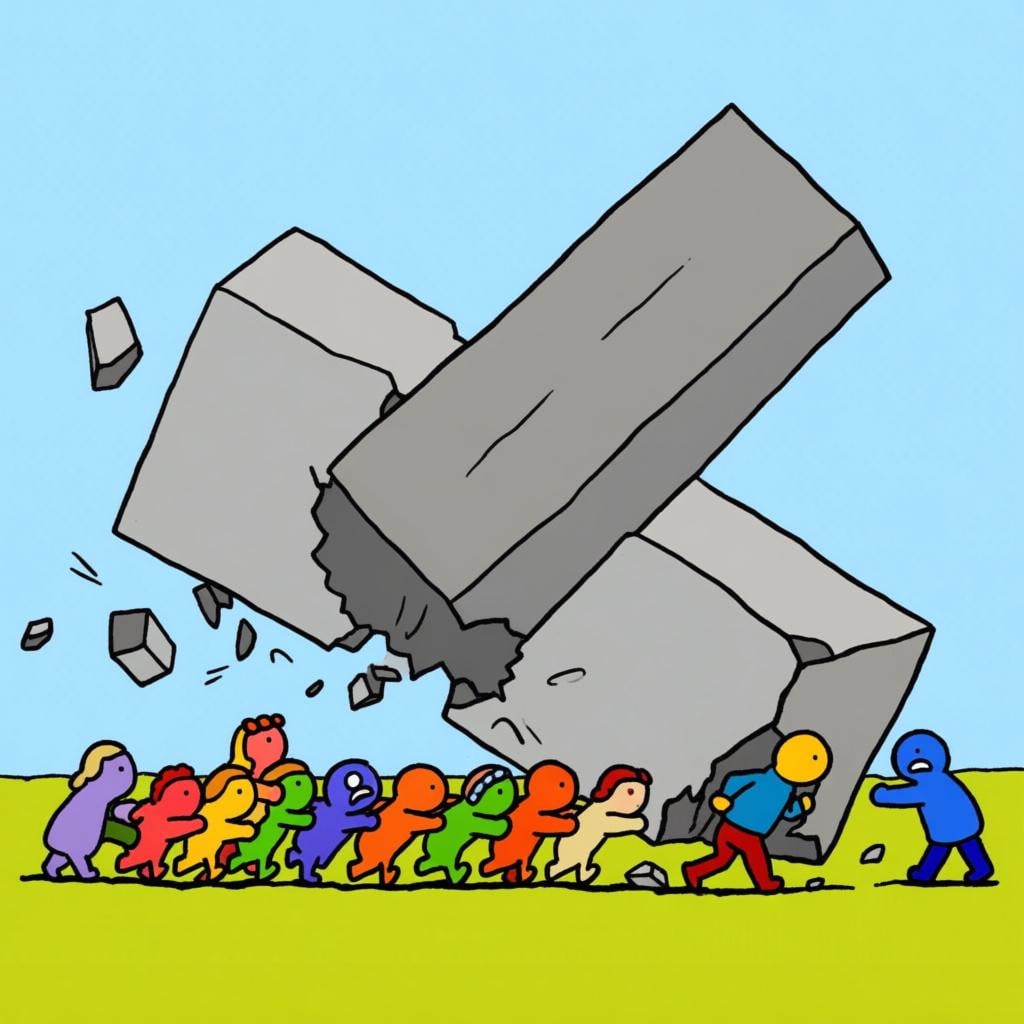
¡Abajo la dictadura!
B2Down with the dictatorship!
Los manifestantes gritaban: '¡Abajo el gobierno!'
C1The protesters were shouting: 'Down with the government!'
Connessioni di Parole
🔀 Commonly Confused With
Traduci in spagnolo
Parole che si traducono come "abajo" in spagnolo:
✏️ Esercizio rapido
Quiz veloce: abajo
Domanda 1 di 2
Which sentence correctly uses 'abajo'?
📚 Altre risorse
👥 Famiglia di Parole
🎵 Rime
📚 Etimologia
Comes from the combination of the Latin prefix 'ad-' (meaning 'to' or 'towards') and the Late Latin word 'bassus' (meaning 'low' or 'short'). It literally means 'towards the low part'.
Prima attestazione: Around the 12th century
Cognati (Parole correlate)
💡 Padroneggia lo Spagnolo
Porta il tuo spagnolo al livello successivo. Leggi oltre 200 storie spagnole illustrate e narrate adatte al tuo livello con l''app Inklingo!
Domande Frequenti
What's the real difference between 'abajo', 'debajo de', and 'bajo'?
It's a common point of confusion! Here's a simple way to think about it: 'Abajo' is a general location or direction ('down there', 'downstairs'). 'Debajo de' and 'bajo' both mean 'under' a specific thing and need an object after them ('under the table'). 'Debajo de' is more common in everyday speech, while 'bajo' can sound a bit more formal or literary, but they are often interchangeable.
Can I say 'ir para abajo'?
Yes, absolutely! 'Ir para abajo' or simply 'ir abajo' both mean 'to go down'. Adding 'para' can sometimes emphasize the direction or destination. Both are very common and sound natural.