Inklingo
辞書

abajo

下へ?general direction or location,下に?in a lower position
他にも:階下へ?on a lower floor of a building

ah-BAH-hoh

/aˈβaxo/
neutral
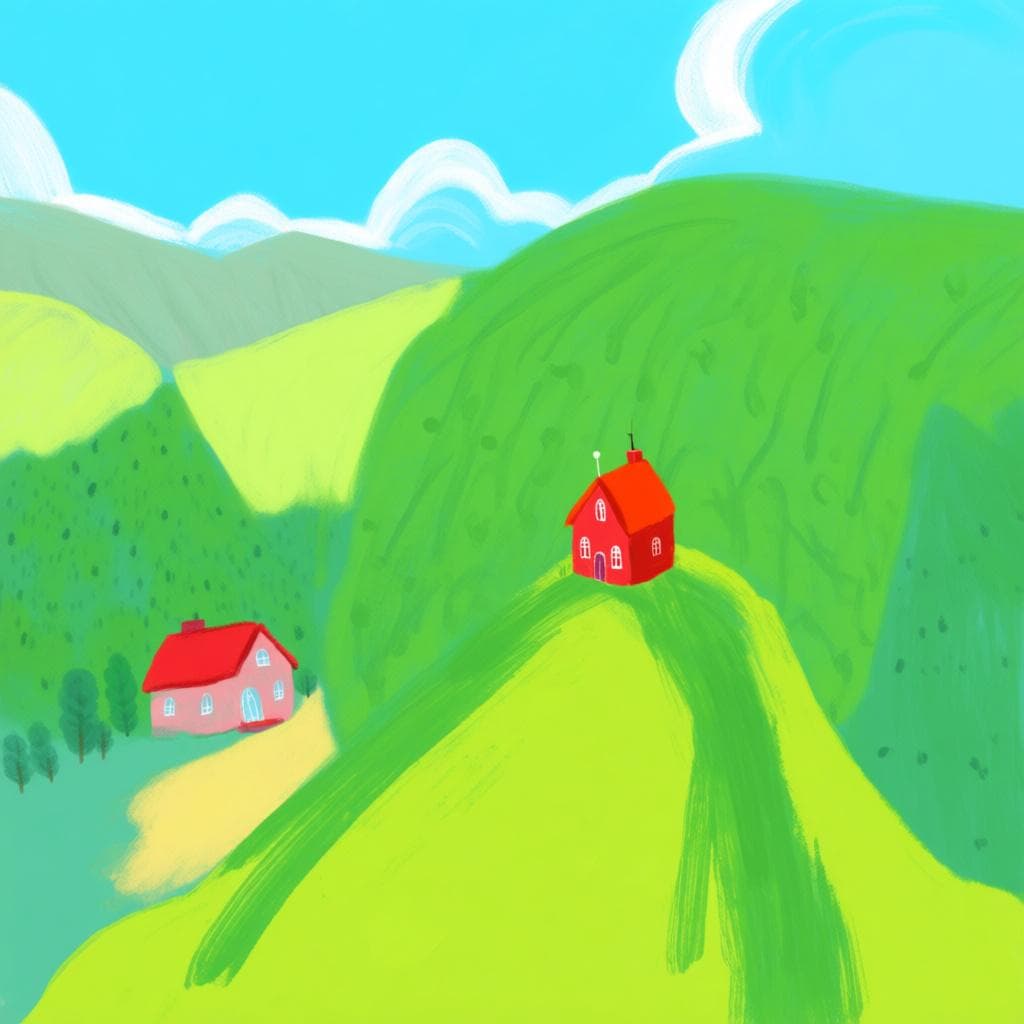
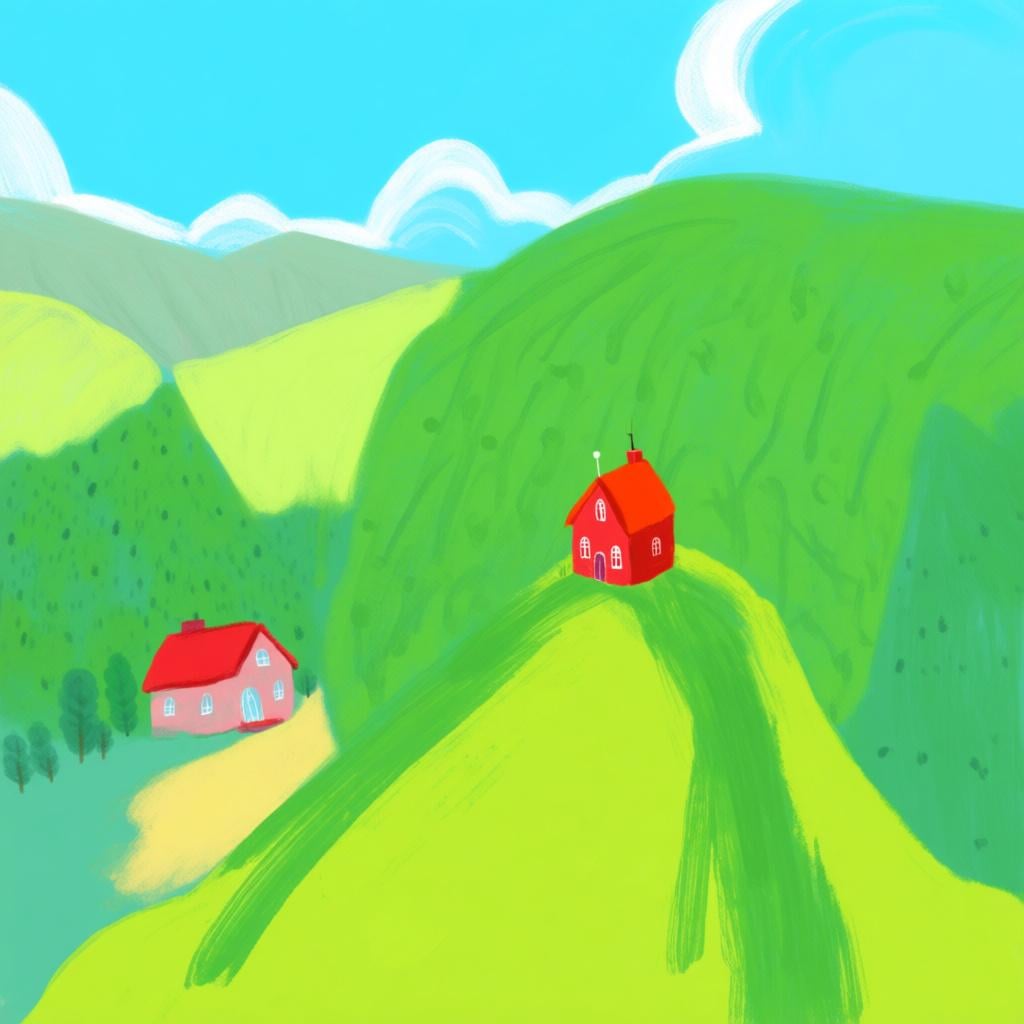
A child standing on the peak of a grassy hill, gazing downwards towards a small red house nestled far below in the valley.

As an adverb, abajo means 'down' or 'below'. The image shows the house is located abajo (below) the other house.

abajo(副詞)

A1

下へ

?

general direction or location

,

下に

?

in a lower position

他にも:

階下へ

?

on a lower floor of a building

📝 使用例

El gato está abajo.

A1

The cat is downstairs.

Mira hacia abajo y verás las flores.

A1

Look down and you'll see the flowers.

Vivimos en el piso de abajo.

A2

We live on the floor below.

La pelota rodó cuesta abajo.

B1

The ball rolled downhill.

関連語

類義語

対義語

よく使うコロケーション

  • hacia abajodownwards
  • calle abajodown the street
  • cuesta abajodownhill
  • de arriba abajofrom top to bottom

慣用句・表現

  • venirse abajoto collapse emotionally or physically; for a plan or building to fall apart

💡 文法のポイント

Abajo vs. Debajo de

Think of 'abajo' as the general idea of 'down' or 'downstairs'. Use 'debajo de' when you mean 'under' a specific object. For example, 'El perro está abajo' (The dog is downstairs), but 'El perro está debajo de la mesa' (The dog is under the table).

❌ よくある間違い

Confusing 'Abajo' with 'Bajo'

間違い:El libro está abajo la mesa.

正しい表現: Say 'El libro está bajo la mesa' or '...debajo de la mesa.' 'Bajo' and 'debajo de' act like the English word 'under' and need to be followed by the thing you are under. 'Abajo' usually stands on its own.

⭐ 使い方のヒント

A Stand-Alone Word

You can often use 'abajo' all by itself. If someone upstairs asks '¿Dónde estás?' (Where are you?), you can just shout back '¡Abajo!' (Downstairs!). It's a complete answer.

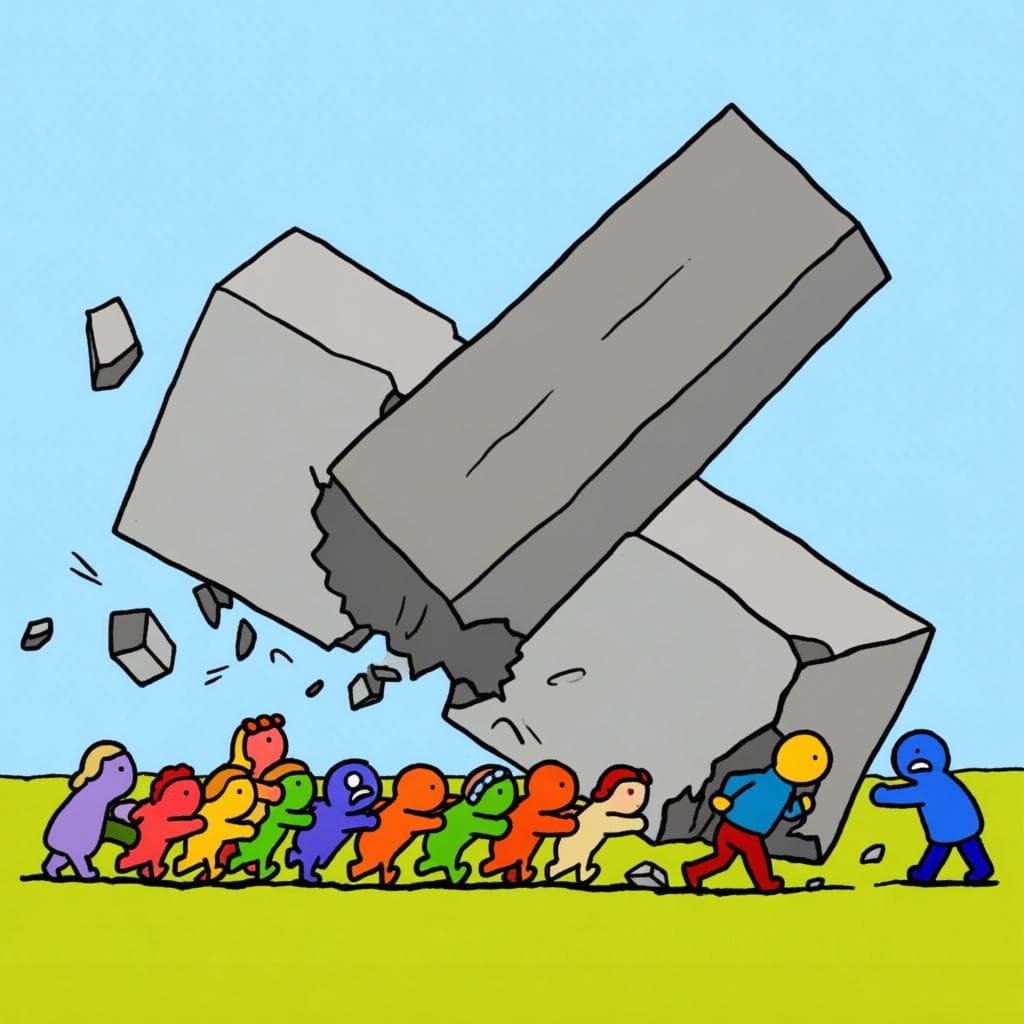
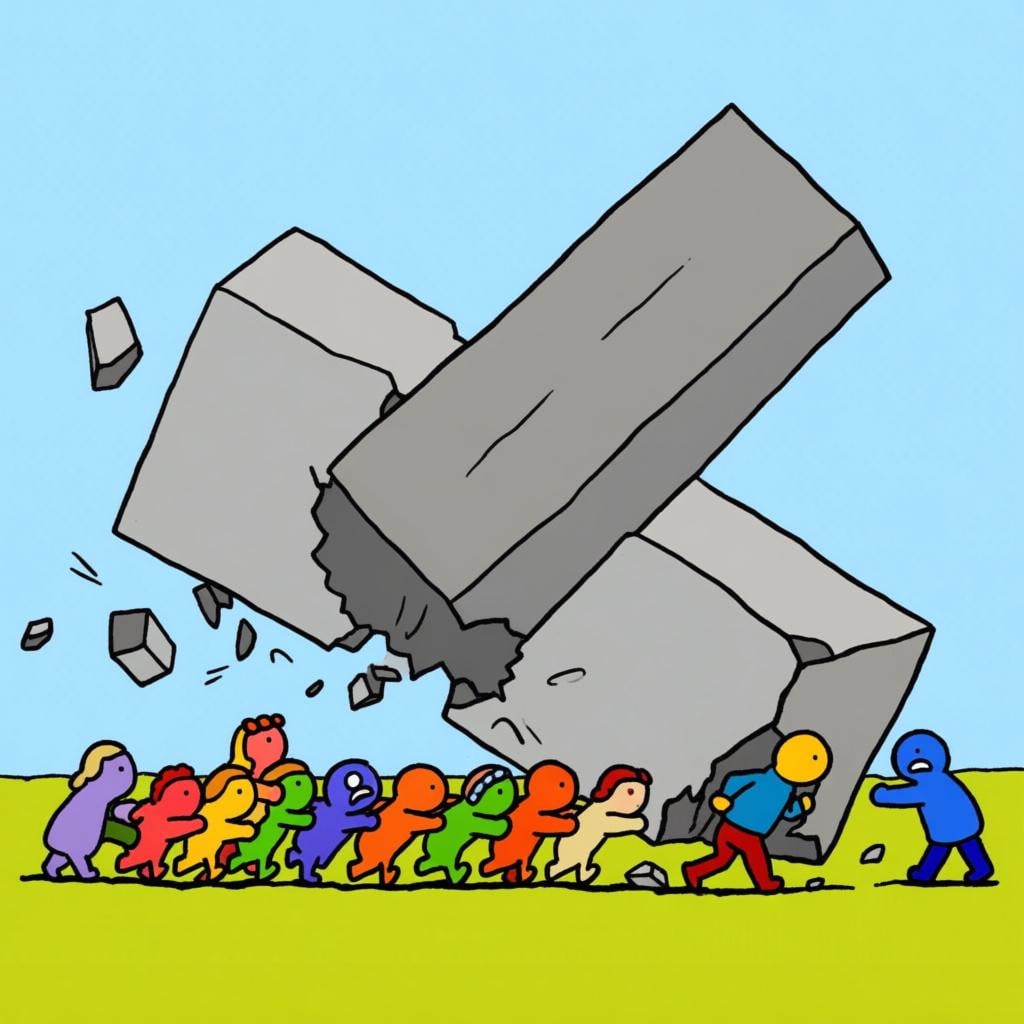
A line of small, determined figures forcefully pushing a large, imposing gray rectangular block, causing the block to visibly fall down and collapse.

Used as an interjection, ¡Abajo...! means 'Down with...!' and is used to express strong protest or opposition against something symbolized by the falling gray block.

abajo(感嘆詞)

B2

〜を打倒せよ!

?

expressing protest or opposition

📝 使用例

¡Abajo la dictadura!

B2

Down with the dictatorship!

Los manifestantes gritaban: '¡Abajo el gobierno!'

C1

The protesters were shouting: 'Down with the government!'

関連語

対義語

⭐ 使い方のヒント

Context is Everything

This use of 'abajo' is very powerful and almost always political or social. You'll hear it in movies about revolutions or in news reports about protests. It's not for everyday conversation.

✏️ クイック練習

クイッククイズ: abajo

2問中1問目

Which sentence correctly uses 'abajo'?

💡 スペイン語をマスター

スペイン語をレベルアップしましょう。Inklingoアプリで、あなたのレベルに合った200以上のイラスト付きスペイン語ストーリーを読もう!

📚 その他のリソース

語族

bajar(to go down, to lower) - 動詞
bajo(low, short) - 形容詞

よくある質問

What's the real difference between 'abajo', 'debajo de', and 'bajo'?

It's a common point of confusion! Here's a simple way to think about it: 'Abajo' is a general location or direction ('down there', 'downstairs'). 'Debajo de' and 'bajo' both mean 'under' a specific thing and need an object after them ('under the table'). 'Debajo de' is more common in everyday speech, while 'bajo' can sound a bit more formal or literary, but they are often interchangeable.

Can I say 'ir para abajo'?

Yes, absolutely! 'Ir para abajo' or simply 'ir abajo' both mean 'to go down'. Adding 'para' can sometimes emphasize the direction or destination. Both are very common and sound natural.