hacen
“hacen” の意味は “彼らはする” スペイン語で. 文脈に応じて4つの異なる意味があります:

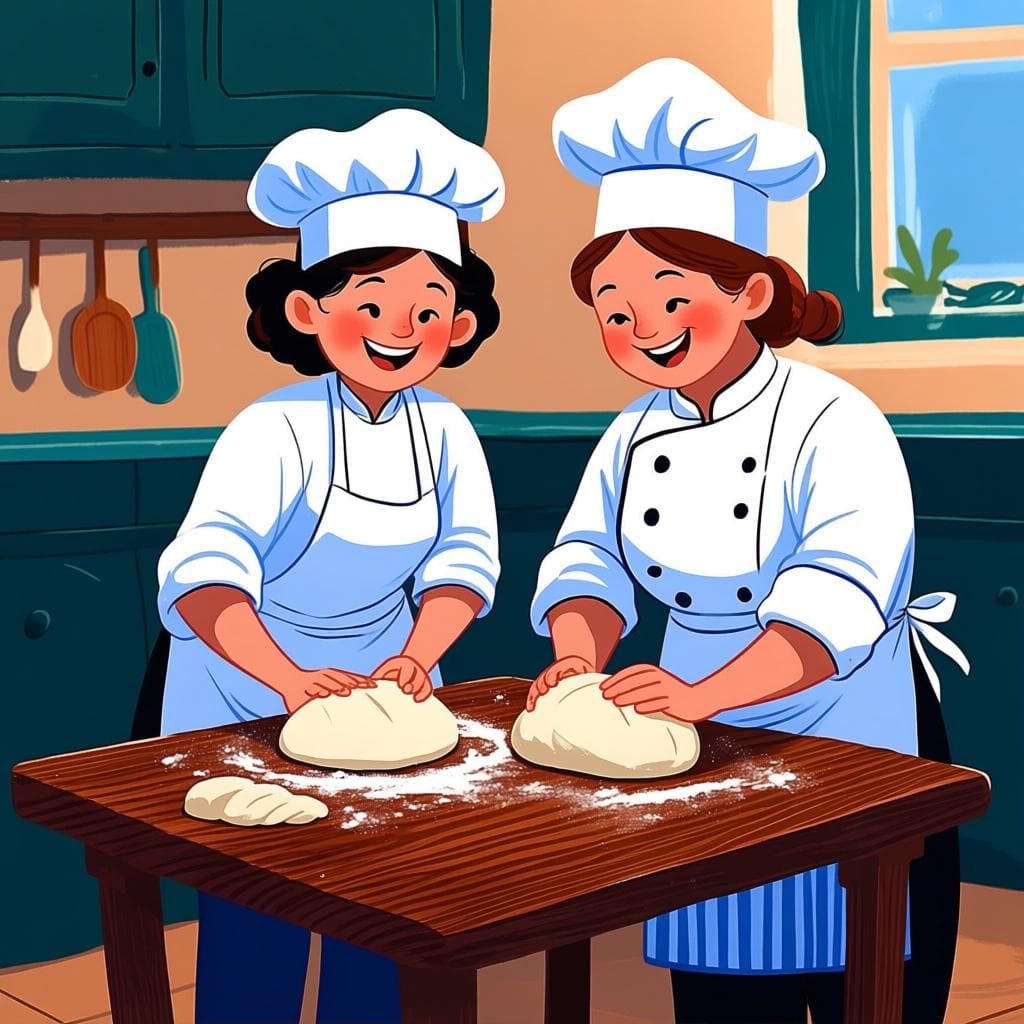

彼らはする
他にも: あなたたち(複数)はする
📝 使用例
¿Qué hacen los niños en el parque?
A1子供たちは公園で何をしているのですか?
Mis padres hacen ejercicio todas las mañanas.
A1私の両親は毎朝運動をします。
Ustedes hacen un gran trabajo en equipo.
A2あなたたちはチームとして素晴らしい仕事をします。
彼らは作る
他にも: あなたたち(複数)は作る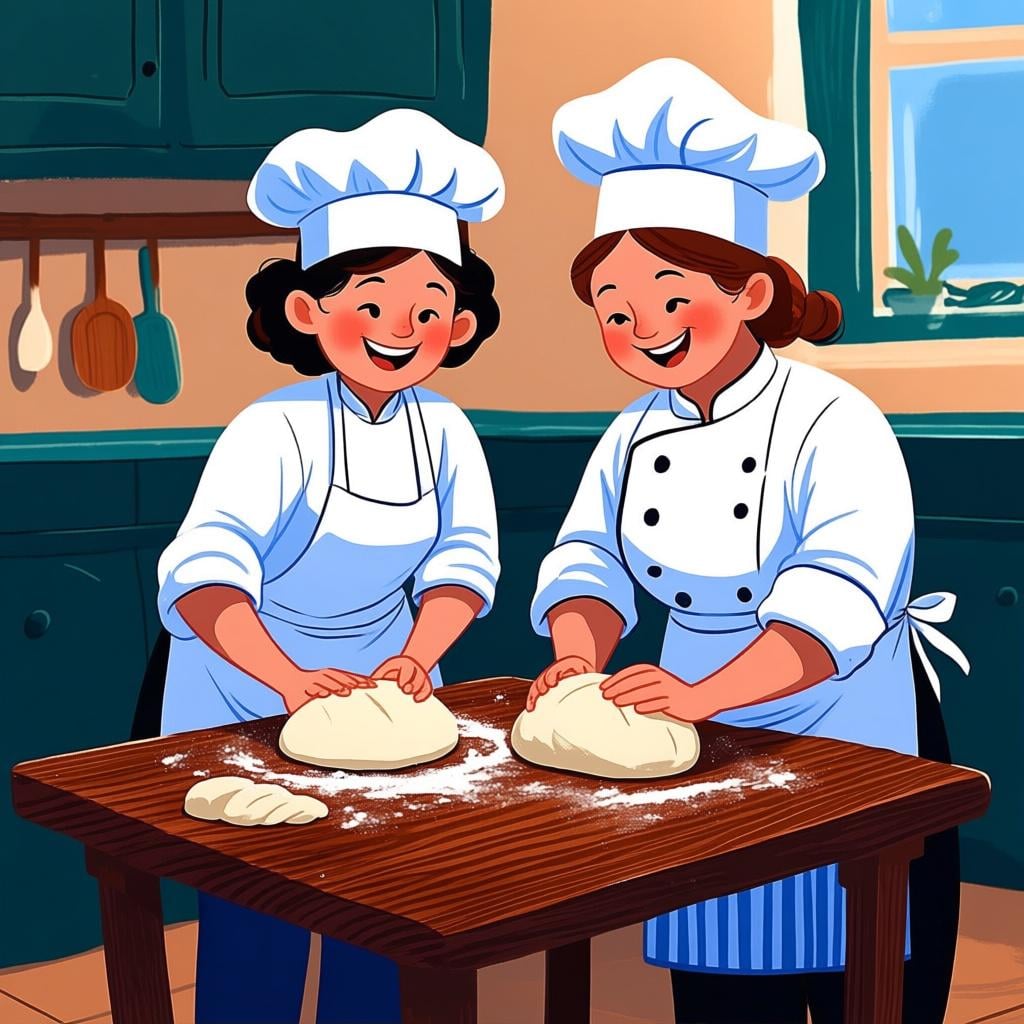
📝 使用例
Mis abuelos hacen el mejor pan del mundo.
A1私の祖父母は世界一美味しいパンを作ります。
Los carpinteros hacen muebles de madera.
A2大工たちは木製の家具を作ります。
¿Ustedes hacen café por la mañana?
A1あなたたちは朝コーヒーを作りますか?
である

📝 使用例
En Sevilla en agosto, hacen cuarenta grados.
A28月のセビリアでは、40度になります。
Dicen que mañana hacen temperaturas más bajas.
B1彼らは明日、気温がもっと低くなると言っています。
彼らは[誰かに何かを)させる
他にも: 彼らは引き起こす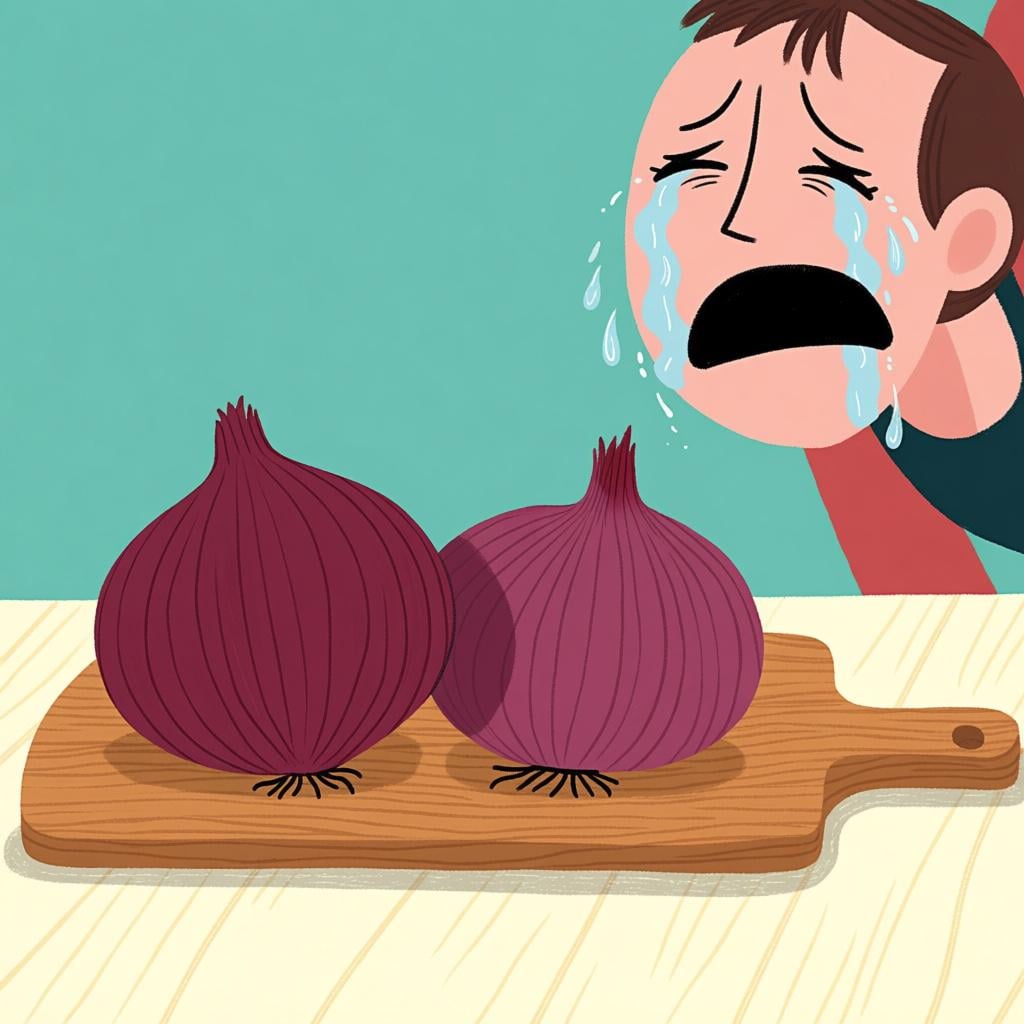
📝 使用例
Sus chistes siempre me hacen reír.
B1彼らの冗談はいつも私を笑わせます。
Las películas tristes hacen llorar a mi hermana.
B1悲しい映画は私の姉を泣かせます。
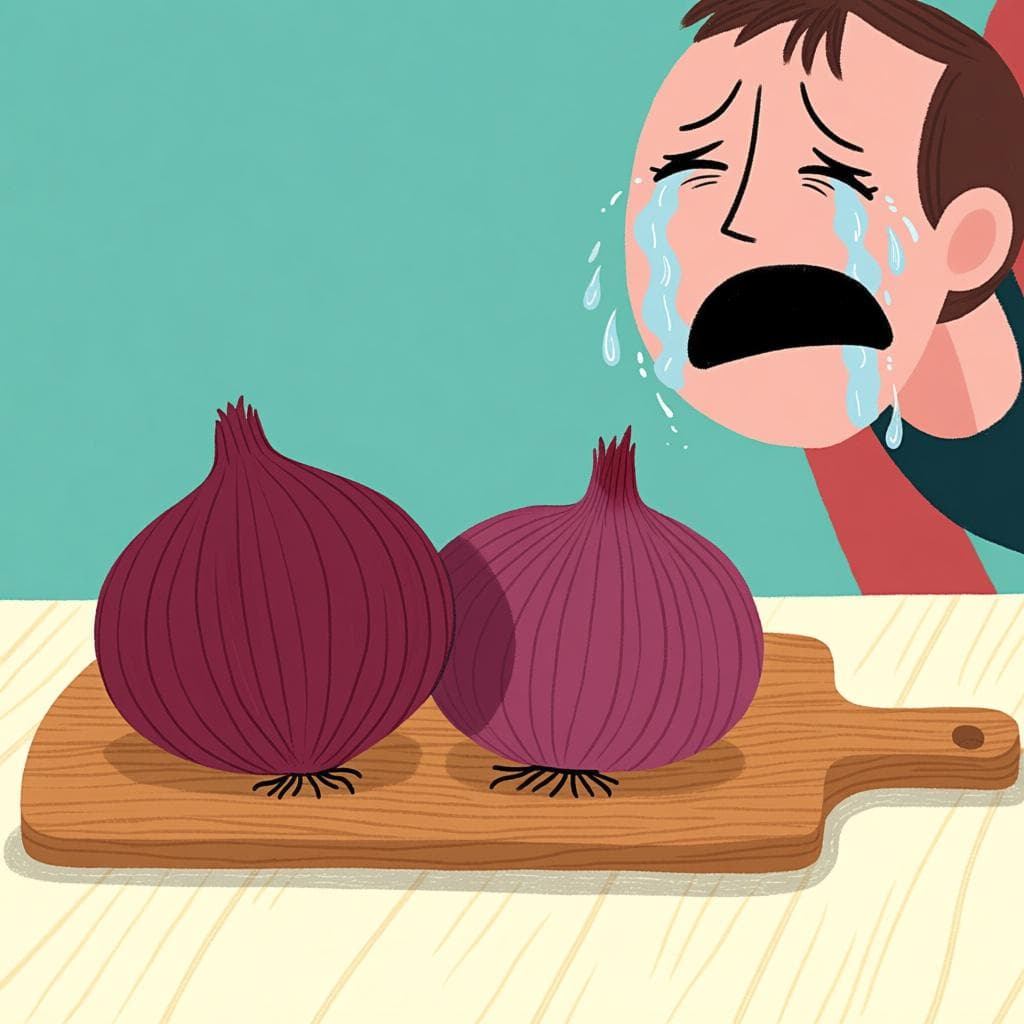
Las cebollas te hacen llorar.
A2玉ねぎはあなたを泣かせます。
Indicative
Present
Imperfect
Preterite
Subjunctive
Present Subjunctive
Imperfect Subjunctive
スペイン語に翻訳
✏️ クイック練習
クイッククイズ: hacen
1問中1問目
「彼らは作る」(創造する)という意味で 'hacen' を使っている文はどれですか?
📚 その他のリソース
👥 語族▼
🎵 韻▼
📚 語源▼
'Hacen' は動詞 'hacer' から来ており、その語源はラテン語の 'facere' に遡ります。'Facere' は「する」または「作る」という意味で、スペイン語が今日まで維持している二重の意味を持っています。英語の 'factory'(工場)、'fact'(事実)、'manufacture'(製造)など、多くの英単語も同じラテン語の語根に由来しています!
初出:10th century (as 'facer')
同源語(関連語)
💡 スペイン語をマスター
スペイン語をレベルアップしましょう。Inklingoアプリで、あなたのレベルに合った200以上のイラスト付きスペイン語ストーリーを読もう!
よくある質問
「hace」と「hacen」の違いは何ですか?
「Hace」は一人または一つの物事に対して使われます(él/ella hace - 彼/彼女はする)が、「hacen」は複数の人や物事に対して使われます(ellos/ellas hacen - 彼らはする)。英語の 'does' と 'do' の違いのようなものだと考えてください。
なぜ動詞「hacer」はそれほど不規則なのですか?
スペイン語の最も一般的な動詞の多く(「hacer」など)が不規則なのは、何世紀にもわたって非常に頻繁に使われてきたため、新しいあまり一般的でない動詞ほど音韻変化を遂げていないからです。例えば、「hac-ré」は発音しにくかったため、「haré」になりました。これは非常に古く重要な動詞であることの証拠です!