
Transport publiczny po hiszpańsku
Poruszanie się po kraju hiszpańskojęzycznym jest proste dzięki temu słownictwu! Nauczysz się niezbędnych słów na autobusy, metro i inne, dzięki czemu Twoje podróże będą płynniejsze i bardziej niezależne. Jest to bardzo przydatne w codziennym życiu i podczas zwiedzania nowych miast, a zauważysz, że niektóre miasta mają unikalne lokalne nazwy na transport, takie jak 'colectivo'.
Szybka ściąga
| Hiszpański | Polski | Przykład | Poziom |
|---|---|---|---|
autobuses | autobusy | Los autobuses pasan cada diez minutos. | A1 |
bus | autobus | Tengo que tomar el bus para ir al trabajo. | A1 |
colectivo | wspólny | Necesitamos un esfuerzo colectivo para limpiar el parque. | B1 |
estación | pora roku | Mi estación favorita es la primavera. | A1 |
metro | metr | Necesito un metro de cuerda roja. | A1 |
micro | mikrofon | Pásame el micro, por favor. | A2 |
parada | przystanek | La parada de autobús está justo aquí al lado. | A1 |
subterráneo | podziemny | Hay un pasadizo subterráneo que conecta los dos edificios. | A2 |
tranvía | tramwaj | El tranvía pasa cada diez minutos por esta calle. | A2 |
autobús | bus | — | A1 |
A1 — Początkujący (6 słów)

autobusy
“Los autobuses pasan cada diez minutos.”

autobus
“Tengo que tomar el bus para ir al trabajo.”

pora roku
“Mi estación favorita es la primavera.”

metr
“Necesito un metro de cuerda roja.”

przystanek
“La parada de autobús está justo aquí al lado.”
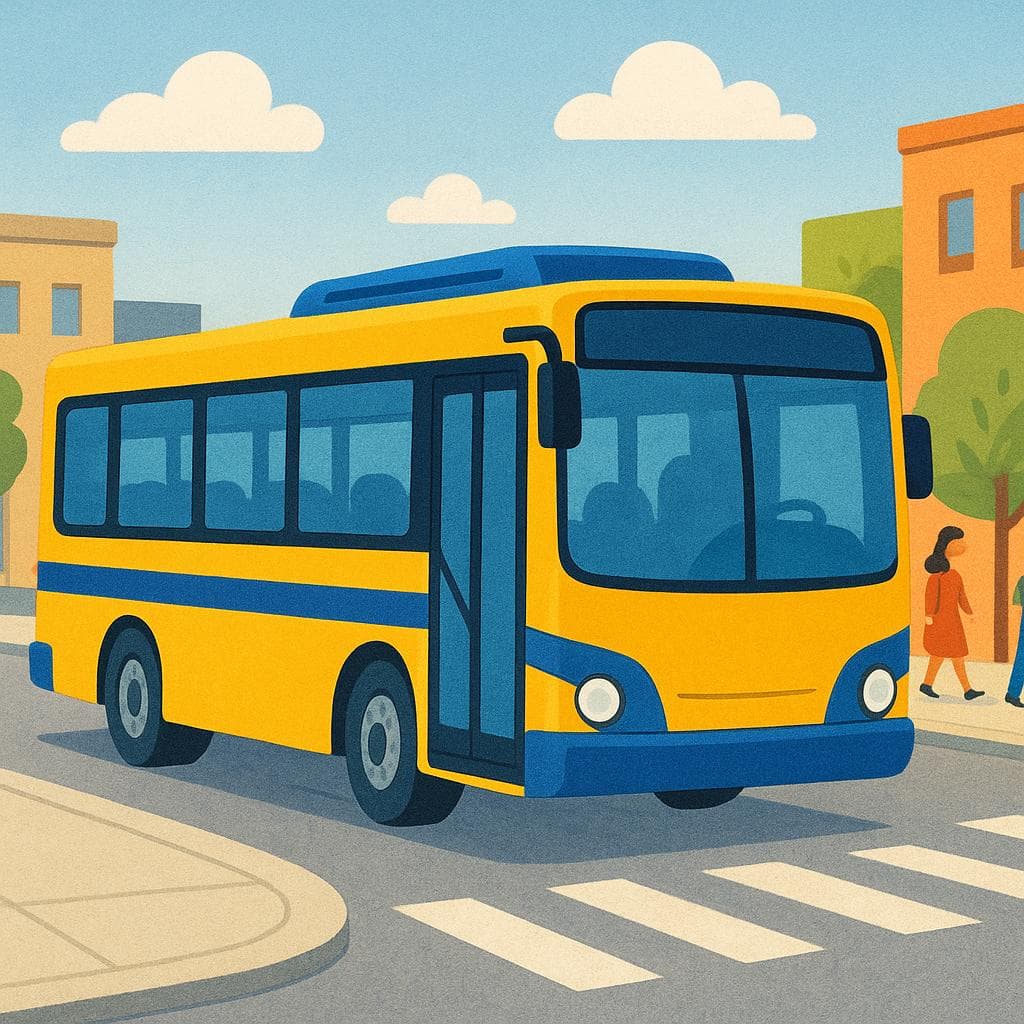
bus
A2 — Podstawowy (3 słów)

mikrofon
“Pásame el micro, por favor.”

podziemny
“Hay un pasadizo subterráneo que conecta los dos edificios.”

tramwaj
“El tranvía pasa cada diez minutos por esta calle.”
B1 — Średnio zaawansowany (1 słów)

wspólny
“Necesitamos un esfuerzo colectivo para limpiar el parque.”
Wskazówki gramatyczne
Rodzaj i liczba
Większość rzeczowników związanych z transportem publicznym jest rodzaju męskiego (el autobús, el metro, el tranvía) lub żeńskiego (la estación, la parada). Pamiętaj, aby dopasować rodzajniki i przymiotniki! Liczby mnogie tworzy się zazwyczaj przez dodanie -s lub -es, na przykład 'las estaciones' lub 'los autobuses'.
Szczegółowe vs. Ogólne
Chociaż 'autobús' jest ogólnym określeniem autobusu, 'bus' jest również szeroko rozumiane, szczególnie w Hiszpanii. 'Colectivo' jest powszechne w Argentynie i Urugwaju, a 'guagua' w części Karaibów i Wysp Kanaryjskich. 'Subterráneo' może być używane samodzielnie lub jako część 'metro subterráneo'.
Czasowniki czynności
Często będziesz używać czasowników takich jak 'tomar' (brać) lub 'coger' (łapać/brać – uwaga, to ma wulgarne znaczenie w części Ameryki Łacińskiej!) w odniesieniu do transportu. Na przykład: 'Voy a tomar el autobús' (Zamierzam pojechać autobusem).
Typowe błędy
Niewłaściwy rodzajnik z rzeczownikiem żeńskim
Błąd: “Voy a tomar el parada.”
Poprawka: Voy a tomar la parada. — 'Parada' to rzeczownik żeński, dlatego wymaga żeńskiego rodzajnika 'la'.
Niewłaściwe użycie 'coger'
Błąd: “Voy a coger el metro en Ciudad de México.”
Poprawka: Voy a tomar el metro en Ciudad de México. — Chociaż 'coger' oznacza 'brać' w Hiszpanii, jest to wulgarne określenie slangowe w Meksyku i wielu innych krajach Ameryki Łacińskiej. 'Tomar' jest bezpiecznym i powszechnie rozumianym czasownikiem.
Mylenie liczby pojedynczej i mnogiej
Błąd: “Necesito comprar un billetes para los autobuses.”
Poprawka: Necesito comprar un billete para el autobús. LUB Necesito comprar billetes para los autobuses. — Potrzebujesz jednego biletu ('un billete') na jeden autobus ('el autobús') lub wielu biletów ('billetes') na wiele autobusów ('los autobuses').
Notatki kulturowe
Lokalne nazwy mają znaczenie
W Ameryce Łacińskiej nazwy środków transportu mogą się znacznie różnić! Chociaż 'autobús' jest rozumiane wszędzie, w Argentynie usłyszysz 'colectivo', w Chile 'micro', a w Meksyku 'camión' na określenie autobusów. Znajomość lokalnego terminu może być bardzo pomocna.
Stacje vs. Przystanki
Pamiętaj, że 'estación' odnosi się do większych węzłów, takich jak stacje kolejowe lub metro (la estación de metro), a 'parada' do zwykłych przystanków autobusowych (la parada de autobús).