dejaremos
“dejaremos” means “we will leave” in Spanish. It has 2 different meanings depending on context:

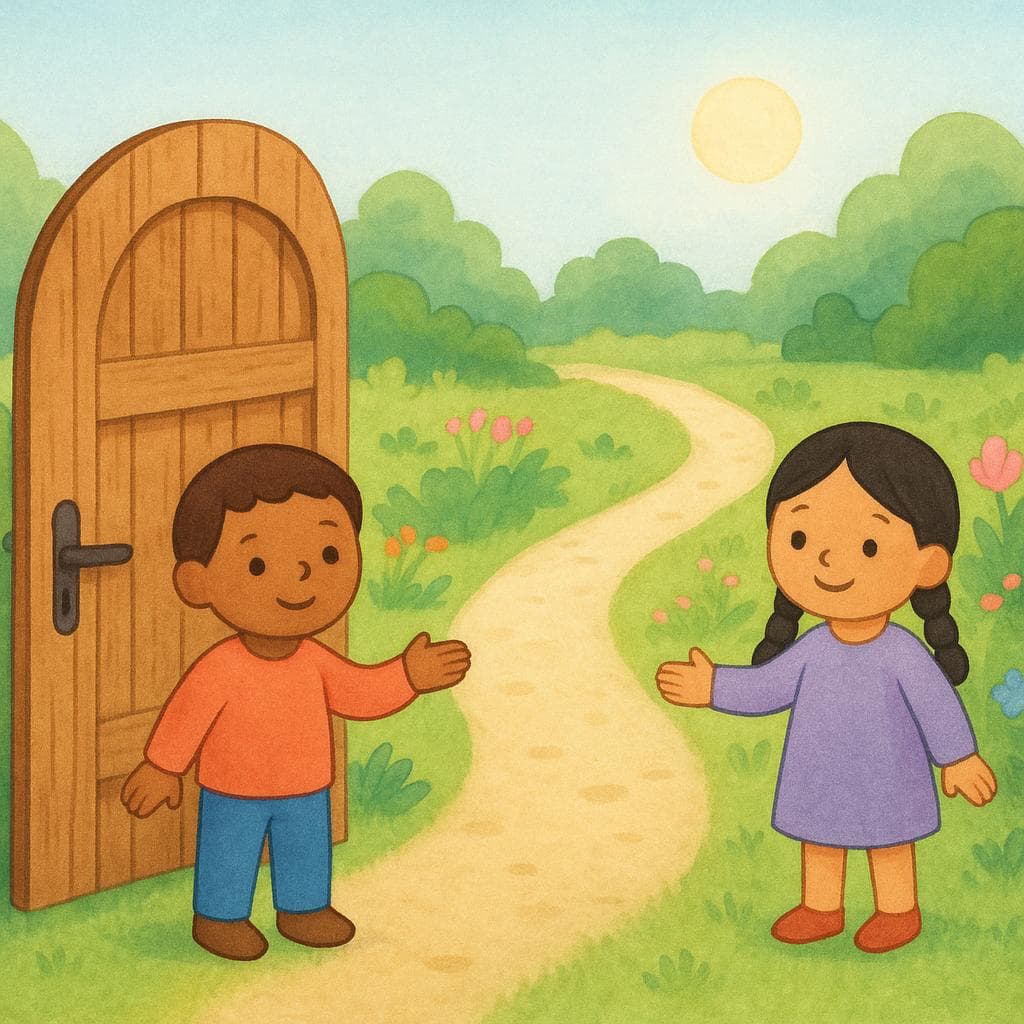
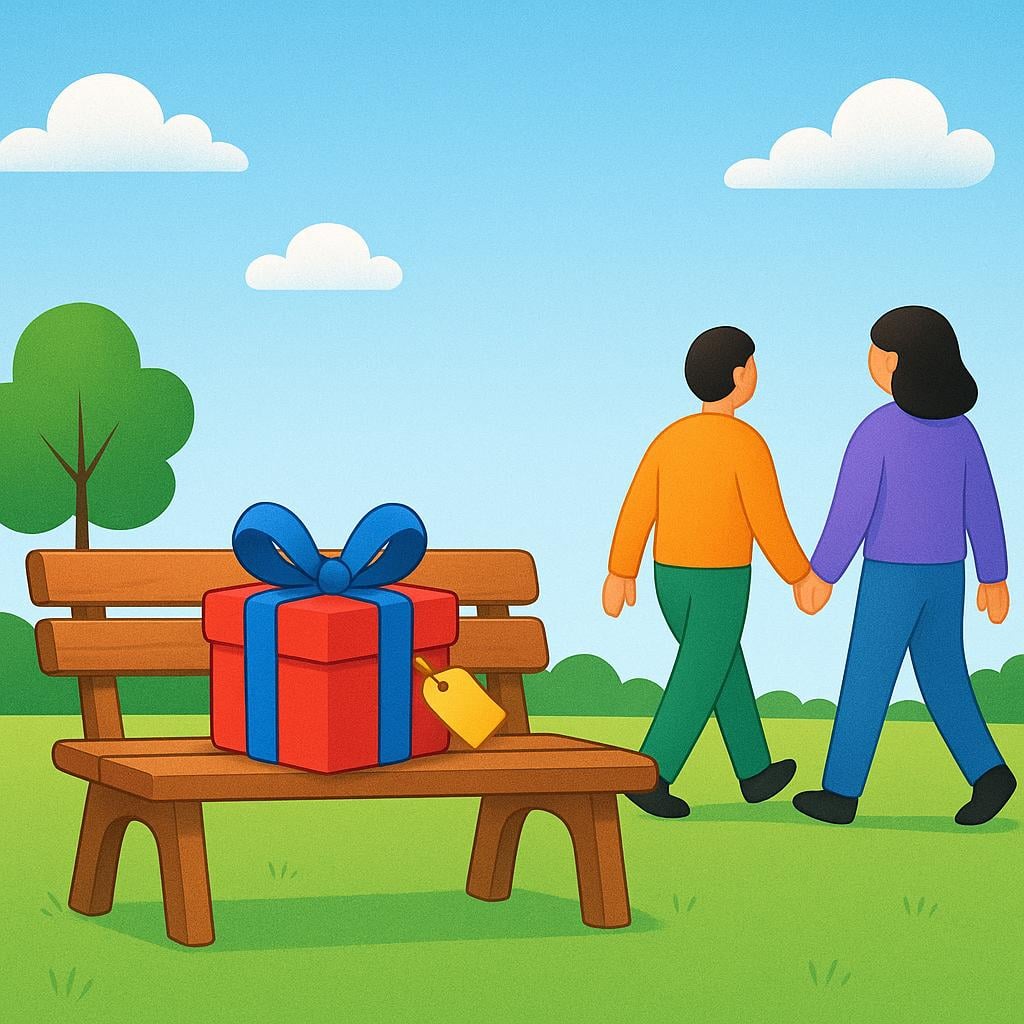
we will leave, we will drop offAlso: we will quit
📝 In Action
Cuando terminemos la cena, dejaremos los platos sobre la mesa.
A2When we finish dinner, we will leave the plates on the table.
Dejaremos el coche en el estacionamiento y caminaremos.
B1We will leave the car in the parking lot and walk.
Si no funciona, dejaremos de intentarlo por hoy.
B1If it doesn't work, we will stop trying for today. (Using 'dejar de')
Word Connections
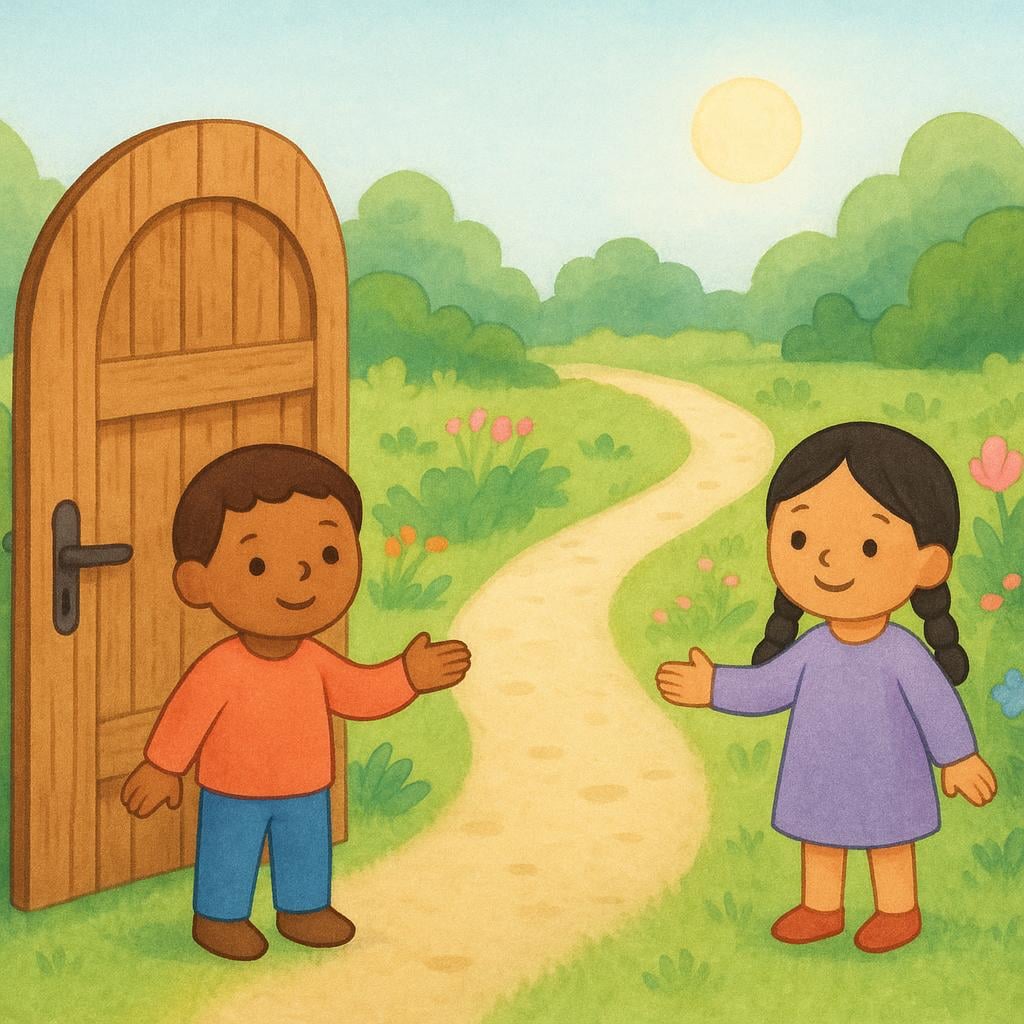
we will let, we will allowAlso: we will permit
📝 In Action
Si hace buen tiempo, dejaremos que los niños jueguen afuera.
B1If the weather is good, we will let the children play outside.
Nunca dejaremos que eso vuelva a suceder.
B2We will never allow that to happen again.
Dejaremos la puerta abierta para que entre aire fresco.
B1We will leave the door open so fresh air can come in. (Implies allowing the air to enter)
Word Connections
Indicative
Present
Imperfect
Preterite
Subjunctive
Present Subjunctive
Imperfect Subjunctive
✏️ Quick Practice
Quick Quiz: dejaremos
Question 1 of 2
Which of these sentences correctly uses 'dejaremos' to mean 'we will stop doing'?
📚 More Resources
👥 Word Family
🎵 Rhymes
📚 Etymology
The verb 'dejar' comes from the Latin verb *laxare*, which meant 'to loosen' or 'to relax.' Over time, the meaning evolved from 'to loosen one's grip' to 'to let go of' and eventually 'to leave' or 'to allow.'
First recorded: Around the 10th century (as *dexar*).
Cognates (Related words)
💡 Master Spanish
Take your Spanish to the next level. Read 200+ illustrated and narrated Spanish stories tailored to your level with the Inklingo app!
Frequently Asked Questions
Is 'dejaremos' the same as 'vamos a dejar'?
Yes, they mean the same thing ('we will leave/let'). 'Dejaremos' is the simple future tense and is a little more formal or concise, while 'vamos a dejar' (the immediate future) is more common in casual conversation.
How do I know if 'dejaremos' means 'we will leave' or 'we will allow'?
Look at the rest of the sentence. If it's followed by an object (like a key or a bag), it means 'we will leave it.' If it's followed by 'que' or another person and a verb, it usually means 'we will allow' or 'we will let.'