deprimir
“deprimir” means “to depress” in Spanish. It has 2 different meanings depending on context:

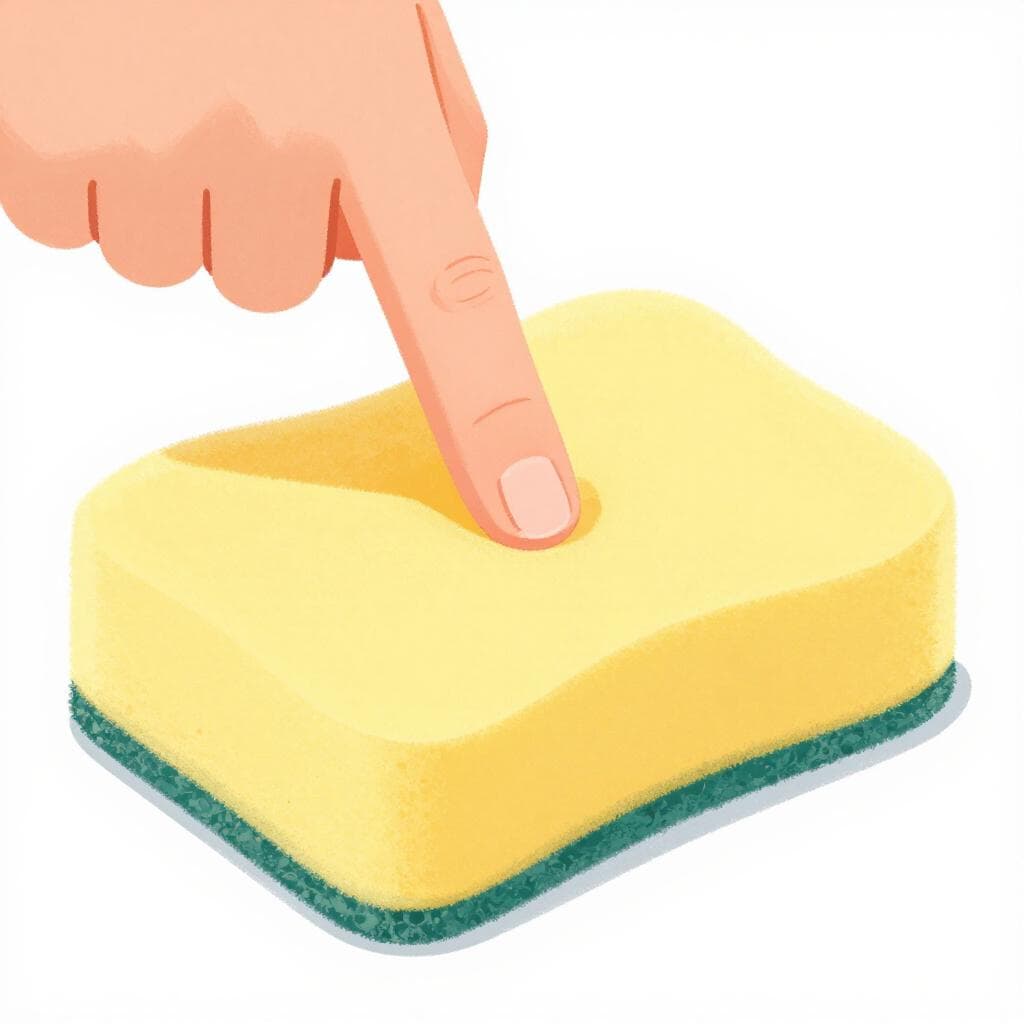
to depress
Also: to sadden, to get depressed
📝 In Action
Las noticias grises me deprimen un poco.
A2The grey news depresses me a little.
No quiero deprimirte, pero el examen fue muy difícil.
B1I don't want to depress you, but the exam was very difficult.
Ella se deprime cuando llega el invierno.
B2She gets depressed when winter arrives.
to press down
Also: to depress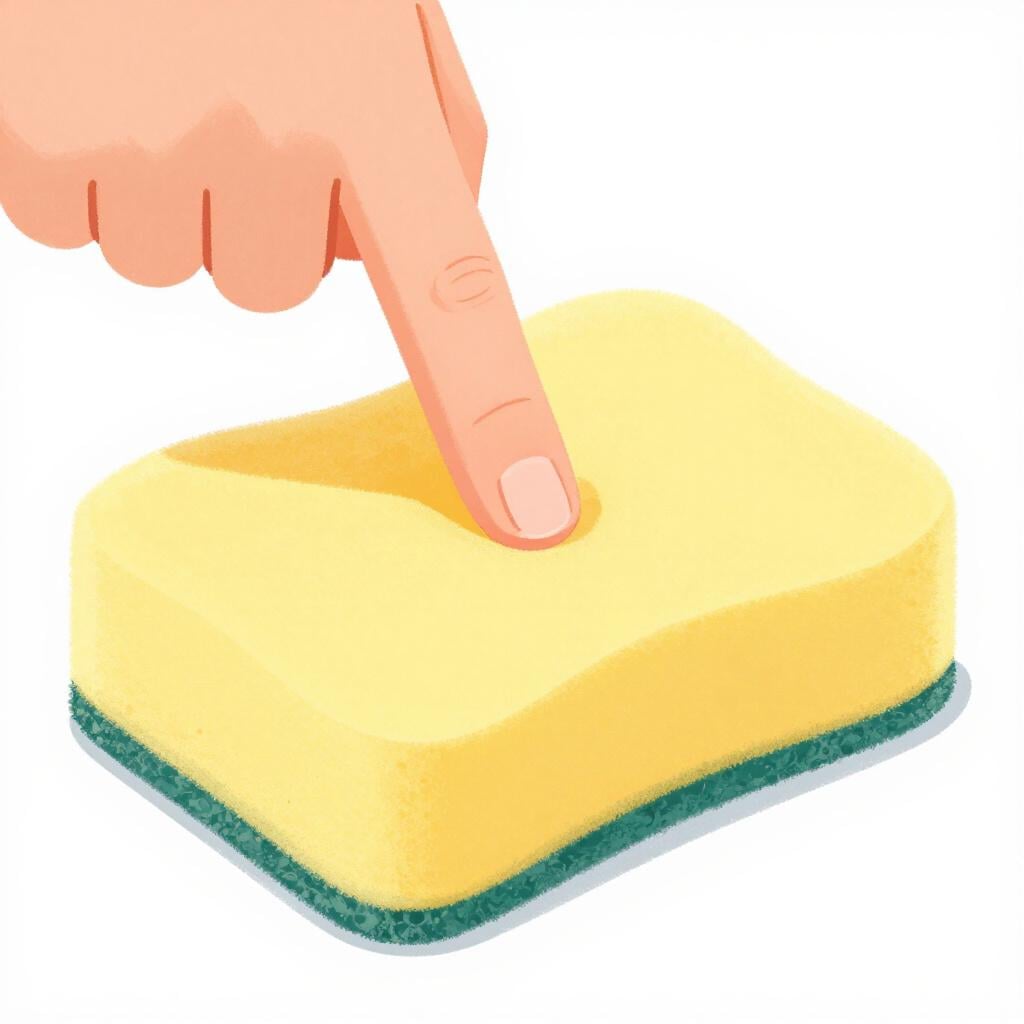
📝 In Action
El médico debe deprimir la lengua para ver la garganta.
C1The doctor must press down the tongue to see the throat.
La falta de inversión puede deprimir el mercado inmobiliario.
C1The lack of investment can depress the real estate market.
Subjunctive
Imperfect Subjunctive
Present Subjunctive
Indicative
Preterite
Imperfect
Present
Translate to Spanish
✏️ Quick Practice
Quick Quiz: deprimir
Question 1 of 3
Which sentence means 'Rainy days make me feel sad'?
📚 More Resources
👥 Word Family▼
📚 Etymology▼
From the Latin word 'deprimere', which literally means 'to press down'. It combines 'de-' (down) and 'premere' (to press).
First recorded: 15th century
Cognates (Related words)
💡 Master Spanish
Take your Spanish to the next level. Read 200+ illustrated and narrated Spanish stories tailored to your level with the Inklingo app!
Frequently Asked Questions
Is 'deprimir' used for pushing light switches?
Rarely. While technically correct, it's very formal. Use 'apretar' or 'encender' for everyday switches.
What is the difference between 'deprimirse' and 'entristecerse'?
'Entristecerse' is just getting sad. 'Deprimirse' implies a deeper, more heavy or lasting state of low spirits.
How do I say 'This movie is depressing'?
You should use the adjective form: 'Esta película es deprimente'.