desigual
“desigual” means “uneven” in Spanish. It has 2 different meanings depending on context:
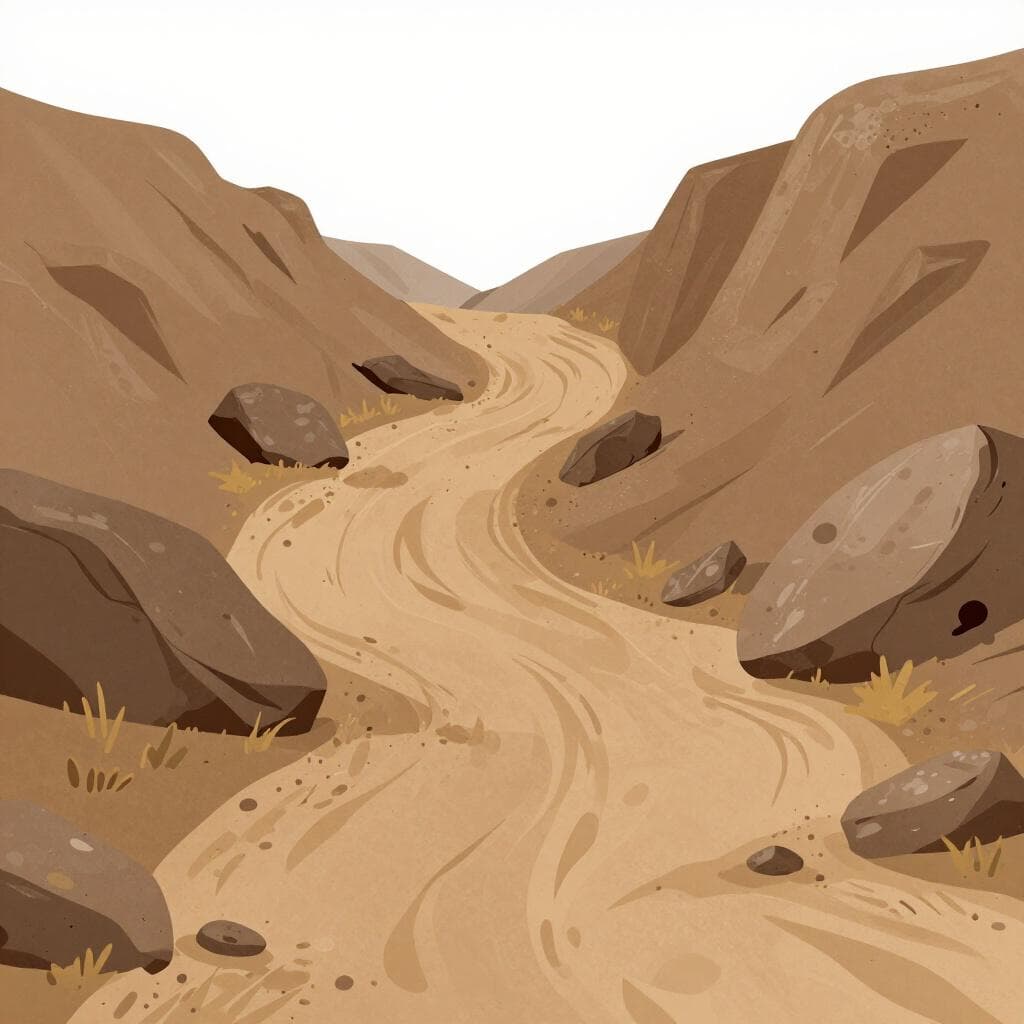

uneven
Also: bumpy, patchy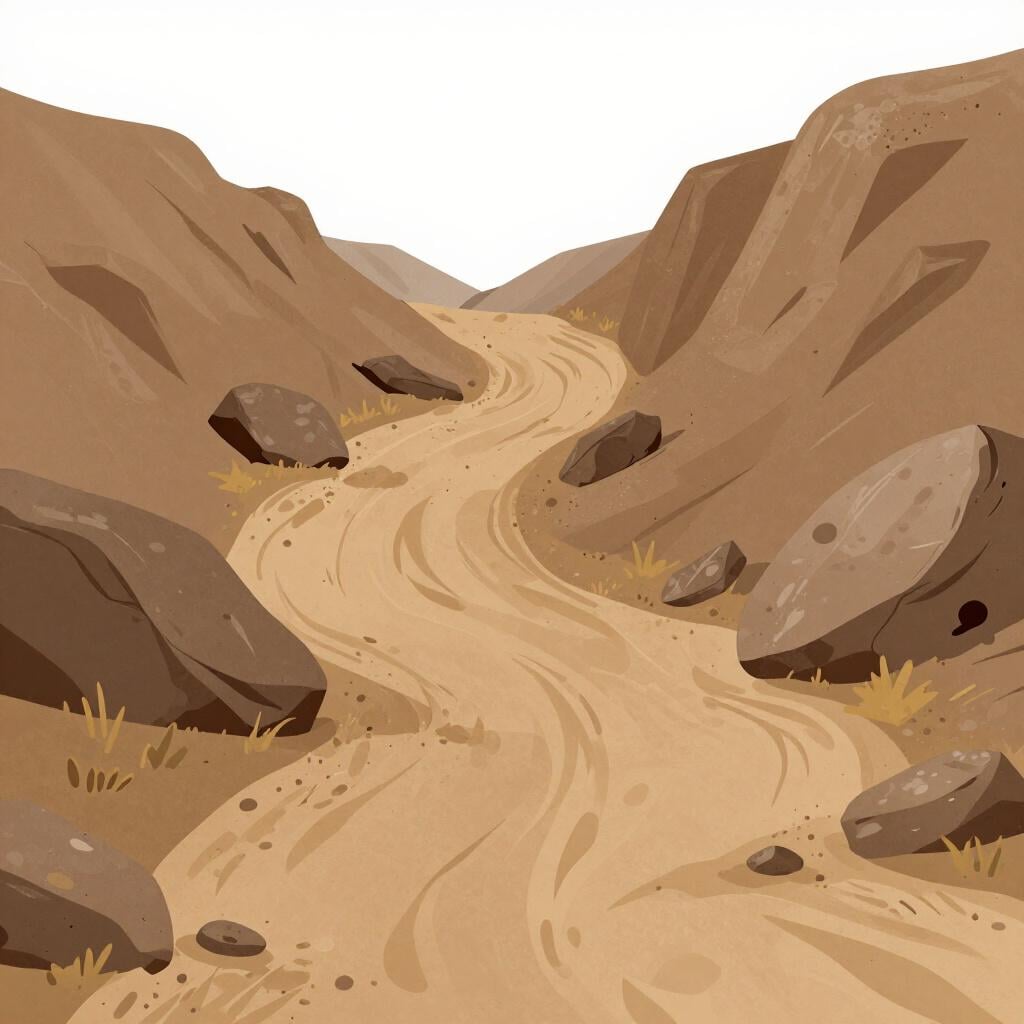
📝 In Action
Ten cuidado, el suelo está desigual.
A1Be careful, the floor is uneven.
Es difícil correr en este terreno tan desigual.
A2It is hard to run on such bumpy terrain.
La pintura quedó desigual en la pared.
B1The paint looks patchy on the wall.
unequal
Also: unbalanced, disparate
📝 In Action
Vivimos en una sociedad muy desigual.
B1We live in a very unequal society.
Fue una lucha desigual entre el gigante y el pequeño.
B1It was an unbalanced fight between the giant and the small one.
Hay una distribución desigual de la riqueza.
B2There is an unequal distribution of wealth.
Translate to Spanish
✏️ Quick Practice
Quick Quiz: desigual
Question 1 of 3
If a road has many bumps and holes, how would you describe it?
📚 More Resources
👥 Word Family▼
📚 Etymology▼
From the Latin prefix 'dis-' (meaning apart or not) combined with 'aequalis' (meaning equal or level). Essentially, it literally means 'not equal'.
First recorded: 13th century
Cognates (Related words)
💡 Master Spanish
Take your Spanish to the next level. Read 200+ illustrated and narrated Spanish stories tailored to your level with the Inklingo app!
Frequently Asked Questions
Does 'desigual' change for feminine nouns?
No. Adjectives ending in 'l' in Spanish are the same for both masculine and feminine nouns. Example: 'El piso desigual' and 'La pared desigual'.
Is 'desigual' used for clothes?
Sometimes! It can describe a hemline that is intentionally longer on one side than the other, or a pattern that isn't symmetrical. In fact, there is a famous Spanish clothing brand called 'Desigual' known for its mismatched patterns!
What's the difference between 'desigual' and 'disparejo'?
They are very similar. 'Desigual' is slightly more formal and used often for social inequality, while 'disparejo' is very common in Latin America for physical objects that don't match or aren't level.