eché
“eché” means “I threw” in Spanish. It has 3 different meanings depending on context:


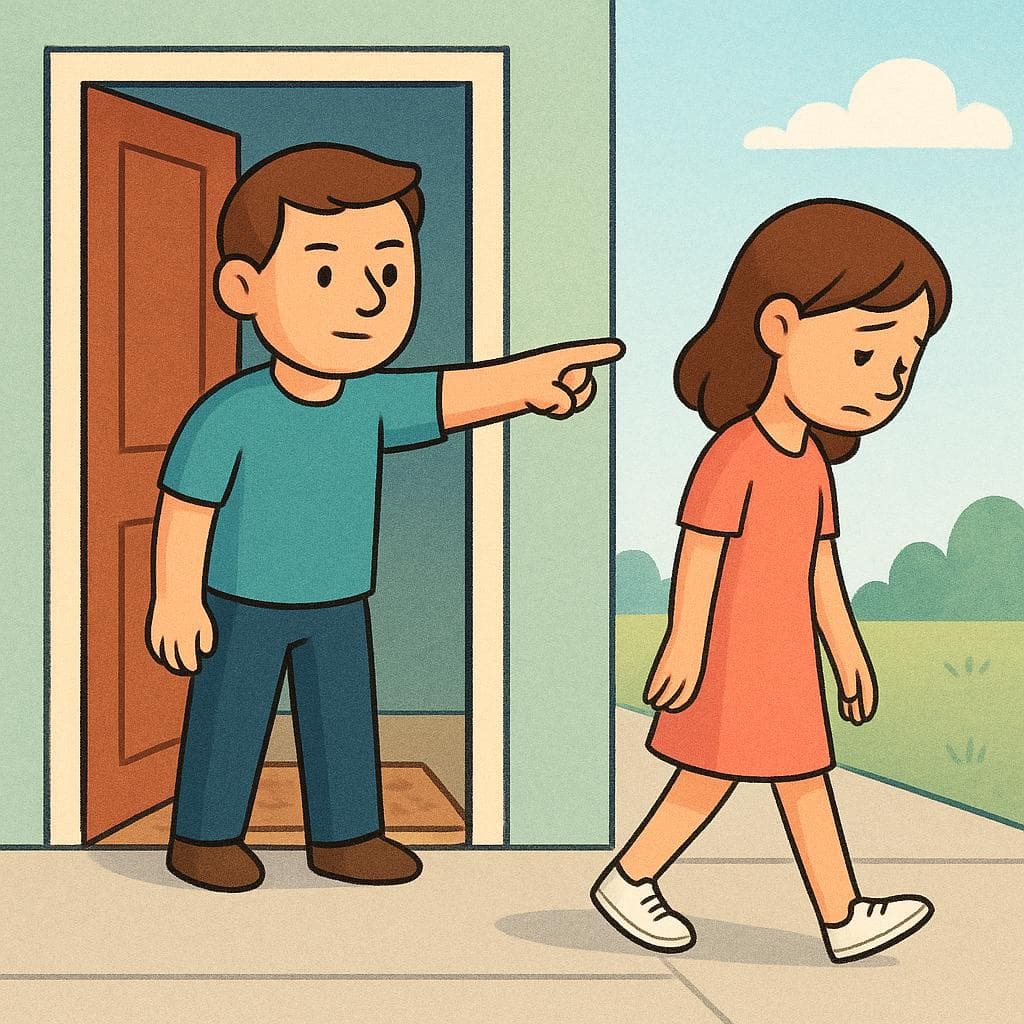
I threw, I tossedAlso: I cast

📝 In Action
Me molestó el ruido y eché la botella a la basura.
A2The noise bothered me and I threw the bottle in the trash.
Eché la red al mar y esperé.
B1I cast the net into the sea and waited.
Word Connections
I poured, I addedAlso: I put in

📝 In Action
Eché tres cucharadas de azúcar al café.
A2I added three spoonfuls of sugar to the coffee.
Cuando hirvió el agua, eché la pasta.
B1When the water boiled, I put in the pasta.
Word Connections
I kicked out, I firedAlso: I expelled
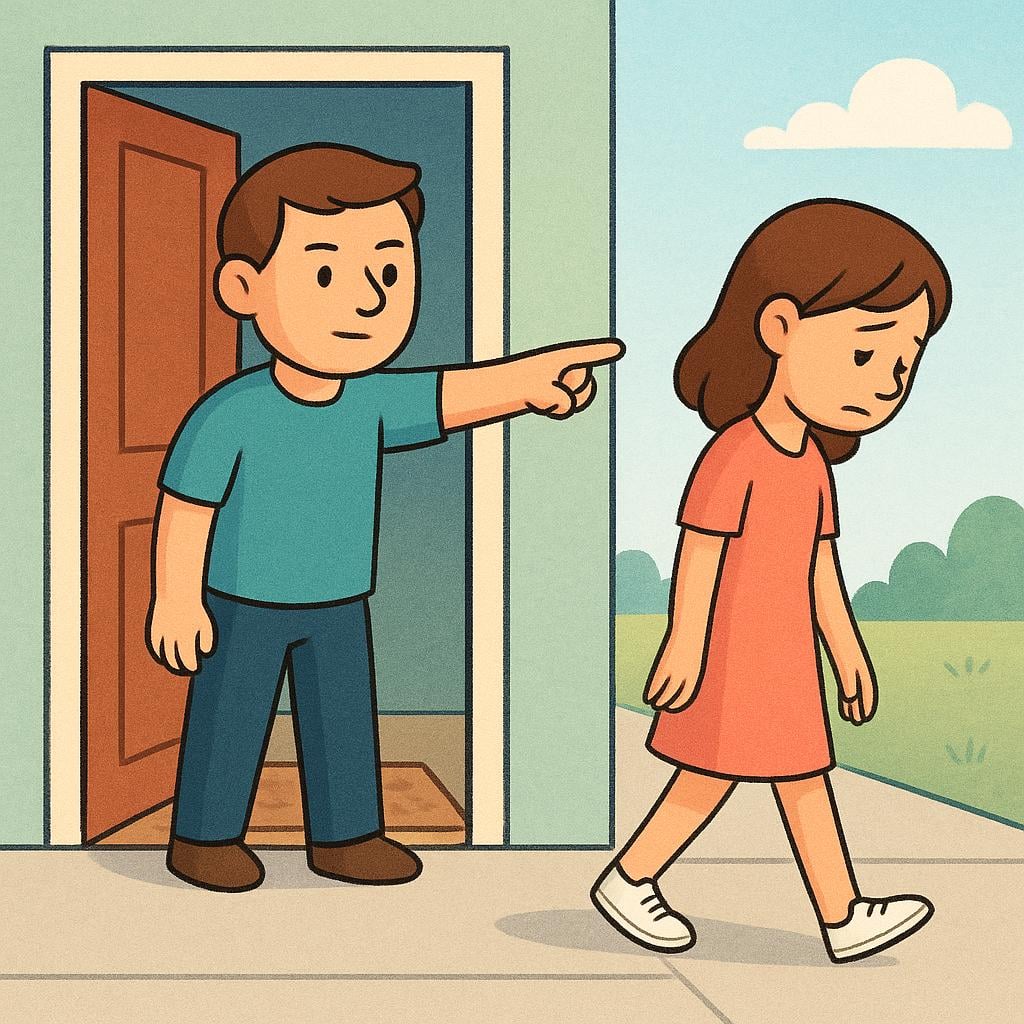
📝 In Action
No toleré su mala actitud y lo eché de la casa.
B1I didn't tolerate his bad attitude and I kicked him out of the house.
Eché a mi empleado por llegar tarde tres veces.
B2I fired my employee for arriving late three times.
Word Connections
Indicative
Imperfect
Present
Preterite
Subjunctive
Imperfect Subjunctive
Present Subjunctive
Translate to Spanish
Words that translate to "eché" in Spanish:
✏️ Quick Practice
Quick Quiz: eché
Question 1 of 2
Which English translation of 'eché' is correct in the sentence: 'Eché a mi vecino del jardín.'
📚 More Resources
👥 Word Family
📚 Etymology
The verb 'echar' comes from the Latin verb *iactare*, which meant 'to throw,' 'to cast,' or 'to hurl.' Over time, its meaning expanded in Spanish to include the idea of 'putting something out' or 'putting something in,' which is why it has so many uses today.
First recorded: Medieval Latin
Cognates (Related words)
💡 Master Spanish
Take your Spanish to the next level. Read 200+ illustrated and narrated Spanish stories tailored to your level with the Inklingo app!
Frequently Asked Questions
How is 'eché' different from 'eche'?
'Eché' (with the accent) is the simple past ('I threw/poured/etc.'). 'Eche' (without the accent) is the present subjunctive form, used for wishes or commands, meaning 'that I throw' or 'he/she/it throws' (as a command).
Can I use 'eché' when I mean 'I missed' someone?
Yes, but only as part of the fixed phrase 'Eché de menos a mi familia' (I missed my family). You cannot use 'eché' by itself to mean 'missed'.