engendrar
“engendrar” means “to give rise to” in Spanish. It has 2 different meanings depending on context:

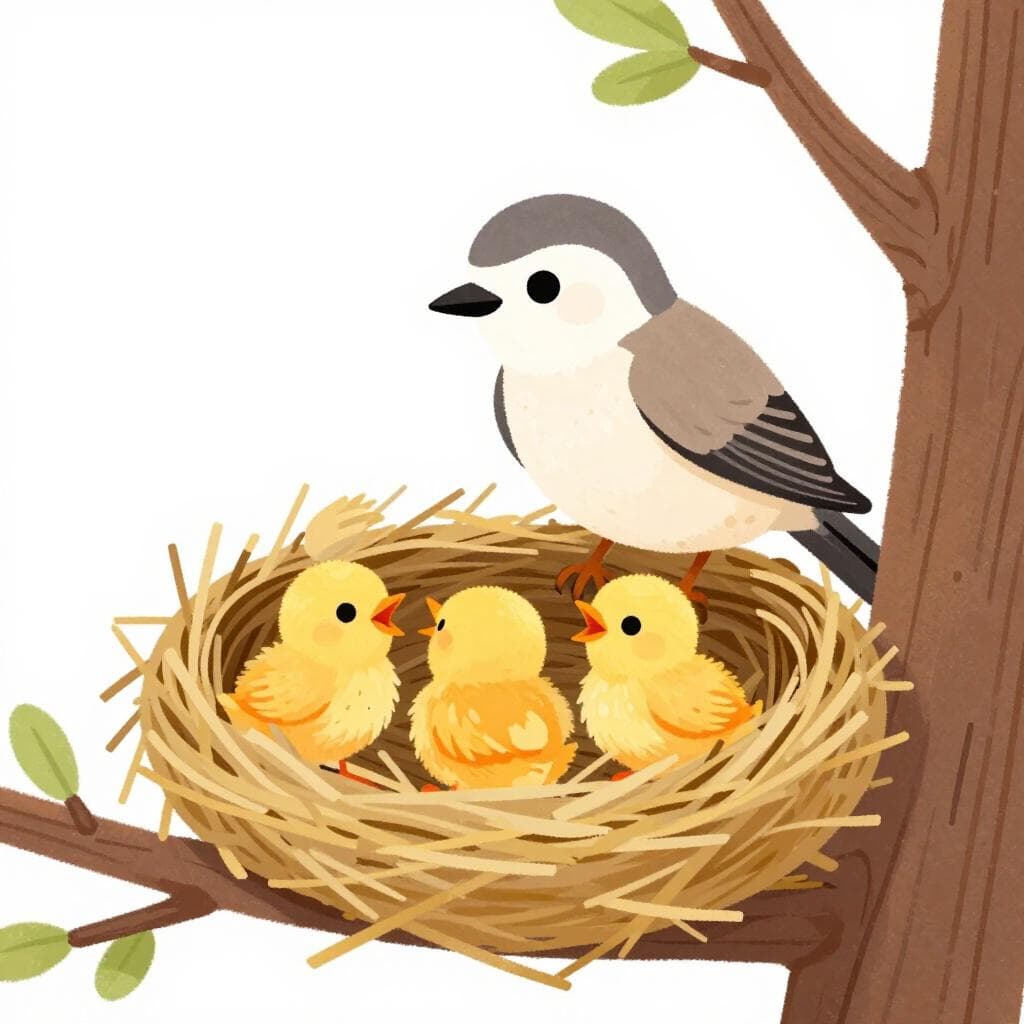
to give rise to, to breed
Also: to produce, to cause
📝 In Action
La violencia solo engendra más violencia.
B1Violence only breeds more violence.
Su comportamiento engendra sospechas entre los vecinos.
B2His behavior gives rise to suspicion among the neighbors.
Esas políticas podrían engendrar una crisis financiera.
C1Those policies could produce a financial crisis.
to procreate, to beget
Also: to conceive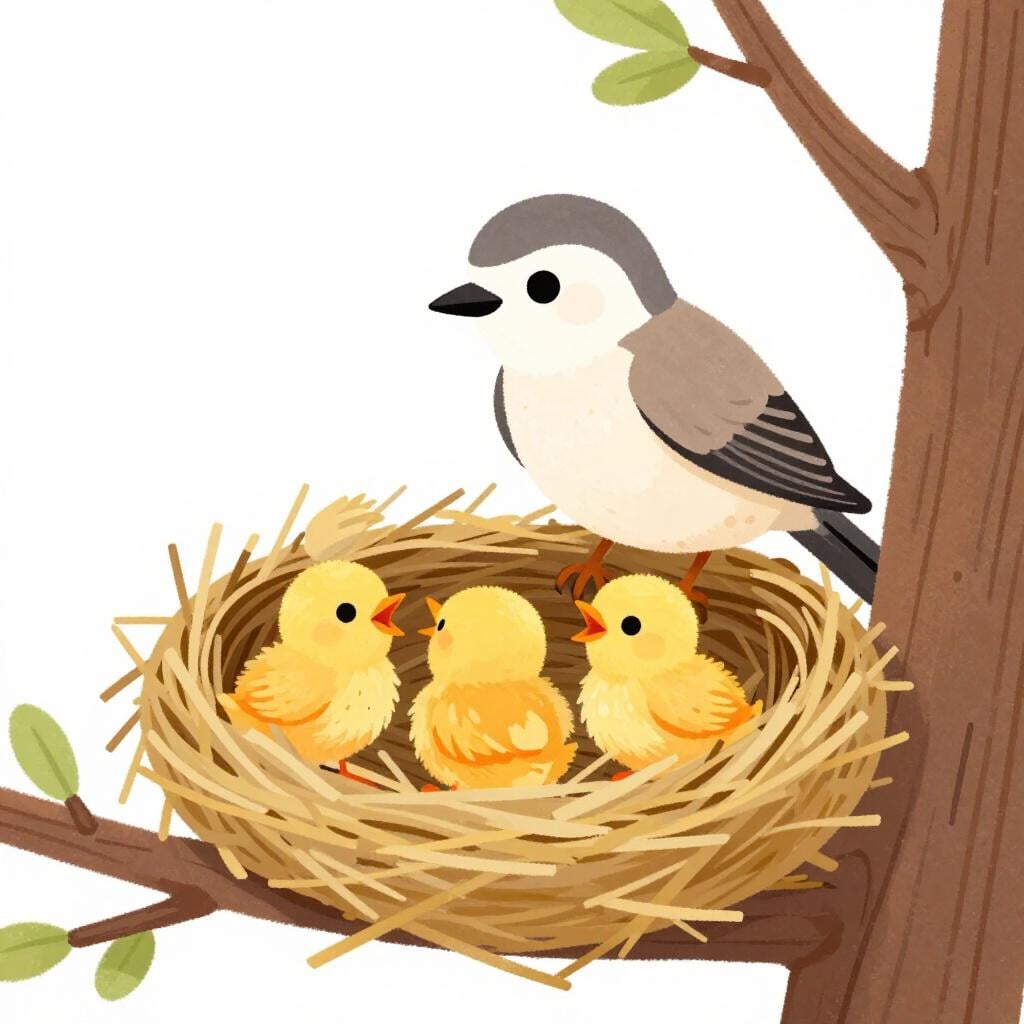
📝 In Action
Abraham engendró a Isaac.
C1Abraham begot Isaac.
Tienen dificultades para engendrar un hijo de forma natural.
B2They have difficulty conceiving a child naturally.
El espécimen tiene la capacidad de engendrar descendencia fuerte.
C1The specimen has the capacity to produce strong offspring.
Subjunctive
Imperfect Subjunctive
Present Subjunctive
Indicative
Preterite
Imperfect
Present
Translate to Spanish
Words that translate to "engendrar" in Spanish:
to beget→to breed→to cause→to conceive→to procreate→to produce→✏️ Quick Practice
Quick Quiz: engendrar
Question 1 of 3
Which of the following is a figurative use of 'engendrar'?
📚 More Resources
👥 Word Family▼
📚 Etymology▼
From the Latin word 'ingenerāre', which means 'to produce' or 'to create within'. It combines 'in-' (into) with 'generāre' (to generate/give birth).
First recorded: 13th century
Cognates (Related words)
💡 Master Spanish
Take your Spanish to the next level. Read 200+ illustrated and narrated Spanish stories tailored to your level with the Inklingo app!
Frequently Asked Questions
Can I use 'engendrar' for animals?
Yes, it is perfectly correct to use it for animals when speaking in a biological or scientific context.
What does the noun 'engendro' mean?
While 'engendrar' is a neutral verb, the noun 'engendro' is usually negative, referring to a 'monstrosity' or something very poorly made/ugly.
Does 'engendrar' always mean something bad will happen?
Not necessarily, but in modern figurative Spanish, it is very often used for negative things like 'engendrar odio' (to breed hate) or 'engendrar violencia'.