irritado
“irritado” means “irritated” in Spanish. It has 2 different meanings depending on context:

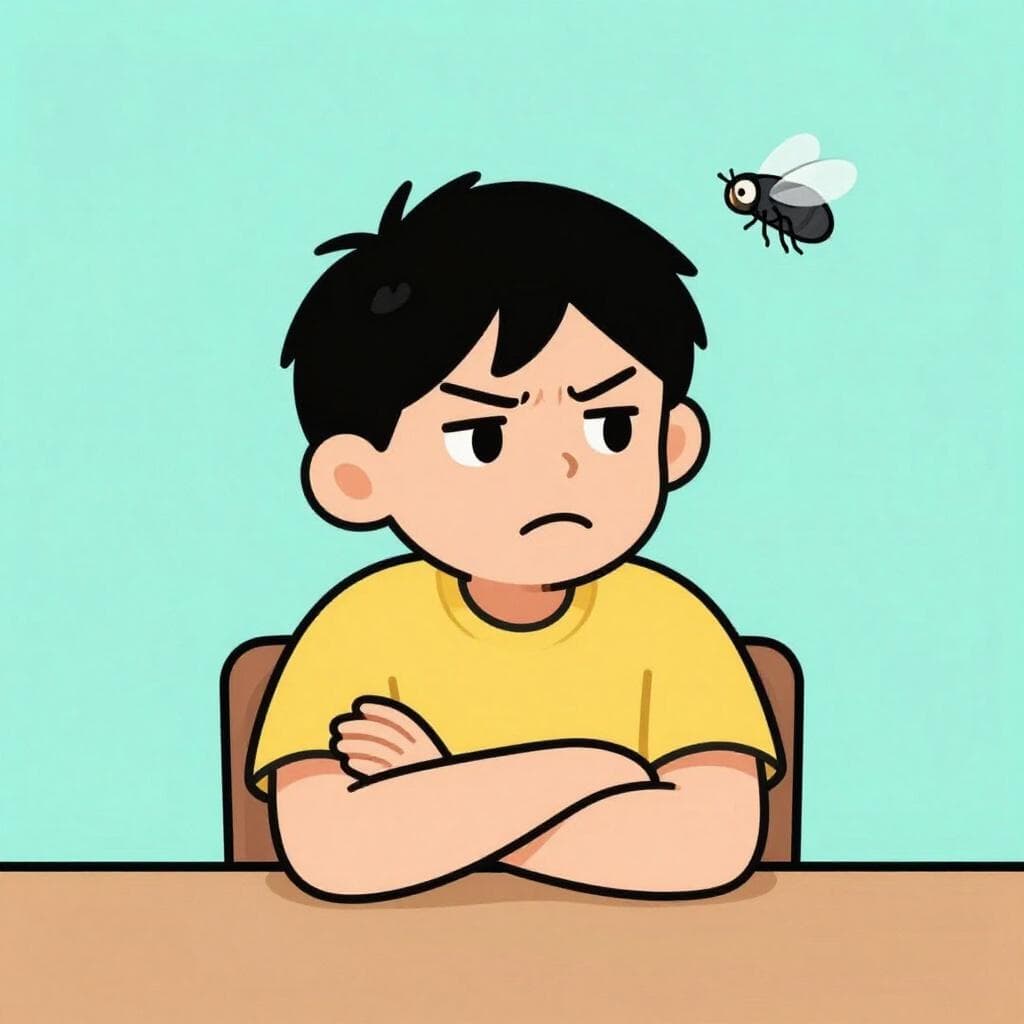
irritated, sore
Also: inflamed
📝 In Action
Tengo los ojos irritados por el cloro de la piscina.
A2My eyes are irritated because of the chlorine in the pool.
Su piel está muy irritada después de estar al sol.
A2Her skin is very sore after being in the sun.
Si tienes el brazo irritado, no te rasques.
B1If your arm is irritated, don't scratch.
annoyed, cross
Also: short-tempered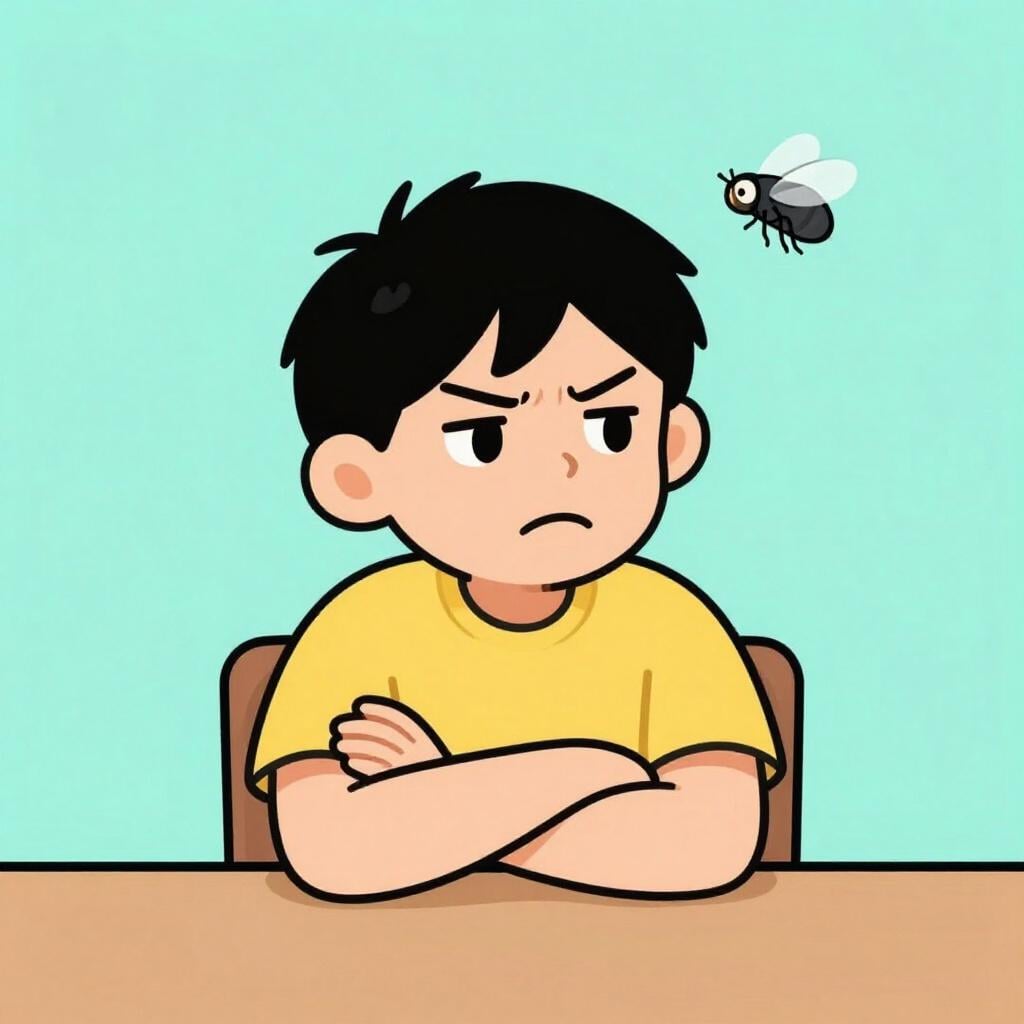
📝 In Action
El jefe está muy irritado con los retrasos de hoy.
B1The boss is very annoyed with the delays today.
Me siento un poco irritado por el ruido de la calle.
B1I feel a bit irritated because of the noise from the street.
No le hables ahora, parece bastante irritado.
B2Don't talk to him now, he looks quite cross.
Translate to Spanish
✏️ Quick Practice
Quick Quiz: irritado
Question 1 of 3
Which verb do you use to say 'The skin is irritated'?
📚 More Resources
👥 Word Family▼
📚 Etymology▼
From the Latin word 'irritatus', which comes from 'irritare' (to provoke or excite). It is related to the ancient idea of stirring up or provoking a reaction, whether in the body or the mind.
First recorded: 13th century
Cognates (Related words)
💡 Master Spanish
Take your Spanish to the next level. Read 200+ illustrated and narrated Spanish stories tailored to your level with the Inklingo app!
Frequently Asked Questions
Is 'irritado' only for people?
No, it can describe people (moods) or body parts (skin, eyes, throat). However, you wouldn't usually use it for objects or situations—for those, you would use 'irritante' (irritating).
How do I make this word feminine?
Simply change the 'o' at the end to an 'a': 'irritada'. For example: 'La piel está irritada' or 'Ella está irritada'.
What's the difference between 'enojado' and 'irritado'?
'Enojado' usually means someone is full-on angry. 'Irritado' is more like being prickly, annoyed, or on edge—often because of a specific nuisance.