How to Say "sore" in Spanish
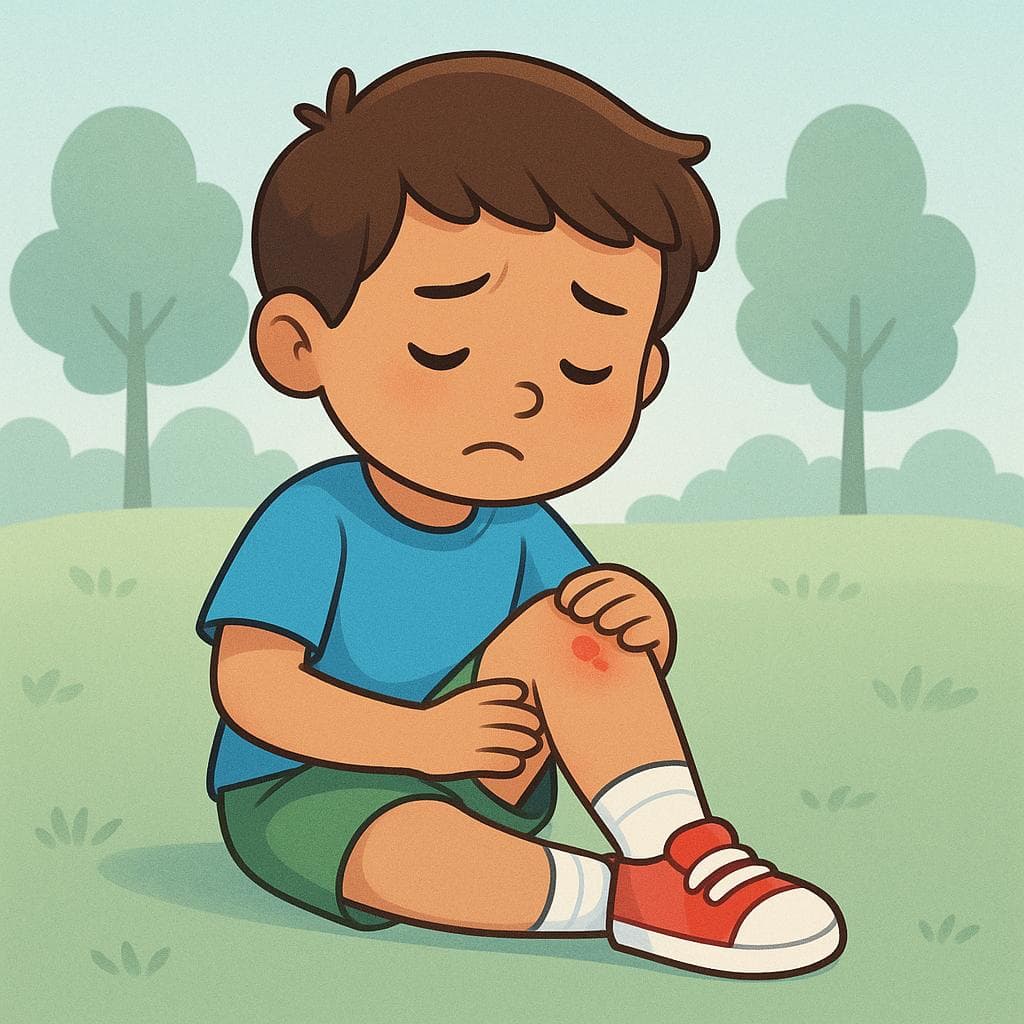
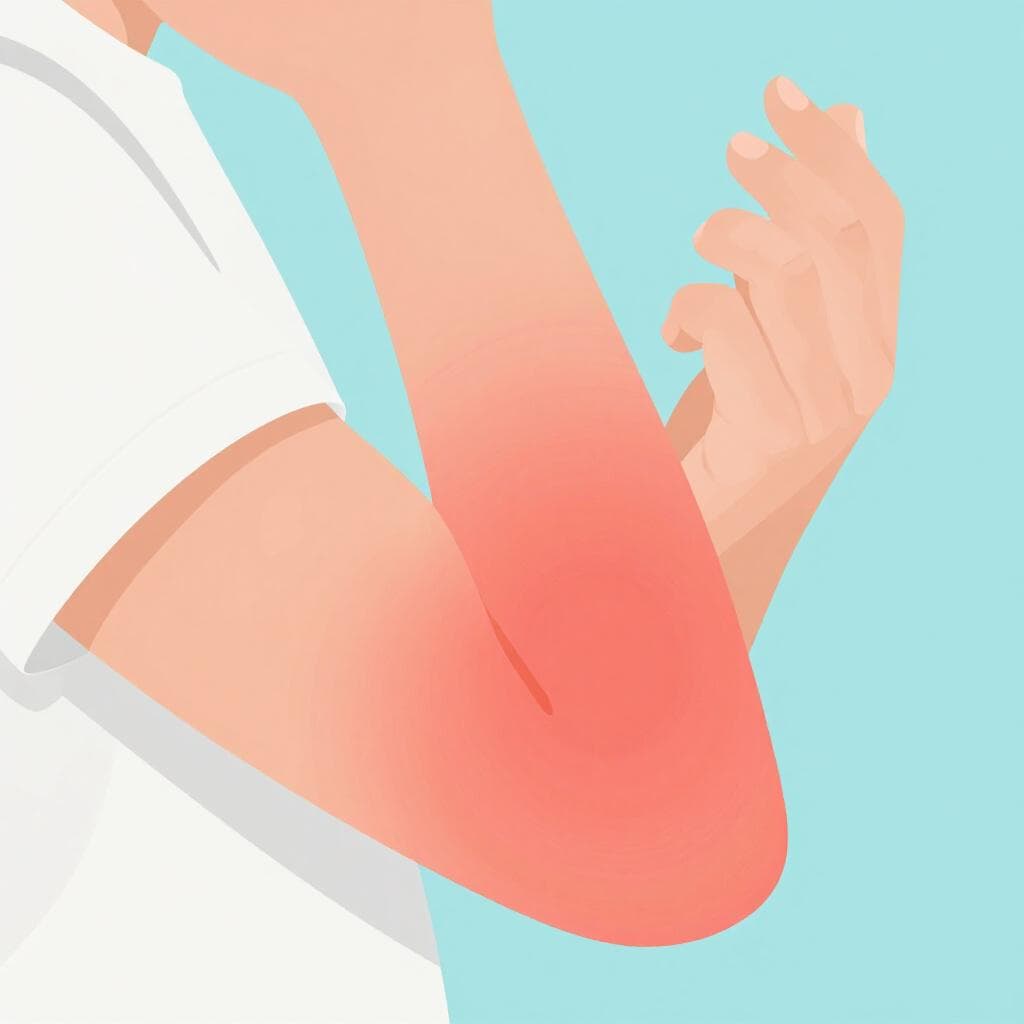
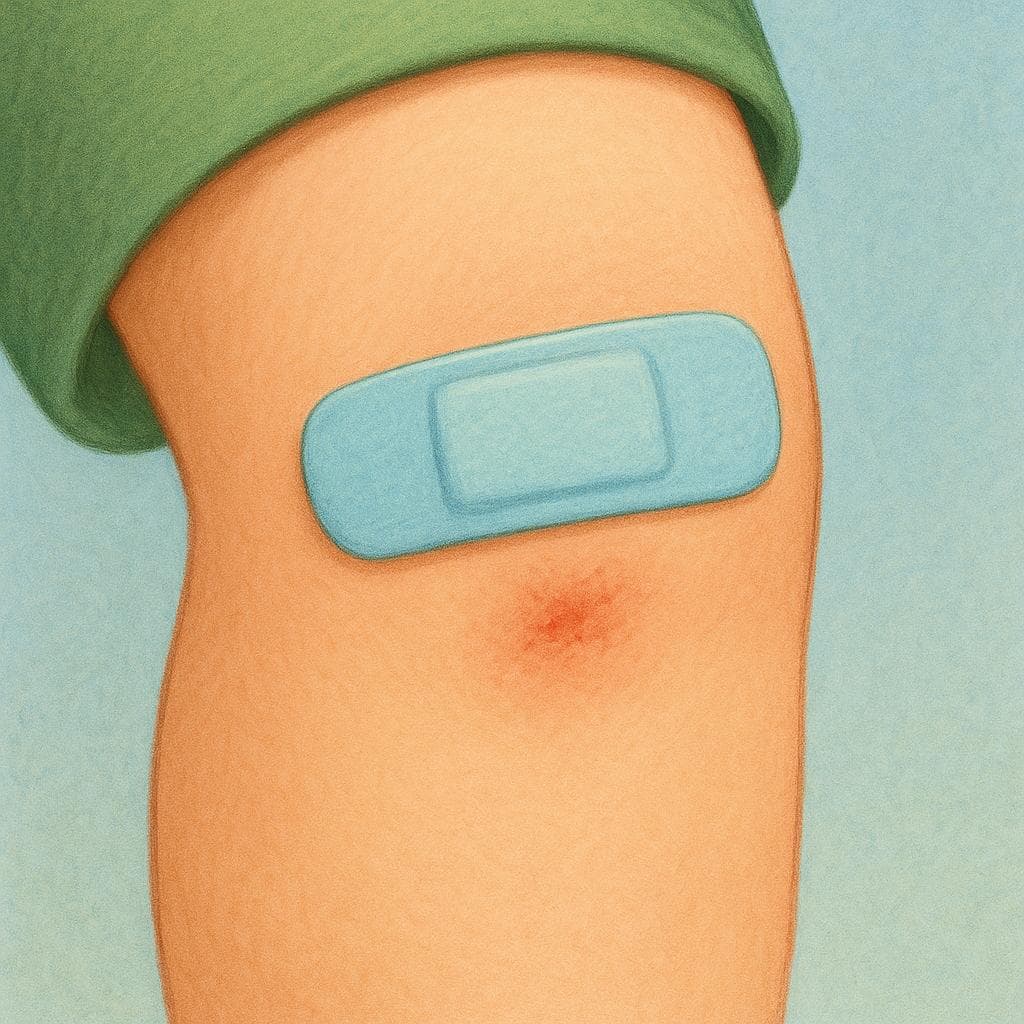
The most common Spanish word for “sore” is “doloroso” — use 'doloroso' to describe something that causes pain, like a wound, a bruise, or a general feeling of discomfort.
doloroso
doh-loh-ROH-sohdo.loˈɾo.so
Examples
Mi espalda está dolorosa después de levantar pesas.
My back is sore after lifting weights.
La herida en mi rodilla es muy dolorosa.
The wound on my knee is very painful.
Necesitas una operación, pero no será dolorosa.
You need an operation, but it won't be painful.
Adjective Agreement
As an adjective, 'doloroso' must change its ending to match the noun it describes: use -a for feminine words (una operación dolorosa) and -os/-as for plural words (los recuerdos dolorosos).
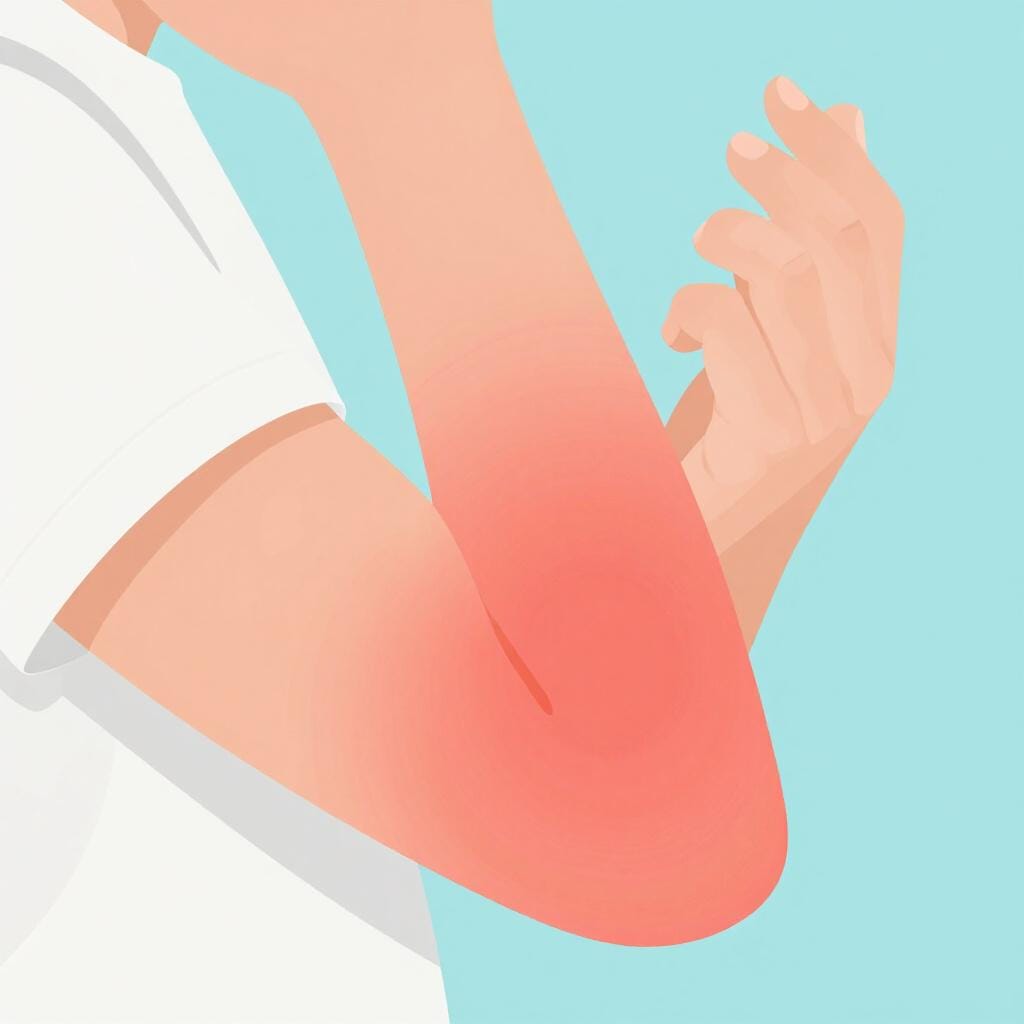
irritado
ee-rree-TAH-dohiriˈtaðo
Examples
Tengo la garganta irritada por el aire seco.
I have a sore throat because of the dry air.
Tengo los ojos irritados por el cloro de la piscina.
My eyes are irritated because of the chlorine in the pool.
Su piel está muy irritada después de estar al sol.
Her skin is very sore after being in the sun.
Si tienes el brazo irritado, no te rasques.
If your arm is irritated, don't scratch.
Using 'Estar' for States
Since physical irritation is usually temporary, always use the verb 'estar' (to be) instead of 'ser'.
Matching the Noun
The ending of the word changes to match what is irritated: 'el ojo irritado' (male), 'la piel irritada' (female), 'los ojos irritados' (plural).
The 'Ser' Trap
Mistake: “Soy irritado.”
Correction: Estoy irritado. Use 'estar' because physical irritation isn't a permanent personality trait.
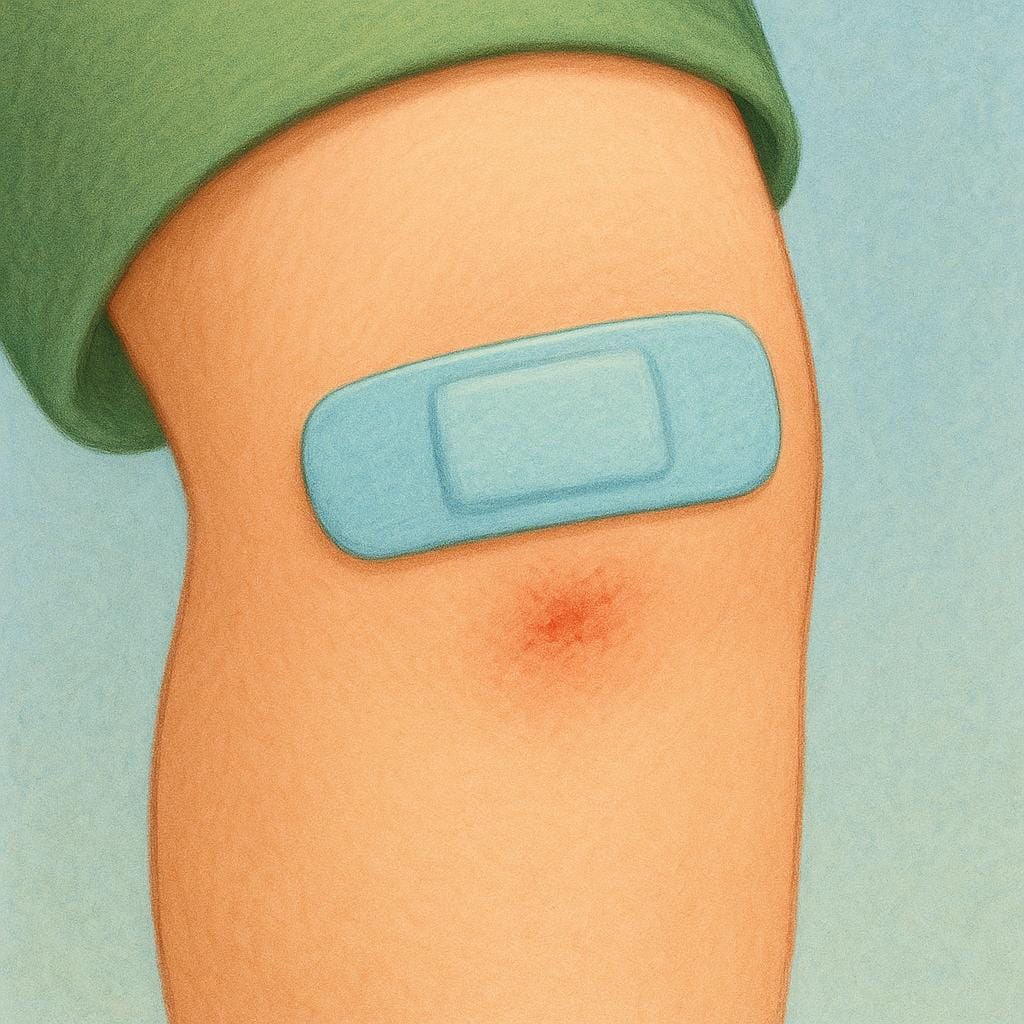
herida
eh-REE-daheˈɾiða
Examples
El futbolista tiene una herida en la pierna.
The soccer player has a sore on his leg.
Necesitas limpiar bien la herida para evitar una infección.
You need to clean the wound well to avoid an infection.
Después del accidente, le pusieron puntos en la herida.
After the accident, they put stitches in the injury.
Always Feminine
Even though many words ending in '-a' are feminine, remember that 'herida' always uses feminine articles (la herida, una herida).
Confusing Noun and Adjective
Mistake: “La herida mujer (The wound woman)”
Correction: La mujer herida (The wounded woman). 'Herida' works as an adjective when describing someone, but as a noun when it's the injury itself.
úlcera
Examples
Las úlceras pueden ser causadas por estrés o bacterias.
Sores (ulcers) can be caused by stress or bacteria.
Adjective vs. Noun for 'Sore'
Related Translations
Learn Spanish with Inklingo
Interactive stories, personalized learning, and more.