How to Say "irritated" in Spanish
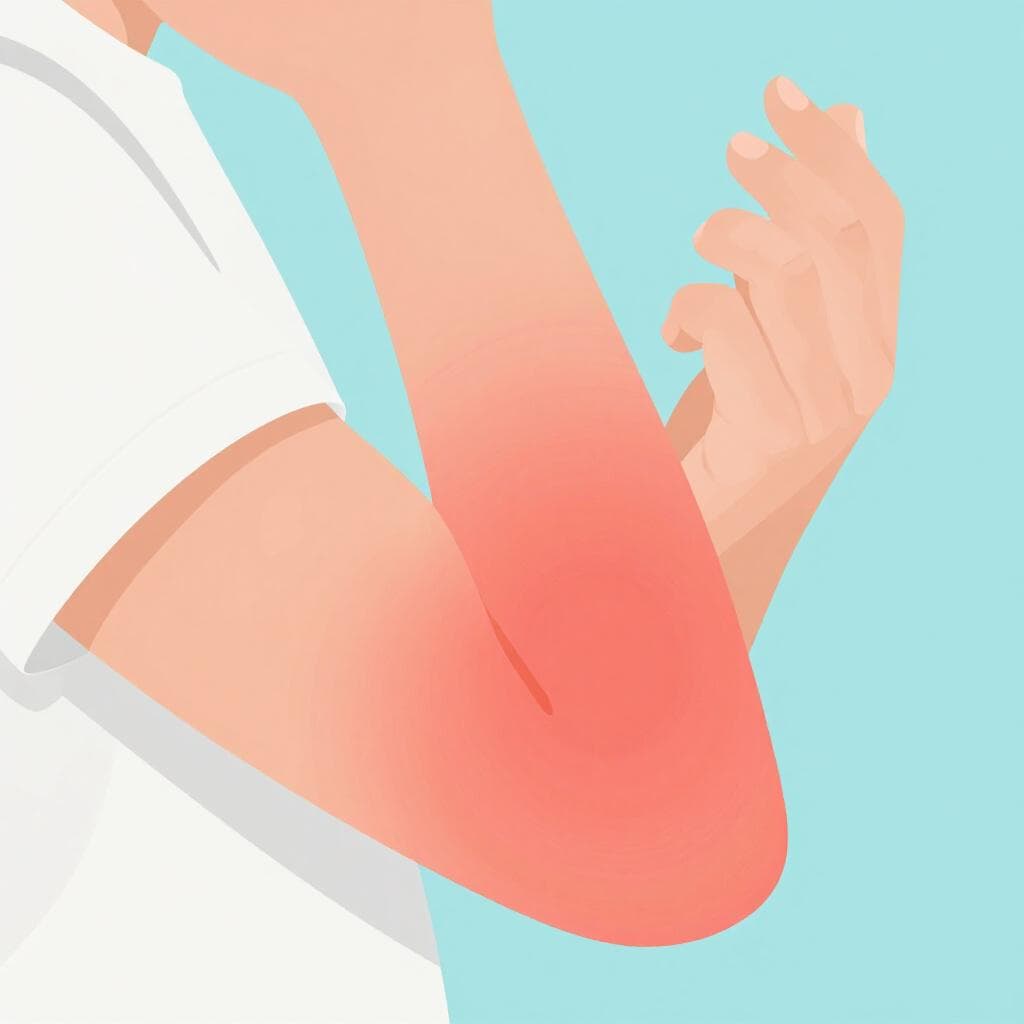
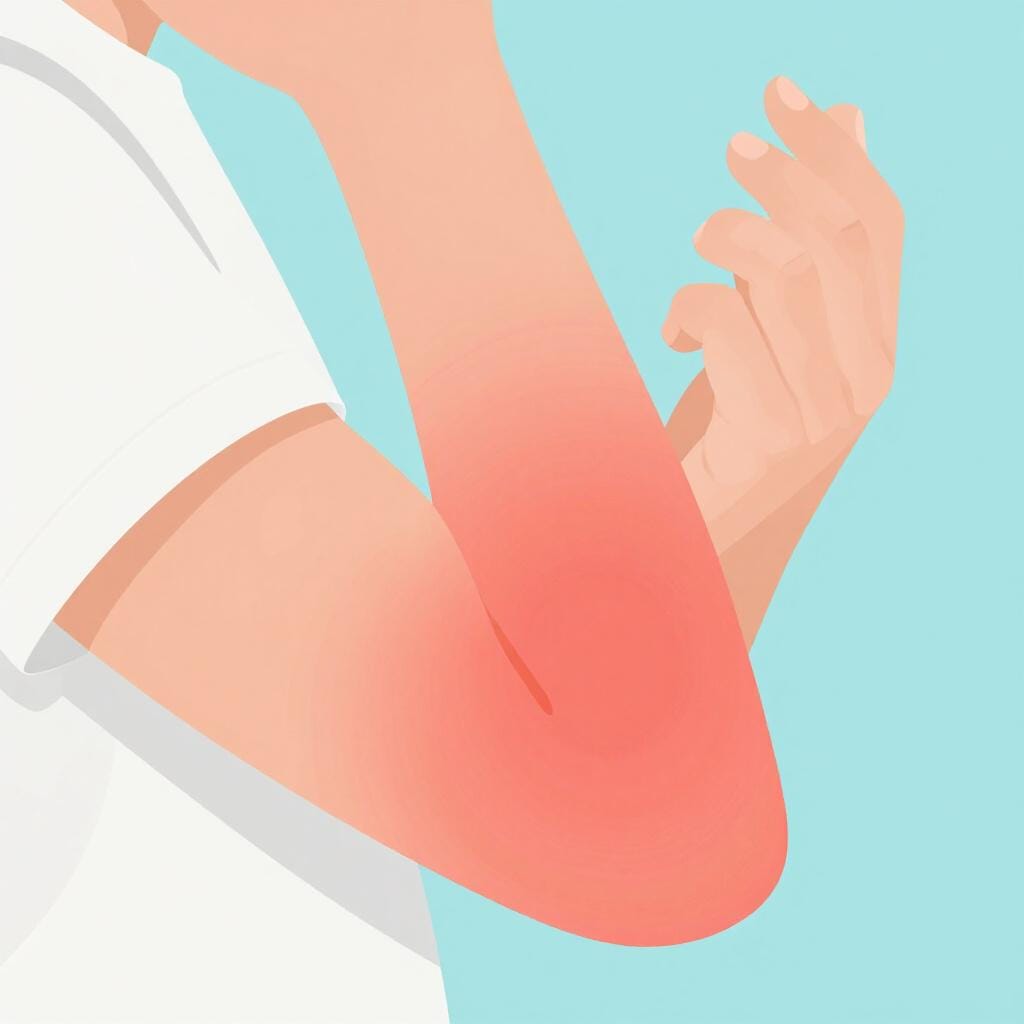
The most common Spanish word for “irritated” is “irritado” — use 'irritado' when referring to physical irritation of the skin, eyes, or other body parts, often due to external factors like allergens or friction.
irritado
ee-rree-TAH-dohiriˈtaðo
Examples
Tengo la garganta irritada por la tos.
I have an irritated throat from coughing.
Tengo los ojos irritados por el cloro de la piscina.
My eyes are irritated because of the chlorine in the pool.
Su piel está muy irritada después de estar al sol.
Her skin is very sore after being in the sun.
Si tienes el brazo irritado, no te rasques.
If your arm is irritated, don't scratch.
Using 'Estar' for States
Since physical irritation is usually temporary, always use the verb 'estar' (to be) instead of 'ser'.
Matching the Noun
The ending of the word changes to match what is irritated: 'el ojo irritado' (male), 'la piel irritada' (female), 'los ojos irritados' (plural).
The 'Ser' Trap
Mistake: “Soy irritado.”
Correction: Estoy irritado. Use 'estar' because physical irritation isn't a permanent personality trait.
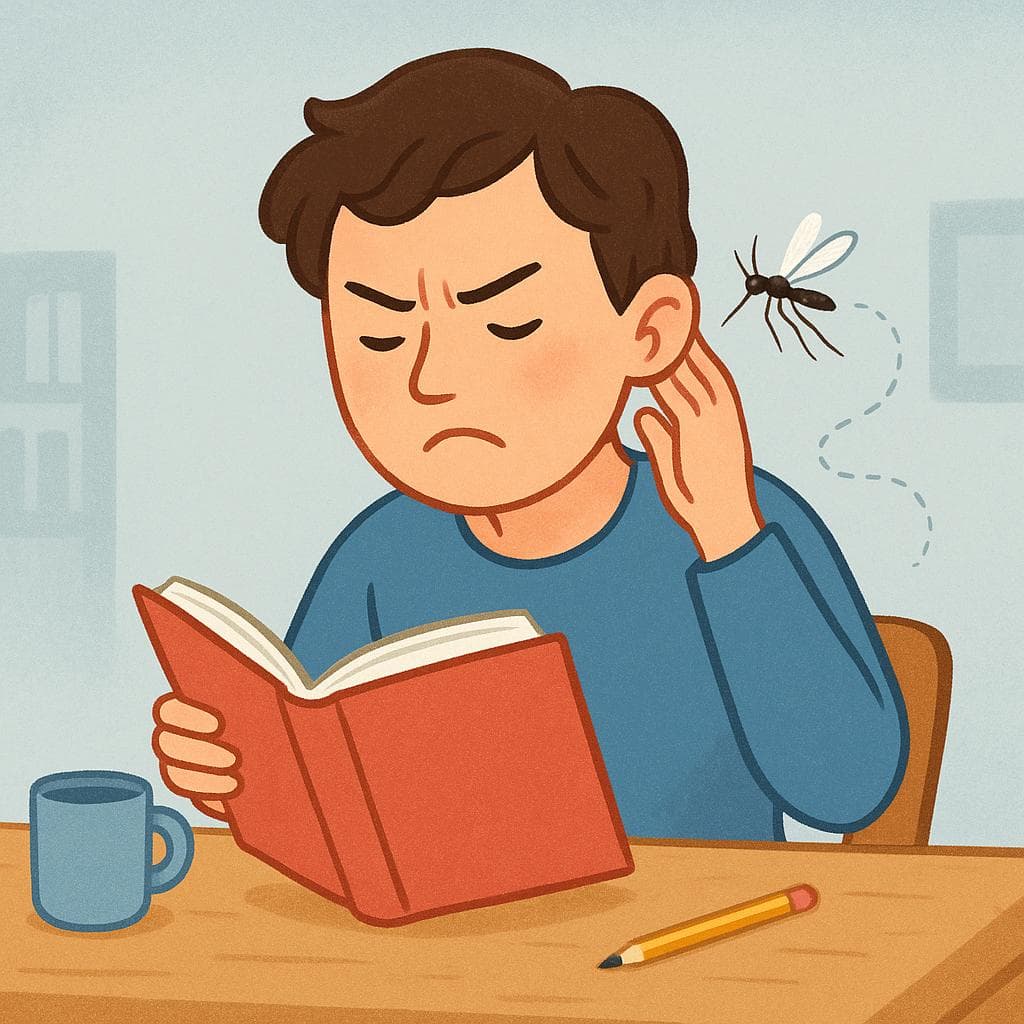
molestado
mo-les-TAH-dohmolesˈtaðo

Examples
El ruido constante me tiene muy molestado.
The constant noise has me very bothered.
La audiencia se sintió molestada por la interrupción.
The audience felt bothered by the interruption.
Un hombre molestado por el ruido llamó a la policía.
A man disturbed by the noise called the police.
Gender and Number Agreement
When 'molestado' is used as an adjective, it must match the person or thing it describes: 'molestada' (f.), 'molestados' (m. pl.), 'molestadas' (f. pl.).
Confusing Adjectives
Mistake: “Using 'molesto' when you mean 'molestado'.”
Correction: While 'molesto' (annoying/annoyed) is more common for describing a feeling, 'molestado' specifically means 'having been actively bothered or disturbed by someone else.' Use 'molestado' when the action of bothering is clear.
Physical vs. Emotional Irritation
Related Translations
Learn Spanish with Inklingo
Interactive stories, personalized learning, and more.