librar
“librar” means “to free or save” in Spanish. It has 2 different meanings depending on context:
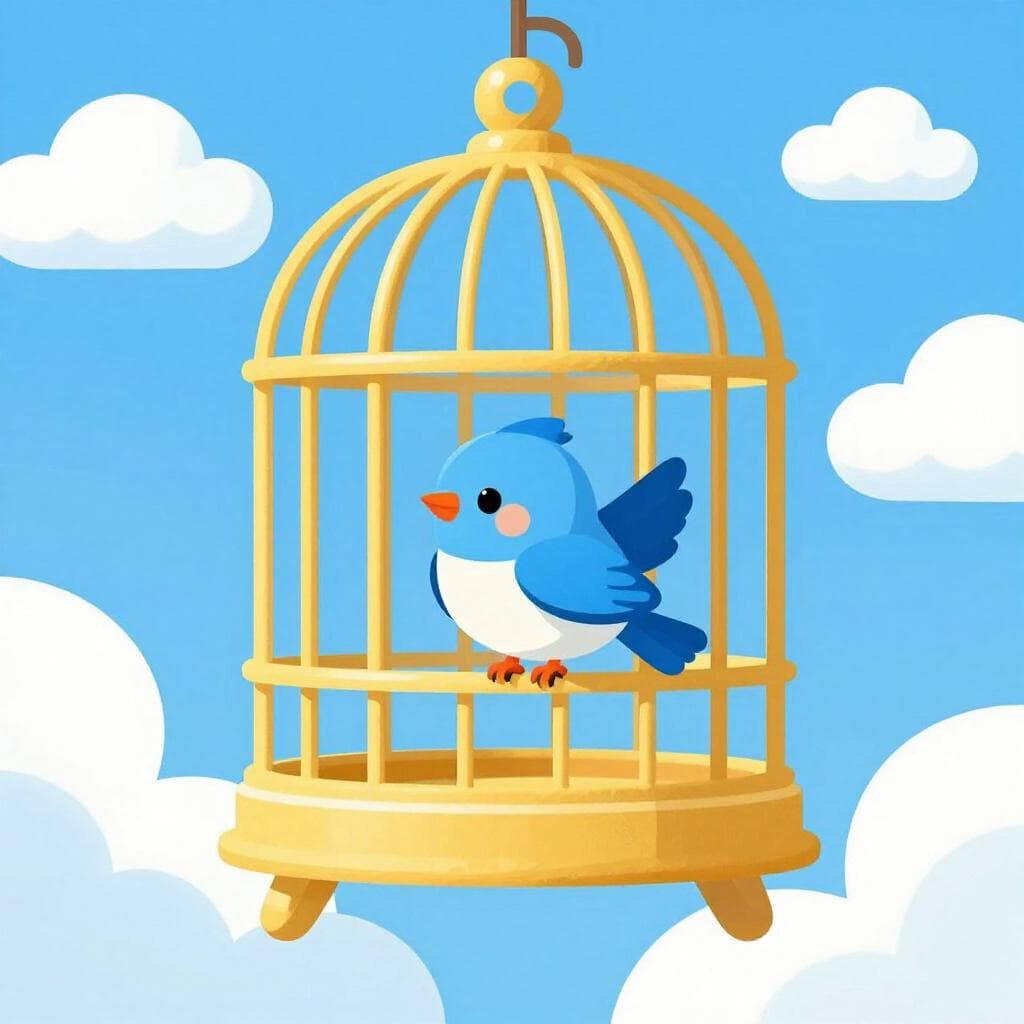

to free or saveAlso: to escape, to have a day off

📝 In Action
El cinturón de seguridad le libró de una muerte segura.
B1The seatbelt saved him from certain death.
Hoy libro, así que podemos ir a la playa.
A2I have today off, so we can go to the beach.
Te has librado por los pelos de limpiar la cocina.
B2You narrowly escaped having to clean the kitchen.
Word Connections
to wage / to fight

📝 In Action
Ambos ejércitos libraron una batalla sangrienta.
B2Both armies fought a bloody battle.
Estamos librando una guerra contra la inflación.
C1We are waging a war against inflation.
Word Connections
Subjunctive
Imperfect Subjunctive
Present Subjunctive
Indicative
Preterite
Imperfect
Present
Translate to Spanish
Words that translate to "librar" in Spanish:
✏️ Quick Practice
Quick Quiz: librar
Question 1 of 3
If someone says 'Mañana libro', what do they mean?
📚 More Resources
👥 Word Family
📚 Etymology
From the Latin 'liberare', meaning 'to set free' or 'to release'.
First recorded: 13th century
Cognates (Related words)
💡 Master Spanish
Take your Spanish to the next level. Read 200+ illustrated and narrated Spanish stories tailored to your level with the Inklingo app!
Frequently Asked Questions
What is the difference between 'librar' and 'liberar'?
'Liberar' is for physically setting someone free (like a prisoner). 'Librar' is more about saving someone from a problem or having a day off work.
Is 'librar' used the same in Mexico and Spain?
While the 'to save' meaning is universal, using 'librar' to mean 'to have a day off' is much more common in Spain than in Mexico.
Can 'librar' mean 'to deliver'?
In very formal or old-fashioned legal contexts, it can mean 'to issue' (like a check), but you shouldn't use it to mean 'delivering a package'—for that, use 'entregar'.