mimar
“mimar” means “to pamper” in Spanish. It has 2 different meanings depending on context:
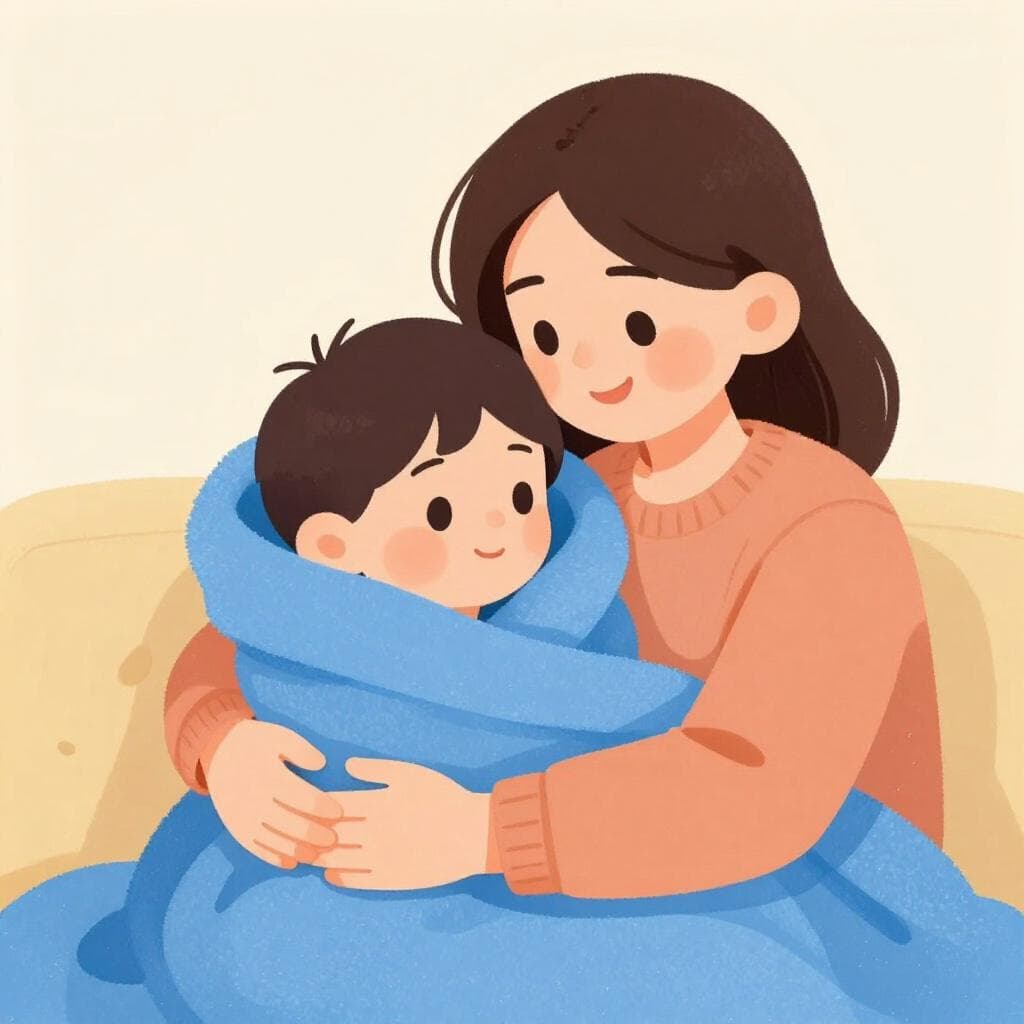

to pamper, to dote on
Also: to spoil, to pet
📝 In Action
Mi abuela siempre mima a sus nietos con dulces.
A2My grandmother always pampers her grandchildren with sweets.
No debes mimar tanto al niño o se portará mal.
B1You shouldn't spoil the child so much or he will behave badly.
Después de una semana dura, me gusta mimarme con un baño largo.
B2After a hard week, I like to pamper myself with a long bath.
to look after, to cherish
Also: to nurture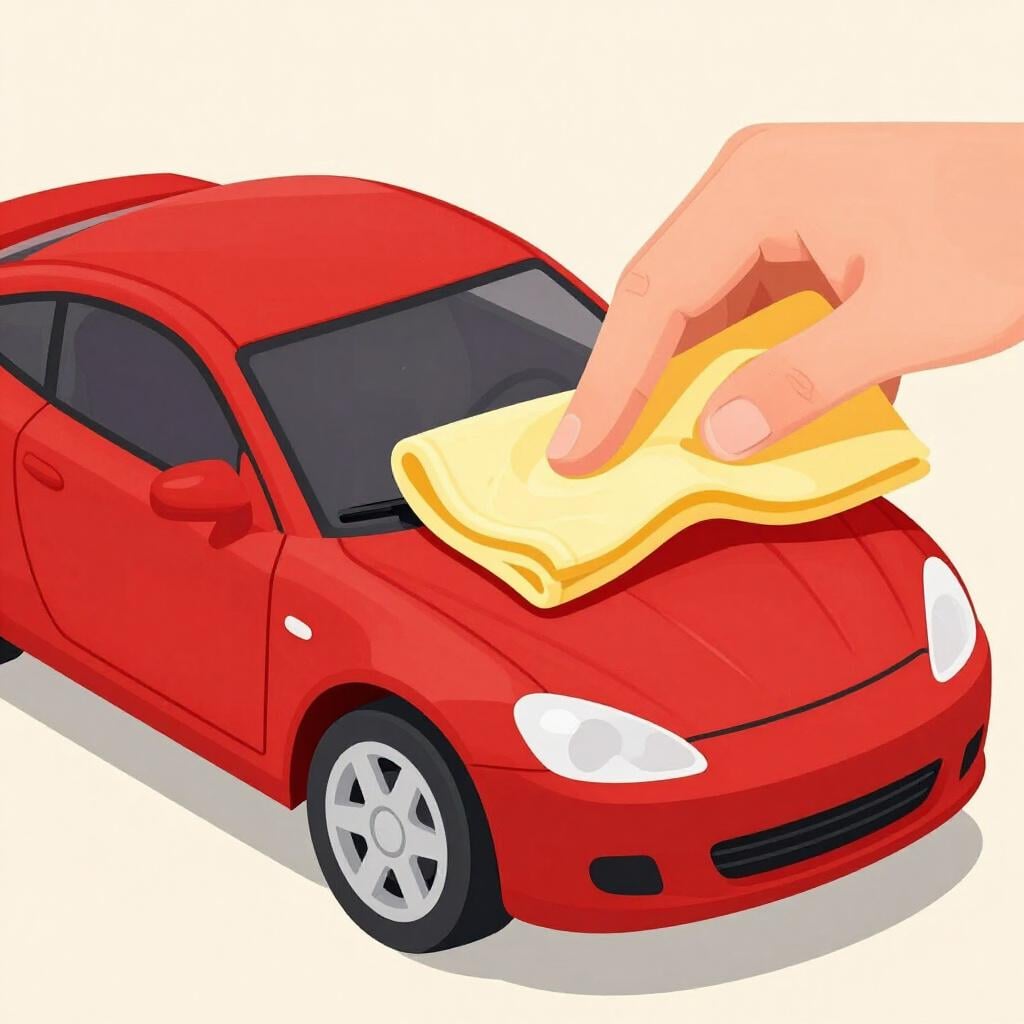
📝 In Action
El escritor mima cada palabra de su nueva novela.
B2The writer cherishes every word of his new novel.
Mimo mucho mi jardín para que las flores crezcan sanas.
B1I take great care of my garden so the flowers grow healthy.
Es un coleccionista que mima sus libros antiguos.
C1He is a collector who treats his old books with great care.
Subjunctive
Imperfect Subjunctive
Present Subjunctive
Indicative
Preterite
Imperfect
Present
Translate to Spanish
🗣️ Practice in a Tongue Twister
✏️ Quick Practice
Quick Quiz: mimar
Question 1 of 3
Which sentence means 'I treat myself to a gift'?
📚 More Resources
👥 Word Family▼
📚 Etymology▼
Derived from the Spanish noun 'mimo' (an affectionate gesture), which comes from Latin 'mimus', originally referring to actors or performers who used gestures to communicate.
First recorded: 13th century
Cognates (Related words)
💡 Master Spanish
Take your Spanish to the next level. Read 200+ illustrated and narrated Spanish stories tailored to your level with the Inklingo app!
Frequently Asked Questions
Is 'mimar' the same as 'acariciar'?
'Acariciar' is specifically about physical touch (stroking/petting). 'Mimar' is broader, including giving gifts, attention, and special treatment.
Can I use 'mimar' for my pet?
Absolutely! It is very common to 'mimar' your dog or cat with treats and cuddles.
What is the difference between 'mimar' and 'consentir'?
In many contexts they are synonyms, but 'consentir' can sometimes mean 'to allow' or 'to permit,' whereas 'mimar' always implies affection.