mueven
“mueven” means “move” in Spanish. It has 2 different meanings depending on context:
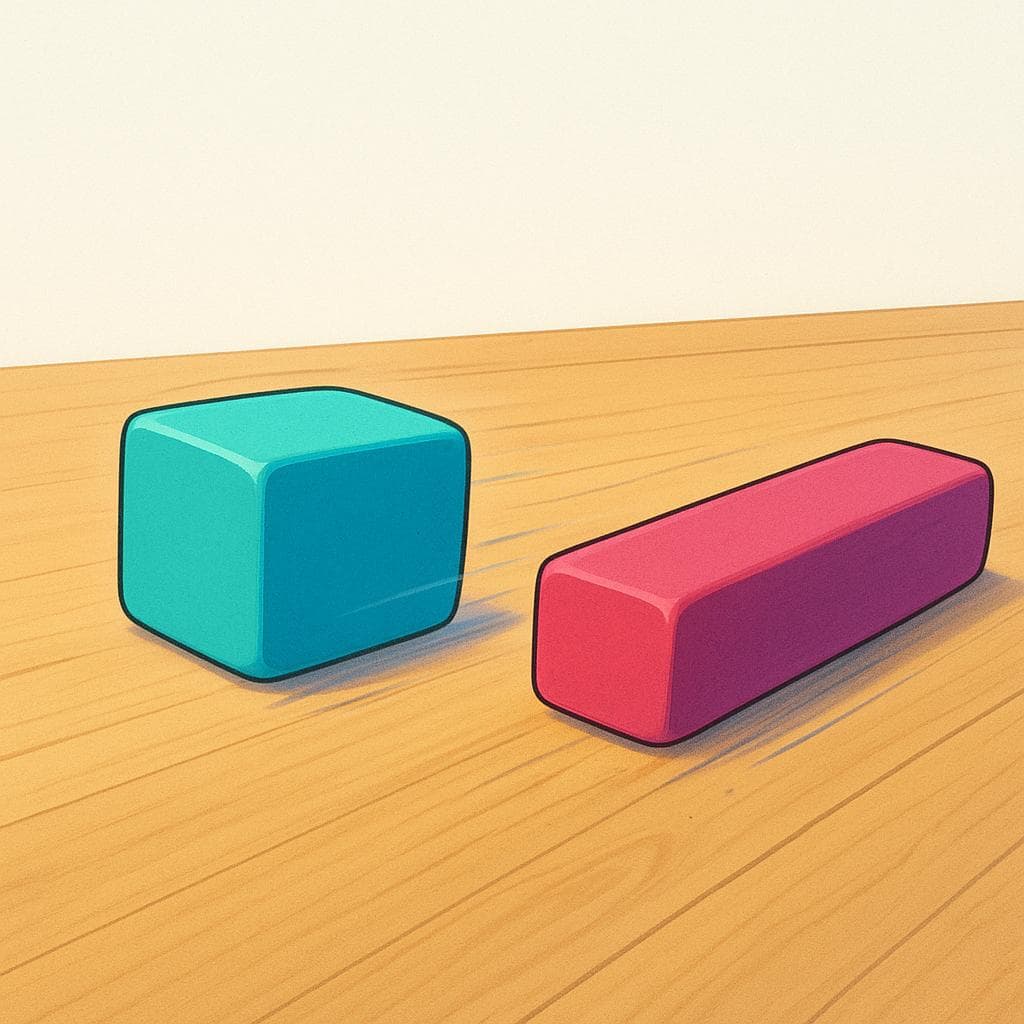

move, shift
Also: stir
📝 In Action
Los trabajadores mueven las cajas pesadas al camión.
A1The workers move the heavy boxes to the truck.
¿Por qué no se mueven? Tenemos prisa.
A2Why aren't they moving? We are in a hurry.
Ustedes mueven la reunión a la tarde, ¿verdad?
B1You (plural, formal) are moving the meeting to the afternoon, right?
motivate, influence
Also: stir up, drive
📝 In Action
Las injusticias sociales mueven a los ciudadanos a protestar.
B1Social injustices motivate the citizens to protest.
Sus palabras siempre me mueven; son muy inspiradoras.
B2Their words always move me; they are very inspiring.
Ellos mueven grandes cantidades de dinero en la bolsa.
C1They move (manage/handle) large amounts of money on the stock market.
Indicative
Present
Preterite
Imperfect
Subjunctive
Present Subjunctive
Imperfect Subjunctive
Translate to Spanish
✏️ Quick Practice
Quick Quiz: mueven
Question 1 of 1
Which sentence uses 'mueven' in its figurative sense (to motivate)?
📚 More Resources
👥 Word Family▼
🎵 Rhymes▼
📚 Etymology▼
Comes directly from the Latin word *movēre*, meaning 'to move.' Spanish kept the core meaning of motion, but added figurative senses for emotional and influential movement over time.
First recorded: Old Spanish (around 10th-11th century)
Cognates (Related words)
💡 Master Spanish
Take your Spanish to the next level. Read 200+ illustrated and narrated Spanish stories tailored to your level with the Inklingo app!
Frequently Asked Questions
What is the base form of the verb 'mueven'?
The base form, or infinitive, is 'mover' (to move).
Why does the 'o' change to 'ue' in 'mueven'?
The verb 'mover' is an irregular verb with a stem change. When the verb is stressed in the present tense, the 'o' changes to 'ue'. This happens for all forms except 'nosotros' and 'vosotros'.