untar
“untar” means “to spread” in Spanish. It has 2 different meanings depending on context:


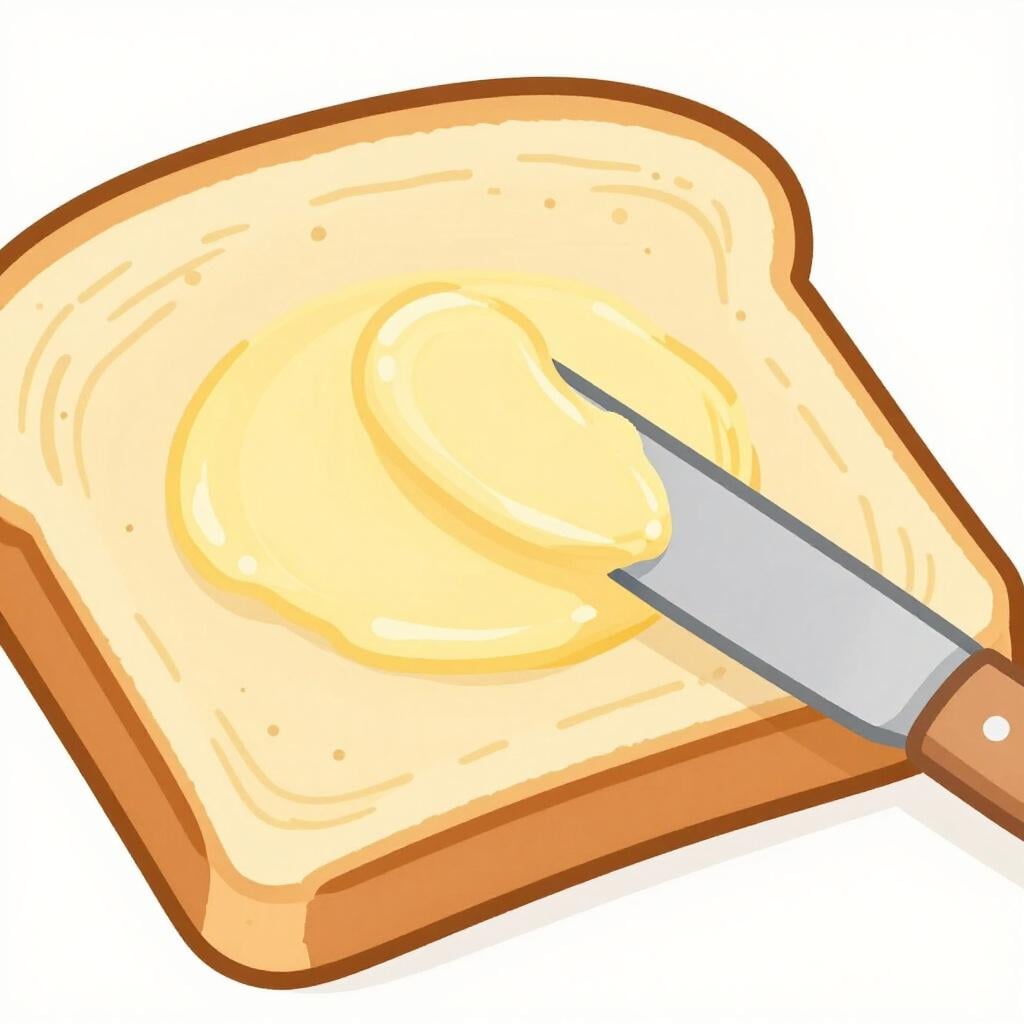
to spreadAlso: to smear, to grease
📝 In Action
Me gusta untar mantequilla en el pan tostado.
A1I like to spread butter on the toast.
Tienes que untar el molde con aceite antes de hornear.
A2You have to grease the mold with oil before baking.
No te olvides de untarte crema solar en la espalda.
B1Don't forget to put sunscreen on your back.
Word Connections
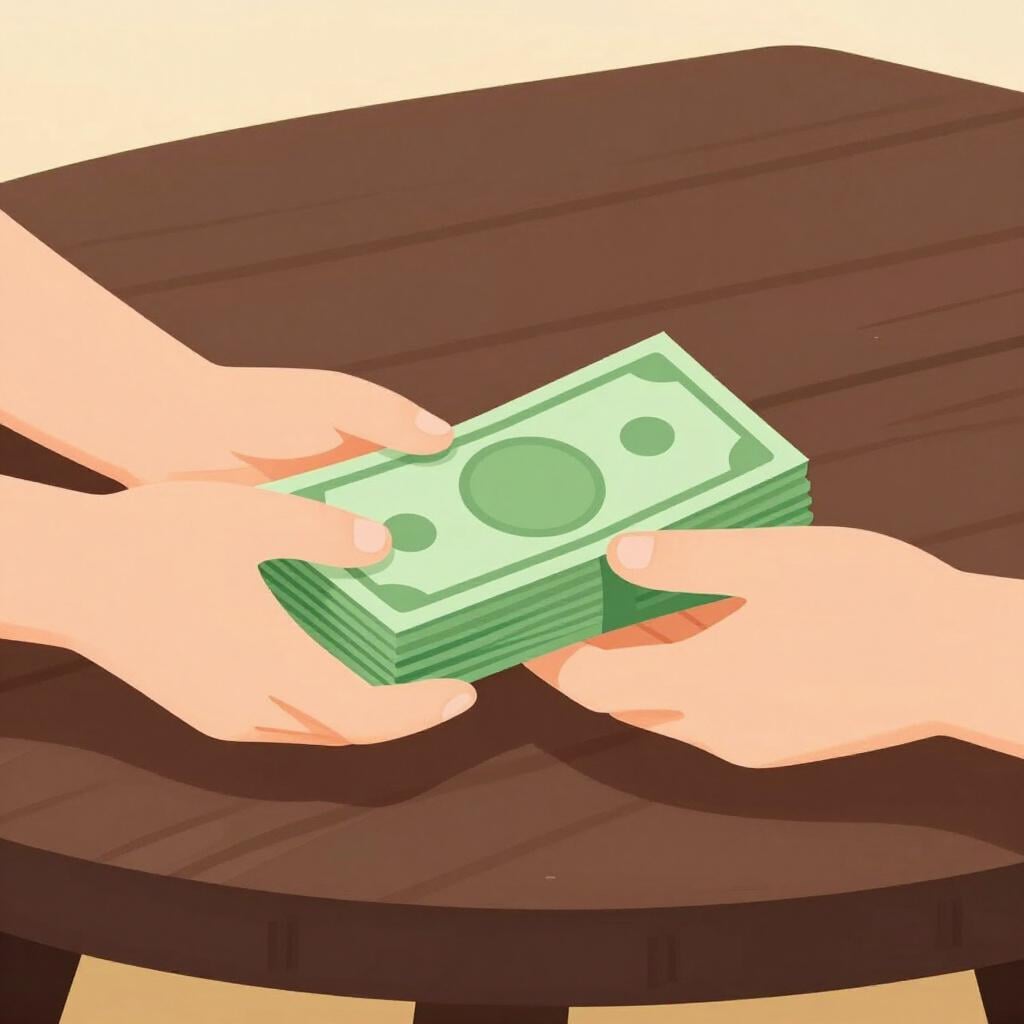
to bribeAlso: to grease someone's palm
📝 In Action
Tuvieron que untar al funcionario para conseguir el permiso.
C1They had to bribe the official to get the permit.
Word Connections
Subjunctive
Imperfect Subjunctive
Present Subjunctive
Indicative
Preterite
Imperfect
Present
✏️ Quick Practice
Quick Quiz: untar
Question 1 of 3
What is the most common meaning of 'untar' at the breakfast table?
📚 More Resources
👥 Word Family
📚 Etymology
From the Latin word 'unctare', which means to anoint or smear. This comes from 'unguere' (to smear with oil).
First recorded: 13th century
Cognates (Related words)
💡 Master Spanish
Take your Spanish to the next level. Read 200+ illustrated and narrated Spanish stories tailored to your level with the Inklingo app!
Frequently Asked Questions
Can I use 'untar' for putting on makeup?
Not really. For makeup, we usually use 'ponerse' or 'aplicarse'. 'Untar' implies a thicker, more spreadable substance like a heavy cream or ointment.
What is the difference between 'untar' and 'extender'?
'Untar' specifically refers to the act of applying a substance to a surface. 'Extender' is more general and just means to spread something out over a larger area.
Is 'untar' a regular verb?
Yes! It follows the standard pattern for all -ar verbs in all tenses, making it very easy to conjugate.