How to Say "fare" in Spanish
The most common Spanish word for “fare” is “pasaje” — use 'pasaje' when referring to the cost of a ticket for transportation like a plane, train, or bus trip.
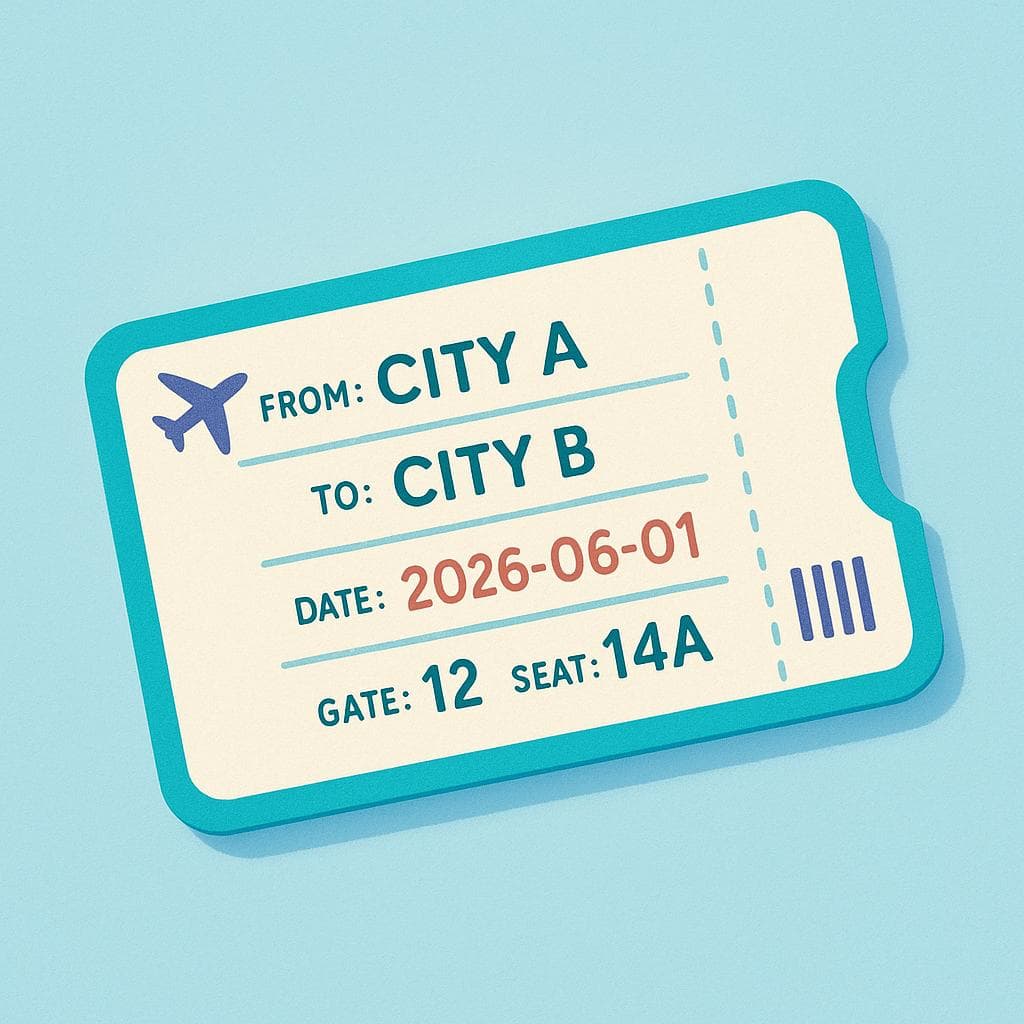

pasaje
pah-SAH-hehpaˈsa.xe
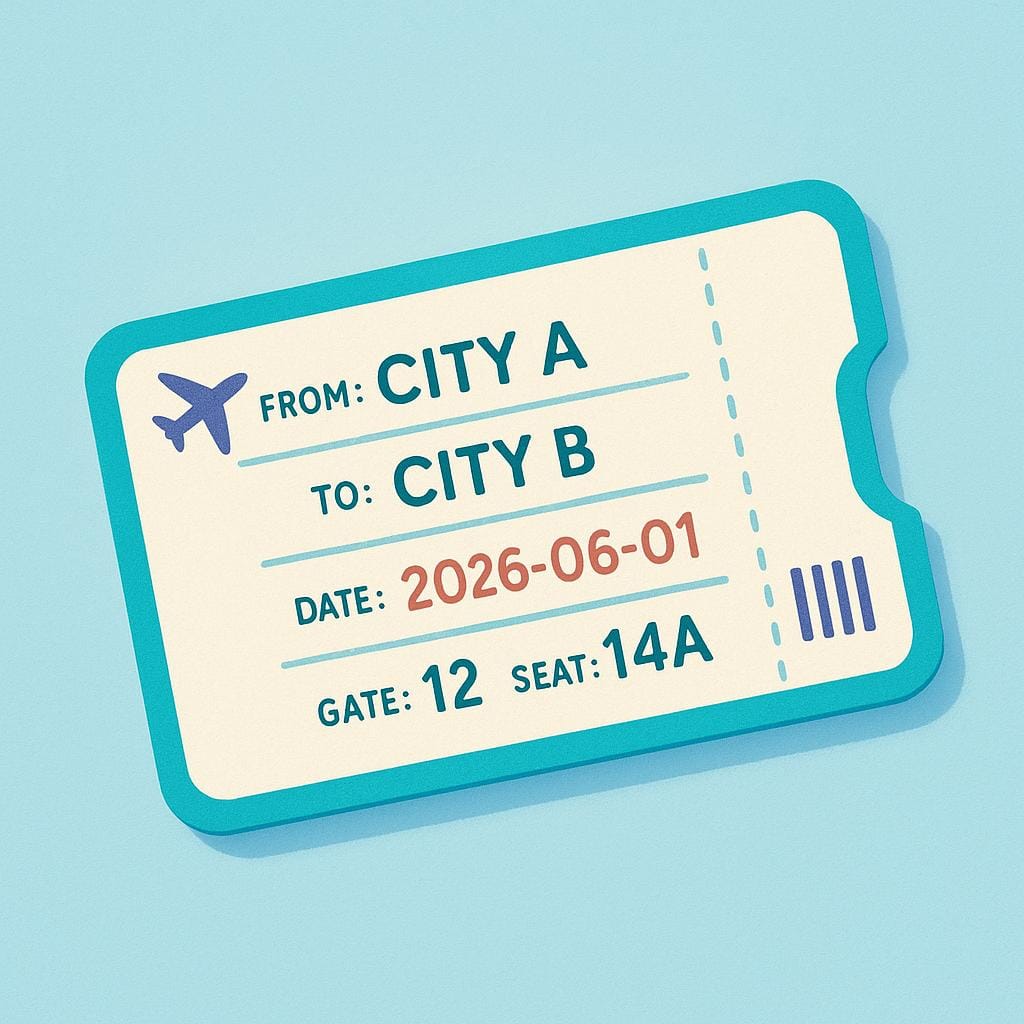
Examples
Compré un pasaje de avión para mis vacaciones.
I bought a plane ticket for my vacation.
Necesito comprar un pasaje de ida y vuelta a la costa.
I need to buy a round-trip ticket to the coast.
El pasaje de metro es más caro ahora.
The subway fare is more expensive now.
Using 'Pasaje' for Events
Mistake: “Compré un pasaje para el concierto.”
Correction: Compré una entrada/un boleto para el concierto. ('Pasaje' is reserved for transport.)
tarifa
tah-REE-fahtaˈɾifa

Examples
La tarifa del taxi hasta el aeropuerto es fija.
The taxi fare to the airport is fixed.
He cambiado mi tarifa de móvil para pagar menos.
I changed my mobile phone rate to pay less.
¿Cuál es la tarifa nocturna de la electricidad?
What is the night rate for electricity?
El taxista me cobró una tarifa fija hasta el aeropuerto.
The taxi driver charged me a fixed fare to the airport.
Identifying Gender
Since 'tarifa' ends in '-a', it is feminine. Always use 'la' or 'una' with it (e.g., la tarifa alta).
Tarifa vs. Precio
Use 'tarifa' for official or set costs for services (like internet or water). Use 'precio' for physical items you buy in a shop (like an apple or a shirt).
Using 'tarifa' for everything
Mistake: “¿Cuál es la tarifa de esta camisa?”
Correction: ¿Cuál es el precio de esta camisa? (Use 'precio' for physical products, 'tarifa' for services).
Pasaje vs. Tarifa
Related Translations
Learn Spanish with Inklingo
Interactive stories, personalized learning, and more.