How to Say "i carry" in Spanish
The most common Spanish word for “i carry” is “llevo” — use 'llevo' when you are holding something and moving with it, implying you have it on your person or are in the process of transporting it from one place to another.

Use 'llevo' when you are holding something and moving with it, implying you have it on your person or are in the process of transporting it from one place to another.
Learn more →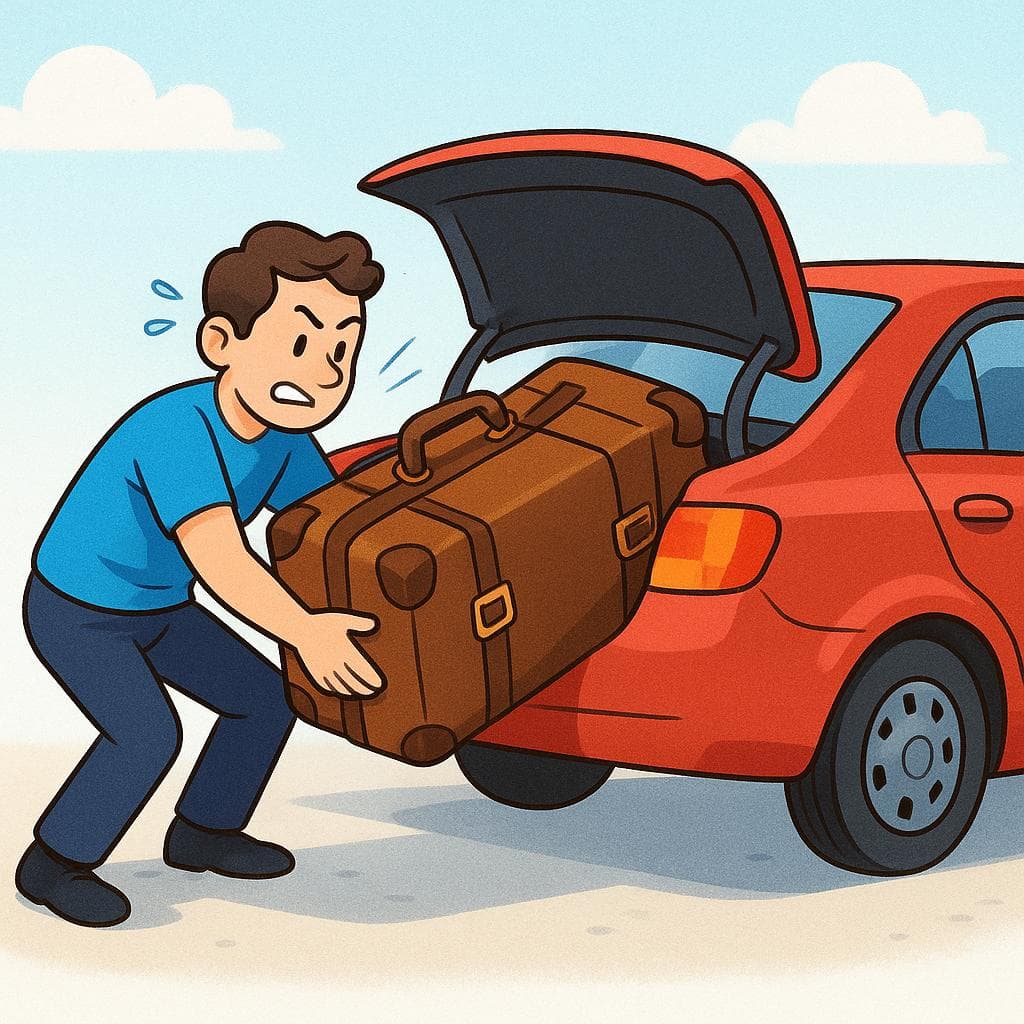
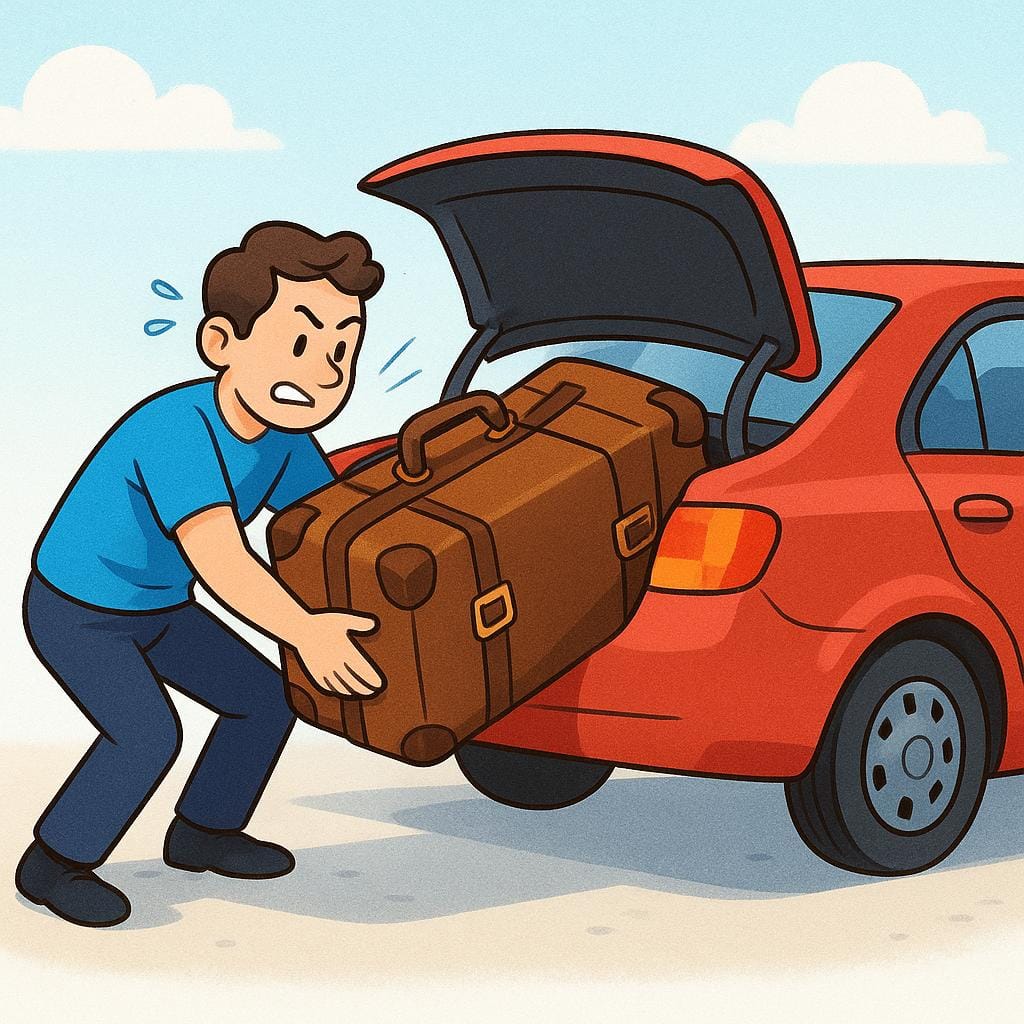
Use 'cargo' primarily when loading something, especially for transport, or when carrying a heavy or significant load.
Learn more →
Use 'traigo' when you are bringing something with you to a specific location, emphasizing the arrival or the act of bringing it to where the speaker is or is going.
Learn more →YEH-vohˈʎeβo

Examples
Siempre llevo mi botella de agua conmigo.
I always carry my water bottle with me.
Te llevo al aeropuerto mañana por la mañana.
I'll take you to the airport tomorrow morning.
Llevo el postre a la cena de esta noche.
I'm bringing the dessert to the dinner tonight.
Llevar vs. Traer
'Llevo' is for taking something away from where you are now. 'Traigo' (from 'traer') is for bringing something to where you are now. Think of it as 'go-take' (llevar) vs. 'come-bring' (traer).
Using for 'bring'
Mistake: “Voy a la fiesta y llevo mis amigos.”
Correction: This is often okay, but if you want to be precise about bringing them *to* the speaker, you might use 'traer'. 'Llevar' implies movement away from your starting point.
KAR-goˈkaɾɣo
Examples
Yo cargo las maletas en el coche.
I load the suitcases into the car.
Siempre cargo con mi mochila a todas partes.
I always carry my backpack with me everywhere.
Cargo mi teléfono todas las noches.
I charge my phone every night.
Spelling Change Alert!
Notice how 'cargar' changes spelling in some forms, like 'cargué' (I loaded) and 'cargue' (subjunctive). The 'g' changes to 'gu' before an 'e' to keep the hard 'g' sound. It's a common pattern for verbs ending in '-gar'.
TRAH-ee-gohˈtɾaj.ɣo

Examples
Traigo mi almuerzo al trabajo todos los días.
I bring my lunch to work every day.
Perdón, no traigo suficiente cambio.
Sorry, I don't have enough change (with me).
¿Qué te traigo de la farmacia?
What should I bring you from the pharmacy?
The Irregular 'Go' Ending
The 'yo' form of traer is highly irregular, ending in '-go' (traigo) instead of the standard '-o'. This pattern is shared by other important verbs like tener (tengo) and venir (vengo).
Traer vs. Llevar (Direction)
Traer (Traigo) means bringing something to the speaker (or the location where the conversation is happening). Llevar means taking or carrying something away from the speaker.
Missing the 'G'
Mistake: “Using 'yo trao' instead of 'yo traigo'.”
Correction: Always remember the 'g' in the present tense: *traigo, traiga, traigamos*. The 'g' sound is the key irregular feature.
Llevo vs. Traigo
The most common mistake is confusing 'llevo' (carry) and 'traigo' (bring). Remember that 'llevo' implies carrying something away from your current location or just having it with you, while 'traigo' specifically means bringing something *to* a destination or towards the speaker.
Related Translations
Learn Spanish with Inklingo
Interactive stories, personalized learning, and more.