How to Say "joined" in Spanish
The most common Spanish word for “joined” is “unido” — use 'unido' when referring to the state of being physically connected or united, especially for countries or groups of people forming a single entity.





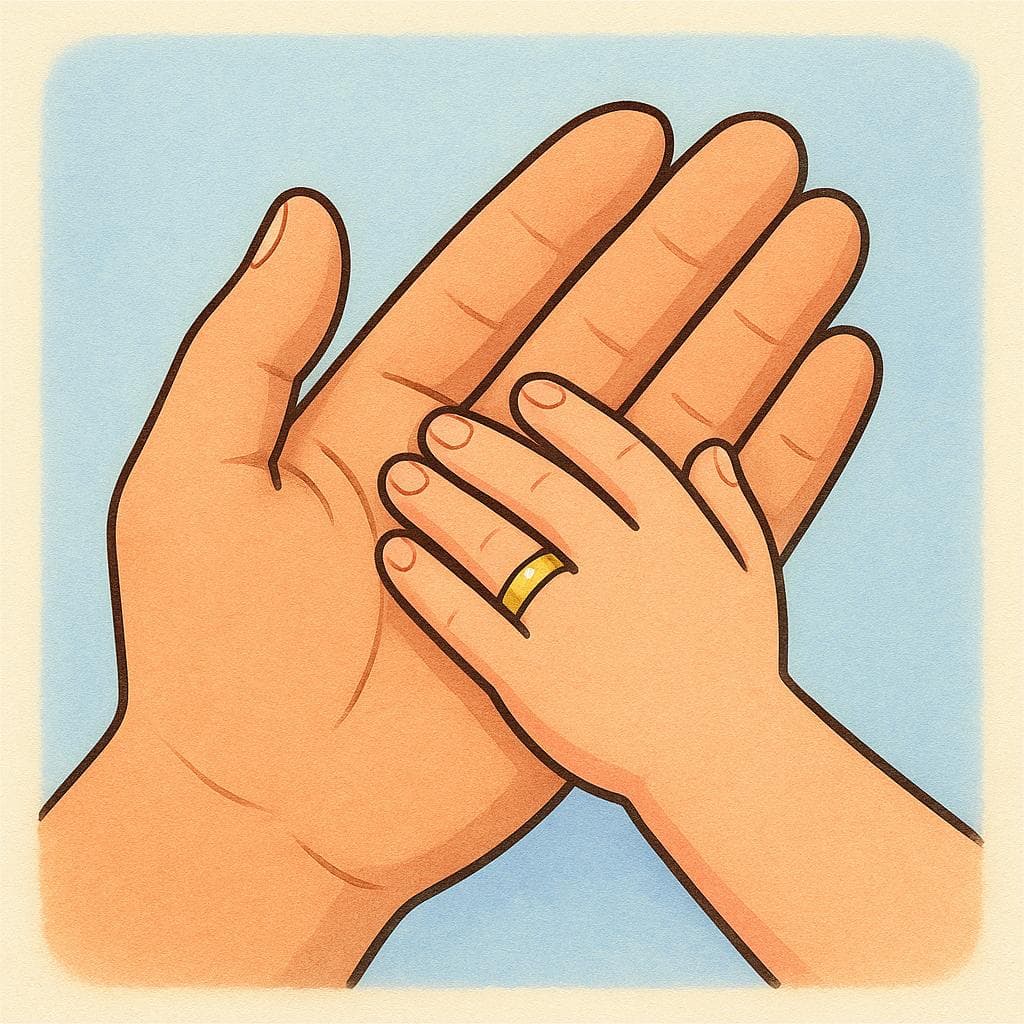
unido
oo-NEE-dohuˈni.ðo

Examples
Los Estados Unidos son un país grande.
The United States is a large country.
Mi familia está muy unida; siempre nos ayudamos.
My family is very close-knit; we always help each other.
Las dos mesas quedaron unidas por un tornillo.
The two tables were joined by a screw.
Adjective Agreement
"Unido" is an adjective, so it must change its ending (gender and number) to match the noun it describes: masculino singular (unido), femenino singular (unida), masculino plural (unidos), femenino plural (unidas).
Origin as a Participle
This word comes directly from the verb 'unir' (to unite or join). When you use 'unido' with 'estar' or 'ser', it describes the result of the action: something that has been joined.
Forgetting Agreement
Mistake: “Las personas está unido.”
Correction: Las personas están unidas. (Since 'personas' is plural and feminine, 'unido' must become 'unidas'.)
junto
HOON-tohˈxun.to

Examples
Vamos al cine juntos esta noche.
Let's go to the movies together tonight.
Las dos familias viven en casas juntas.
The two families live in houses that are joined together.
Por favor, envíame todos los archivos juntos en un solo correo.
Please, send me all the files together in a single email.
It Must Match!
Like many describing words in Spanish, 'junto' has to change to match the person or thing it's talking about. Use 'junto' for one masculine thing, 'junta' for one feminine thing, 'juntos' for a group of masculine or mixed things, and 'juntas' for a group of feminine things.
Forgetting to Make it Plural
Mistake: “Mis amigos y yo vamos al parque junto.”
Correction: Mis amigos y yo vamos al parque juntos. Since 'mis amigos y yo' is a group of people, you need the plural form 'juntos'.
conectado
ko-nek-TAH-dohkonekˈtado

Examples
Ya hemos conectado el proyector para la presentación.
We have already connected the projector for the presentation.
Si no hubieras conectado el cable, no funcionaría.
If you hadn't connected the cable, it wouldn't work.
The 'Haber' Rule
When 'conectado' follows the verb 'haber' (he, has, hemos, etc.) to form a compound tense, it NEVER changes its ending. It is always 'conectado,' even if the subject is feminine or plural: 'Ellas han conectado el equipo' (They have connected the equipment).
Building Perfect Tenses
'Conectado' is the part of the verb that tells you what action happened. You combine it with a form of 'haber' to show when the action happened: 'Yo he conectado' (I have connected), 'Tú habías conectado' (You had connected).
Changing the Participle in Perfect Tenses
Mistake: “Nosotros hemos conectados los parlantes.”
Correction: Nosotros hemos conectado los parlantes. (The participle only changes when used as an adjective or in the passive voice, never with 'haber'.)
afiliado
ah-fee-lee-AH-dohafiˈljaðo

Examples
Este centro médico está afiliado al hospital principal.
This medical center is affiliated with the main hospital.
Trabajamos con varias empresas afiliadas en el extranjero.
We work with several affiliated companies abroad.
La universidad tiene institutos afiliados para la investigación.
The university has affiliated institutes for research.
Adjective Matching
This word must match whatever it describes. If you describe 'empresas' (feminine/plural), you must say 'afiliadas'.
Preposition Choice
In Spanish, we usually use 'a' (to) after 'afiliado' to show the connection, whereas English often uses 'with'.
Using 'con' vs 'a'
Mistake: “Está afiliado con el banco.”
Correction: Está afiliado al banco. While 'con' is sometimes understood, 'a' is the standard way to connect this word to an organization.
unió
Examples
Él unió las dos cuerdas con un nudo fuerte.
He joined the two ropes with a strong knot.
Examples
Ella entró en pánico cuando vio la araña.
She entered into a panic when she saw the spider.
aliado
ah-lee-AH-dohaˈljaðo

Examples
Los ejércitos aliados avanzaron por la frontera.
The allied armies advanced through the border.
Estamos en una búsqueda de países aliados.
We are in a search for allied countries.
Matching the Noun
Remember that this word needs to match the thing it describes. For many things, use 'aliados'. For feminine things, use 'aliadas'.
casado
cah-SAH-dohkaˈsaðo
Examples
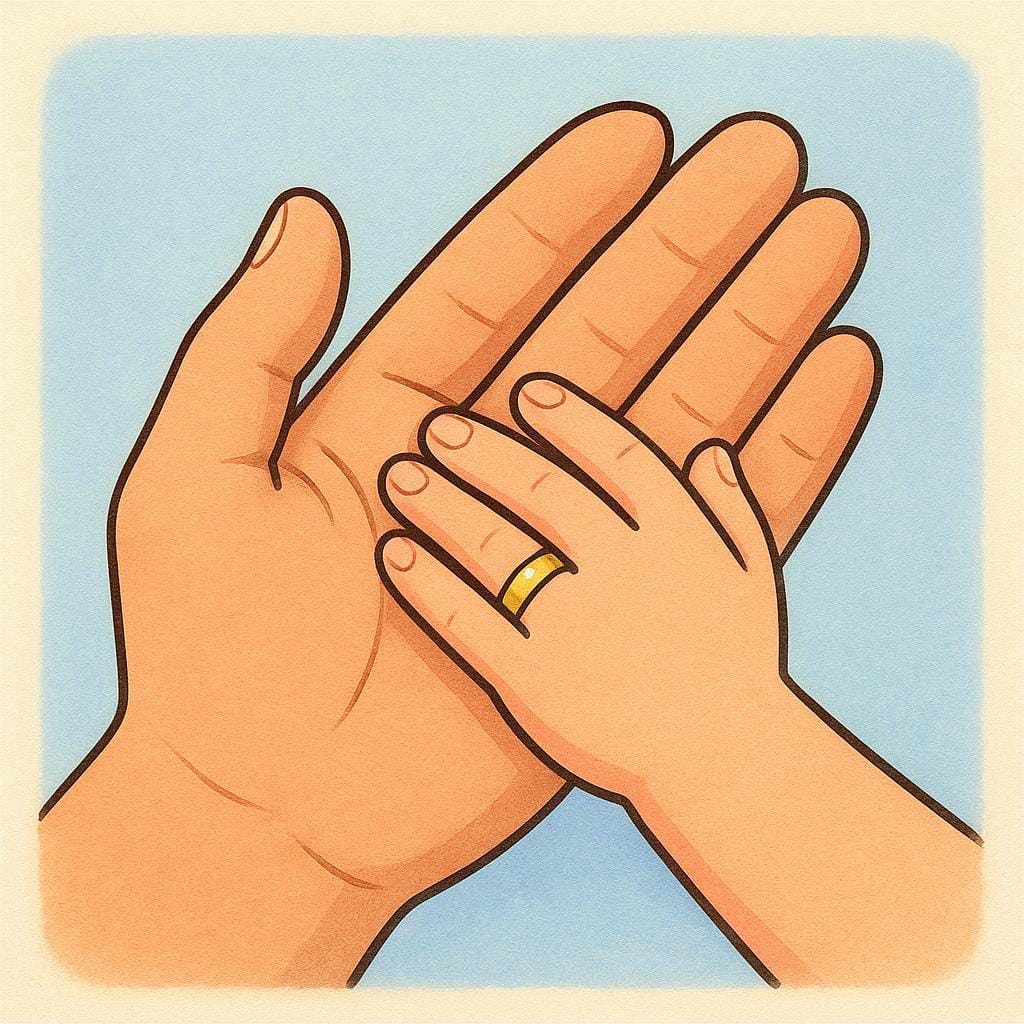
Mi hermano mayor está casado con una doctora.
My older brother is married to a doctor.
¿Sabías que Antonio y Paula ya llevan diez años de casados?
Did you know Antonio and Paula have been married for ten years now?
Necesito una silla con la tela de color más casado con el sofá.
I need a chair with the fabric color that is better matched (joined) to the sofa.
Gender and Number Match
Like all Spanish adjectives, 'casado' must match the person it describes: 'un hombre casado' (a married man), 'una mujer casada' (a married woman), 'varios hombres casados' (several married men), and 'muchas mujeres casadas' (many married women).
Ser vs. Estar for Status
Although you might use 'ser' for permanent characteristics, marital status is treated as a changeable state, so you almost always use the verb 'estar' (to be) when stating someone is married: 'Ella está casada'.
Forgetting the 'to'
Mistake: “Está casado a un doctor. (Literal translation: is married at a doctor.)”
Correction: Está casado *con* un doctor. (The Spanish preposition 'con' means 'with' and is used to express who you are married *to*.)
Confusing 'unir'/'unido' with 'conectar'
Related Translations
Learn Spanish with Inklingo
Interactive stories, personalized learning, and more.