How to Say "shooting" in Spanish
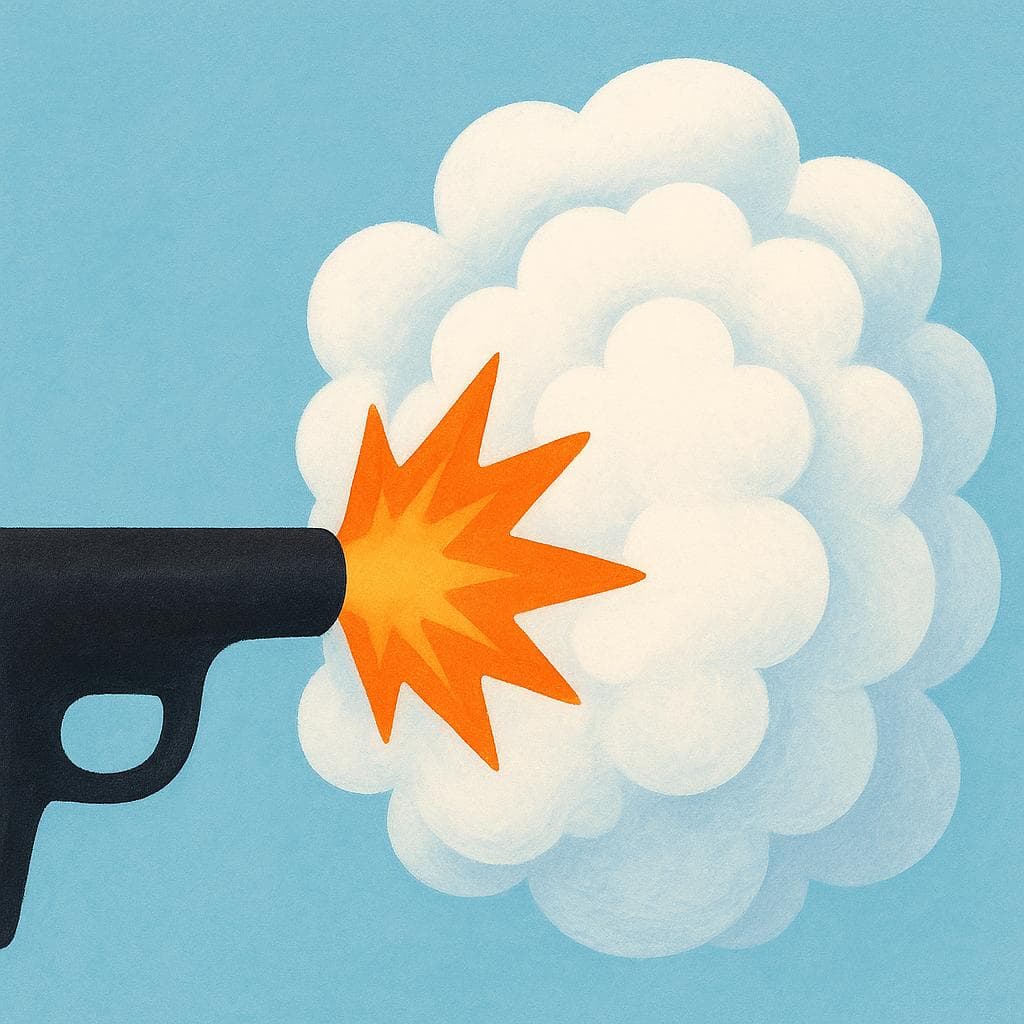
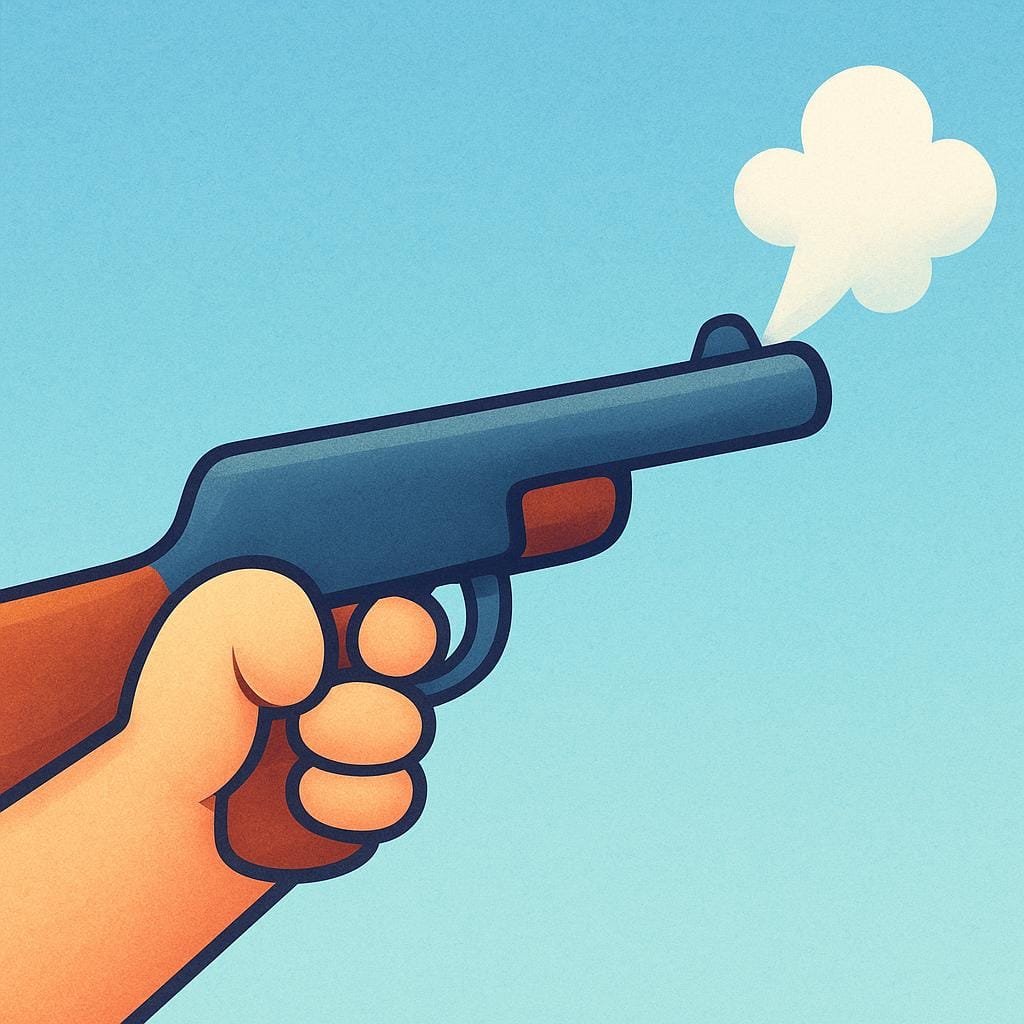
The most common Spanish word for “shooting” is “disparando” — use this when referring to the act of firing a gun or projectile weapon.




disparando
dis-pah-RAHN-dohdis.paˈɾan.do
Examples
El tirador profesional estaba disparando con gran precisión.
The professional shooter was firing with great accuracy.
Vimos fuegos artificiales disparando hacia el cielo.
We saw fireworks launching toward the sky.
Continuous Action
The '-ando' ending means the action is happening right now or is ongoing. It is often used with 'estar' (to be) to form the present continuous tense: 'estoy disparando' (I am shooting).
Using the Infinitive
Mistake: “Using 'está disparar' to mean 'is shooting'.”
Correction: Always use the gerund after 'estar': 'está disparando'.
tirando
tee-RAHN-dohtiˈɾando
Examples
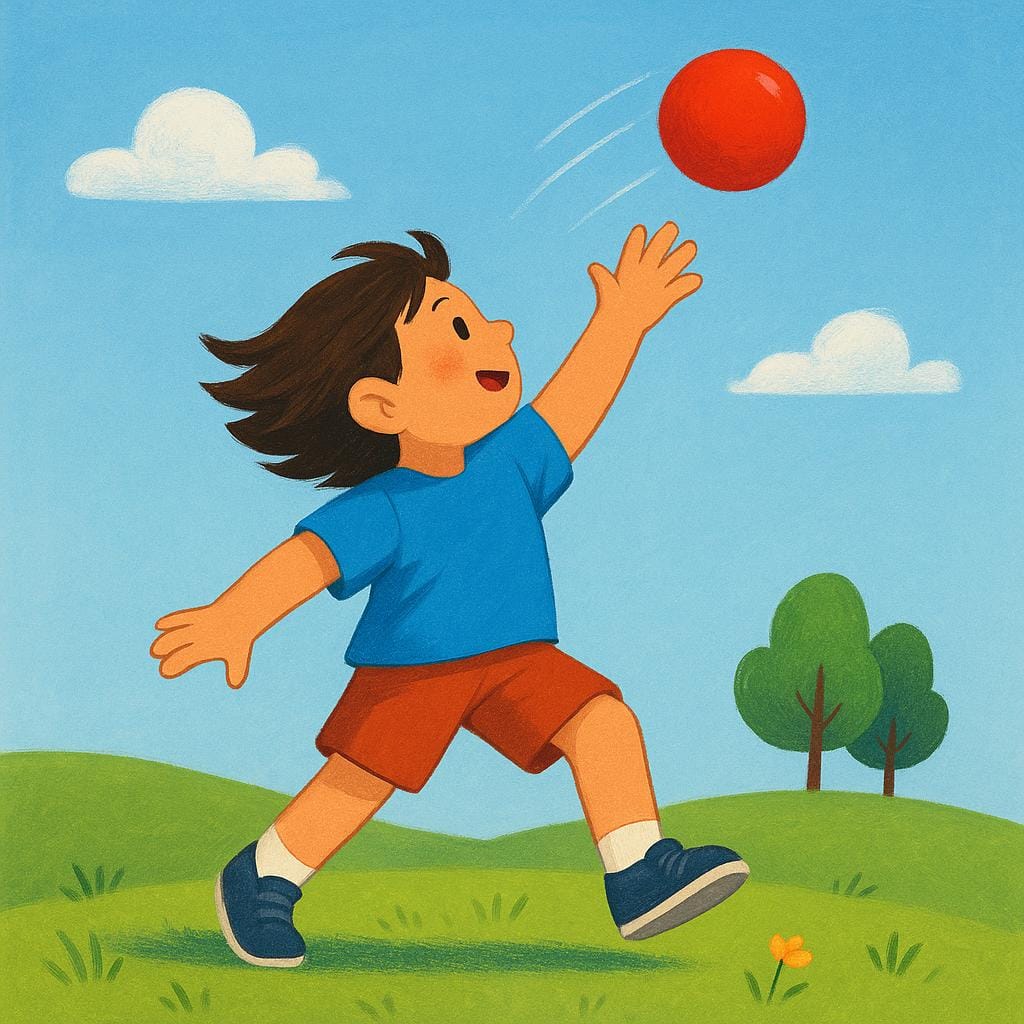
El jardinero está tirando las semillas en la tierra.
The gardener is throwing the seeds onto the soil.
Están tirando abajo el viejo edificio para construir uno nuevo.
They are pulling down (demolishing) the old building to build a new one.
¿Por qué estás tirando basura al suelo?
Why are you throwing garbage on the floor?
Forming the Progressive Tense
To show an action is happening right now, you use a form of 'estar' (to be) plus 'tirando': 'Estoy tirando' (I am throwing).
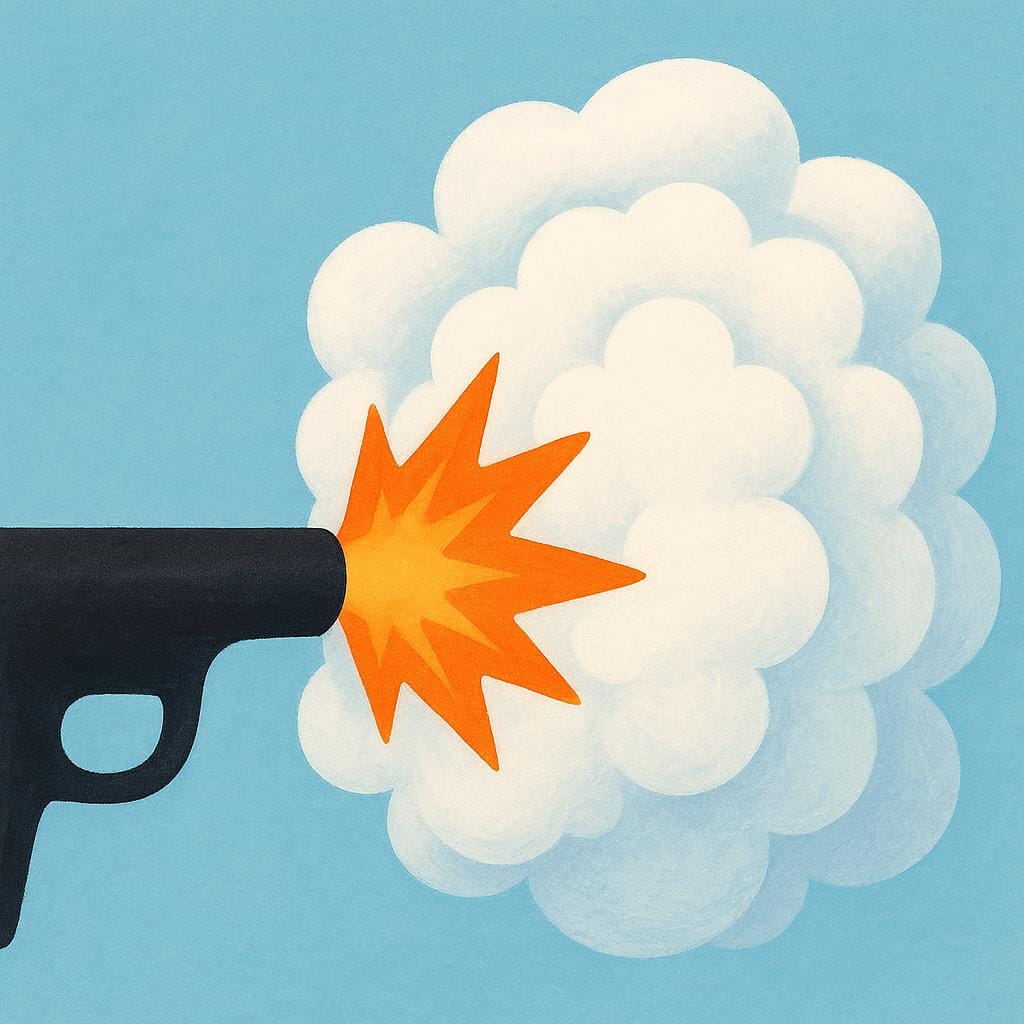
tiro
TEE-rohˈtiɾo
Examples
El policía hizo un tiro al aire para detener la pelea.
The police officer fired a shot into the air to stop the fight.
Necesitamos practicar el tiro al blanco este fin de semana.
We need to practice target shooting this weekend.
filmando
feel-MAHN-dohfilˈmando

Examples
Estamos filmando un video para YouTube.
We are filming a video for YouTube.
Ellos pasaron todo el día filmando en el parque.
They spent the whole day filming in the park.
¿Qué estás filmando con tu teléfono?
What are you filming with your phone?
The '-ing' action form
Words ending in '-ando' are like English '-ing' words. Use them with the verb 'estar' (to be) to say what is happening right this second.
Missing the helper verb
Mistake: “Yo filmando un video.”
Correction: Yo estoy filmando un video. In Spanish, you almost always need 'estar' (am/is/are) before the '-ando' word.
rodando
ro-DAN-doroˈðando

Examples
Están rodando una escena de acción en el centro.
They are filming an action scene downtown.
Professional Jargon
In professional movie sets, 'rodar' is preferred over 'filmar'.
rodaje
rro-DA-kheroˈðaxe

Examples
El rodaje de la película duró seis meses.
The filming of the movie lasted six months.
Tuvimos que detener el rodaje por la lluvia.
We had to stop shooting because of the rain.
Always Masculine
This word is always masculine ('el rodaje'), even if you are talking about a movie with a feminine name.
Weapon vs. Filming Confusion
Related Translations
Learn Spanish with Inklingo
Interactive stories, personalized learning, and more.