How to Say "some" in Spanish
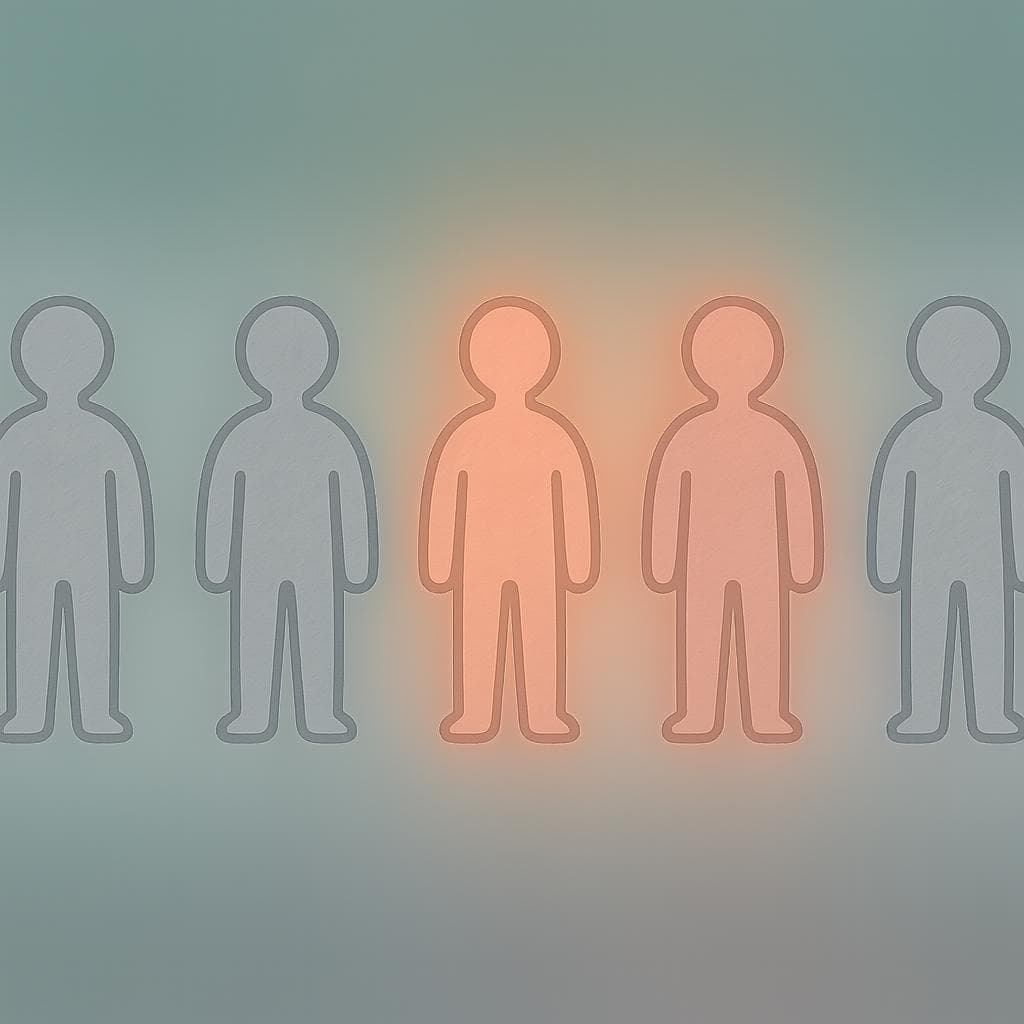
The most common Spanish word for “some” is “unos” — use 'unos' before a masculine plural noun when 'some' indicates an unspecified quantity or number of items.


unos
oo-nohsˈunos

Examples
Tengo unos libros interesantes.
I have some interesting books.
Necesitamos unos voluntarios para el evento.
We need some volunteers for the event.
Compré unos zapatos nuevos.
I bought some new shoes.
¿Necesitas rotuladores? Tengo unos en mi estuche.
Do you need markers? I have some in my pencil case.
The Plural of 'a/an'
Think of 'unos' as the plural version of 'un' (a/an). In English, we say 'a book' but just 'books' for plural. Spanish adds 'unos' to show you're talking about an unspecified number of masculine things.
Always Match the Noun
Since 'unos' is masculine and plural, it must go with nouns that are also masculine and plural. For example, 'unos chicos' (some boys) or 'unos problemas' (some problems). For feminine nouns, you'd use its partner, 'unas'.
Stands In for a Noun
When 'unos' is used by itself, it's doing the job of a noun you just mentioned. This helps you avoid repeating the same word over and over. For example: '¿Viste los pájaros? Sí, vi unos.' (Did you see the birds? Yes, I saw some.)
Leaving It Out
Mistake: “En la mesa hay platos.”
Correction: En la mesa hay unos platos. (There are some plates on the table.) While the first sentence isn't technically wrong, adding 'unos' sounds much more natural to a native speaker when you're not talking about specific plates.
Confusing 'Unos' and 'Algunos'
Mistake: “Thinking there's a huge difference between 'unos' and 'algunos' when used as pronouns.”
Correction: In most everyday situations, 'unos' and 'algunos' mean 'some' and can be used interchangeably. 'Algunos' can sometimes feel slightly more specific, but it's a very subtle difference. Don't stress about it!
unas
oo-nahsˈunas
Examples
Tengo unas preguntas para ti.
I have some questions for you.
Necesito unas tijeras nuevas.
I need some new scissors.
Vimos unas casas muy bonitas en el pueblo.
We saw some very beautiful houses in the town.
The 'Some' Word for Feminine Things
Use unas before a feminine word when you're talking about more than one of them, but you don't know or don't want to say the exact number. Think of it as the plural of una (a/an).
Mixing up Gender: `unos` vs. `unas`
Mistake: “Quiero comprar unos flores.”
Correction: Quiero comprar unas flores. The word for flowers, `flores`, is feminine, so you need to use the feminine form `unas` to match it.
algún
Examples
Necesito algún libro para leer.
I need some book to read.
Examples
Necesito alguna ayuda con esto.
I need some help with this.
un poco de
PO-koˈpoko
Examples
¿Quieres un poco de agua?
Do you want a little bit of water?
Necesito un poco de silencio para concentrarme.
I need a little bit of silence to concentrate.
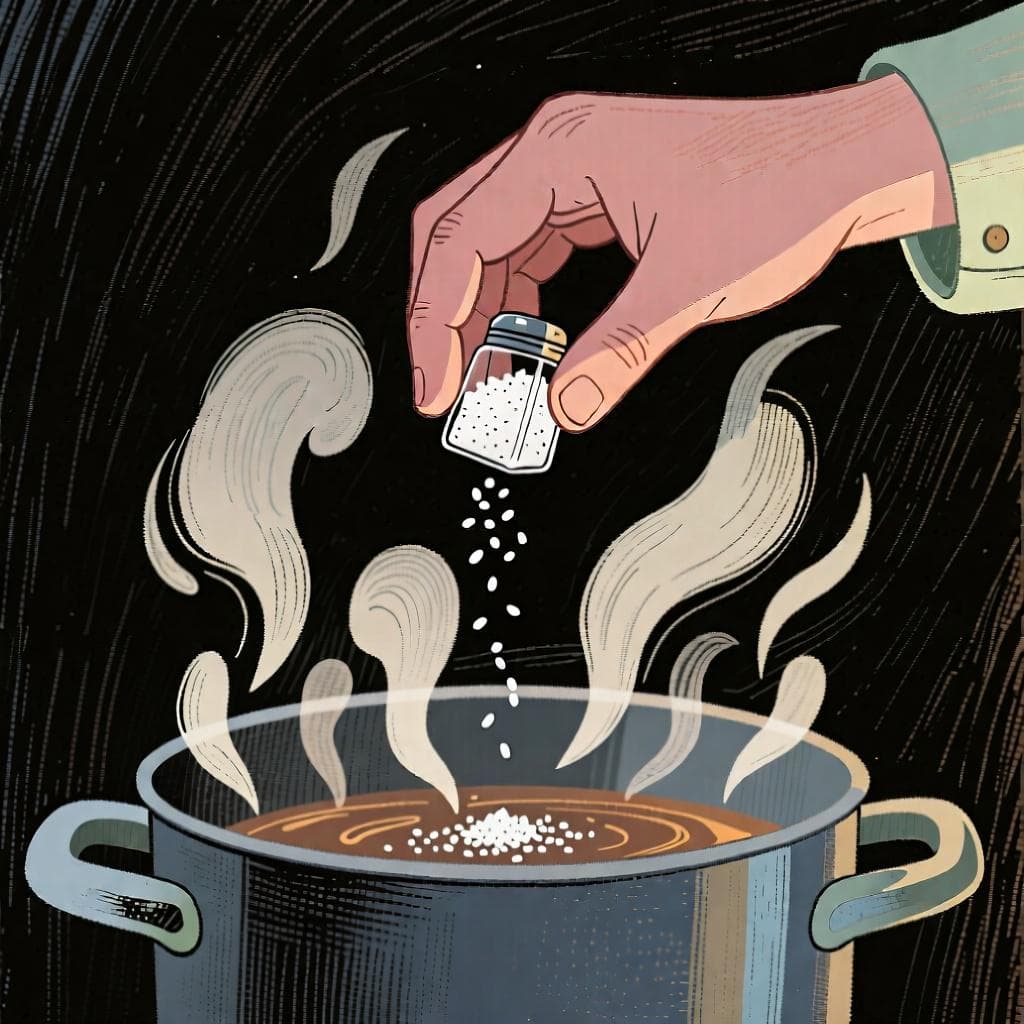
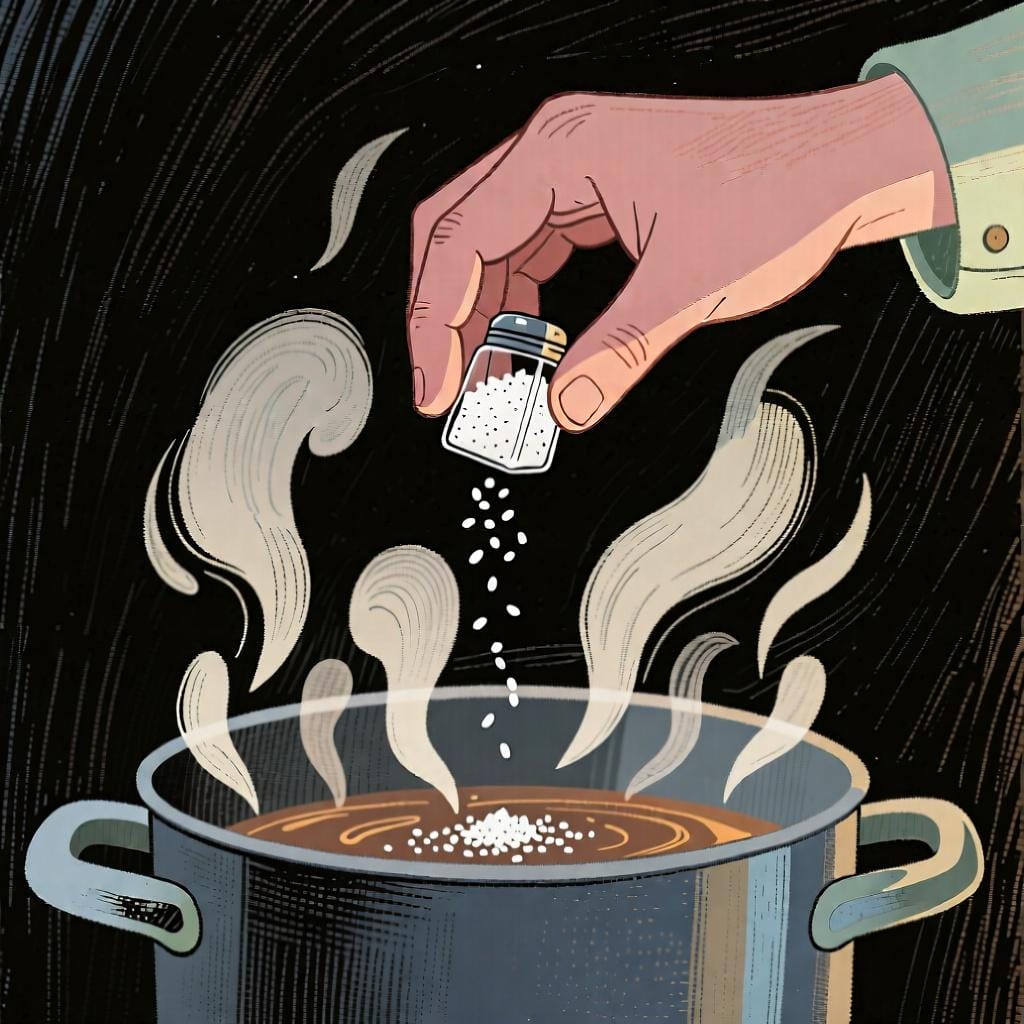
Añade un poco de sal a la sopa.
Add a little bit of salt to the soup.
The 'Un Poco De' Formula
This is a fixed phrase for things you can't easily count (like water, sugar, time, luck). It's always 'un poco de', never 'una poca de'.
Using 'Una' Instead of 'Un'
Mistake: “Quiero una poca de leche.”
Correction: Quiero un poco de leche. In this phrase, 'poco' is treated as a masculine thing, so it's always 'un poco'.
Examples
Ciertos días, me gusta quedarme en casa.
Certain days, I like to stay home.
tales
TAH-lessˈtales
Examples
El informe debe ser revisado por tales expertos en la materia.
The report must be reviewed by certain experts in the field.
Dicen que tales acciones pueden tener consecuencias negativas.
They say that certain actions can have negative consequences.
Se requiere la presencia de tales testigos.
The presence of certain witnesses is required.
Indefinite Reference
In this meaning, 'tales' signals that the noun (e.g., 'experts,' 'actions') is unspecified, perhaps known only to the speaker, acting like the English word 'certain.'
menuda
meh-NOO-dahmeˈnuða

Examples
¡Menuda faena me has dejado para mañana!
What a job you've left me for tomorrow!
Menuda suerte tuvimos de encontrar ese billete.
We had some luck finding that ticket.
Exclamatory Use
When used this way, 'menuda' usually comes before the noun and acts like an exclamation word, emphasizing the size, intensity, or unexpected nature of the noun.
Confusing Meanings
Mistake: “Using 'menuda' to mean 'small' when it is clearly meant to be an exclamation (e.g., '¡Menuda casa!' usually means 'What a huge house!' not 'What a small house!').”
Correction: Context is key! If you hear it with an exclamation tone, it means the opposite of small—it means big, impressive, or remarkable.
Using 'unos/unas' vs. 'algún/alguna'
Learn Spanish with Inklingo
Interactive stories, personalized learning, and more.