How to Say "to ensure" in Spanish
The most common Spanish word for “to ensure” is “asegurar” — use 'asegurar' when you are taking active steps to guarantee a specific outcome, often implying personal responsibility for checking.

Use 'asegurar' when you are taking active steps to guarantee a specific outcome, often implying personal responsibility for checking.
Learn more →
Use 'asegurarte' (the reflexive form of 'asegurar' directed at 'you') when telling someone else to take steps to guarantee an outcome.
Learn more →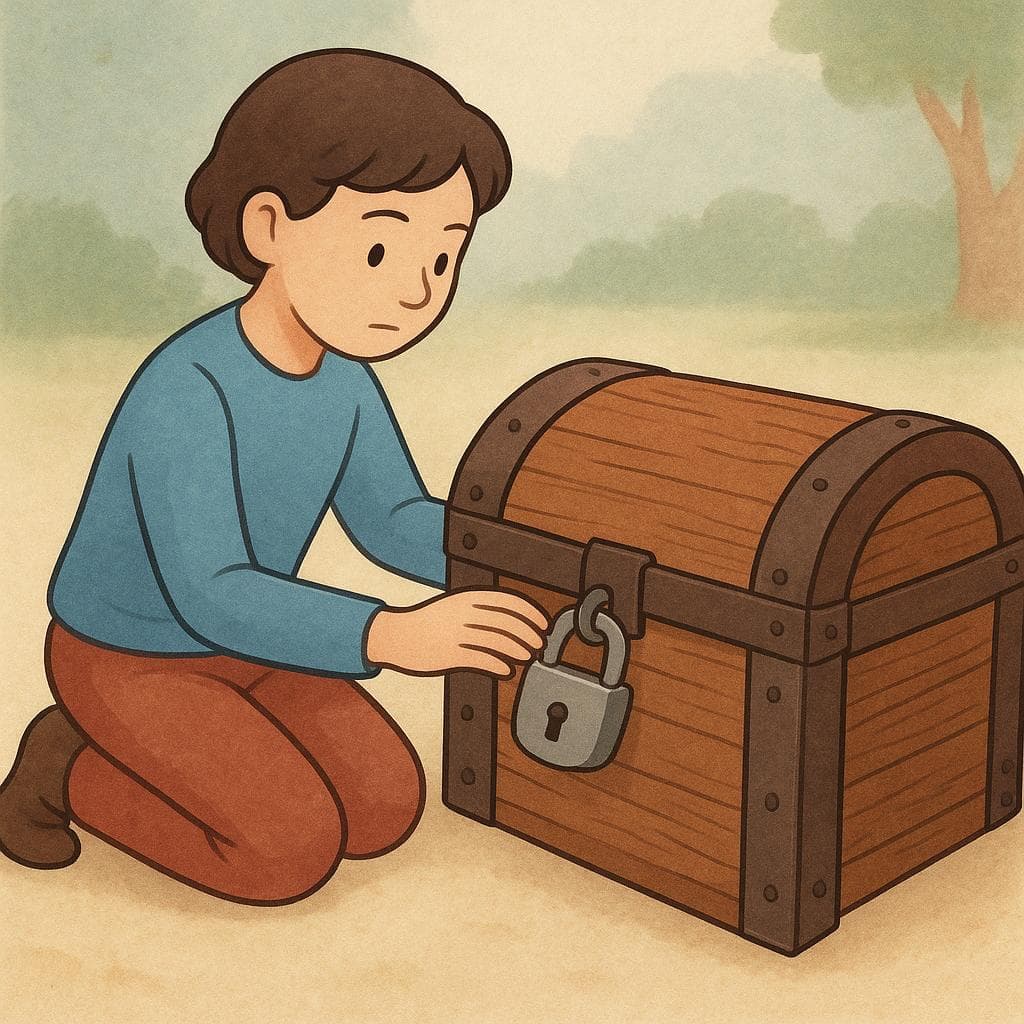
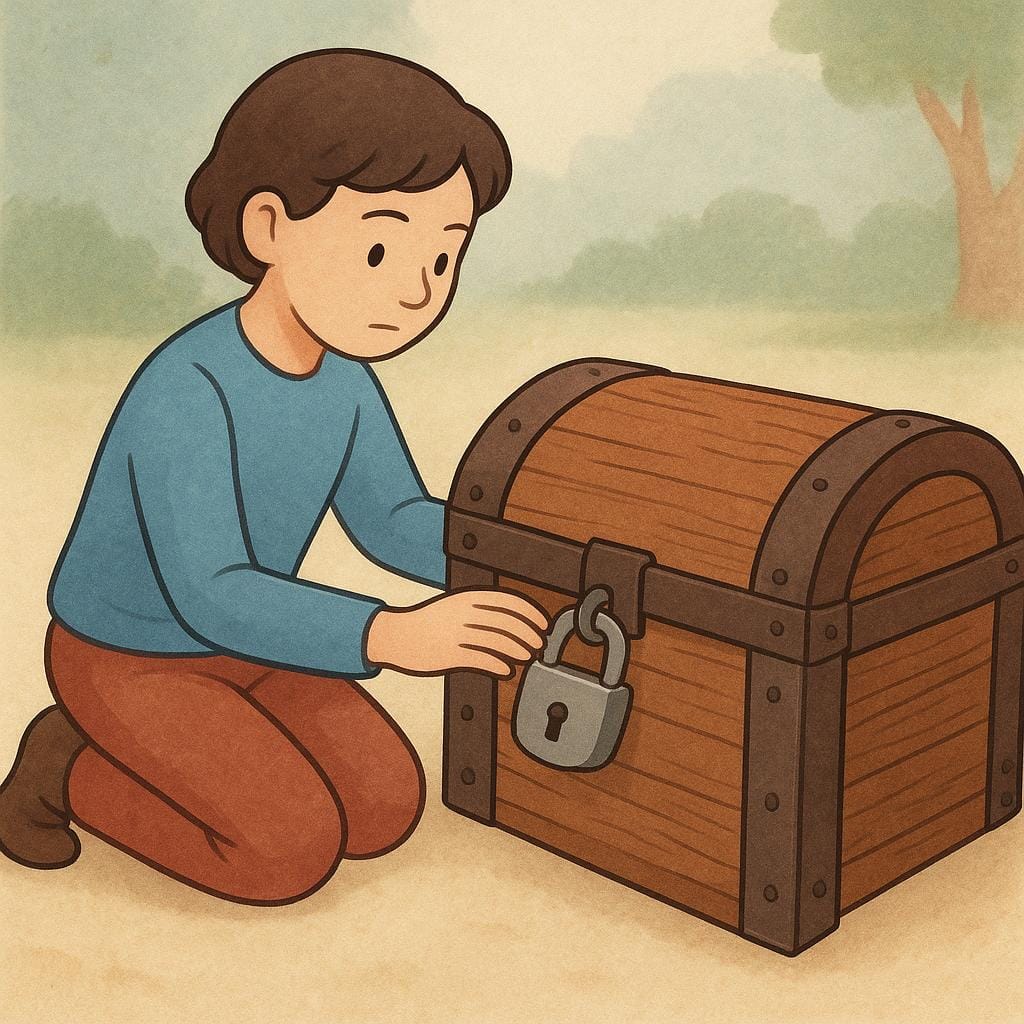
Use 'asegurarse' as the infinitive reflexive form when the subject doing the ensuring is not specified or is understood from context, referring to the general action of guaranteeing an outcome.
Learn more →
Use 'garantizar' when you want to strongly affirm or guarantee that something will happen, often in a more formal or contractual context.
Learn more →
Use 'procurar' when the focus is on making an effort or trying to achieve a specific, often desirable, result.
Learn more →
Use 'velar por' when the meaning is to watch over, protect, or ensure that something is done correctly and with care, often implying vigilance.
Learn more →ah-seh-goo-RAHRaseɣuˈɾaɾ

Examples
Asegúrate de que tienes las llaves antes de cerrar.
Make sure that you have the keys before closing up.
Me aseguré de que todos estuvieran bien después del accidente.
I made sure that everyone was okay after the accident.
Reflexive Action
When using 'asegurarse,' the 'se' tells us that the action of checking or verifying is directed back at the speaker ('I make sure myself').
Using 'Que'
This meaning is almost always followed by 'de que' (or just 'que' in some regions) and then the information you are verifying.
Dropping the Pronoun
Mistake: “Asegura de que tienes el dinero. (Missing reflexive pronoun)”
Correction: Asegúrate de que tienes el dinero. (The pronoun 'te' is needed because you are telling the person to check for themselves.)
ah-seh-goo-RAHR-tehaseɣuˈɾaɾte

Examples
Tienes que asegurarte de que la puerta esté cerrada.
You have to make sure that the door is closed.
Antes de salir, debes asegurarte de llevar las llaves.
Before leaving, you should make sure to take the keys.
Es importante asegurarte con un buen arnés antes de escalar.
It is important to secure yourself with a good harness before climbing.
The 'te' at the end
The 'te' means 'yourself'. It is attached to the end of the action word when you are giving a command or using an 'ing' form (like 'by making sure').
The magic word 'de'
When you want to say 'make sure THAT...', you almost always need to say 'asegurarte DE que'. Skipping the 'de' is a common mistake for learners.
Missing 'de'
Mistake: “asegurarte que”
Correction: asegurarte DE que
ah-seh-goo-RAHR-sehaseɣuˈɾaɾse
Examples
Asegúrate de que la puerta esté cerrada antes de salir.
Make sure the door is closed before leaving.
Me aseguré de tener todo lo necesario para el viaje.
I made sure I had everything necessary for the trip.
Ella siempre se asegura de que sus invitados estén cómodos.
She always ensures her guests are comfortable.
The Reflexive Pronoun ('se')
Since this is 'asegurarse,' you must use the little pronoun (me, te, se, nos, os, se) that matches the person doing the action. The action of making sure is directed back at the person doing the checking.
Using 'de que'
When you use 'asegurarse' to confirm a fact, it is usually followed by 'de que' (or sometimes just 'que'), like: 'Me aseguré de que todo estuviera bien.' (I made sure that everything was fine.)
Forgetting the Reflexive Part
Mistake: “Aseguro la puerta.”
Correction: Me aseguro de la puerta. (Unless you mean 'I lock/fasten the door' which is the non-reflexive verb 'asegurar'.) When you mean 'make sure,' you must use the 'se' form.
gah-rahn-tee-SAHRɡaɾantiˈsaɾ

Examples
Queremos garantizar que todos reciban su invitación.
We want to ensure that everyone receives their invitation.
El éxito no se puede garantizar en este negocio.
Success cannot be guaranteed in this business.
Te garantizo que te va a gustar la película.
I guarantee you that you are going to like the movie.
Spelling Change Alert
The 'z' changes to a 'c' whenever it's followed by the letter 'e'. This happens in the 'yo' form of the past tense (garanticé) and all forms of the special 'wish/command' verb form (garantice).
Spelling error: garanticé
Mistake: “Writing 'garantizé'.”
Correction: Always use a 'c' before an 'e' in these endings. Think of it like a family rule for verbs ending in -zar.
pro-koo-RARpɾokuˈɾaɾ

Examples
Procura llegar a tiempo a la reunión.
Try to arrive on time to the meeting.
Debemos procurar que todos los invitados se sientan cómodos.
We must ensure that all the guests feel comfortable.
Procuré no hacer ruido al entrar en la casa.
I tried not to make noise when entering the house.
Using 'que' with Procurar
When you say 'procurar que' (to ensure that), the verb that follows must change its form to the 'wish/command' style (subjunctive). For example: 'Procuro que coma' (I ensure that he eats).
Direct Action vs. Goal
Use 'procurar' + an action word (infinitive) to say you are trying to do something yourself. Use 'procurar que' when you want to make sure something else happens.
Don't add 'de'
Mistake: “Procuro de estudiar mucho.”
Correction: Procuro estudiar mucho. Unlike 'tratar de', 'procurar' connects directly to the next verb.
beh-larbeˈlaɾ

Examples
La madre se quedó toda la noche para velar a su hijo enfermo.
The mother stayed up all night to watch over her sick son.
Debemos velar por el bienestar de los animales.
We must ensure/look after the well-being of the animals.
Los guardias velan el edificio durante la madrugada.
The guards watch over the building during the early morning hours.
Using the 'por' connection
When you want to say you are 'ensuring' something or 'looking out for' someone's interests, you must use the word 'por' after velar. For example: 'Velo por tu seguridad'.
Directly watching someone
If you are physically staying awake with a person who is sick or deceased, you don't need 'por'. You just use the person as the object: 'Velaron al abuelo'.
Confusing with 'Vigilar'
Mistake: “Using 'velar' when you mean police-style surveillance.”
Correction: Use 'velar' for caring/protective watching, and 'vigilar' for more official or suspicious monitoring.
Asegurar vs. Garantizar
Learners often confuse 'asegurar' and 'garantizar'. 'Asegurar' is about taking steps to make something happen or be true, while 'garantizar' is a stronger promise or guarantee that it *will* happen, often without needing specific actions mentioned.
Related Translations
Learn Spanish with Inklingo
Interactive stories, personalized learning, and more.