How to Say "to injure" in Spanish
The most common Spanish word for “to injure” is “herir” — use 'herir' when referring to causing physical wounds, especially those that might bleed or require medical attention, often in more serious or formal situations.
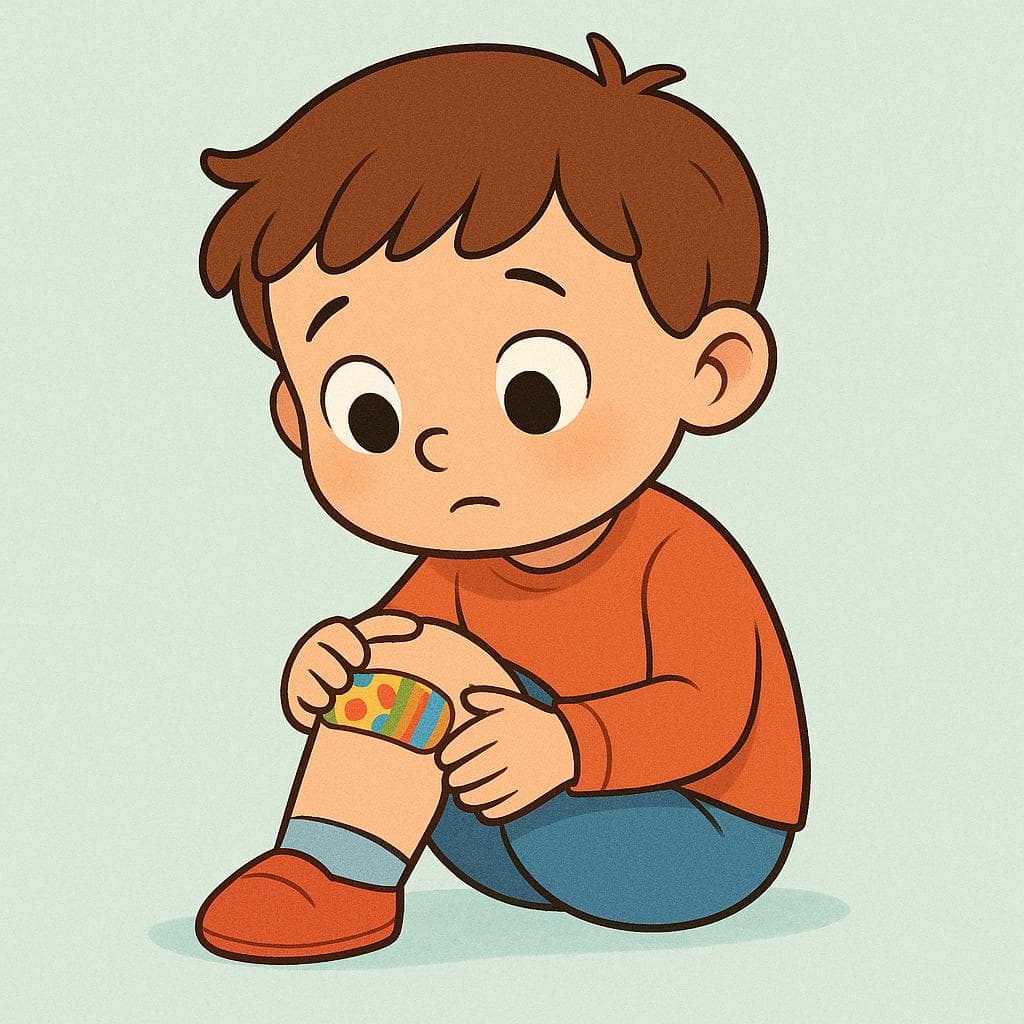
Use 'herir' when referring to causing physical wounds, especially those that might bleed or require medical attention, often in more serious or formal situations.
Learn more →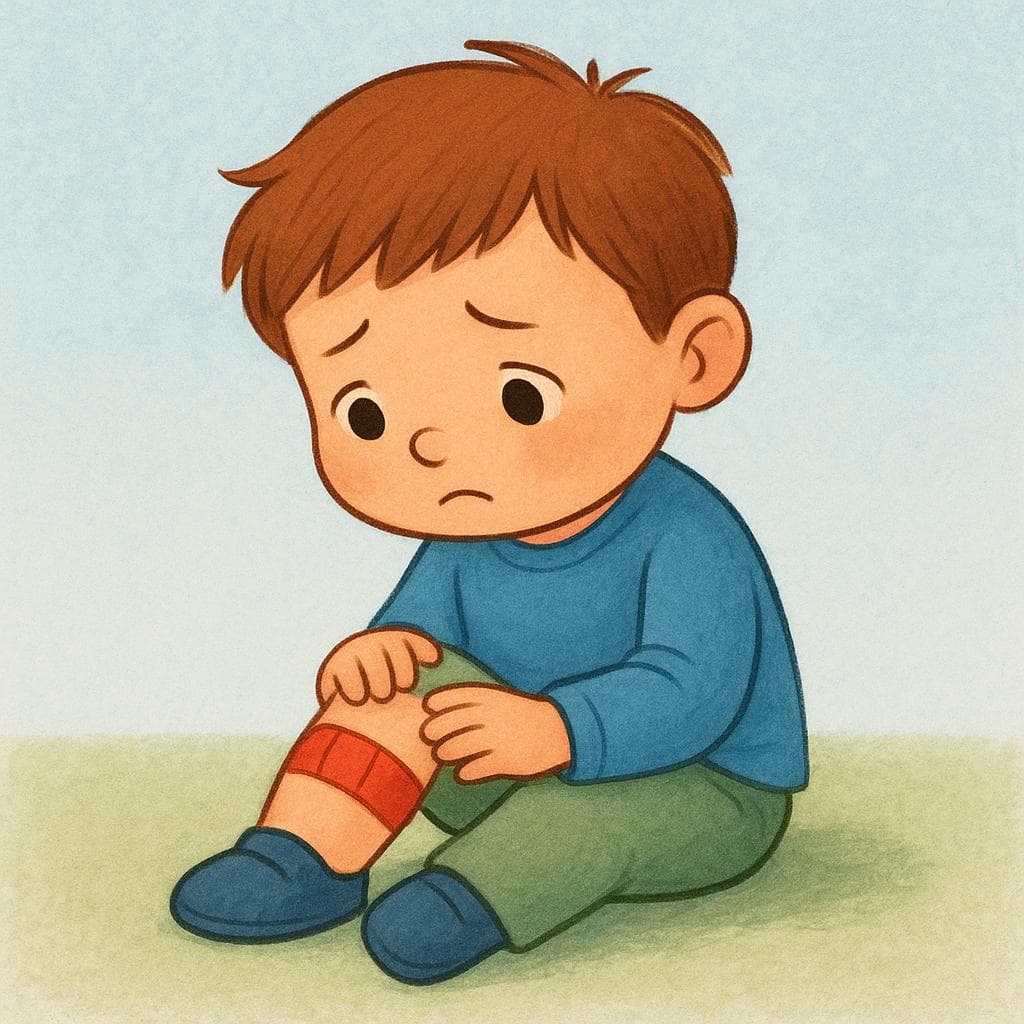
Use 'lastimar' for general physical harm or pain, including bruises, scrapes, or minor injuries, and it can also be used figuratively for emotional hurt.
Learn more →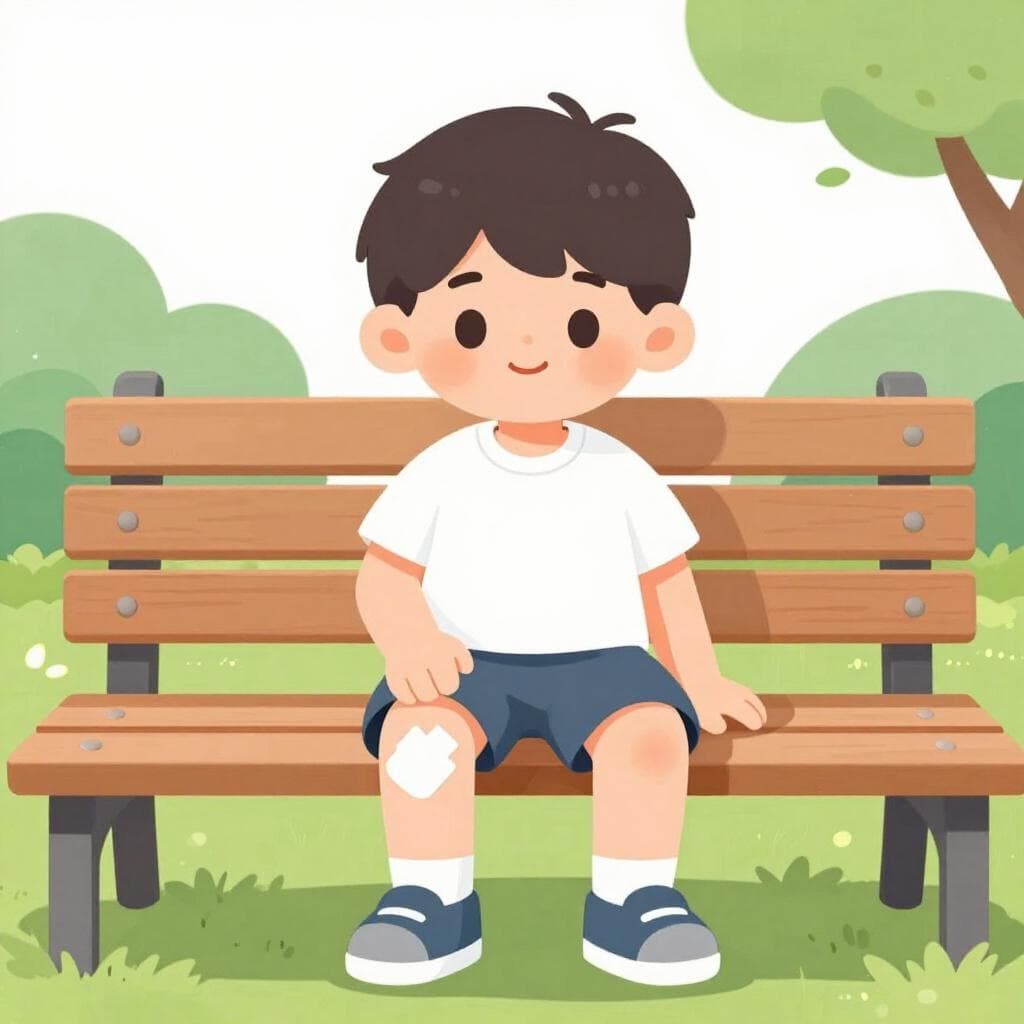
Use 'lesionar' specifically for injuries that affect a body part's function, often used in sports, medical, or legal contexts to describe damage or impairment.
Learn more →eh-REEReˈɾiɾ
Examples
El cuchillo hirió profundamente su mano.
The knife deeply injured his hand.
El accidente hirió a tres personas gravemente.
The accident injured three people seriously.
No quiero herirte con esta aguja.
I don't want to wound you with this needle.
La bala le hirió el hombro.
The bullet wounded his shoulder.
The 'e' to 'ie' Change
This verb is irregular. In the present tense, the 'e' changes to 'ie' in all forms except 'nosotros' and 'vosotros'. Remember: 'hiero' (I wound) but 'herimos' (we wound).
The 'e' to 'i' Change in the Past
In the simple past (preterite), the third-person forms change 'e' to 'i': 'él hirió' (he wounded) and 'ellos hirieron' (they wounded). This is a common pattern for many 'ir' stem-changing verbs.
Forgetting the Stem Change
Mistake: “Yo herro (I wound)”
Correction: Yo hiero. The 'e' must change to 'ie' in the present tense 'boot' forms.
lahs-tee-MAHRlastiˈmaɾ
Examples
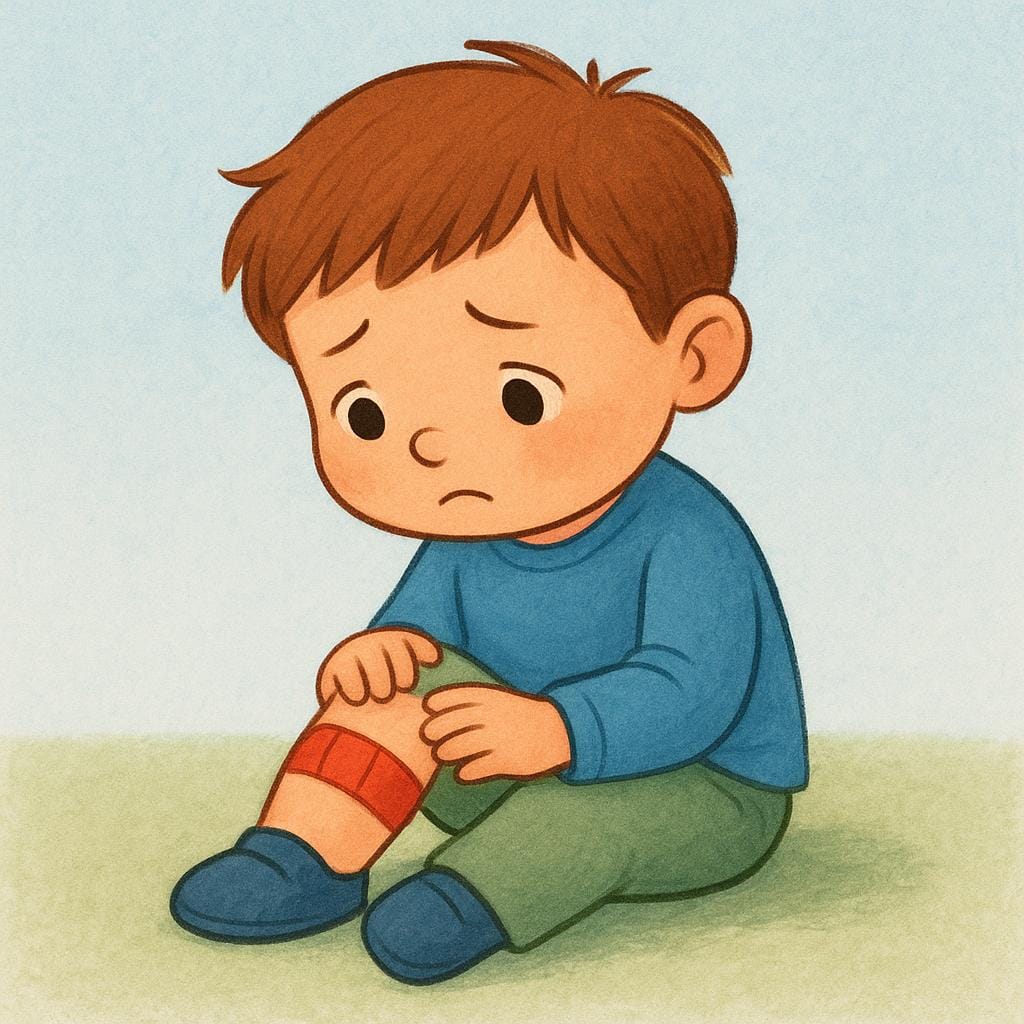
Me lastimé la rodilla jugando al fútbol.
I injured my knee playing soccer.
El perro lastimó al cartero en el brazo.
The dog injured the mail carrier on the arm.
Ten cuidado, no te vayas a lastimar con esa herramienta.
Be careful, don't hurt yourself with that tool. (using lastimarse)
¿Te lastimaste cuando te caíste de la bicicleta?
Did you hurt yourself when you fell off the bicycle?
Using 'Lastimarse'
When you hurt yourself, you must use the reflexive form ('lastimarse') and a pronoun (me, te, se, nos). For example: 'Me lastimé' (I hurt myself).
Focus on the Body Part
Spanish usually focuses on the body part being hurt, not the possessor. Say: 'Me lastimé la mano' (I hurt MY hand), not 'Me lastimé mi mano'.
Lastimar vs. Doler
Mistake: “Using 'lastimar' when you mean 'to feel pain,' e.g., 'Mi cabeza lastima.'”
Correction: Use 'doler' for the sensation of pain. 'Me duele la cabeza' (My head hurts). 'Lastimar' is the *action* of causing the injury.
leh-syo-narlesjoˈnaɾ
Examples
El esguince lo lesionó por el resto de la temporada.
The sprain injured him for the rest of the season.
El jugador lesionó a su compañero accidentalmente durante el entrenamiento.
The player injured his teammate accidentally during practice.
Ten cuidado con el levantamiento de pesas o te vas a lesionar la espalda.
Be careful with weightlifting or you are going to injure your back.
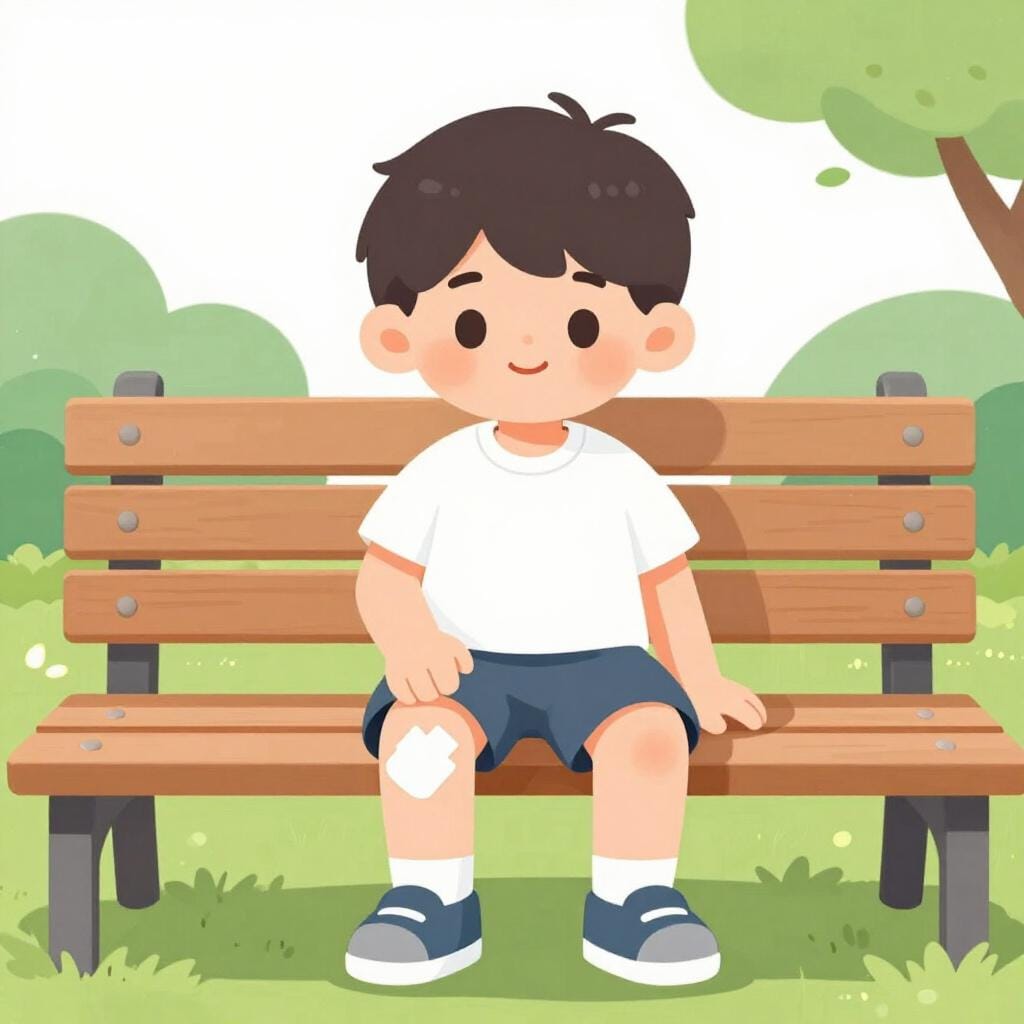
La caída lesionó gravemente su rodilla izquierda.
The fall seriously injured his left knee.
Using 'a' with people
When you injure a specific person, you must use the word 'a' before their name or the description of the person. Example: 'Lesionó a Pedro' (He injured Pedro).
Injuring yourself
To say you injured yourself, you add 'me', 'te', 'se', etc. before the verb. 'Me lesioné' means 'I injured myself'.
Don't confuse with 'herir'
Mistake: “Using 'lesionar' for a cut from a knife.”
Correction: Use 'herir' for wounds that bleed or involve cuts. Use 'lesionar' for internal injuries like muscle pulls or broken bones.
Choosing between 'herir' and 'lastimar'
Learners often confuse 'herir' and 'lastimar'. While both mean 'to injure', 'herir' implies a more significant wound, often bleeding, while 'lastimar' is broader and can include less severe harm or even emotional pain.
Related Translations
Learn Spanish with Inklingo
Interactive stories, personalized learning, and more.