How to Say "to shun" in Spanish
The most common Spanish word for “to shun” is “esquivar” — use this word when you are deliberately avoiding a specific person, or trying to get away from something physical like an object or a blow.
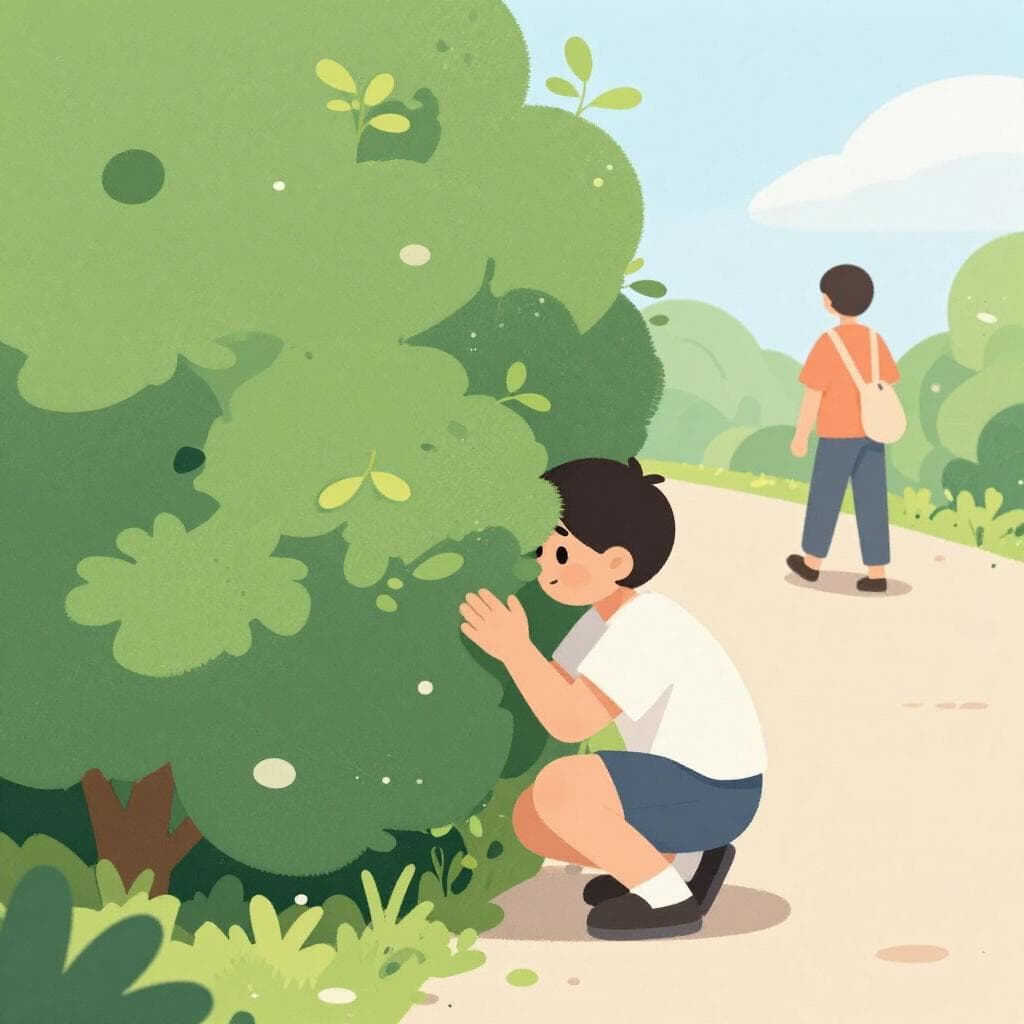
Use this word when you are deliberately avoiding a specific person, or trying to get away from something physical like an object or a blow.
Learn more →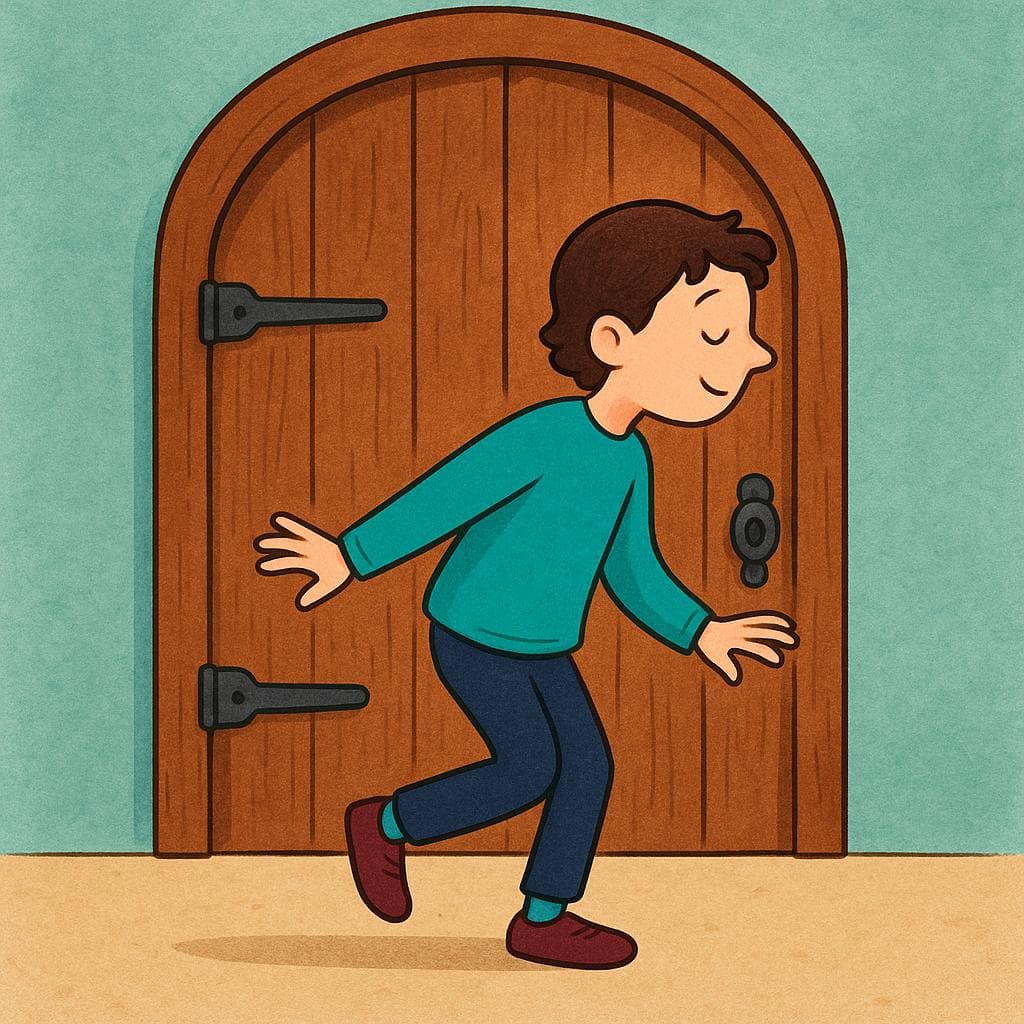
Use this word when you are avoiding responsibilities, difficult situations, or abstract concepts, often implying a sense of escape or fleeing.
Learn more →es-kee-BAReskiˈβaɾ
Examples
Intentó esquivar a su exnovio en la fiesta.
He tried to shun his ex-boyfriend at the party.
Ella siempre intenta esquivar mis preguntas sobre su pasado.
She always tries to evade my questions about her past.
Juan esquivó su mirada cuando lo vi en la calle.
Juan avoided eye contact (evaded her gaze) when I saw him in the street.
No puedes esquivar tus obligaciones para siempre.
You cannot dodge your obligations forever.
Personal 'a'
When you use this verb to say you are avoiding a specific person, remember to add 'a' before the person's name: 'Esquivé a María'.
oo-EERwˈiɾ
Examples
Siempre huye de las conversaciones difíciles.
She always shuns difficult conversations.
Ella siempre huye de las responsabilidades difíciles.
She always avoids difficult responsibilities.
El famoso actor huye de la fama y la prensa.
The famous actor shuns fame and the press.
No puedes huir de tus problemas para siempre.
You can't run away from your problems forever.
Figurative Use
Even when used figuratively (avoiding abstract things), 'huir' still uses the preposition 'de' to indicate what is being avoided: 'huir de la verdad' (to avoid the truth).
Avoiding people vs. avoiding situations
Learners often confuse 'esquivar' and 'huir' by using 'esquivar' for situations or abstract ideas. Remember that 'esquivar' is more about physically dodging or avoiding a person, while 'huir' is about escaping from a situation or concept.
Related Translations
Learn Spanish with Inklingo
Interactive stories, personalized learning, and more.