esquivar
“esquivar” means “to dodge” in Spanish. It has 2 different meanings depending on context:
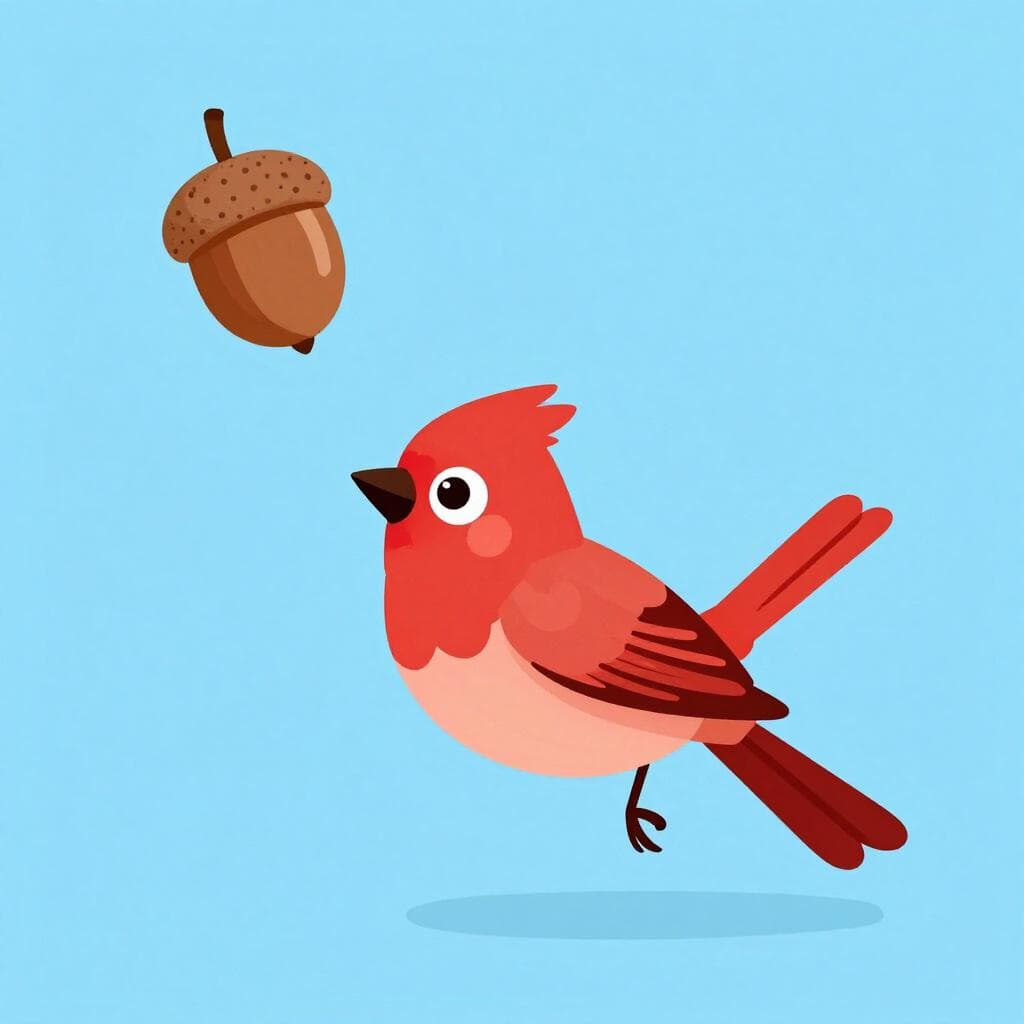

to dodge
Also: to sidestep
📝 In Action
El boxeador esquivó el golpe con mucha rapidez.
A2The boxer dodged the blow very quickly.
Tuve que esquivar varios charcos en el camino.
B1I had to dodge several puddles on the way.
Es difícil esquivar a tanta gente en el centro.
B2It is difficult to weave through so many people downtown.
to evade
Also: to shun
📝 In Action
Ella siempre intenta esquivar mis preguntas sobre su pasado.
B1She always tries to evade my questions about her past.
Juan esquivó su mirada cuando lo vi en la calle.
B2Juan avoided eye contact (evaded her gaze) when I saw him in the street.
No puedes esquivar tus obligaciones para siempre.
B2You cannot dodge your obligations forever.
Subjunctive
Imperfect Subjunctive
Present Subjunctive
Indicative
Preterite
Imperfect
Present
Translate to Spanish
✏️ Quick Practice
Quick Quiz: esquivar
Question 1 of 3
Which sentence means 'He dodged the ball'?
📚 More Resources
👥 Word Family▼
📚 Etymology▼
Probably from a Germanic root meaning 'to shy away' (similar to the English word 'shy'), which entered Spanish via Old French or Gothic.
First recorded: 13th century
Cognates (Related words)
💡 Master Spanish
Take your Spanish to the next level. Read 200+ illustrated and narrated Spanish stories tailored to your level with the Inklingo app!
Frequently Asked Questions
Is 'esquivar' always about physical movement?
Not always! While it starts with physical movement (like dodging a car), it's very commonly used for dodging questions, responsibilities, or social interactions.
What is the difference between 'evitar' and 'esquivar'?
'Evitar' is general (avoiding the rain, avoiding a person). 'Esquivar' usually implies a more sudden or agile movement, like a boxer dodging a punch or someone 'weaving' through a crowd.
Is it a regular verb?
Yes! It follows the standard pattern for all verbs ending in -ar, making it very easy to conjugate.