How to Say "to strengthen" in Spanish
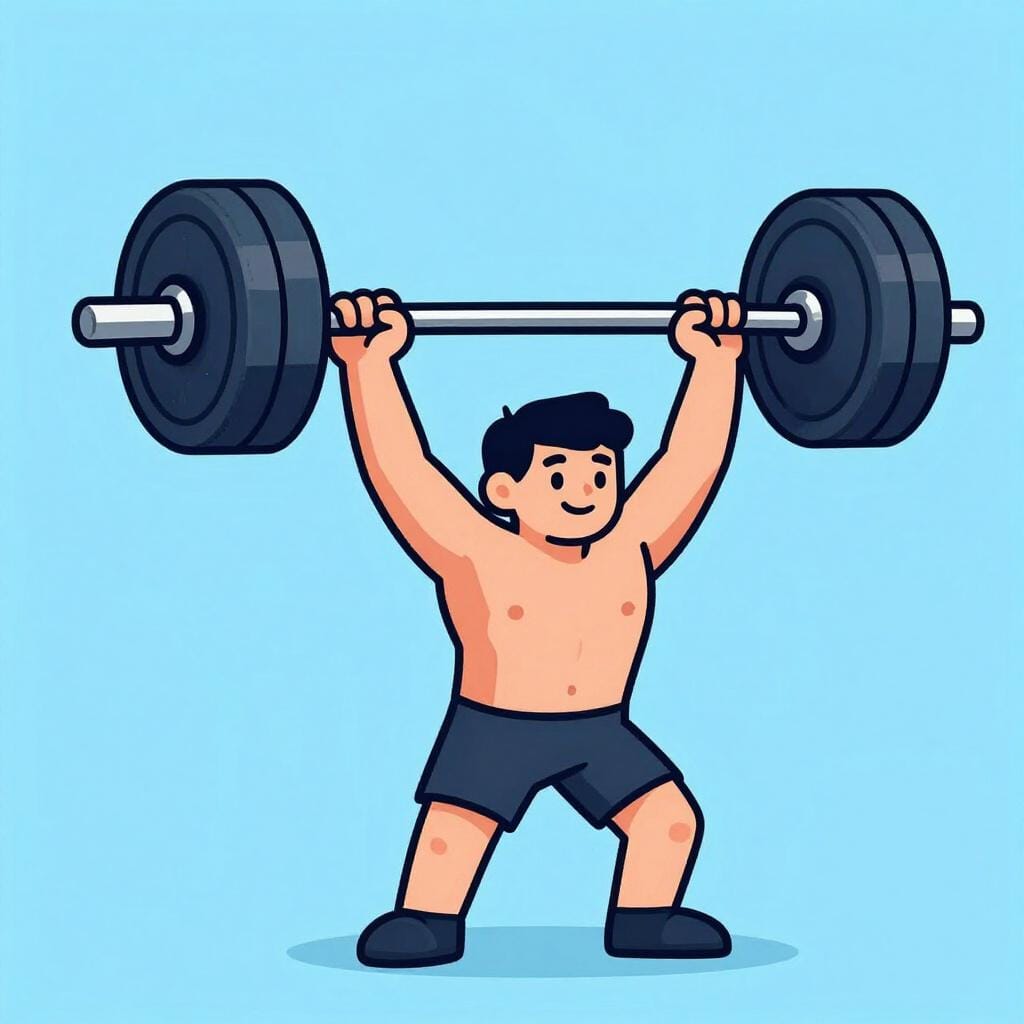
The most common Spanish word for “to strengthen” is “fortalecer” — use this when making someone or something physically or mentally stronger, like building muscles or improving resilience.
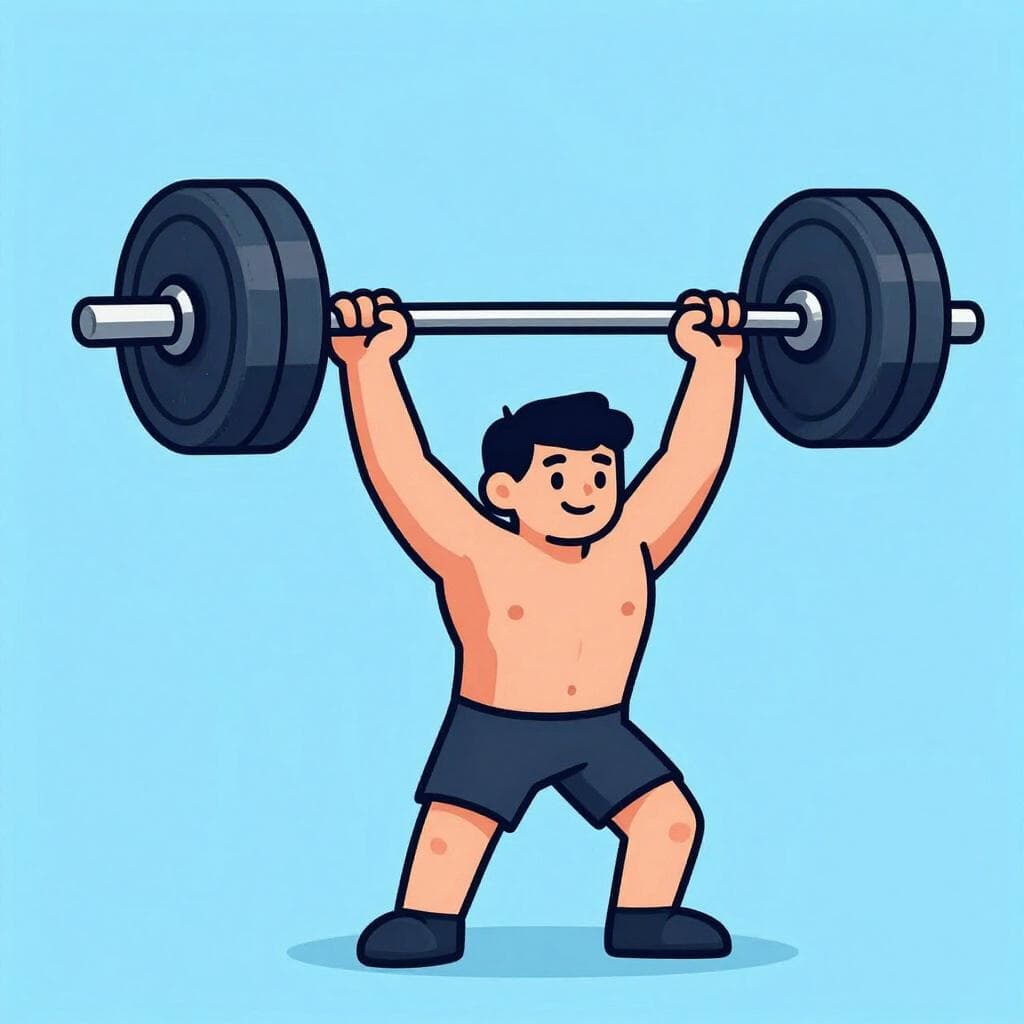
Use this when making someone or something physically or mentally stronger, like building muscles or improving resilience.
Learn more →
Use this to make a feeling, habit, skill, or even a physical structure more solid or secure, implying added support.
Learn more →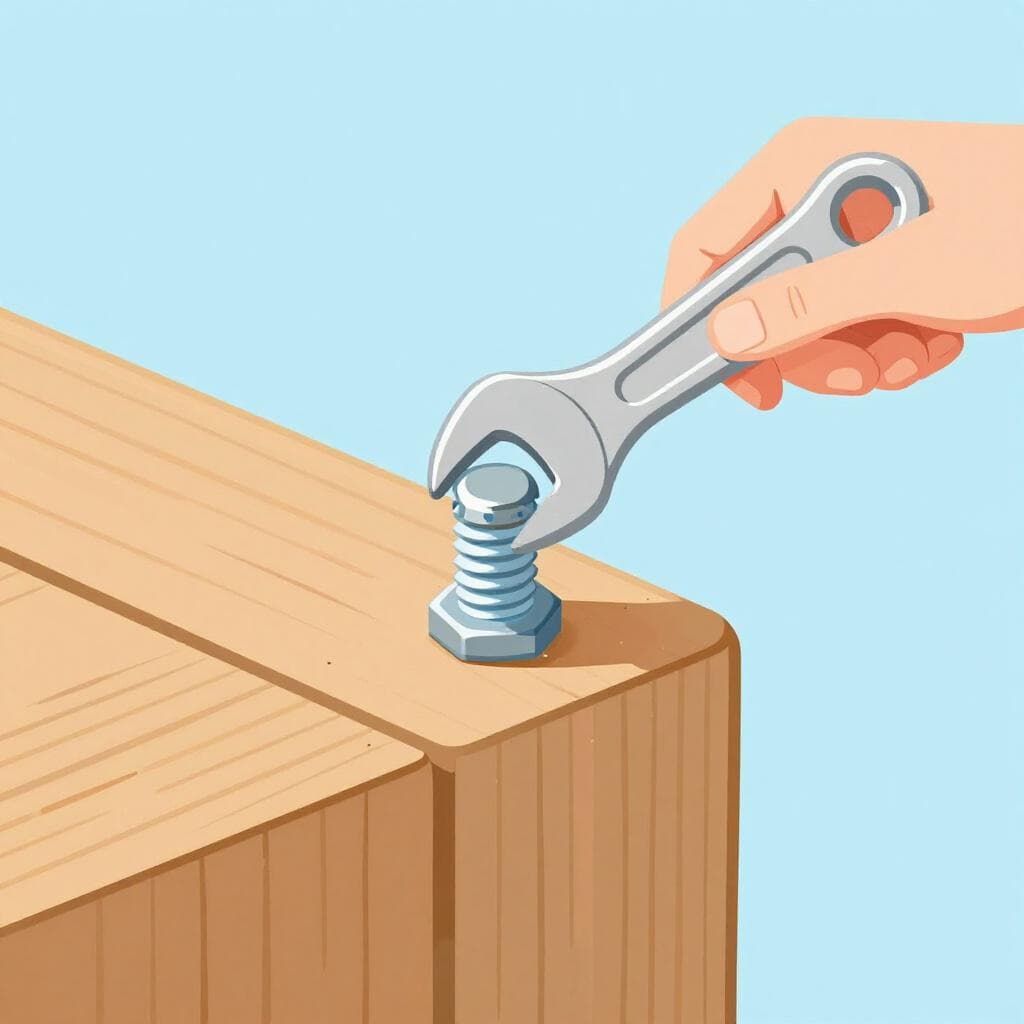
Use this specifically when making something more solid or secure, often implying fixing it firmly in place.
Learn more →
This word is best for making a relationship, position, or abstract concept more firm or stable over time.
Learn more →
Use this when you want to make something more effective, powerful, or to give it a boost, like enhancing a business or a skill.
Learn more →
This is used specifically to strengthen relationships or bonds between people, making them closer.
Learn more →
Use this when making a physical structure, like skin or a foundation, more stable and firm again.
Learn more →for-tah-leh-sehrfoɾtaleˈseɾ
Examples
Hago ejercicio todos los días para fortalecer mis músculos.
I exercise every day to strengthen my muscles.
Queremos fortalecer la amistad entre nuestros países.
We want to strengthen the friendship between our countries.
La nueva ley busca fortalecer la economía local.
The new law seeks to bolster the local economy.
The 'ZC' Rule
When a verb ends in '-ecer', the 'c' changes to 'zc' before an 'o' or an 'a'. This is why we say 'yo fortalezco' instead of 'fortaleco'.
Direct Objects
This verb usually needs a 'target' (a person or thing being strengthened). If that target is a specific person, remember to use the 'personal a', like in 'Quiero fortalecer a mi equipo'.
Forgetting the 'z'
Mistake: “Yo fortaleco mi espalda.”
Correction: Yo fortalezco mi espalda. Always add the 'z' in the 'yo' form of the present tense to keep the sound consistent.
ray-for-SARrefoɾˈsaɾ

Examples
Necesitamos reforzar los muros de la casa.
We need to reinforce the walls of the house.
El profesor quiere reforzar los conocimientos básicos.
The teacher wants to strengthen basic knowledge.
La policía decidió reforzar la seguridad durante el concierto.
The police decided to beef up security during the concert.
The 'O' to 'UE' Change
This verb is a 'stem-changer.' In the present tense, the letter 'o' changes to 'ue' in all forms except for 'we' (nosotros) and 'you all' (vosotros).
Spelling Change in Preterite
In the 'yo' form of the past tense, the 'z' changes to a 'c' before the letter 'e' to keep the sound correct (reforcé).
Missing the Stem Change
Mistake: “Yo reforzo mis estudios.”
Correction: Yo refuerzo mis estudios. Because it's a stem-changing verb, the 'o' must become 'ue' when stressed.
Confusing with 'Force'
Mistake: “Me reforzaron a ir.”
Correction: Me obligaron a ir. 'Reforzar' means to strengthen something that exists, while 'obligar' is used to force someone to do something.
ah-fear-MAHRa.fiɾˈmaɾ
Examples
Debes afirmar la estantería a la pared.
You must secure the bookshelf to the wall.
Afirmó el poste con concreto.
He secured the post with concrete.
El piloto afirmó el timón durante la tormenta.
The pilot steadied the rudder during the storm.
Physical vs. Abstract
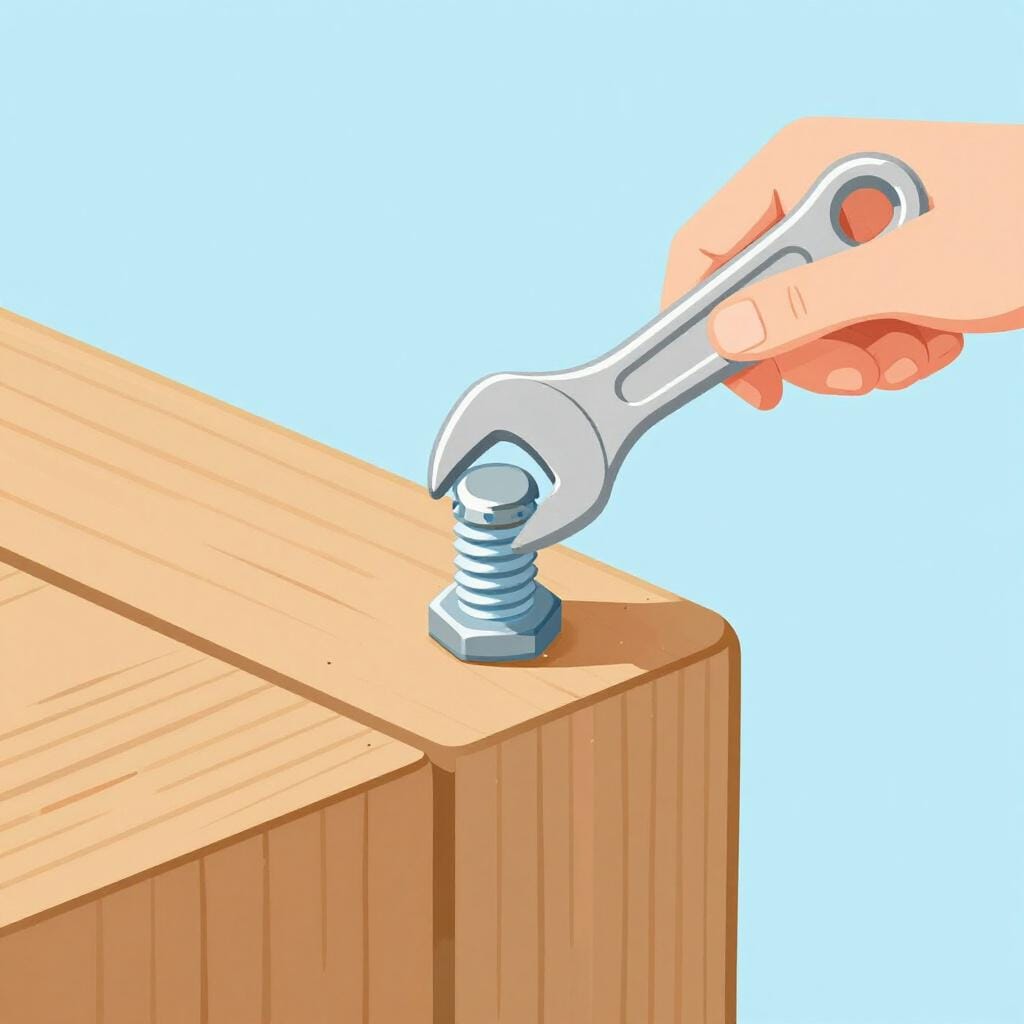
This meaning is used when something is physically made stable or secure. Think of it like 'making firm' - you can 'afirmar' a ladder against a wall or 'afirmar' your grip on something.
Choosing the wrong word
Mistake: “Using 'afirmar' for abstract concepts when you should use 'asegurar'”
Correction: In everyday speech, 'asegurar' is more commonly used for physical security. Save 'afirmar' for formal or written contexts.
kon-so-lee-darkonsoliˈðaɾ

Examples
Queremos consolidar nuestra amistad este año.
We want to strengthen our friendship this year.
El equipo logró consolidar su liderazgo tras la victoria.
The team managed to solidify its leadership after the victory.
La empresa busca consolidar su presencia en el mercado europeo.
The company seeks to consolidate its presence in the European market.
Using 'se' with consolidar
Use 'consolidarse' when something becomes strong on its own. For example: 'El grupo se consolidó' means 'The group became strong/established'.
Abstract and Physical
You can use this for physical things like 'consolidar el terreno' (stabilizing the ground) or abstract things like 'consolidar la democracia' (strengthening democracy).
Thinking it's only for finance
Mistake: “Only using it for merging bank accounts.”
Correction: Use it anytime something gets more firm, steady, or permanent, like a friendship or a habit.
poh-ten-syahrpo.tenˈsjaɾ

Examples
Queremos potenciar el turismo en nuestra ciudad.
We want to boost tourism in our city.
Este curso te ayudará a potenciar tus habilidades creativas.
This course will help you maximize your creative skills.
El gobierno busca potenciar la economía local.
The government seeks to strengthen the local economy.
A Regular Action
This verb follows the standard pattern for verbs ending in '-ar,' so you can conjugate it just like 'hablar' or 'caminar.'
Using it with Objects
You usually use this word to talk about 'what' you are boosting. In Spanish, we say 'potenciar algo' (to boost something) directly without extra words.
Boosting People
Mistake: “Using 'potenciar' to mean 'to promote someone at work'.”
Correction: Use 'ascender' for job promotions. Use 'potenciar' for boosting someone's skills or potential, not their job title.
es-tre-CHARestɾeˈt͡ʃaɾ

Examples
Este viaje servirá para estrechar los lazos de amistad.
This trip will serve to strengthen the bonds of friendship.
Ambos países buscan estrechar sus relaciones comerciales.
Both countries seek to strengthen their commercial relations.
Queremos estrechar el contacto con nuestros clientes.
We want to have closer contact with our clients.
Figurative Language
Think of this like pulling two ends of a string closer together—it makes the connection tighter and stronger.
Strengthening vs. Widening
Mistake: “Queremos estrechar el conocimiento.”
Correction: Queremos ampliar el conocimiento. 'Estrechar' makes things smaller or closer; it doesn't mean 'to grow' in volume.
rray-ah-feer-MARreafiɾˈmaɾ

Examples
Esta crema ayuda a reafirmar la piel del rostro.
This cream helps to firm up the skin on the face.
Hacer ejercicio es clave para reafirmar los músculos.
Exercising is key to toning/firming the muscles.
Reforzaron las vigas para reafirmar la estructura.
They reinforced the beams to strengthen the structure.
Adjective Connection
The adjective 'reafirmante' is very common in beauty stores to describe 'firming' products.
Fortalecer vs. Reforzar vs. Afirmar
Learners often confuse 'fortalecer', 'reforzar', and 'afirmar'. Remember that 'fortalecer' is about making something inherently stronger (muscles, spirit), 'reforzar' is about adding support to make it more solid (walls, habits), and 'afirmar' is about securing something in place.
Related Translations
Learn Spanish with Inklingo
Interactive stories, personalized learning, and more.