How to Say "to sustain" in Spanish
The most common Spanish word for “to sustain” is “sostener” — use this when you are physically holding something up or supporting its weight, or when maintaining a situation or opinion.
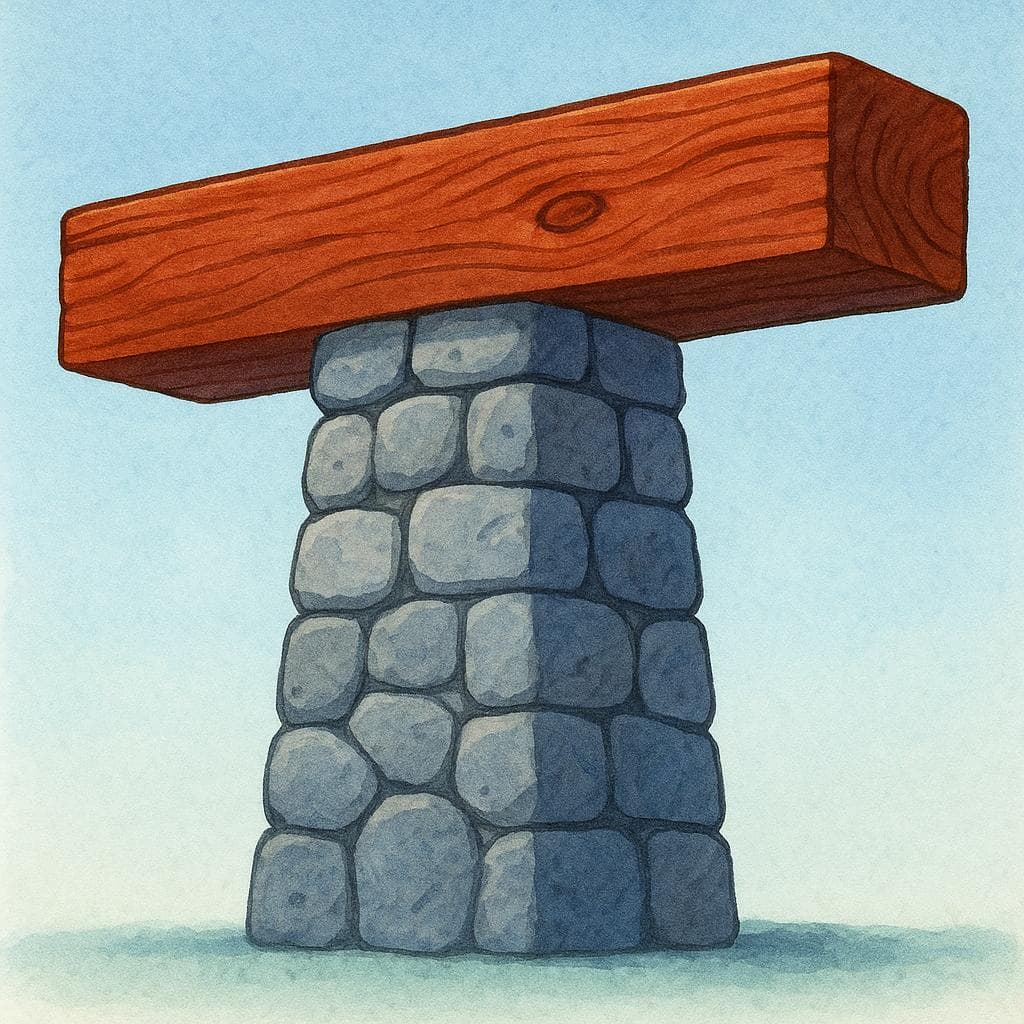
Use this when you are physically holding something up or supporting its weight, or when maintaining a situation or opinion.
Learn more →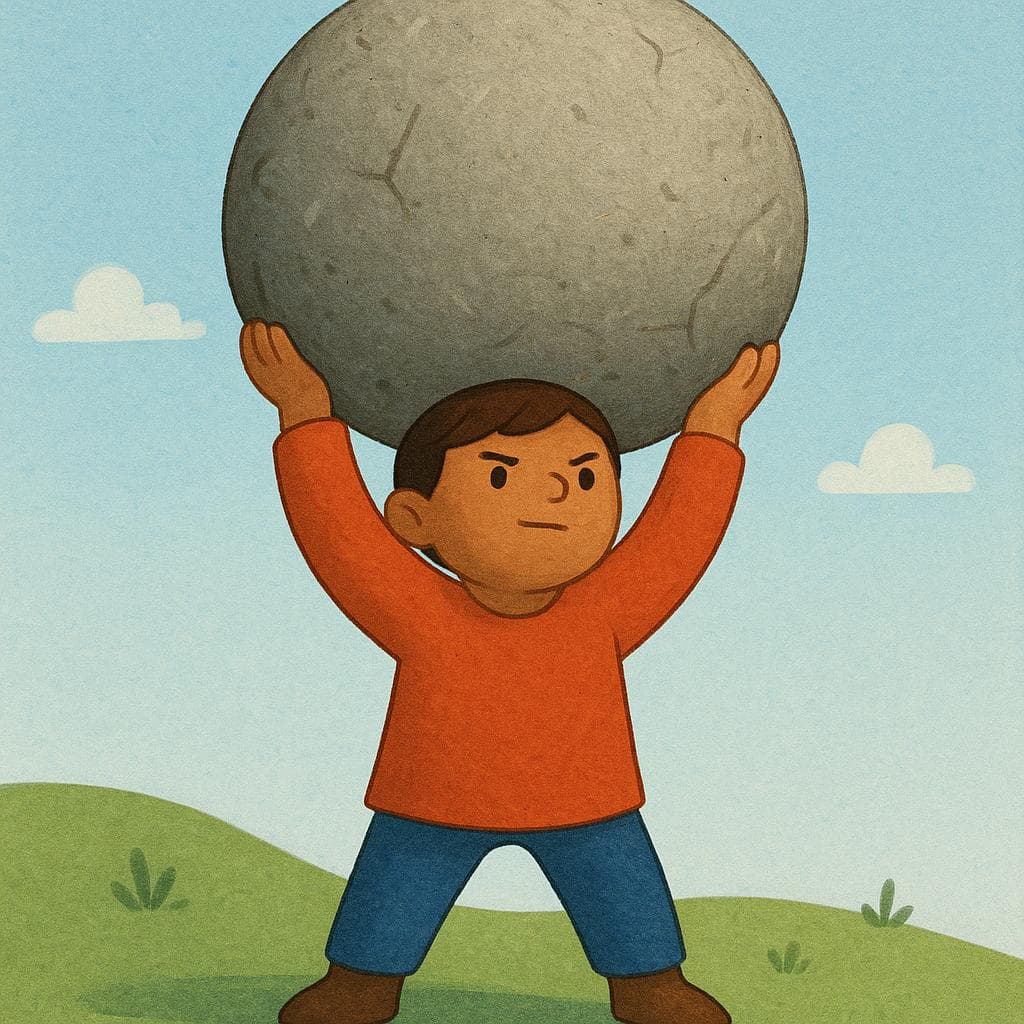
Choose this when describing something's ability to withstand pressure, endure a difficult situation, or remain stable over time.
Learn more →
Use this when referring to providing fuel for a process, keeping a fire going, or nurturing an emotion or idea.
Learn more →
This translation is used specifically when something experiences or endures damage, loss, or negative effects.
Learn more →soh-steh-NEHRsosteˈneɾ
Examples
La estructura del puente necesita ser sostenida para evitar su colapso.
The bridge's structure needs to be sustained to prevent its collapse.
La mesa es muy pesada, pero la sostengo sin problema.
The table is very heavy, but I am holding it up without a problem.
Necesitamos más columnas para sostener el techo del garaje.
We need more columns to support the garage roof.
Mi trabajo sostiene a toda mi familia.
My job supports my whole family (financially).
Irregular 'Yo' Form
Like its root verb 'tener', the 'yo' form in the present tense is irregular: 'yo sostengo'. This 'g' carries over into the present subjunctive.
Confusing 'sostener' and 'tener'
Mistake: “Using 'tener' when you mean 'to hold up' or 'to support'.”
Correction: 'Tener' usually means 'to have' or 'to hold in your hand'. 'Sostener' specifically means 'to bear weight' or 'to keep something from falling'.
a-gwan-TARa.ɣwanˈtaɾ
Examples
Este viejo coche todavía aguanta bien en la carretera.
This old car still sustains well on the road.
Esta mesa no aguanta tanto peso; es muy vieja.
This table won't hold up that much weight; it's very old.
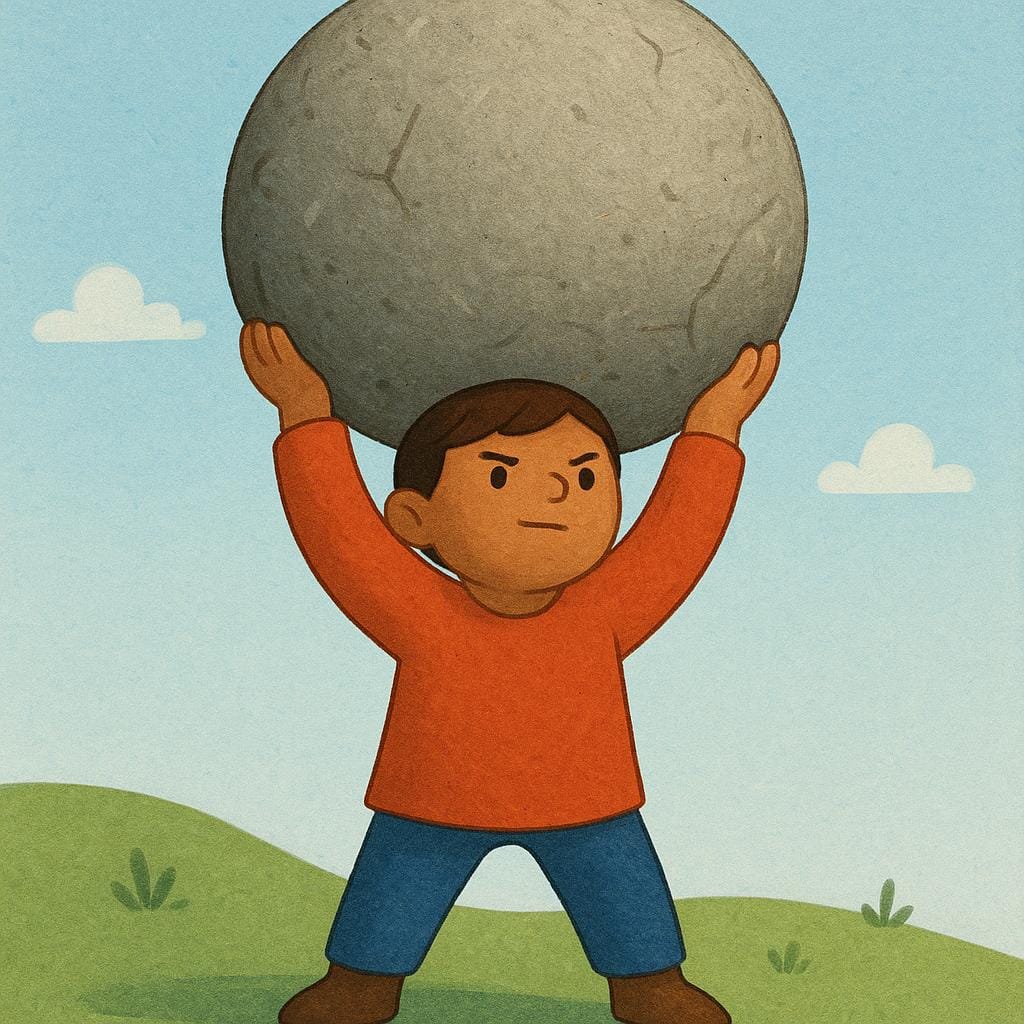
El pilar central aguanta todo el techo.
The central pillar supports the entire roof.
Aguanta la cuerda con fuerza para que no se caiga.
Hold the rope tightly so it doesn't fall.
Use with Reflexive Pronouns
If you are holding yourself up (like holding onto a rail), you often add the reflexive 'se': 'Se aguantó de la barandilla' (He held himself up by the railing).
Using 'Soportar'
Mistake: “Sometimes learners default to 'soportar' for physical holding, but 'aguantar' often sounds more natural for bearing weight or pressure.”
Correction: While 'soportar' works, 'aguantar' is a great, versatile choice for both physical and emotional endurance.
ah-lee-men-TARali.menˈtaɾ

Examples
La pasión por la música alimenta su creatividad.
Passion for music sustains his creativity.
El carbón alimenta el fuego de la chimenea.
The coal fuels the fire in the chimney.
No alimentes rumores si no sabes la verdad.
Don't fuel rumors if you don't know the truth.
Ella alimenta su pasión por el arte leyendo cada día.
She nurtures her passion for art by reading every day.
Figurative Use
This meaning works just like in English: you can 'feed' or 'fuel' abstract things like arguments, feelings, or machines, not just living things.
soo-FREERsuˈfɾiɾ
Examples
El ecosistema sufrió daños severos debido a la contaminación.
The ecosystem sustained severe damage due to pollution.
La empresa sufrió grandes pérdidas este trimestre.
The company sustained large losses this quarter.
El edificio sufrió daños graves a causa del terremoto.
The building underwent serious damage due to the earthquake.
Nuestra reputación sufrió un duro golpe.
Our reputation suffered a serious blow.
Non-Human Subjects
In this context, the subject performing 'sufrir' is often an inanimate object, like 'el puente' (the bridge) or 'la economía' (the economy).
Confusing 'soportar'
Mistake: “El puente sufrió el peso.”
Correction: El puente soportó el peso. ('Soportar' means to withstand or bear weight/pressure, while 'sufrir' means to be negatively affected by it.)
Physical Support vs. Enduring Hardship
Learners often confuse 'sostener' and 'aguantar'. Remember that 'sostener' is more about actively holding something up, while 'aguantar' is about enduring or withstanding something, often passively.
Related Translations
Learn Spanish with Inklingo
Interactive stories, personalized learning, and more.