How to Say "to total" in Spanish
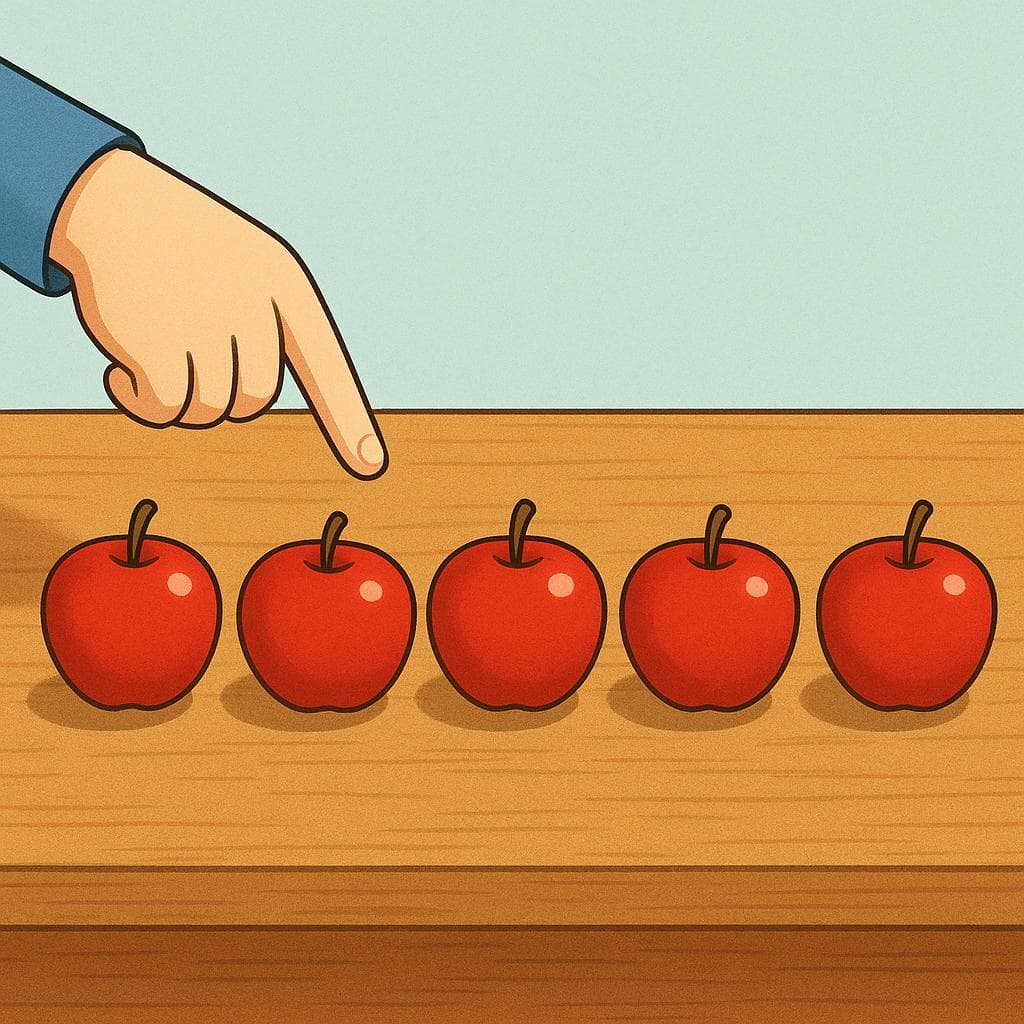
The most common Spanish word for “to total” is “sumar” — use 'sumar' when you are performing the action of adding numbers together to find a final amount, especially in an educational or mathematical context.


sumar
soo-MAHRsuˈmaɾ

Examples
Los niños están aprendiendo a sumar en la escuela.
The children are learning to add in school.
Si sumas dos y dos, el resultado es cuatro.
If you add two and two, the result is four.
Los gastos del mes suman quinientos euros.
The month's expenses add up to five hundred euros.
Using 'y' vs. 'más'
When doing math out loud, you can use 'y' (and) or 'más' (plus). For example: 'Dos y dos son cuatro' or 'Dos más dos son cuatro'.
Agreement with Totals
When the result of a sum is the subject, the verb 'sumar' matches the total. If the total is one, use 'suma'; if it is more than one, use 'suman'.
Adding ingredients
Mistake: “Voy a sumar sal a la sopa.”
Correction: Voy a añadir sal a la sopa. Use 'añadir' or 'agregar' for physical things like food; use 'sumar' for numbers and abstract values.
ascender
ah-sen-DEHRasθenˈdeɾ

Examples
La factura del hotel asciende a quinientos dólares.
The hotel bill amounts to five hundred dollars.
Los daños del terremoto ascienden a millones.
The earthquake damage totals millions.
El número de víctimas asciende a veinte.
The number of victims has risen to twenty.
Numbers follow 'a'
When using this word for totals, you must use 'a' before the number or amount.
contar
cohn-TARkonˈtaɾ
Examples
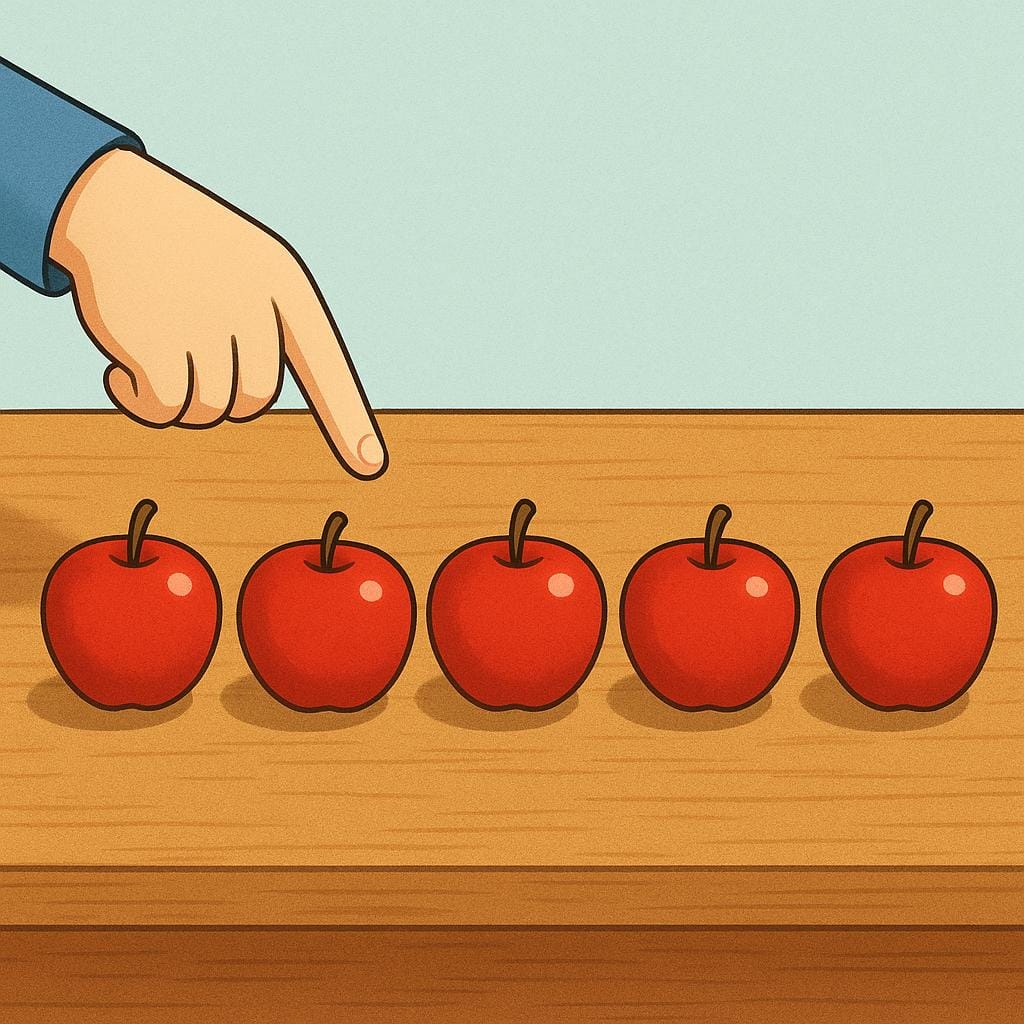
El niño está aprendiendo a contar hasta diez.
The child is learning to count up to ten.
¿Puedes contar cuántas sillas tenemos en total?
Can you count how many chairs we have in total?
Contamos veinte invitados, ni uno más.
We counted twenty guests, not one more.
The O-UE Change
In the present tense, the 'o' turns into 'ue' when the stress falls on the syllable, except for the 'we' (nosotros) and 'you all' (vosotros) forms.
Forgetting the Stem Change
Mistake: “Yo conto (incorrect).”
Correction: Yo cuento (correct). Remember that 'o' changes to 'ue' in the singular forms.
Sumar vs. Ascender
Related Translations
Learn Spanish with Inklingo
Interactive stories, personalized learning, and more.