How to Say "to trail" in Spanish
The most common Spanish word for “to trail” is “seguir” — use 'seguir' when you mean to follow behind someone or something, like a detective following a suspect or a child trailing their parent.

Use 'seguir' when you mean to follow behind someone or something, like a detective following a suspect or a child trailing their parent.
Learn more →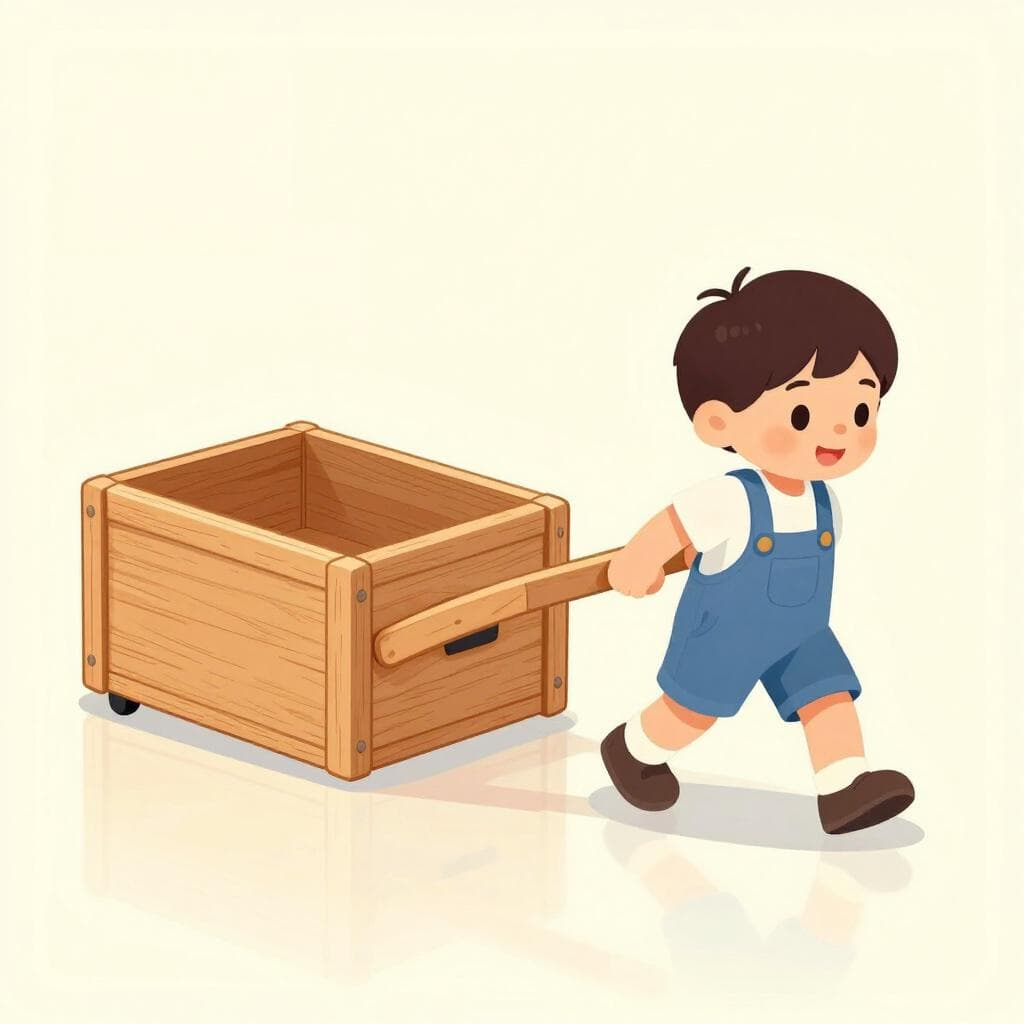
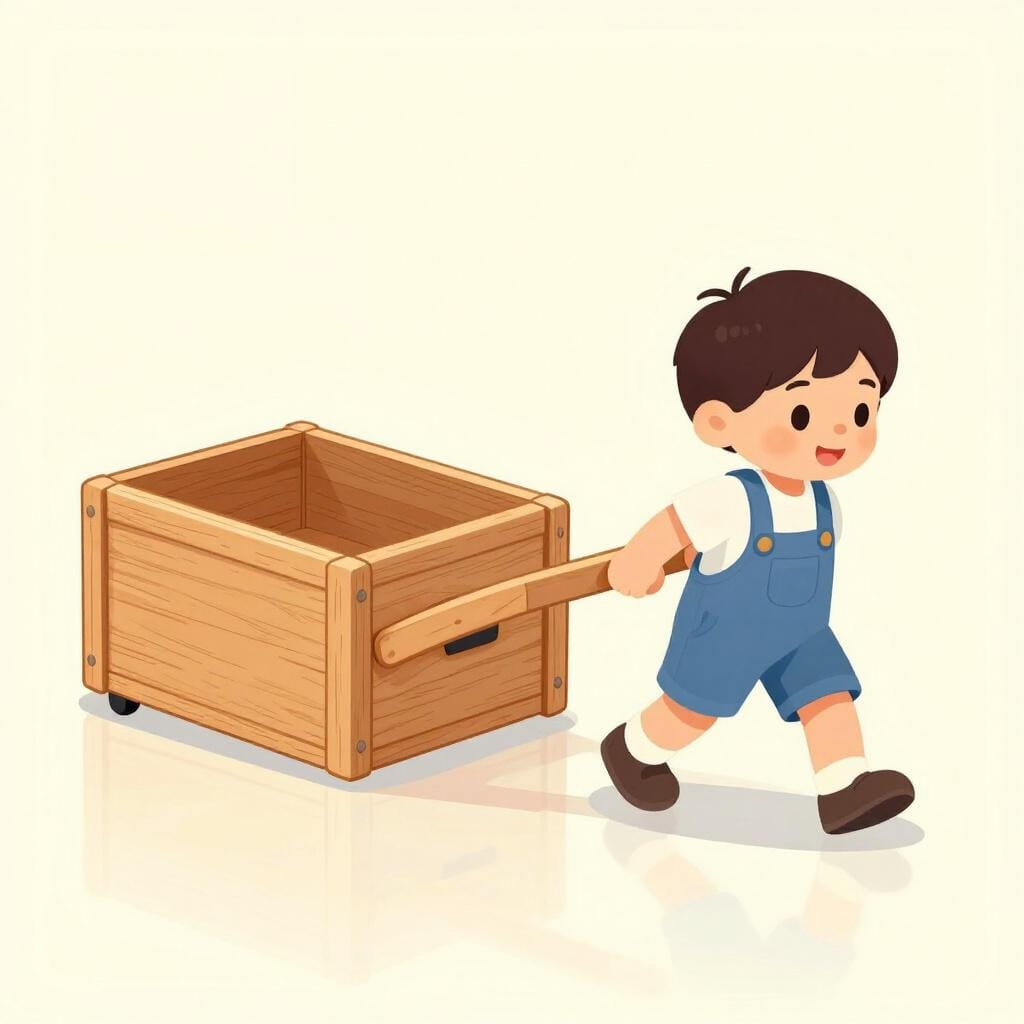
Use 'arrastrar' when something is being pulled along the ground, leaving a mark or path, like dragging a suitcase or a toy.
Learn more →seh-GEERseˈɣiɾ

Examples
El perro siguió al cartero hasta la esquina.
The dog trailed the mailman to the corner.
El detective siguió al sospechoso por toda la ciudad.
The detective followed the suspect all over the city.
¡Sigue ese coche!
Follow that car!
Camina despacio, no te puedo seguir.
Walk slowly, I can't follow you.
The 'e' to 'i' Change
Notice how the 'e' in 'seguir' changes to an 'i' for most 'now' forms (like 'yo sigo', 'tú sigues'). This happens with many Spanish verbs, but the 'nosotros' and 'vosotros' forms usually keep the original 'e'.
ah-rrah-STRAHRarasˈtɾaɾ
Examples
La falda larga arrastraba por el suelo polvoriento.
The long skirt trailed across the dusty floor.
El niño arrastra su juguete favorito por toda la casa.
The boy drags his favorite toy all over the house.
Por favor, no arrastres las sillas; levántalas para no rayar el suelo.
Please, don't drag the chairs; lift them up so you don't scratch the floor.
El barco arrastraba una red enorme en el mar.
The boat was dragging a huge net in the sea.
A Regular Pattern
This is a regular -ar verb. If you know how to conjugate 'hablar' or 'cantar,' you already know how to use 'arrastrar'!
The 'Personal A'
If you are physically dragging a person (like a wrestler or in a game), you must put 'a' after the verb: 'Él arrastra a su amigo'.
Confusing Drag with Push
Mistake: “Empujo la maleta por el suelo.”
Correction: Arrastro la maleta por el suelo. Remember: 'empujar' is away from you, 'arrastrar' is pulling behind or along with you.
Seguir vs. Arrastrar
Learners often confuse 'seguir' and 'arrastrar' because both can imply movement behind something. Remember, 'seguir' is about actively following a person or thing, while 'arrastrar' is about something being pulled or dragged along.
Related Translations
Learn Spanish with Inklingo
Interactive stories, personalized learning, and more.