Airport & Flights in Spanish
Getting ready for a trip abroad? This vocabulary set will help you navigate the airport and understand everything about your flight. From booking your ticket to understanding announcements, knowing these terms will make your travel experience much smoother. Spanish often uses gendered nouns, so pay attention to how words like 'aerolínea' (feminine) and 'aeropuerto' (masculine) work!
Quick Reference
| Spanish | English | Example | Level |
|---|---|---|---|
aéreo | air | El transporte aéreo es el más rápido para largas distancias. | A2 |
aeropuerto | airport | El aeropuerto internacional es muy grande. | A1 |
avión | airplane | El avión despega a las siete de la mañana. | A1 |
despegar | to unstick | Ten cuidado al despegar la etiqueta del regalo. | A2 |
despegue | takeoff | El avión está listo para el despegue. | A2 |
embarque | boarding | El embarque del vuelo 402 comienza en la puerta cinco. | A2 |
equipaje | luggage | Necesito facturar mi equipaje antes de abordar. | A1 |
llegada | arrival | Esperamos la llegada de mi tía en el aeropuerto. | A1 |
pasaporte | passport | Perdí mi pasaporte antes de mi vuelo a Madrid. | A1 |
vuelo | flight | Nuestro vuelo a Chile sale a las diez de la noche. | A1 |
aduana | customs | Tuvimos que esperar una hora en la aduana del aeropuerto. | B1 |
aerolínea | airline | ¿Qué aerolínea tiene los vuelos más baratos? | A2 |
A1 — Beginner (6 words)

airport
“El aeropuerto internacional es muy grande.”

airplane
“El avión despega a las siete de la mañana.”

luggage
“Necesito facturar mi equipaje antes de abordar.”

arrival
“Esperamos la llegada de mi tía en el aeropuerto.”

passport
“Perdí mi pasaporte antes de mi vuelo a Madrid.”

flight
“Nuestro vuelo a Chile sale a las diez de la noche.”
A2 — Elementary (9 words)

air
“El transporte aéreo es el más rápido para largas distancias.”

to unstick
“Ten cuidado al despegar la etiqueta del regalo.”
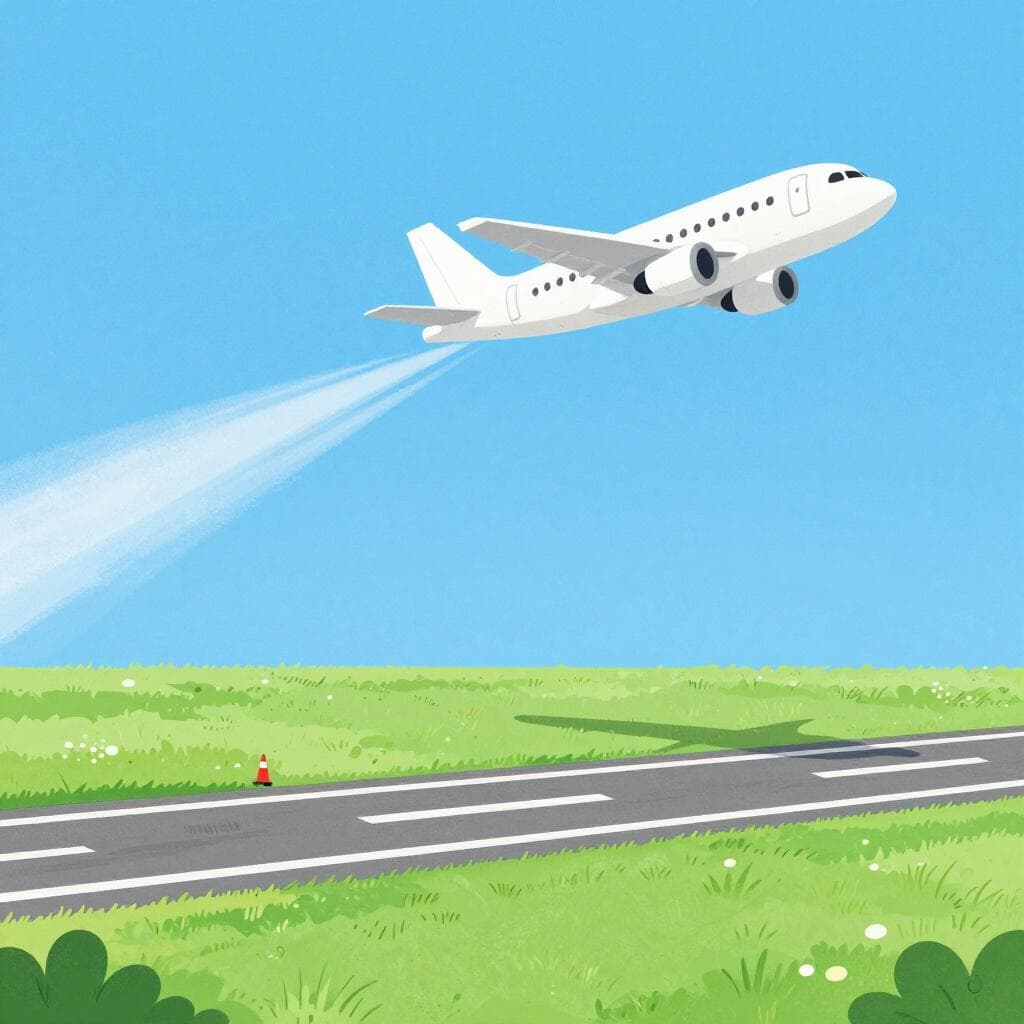
takeoff
“El avión está listo para el despegue.”

boarding
“El embarque del vuelo 402 comienza en la puerta cinco.”

airline
“¿Qué aerolínea tiene los vuelos más baratos?”
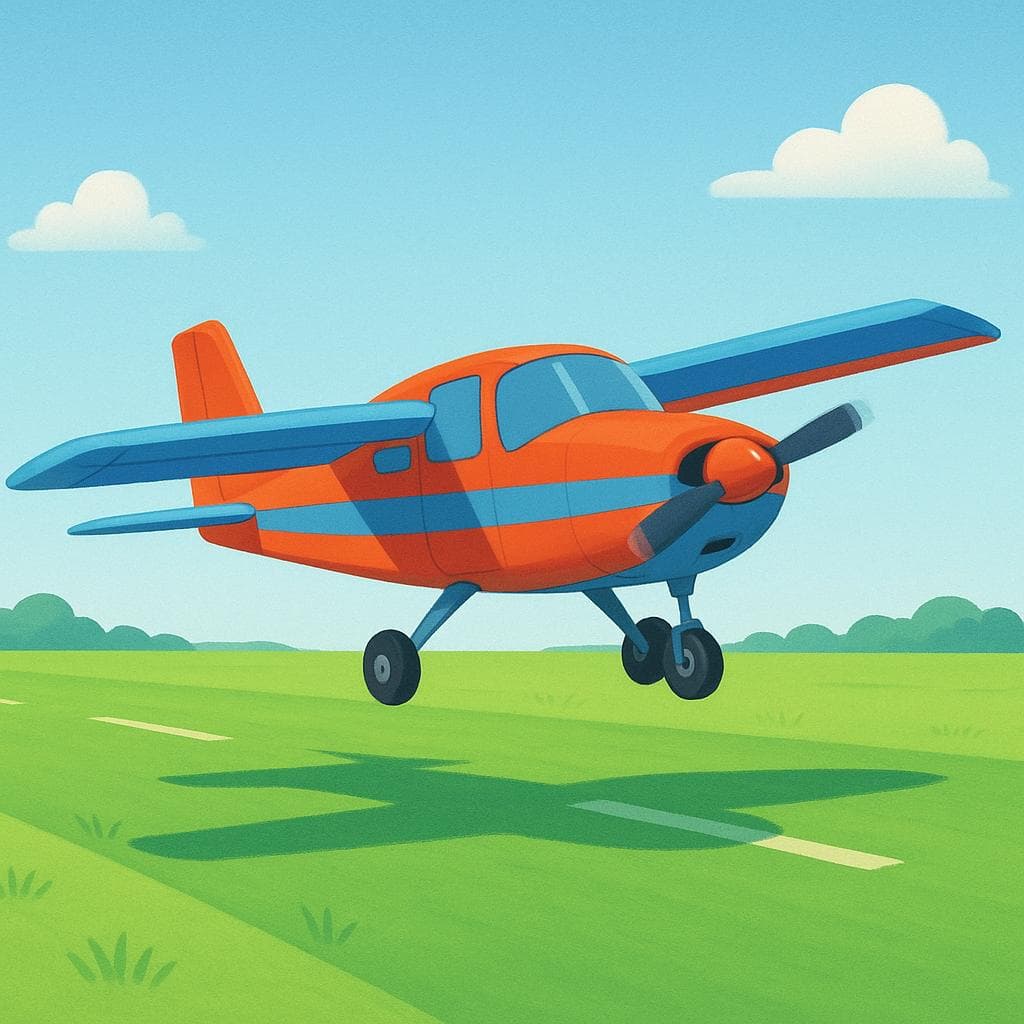
to land
“El avión va a aterrizar en diez minutos.”

to board
“Los pasajeros deben embarcar por la puerta cuatro.”

flight attendant
“El azafato es muy amable.”
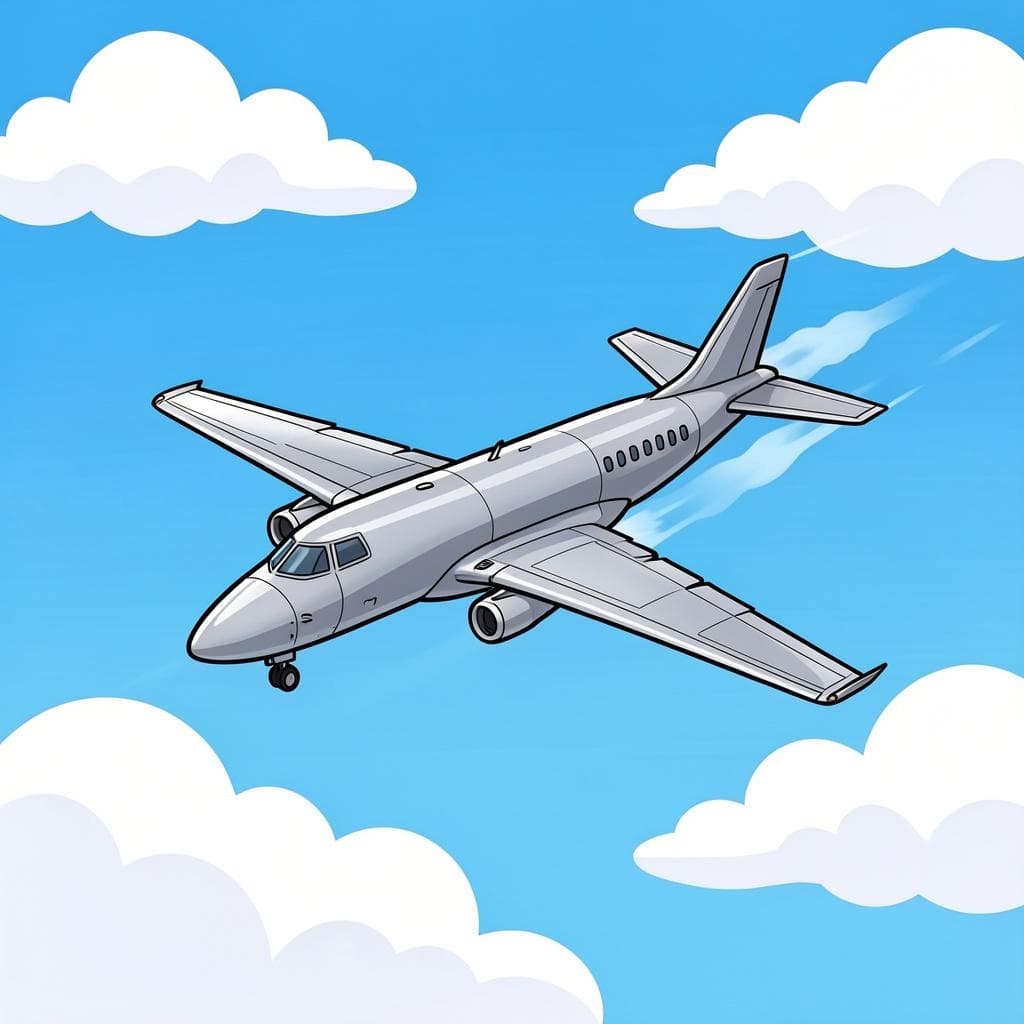
jet
“El equipo de fútbol viajó en un jet privado.”
B1 — Intermediate (6 words)
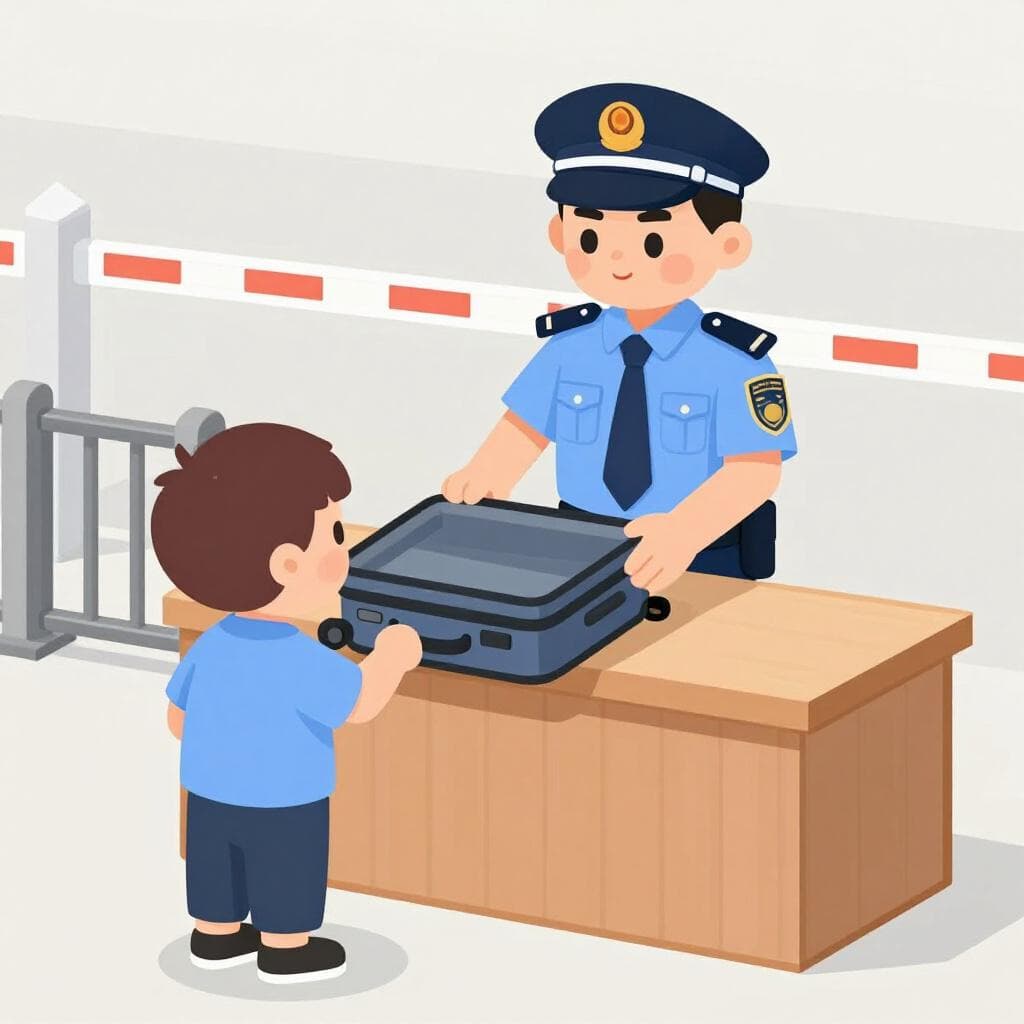
customs
“Tuvimos que esperar una hora en la aduana del aeropuerto.”
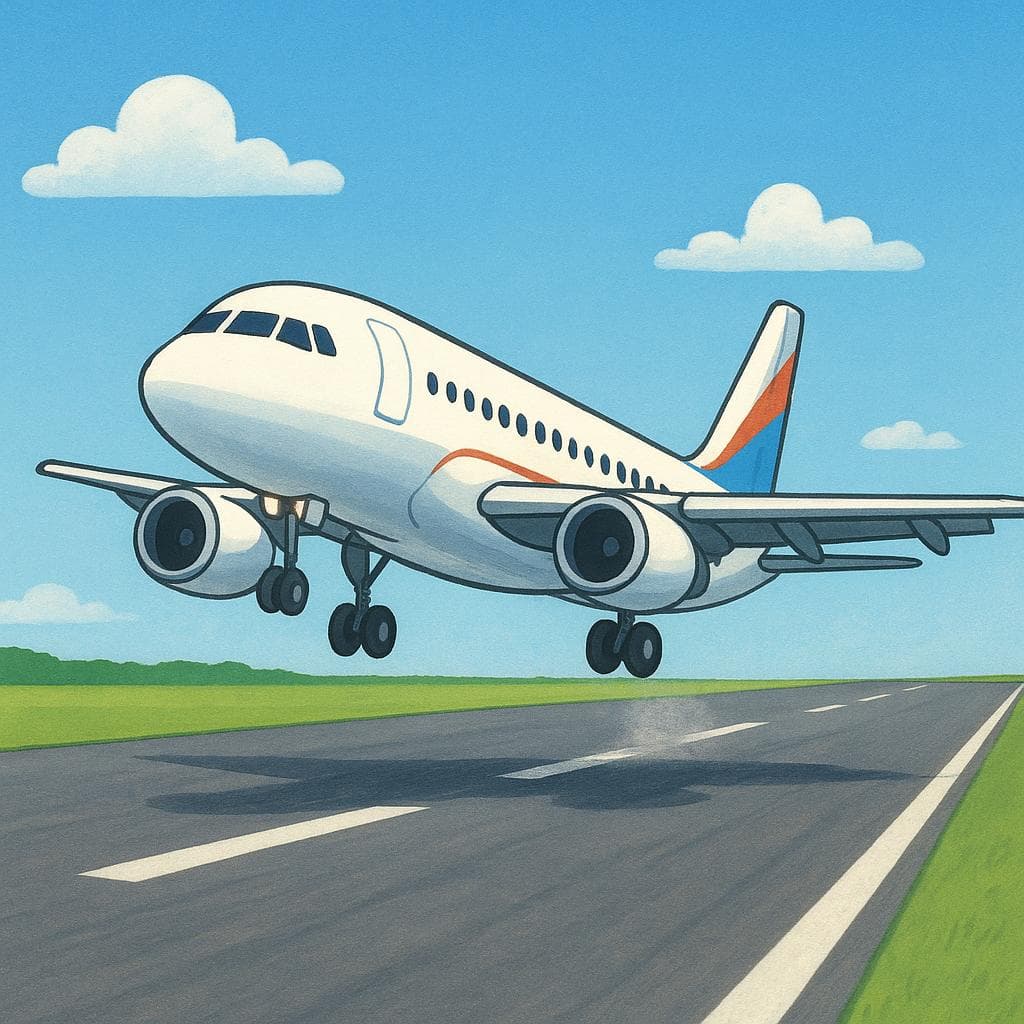
landing
“El piloto anunció que el aterrizaje sería en diez minutos.”

crew
“La tripulación del avión fue muy amable durante el vuelo.”

aviation
“La aviación ha progresado mucho en el último siglo.”

to disembark
“Los pasajeros comenzaron a desembarcar a las ocho de la mañana.”

crew member
“El tripulante nos indicó dónde estaban las salidas de emergencia.”
Grammar Tips
Masculine vs. Feminine Nouns
Many airport and flight-related nouns in Spanish have grammatical gender. 'El aeropuerto' (the airport) is masculine, while 'la aerolínea' (the airline) is feminine. This affects the articles ('el'/'la') and adjectives used with them. For example, 'la puerta grande' (the big gate) but 'el vuelo directo' (the direct flight).
Verb Conjugations for Actions
Verbs like 'aterrizar' (to land) and 'despegar' (to take off) change their endings based on who is performing the action and when. For example, 'El avión despega' (The plane takes off - present tense) vs. 'Ayer, el avión despegó' (Yesterday, the plane took off - past tense).
Pluralizing Flights and Passengers
To talk about multiple flights or passengers, simply add '-s' or '-es' to the singular noun. 'El vuelo' (the flight) becomes 'los vuelos' (the flights), and 'el pasajero' (the passenger) becomes 'los pasajeros' (the passengers). Remember to match the article to the plural noun.
Common Mistakes
Incorrect Verb Tense
Mistake: “Yo aterricé en el aeropuerto ayer.”
Correction: Yo aterricé en el aeropuerto ayer. — The verb 'aterrizar' is used for planes landing. For people arriving at the airport, you would typically use 'llegar' (to arrive). So, 'Yo llegué al aeropuerto ayer' is more natural.
Gender Agreement Error
Mistake: “La avión está listo.”
Correction: El avión está listo. — 'Avión' (airplane) is a masculine noun in Spanish, so it requires the masculine article 'el', not the feminine 'la'.
Mixing Up Boarding/Disembarking
Mistake: “Vamos a desembarcar el avión ahora.”
Correction: Vamos a embarcar en el avión ahora. — 'Embarcar' means to board (get on) the plane, while 'desembarcar' means to disembark (get off) the plane. Use 'embarcar' when you are getting on.
Cultural Notes
Gate Announcements
Listen carefully to gate announcements! In many Spanish-speaking countries, flight information might be announced quickly and may use specific jargon. It's helpful to know key phrases like 'la puerta de embarque' (boarding gate) and 'última llamada' (final call).
Navigating Customs
The 'aduana' (customs) process is similar worldwide, but be prepared for officers to ask questions in Spanish. Knowing basic phrases like 'Tengo algo que declarar' (I have something to declare) or 'Nada que declarar' (Nothing to declare) can be very useful.