Construction & Building in Spanish
This section dives into Spanish vocabulary for construction and building. Learning these terms is super useful, whether you're traveling and want to understand urban landscapes, discussing home renovations, or even just appreciating the architecture around you. Spanish often uses compound words or specific suffixes to indicate related concepts, which can be a neat pattern to spot!
Quick Reference
| Spanish | English | Example | Level |
|---|---|---|---|
arquitectura | architecture | La arquitectura de Barcelona es famosa en todo el mundo. | A2 |
cemento | cement | El suelo de la cochera es de cemento gris. | A2 |
construcción | construction | La construcción de este rascacielos duró tres años. | A2 |
construido | built | El edificio construido en 1950 sigue siendo fuerte. | B1 |
construir | build | Están construyendo un nuevo hospital en el centro. | A1 |
edificio | building | Trabajo en el edificio más alto de la ciudad. | A1 |
fachada | facade | La fachada de la catedral es de estilo gótico. | A2 |
grúa | tow truck | Llamé a la grúa porque mi coche se rompió. | A2 |
ladrillo | brick | La casa está construida con ladrillo rojo. | A1 |
muro | wall | El muro del jardín es muy alto y de piedra. | A1 |
obra | work | Esta novela es su mejor obra hasta la fecha. | A2 |
pared | wall | Pintamos la pared de la sala de un color claro. | A1 |
A1 — Beginner (8 words)
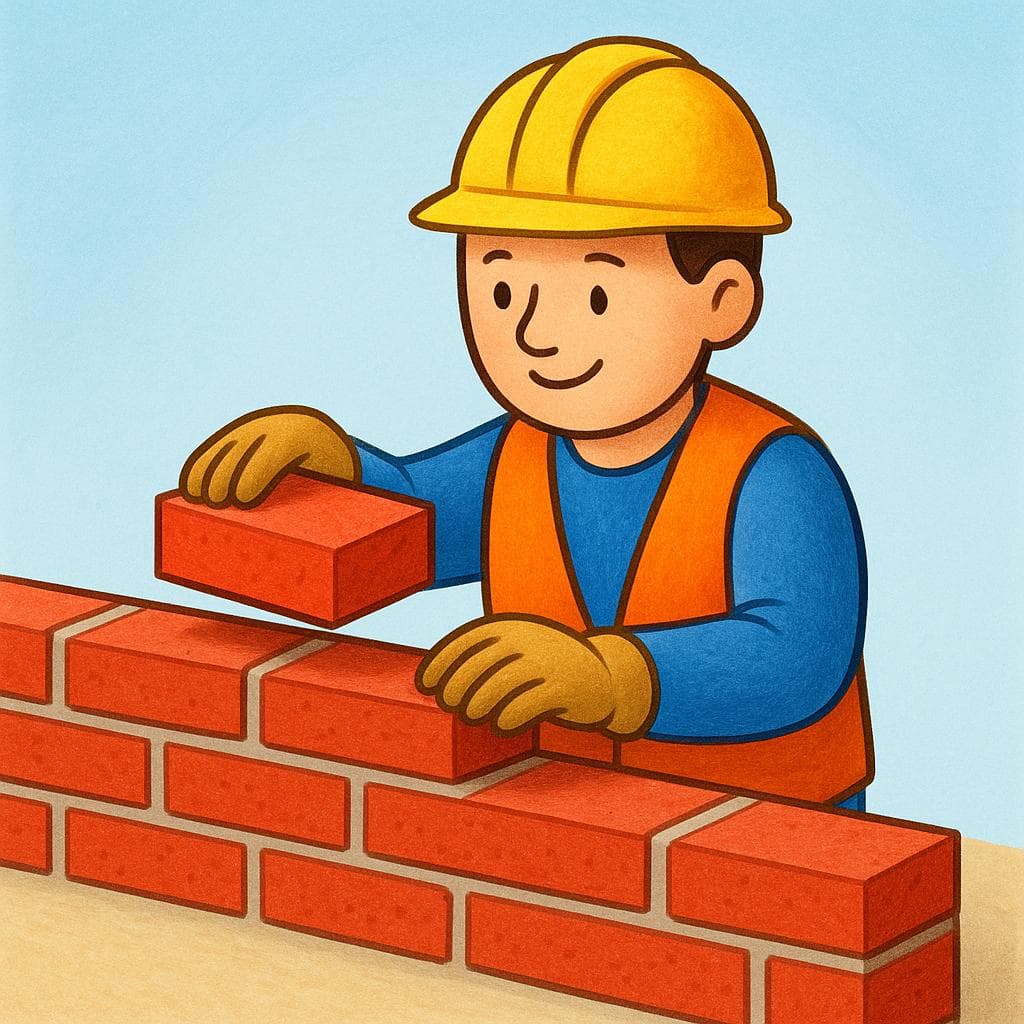
build
“Están construyendo un nuevo hospital en el centro.”
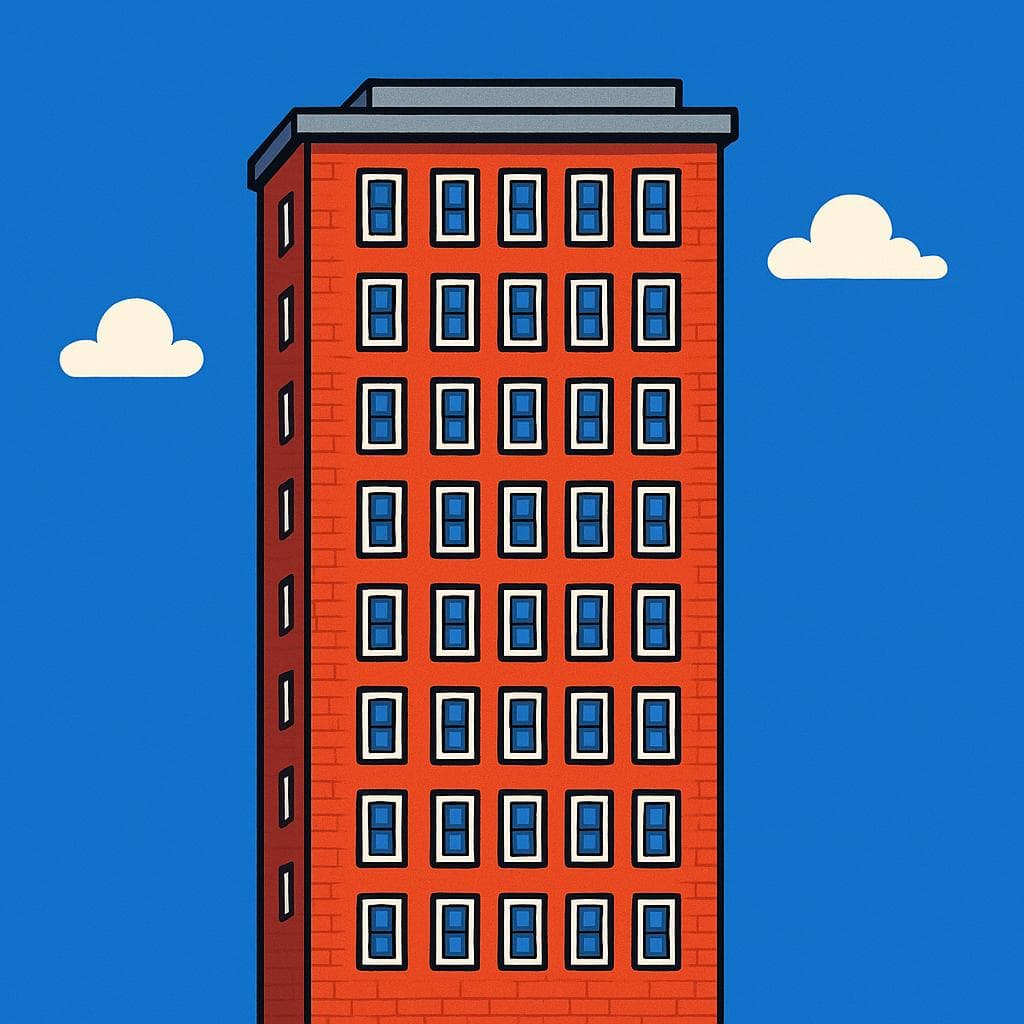
building
“Trabajo en el edificio más alto de la ciudad.”
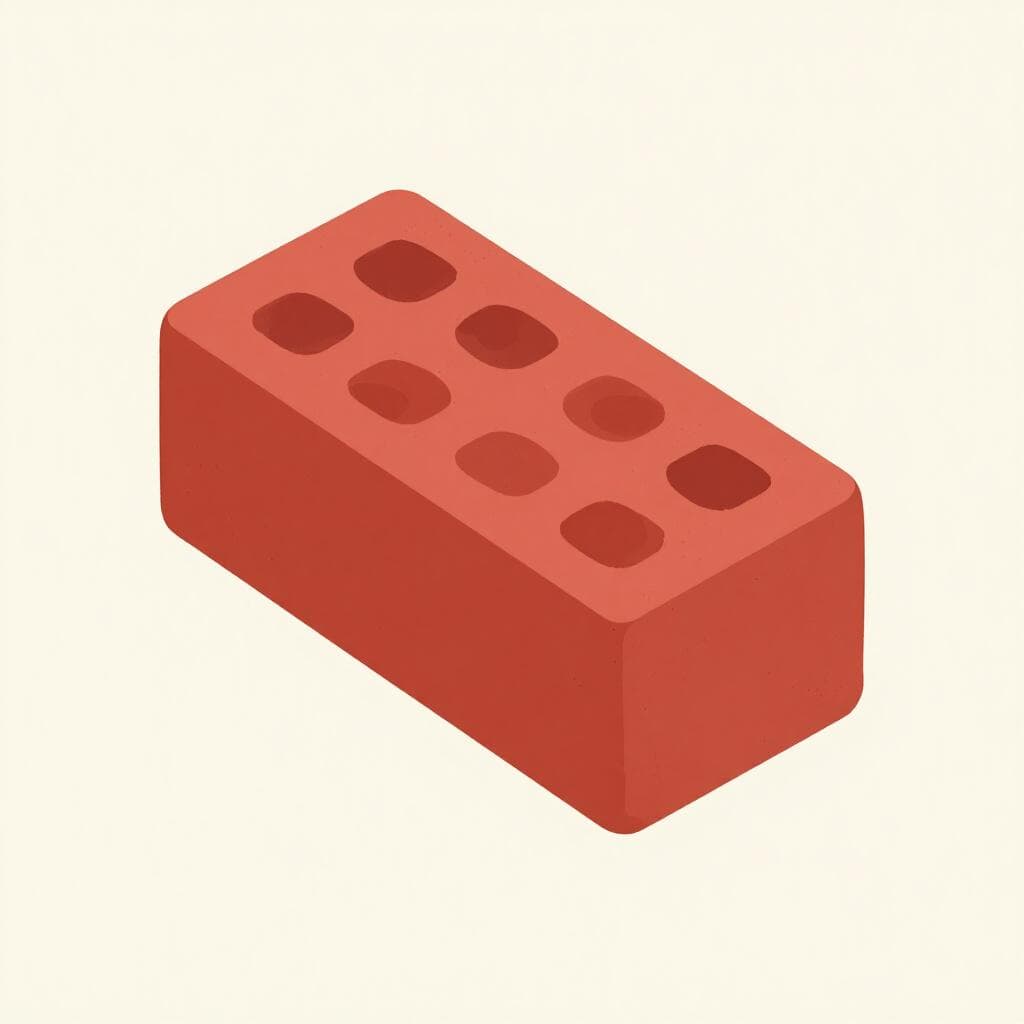
brick
“La casa está construida con ladrillo rojo.”
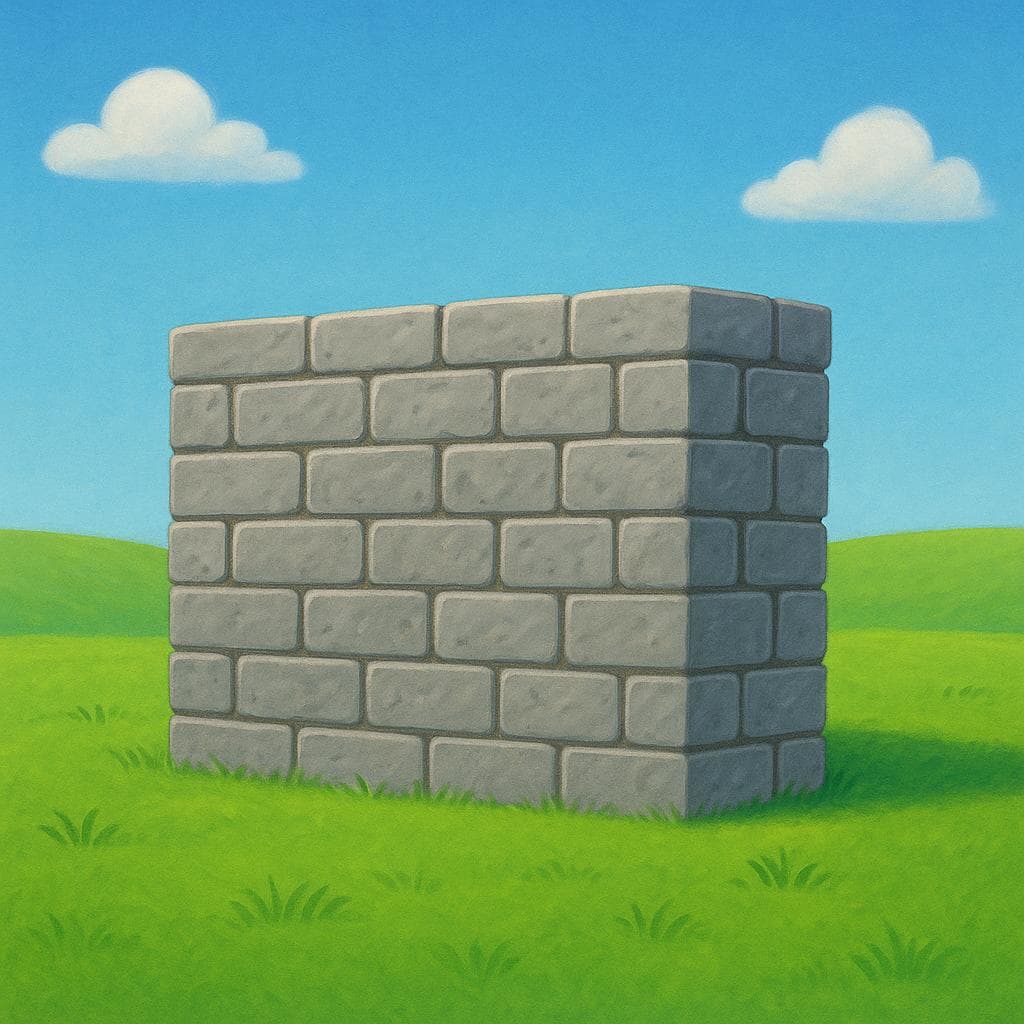
wall
“El muro del jardín es muy alto y de piedra.”

wall
“Pintamos la pared de la sala de un color claro.”

bridge
“El puente Golden Gate es famoso mundialmente.”

roof
“Necesitamos arreglar el techo antes de que llueva.”
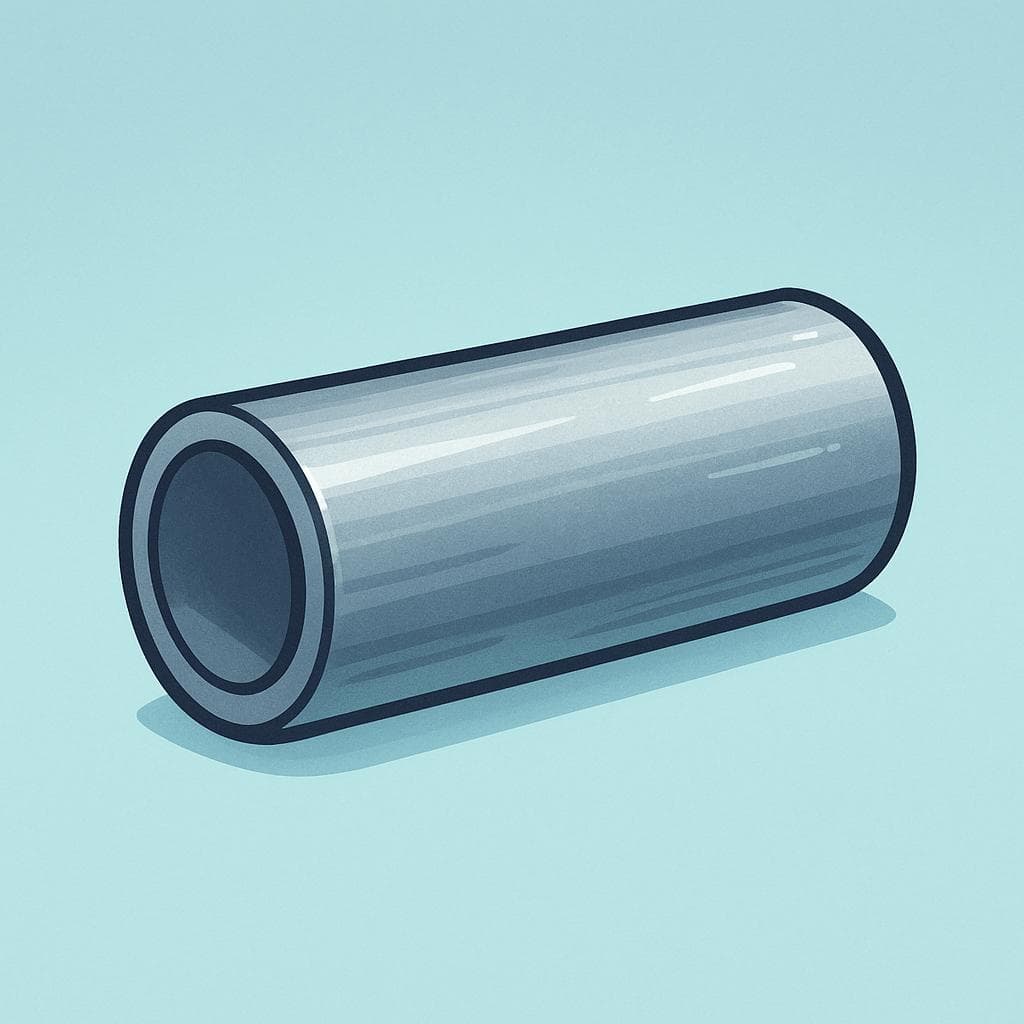
pipe
“Necesitamos reemplazar el tubo de agua caliente.”
A2 — Elementary (13 words)

architecture
“La arquitectura de Barcelona es famosa en todo el mundo.”
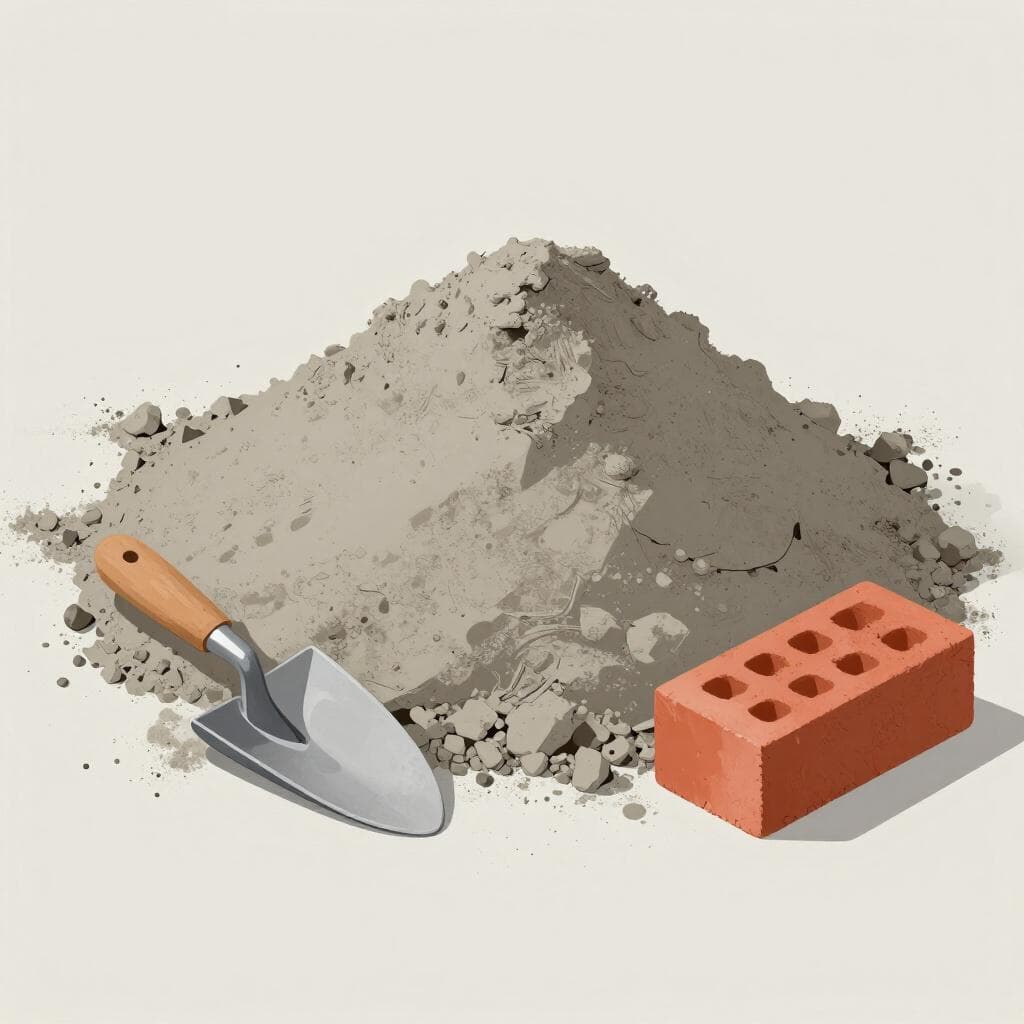
cement
“El suelo de la cochera es de cemento gris.”
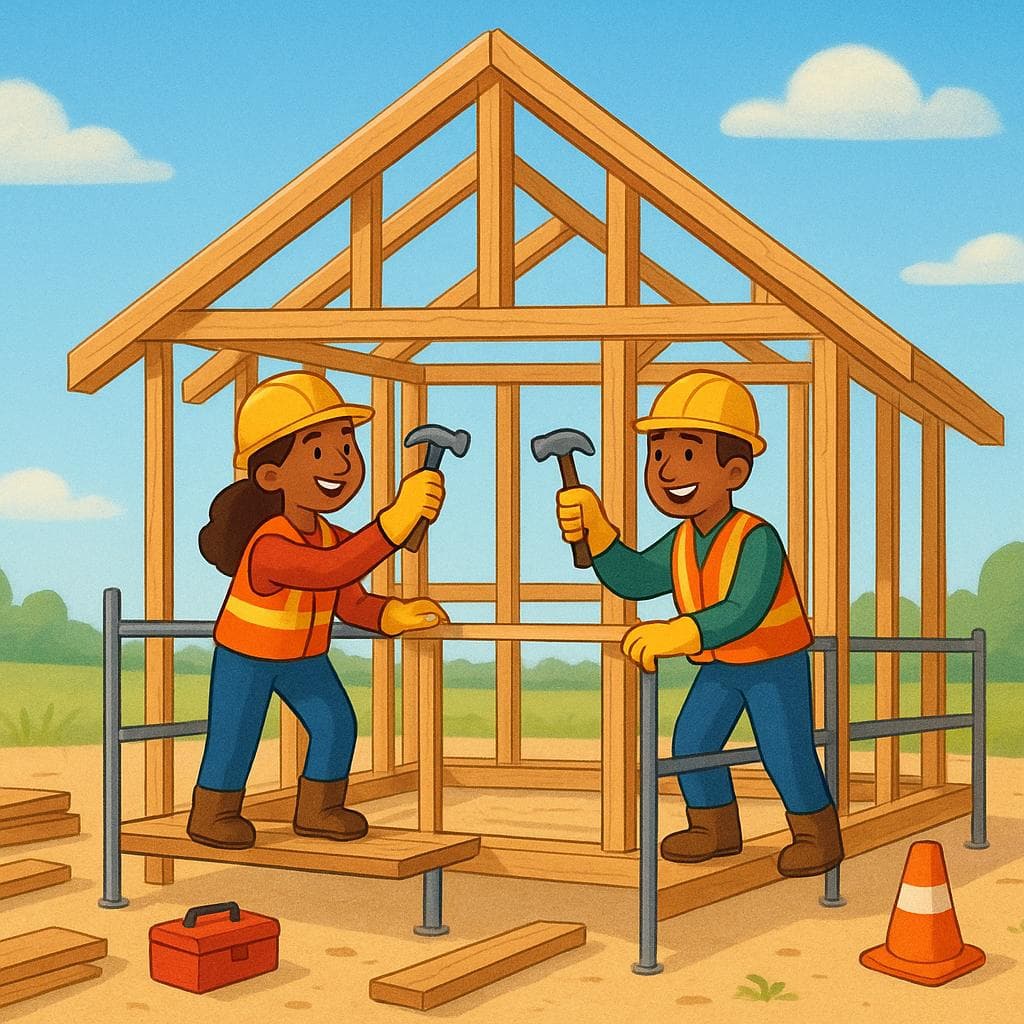
construction
“La construcción de este rascacielos duró tres años.”
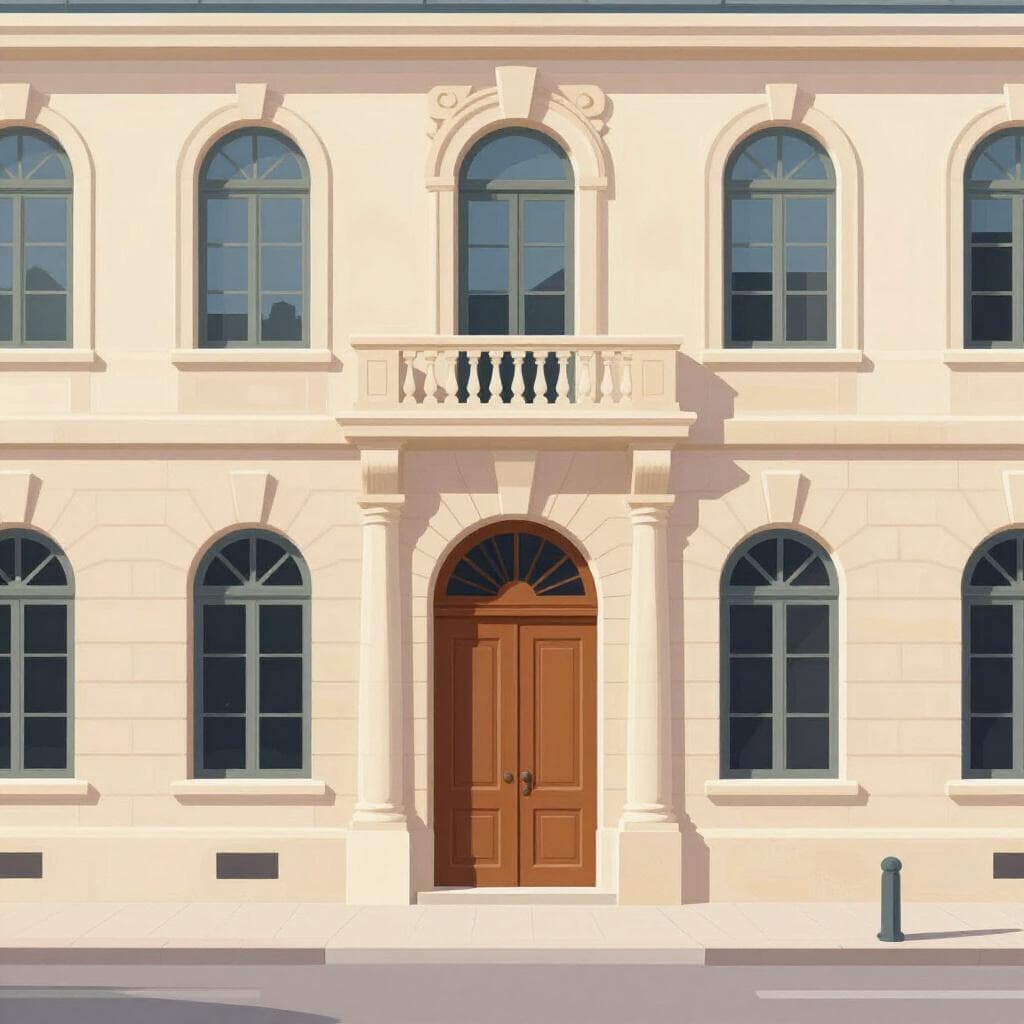
facade
“La fachada de la catedral es de estilo gótico.”

tow truck
“Llamé a la grúa porque mi coche se rompió.”

work
“Esta novela es su mejor obra hasta la fecha.”

solar
“El sistema solar incluye ocho planetas.”
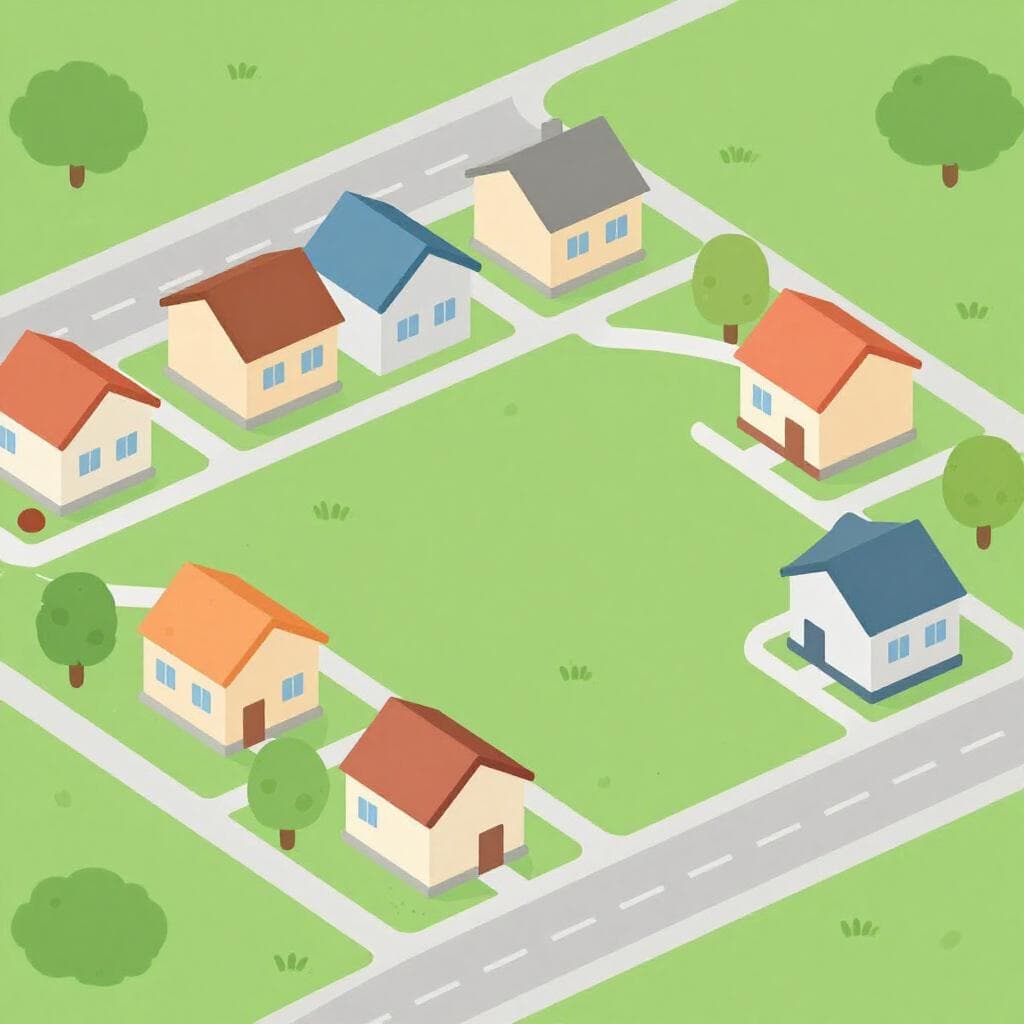
housing estate
“Vivo en una urbanización muy tranquila a las afueras de la ciudad.”
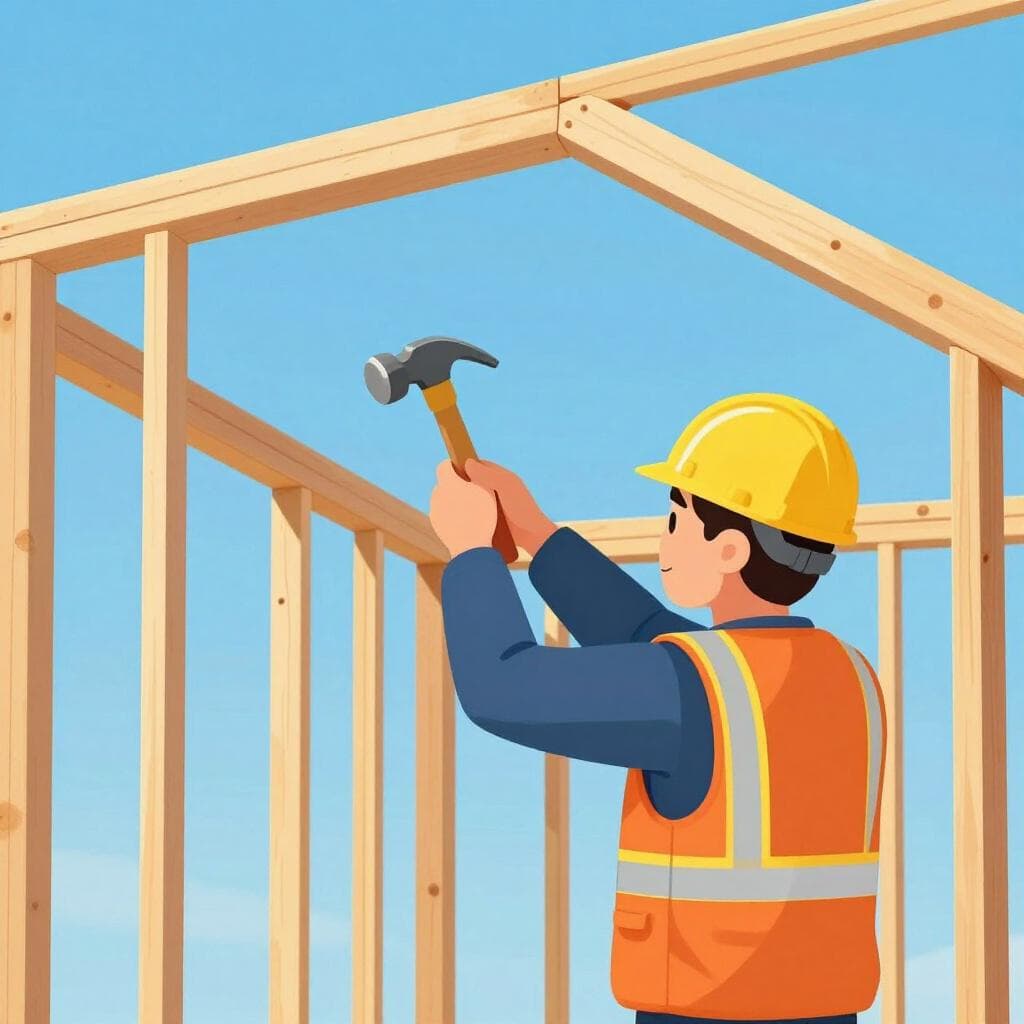
builder
“El constructor terminó la casa en seis meses.”
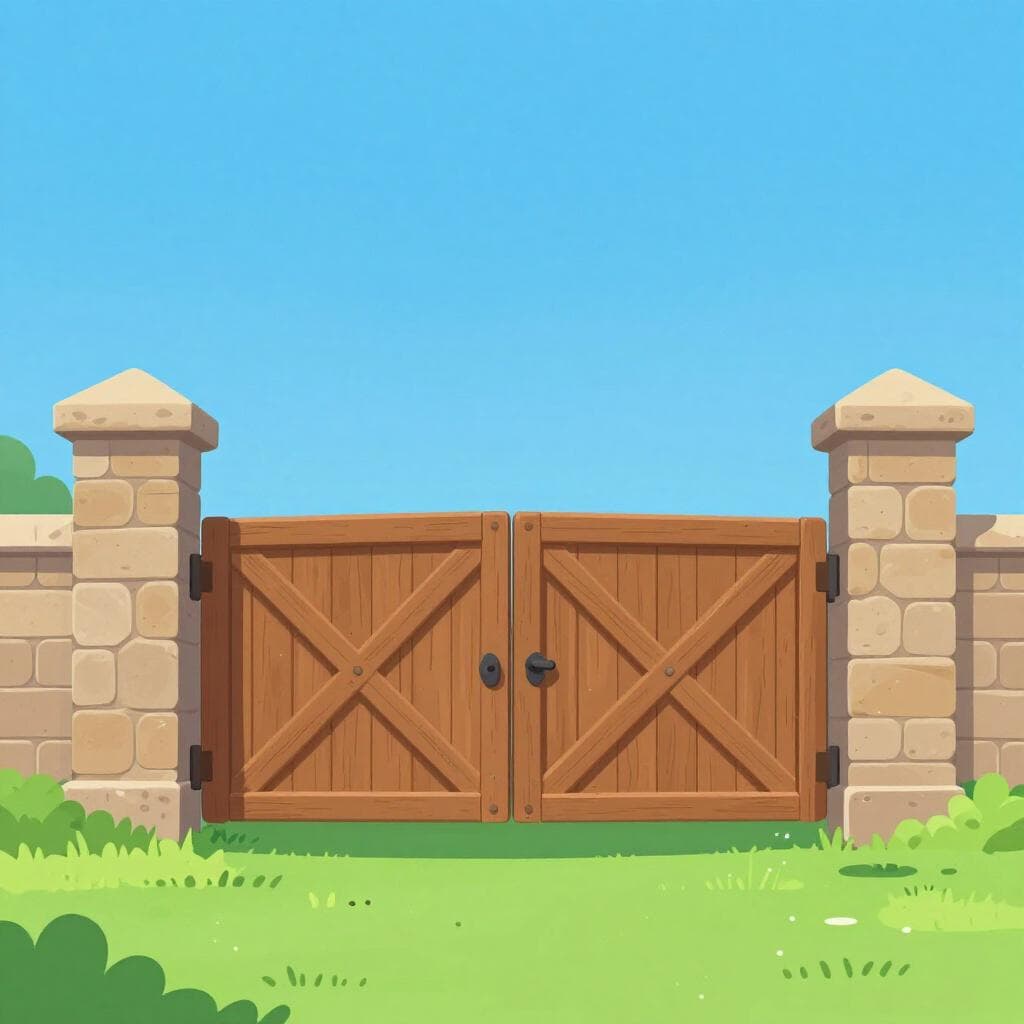
gate
“El portón del garaje es automático.”
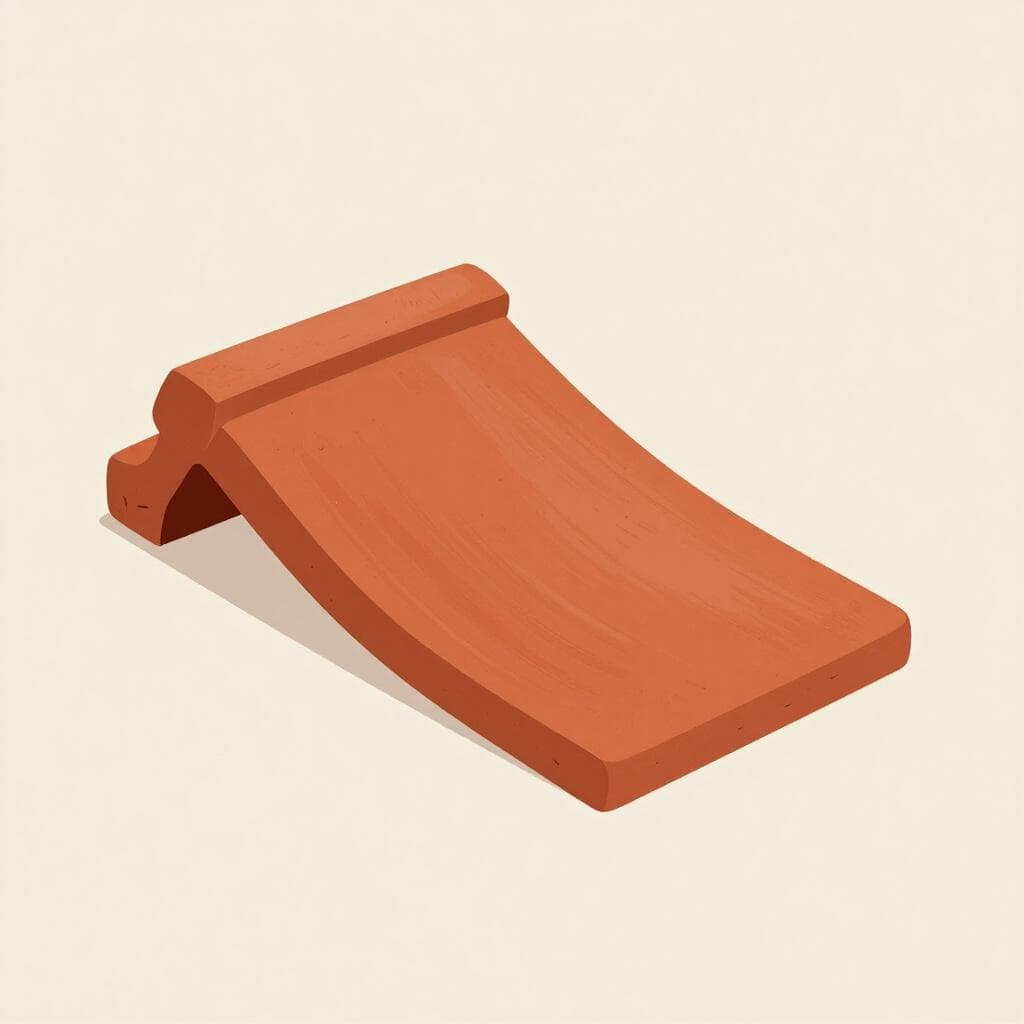
roof tile
“Mi abuelo está arreglando una teja rota en el tejado.”

roof
“El tejado de la iglesia es muy antiguo y necesita reparación.”

cast
“Tengo el brazo en yeso por seis semanas.”
B1 — Intermediate (9 words)
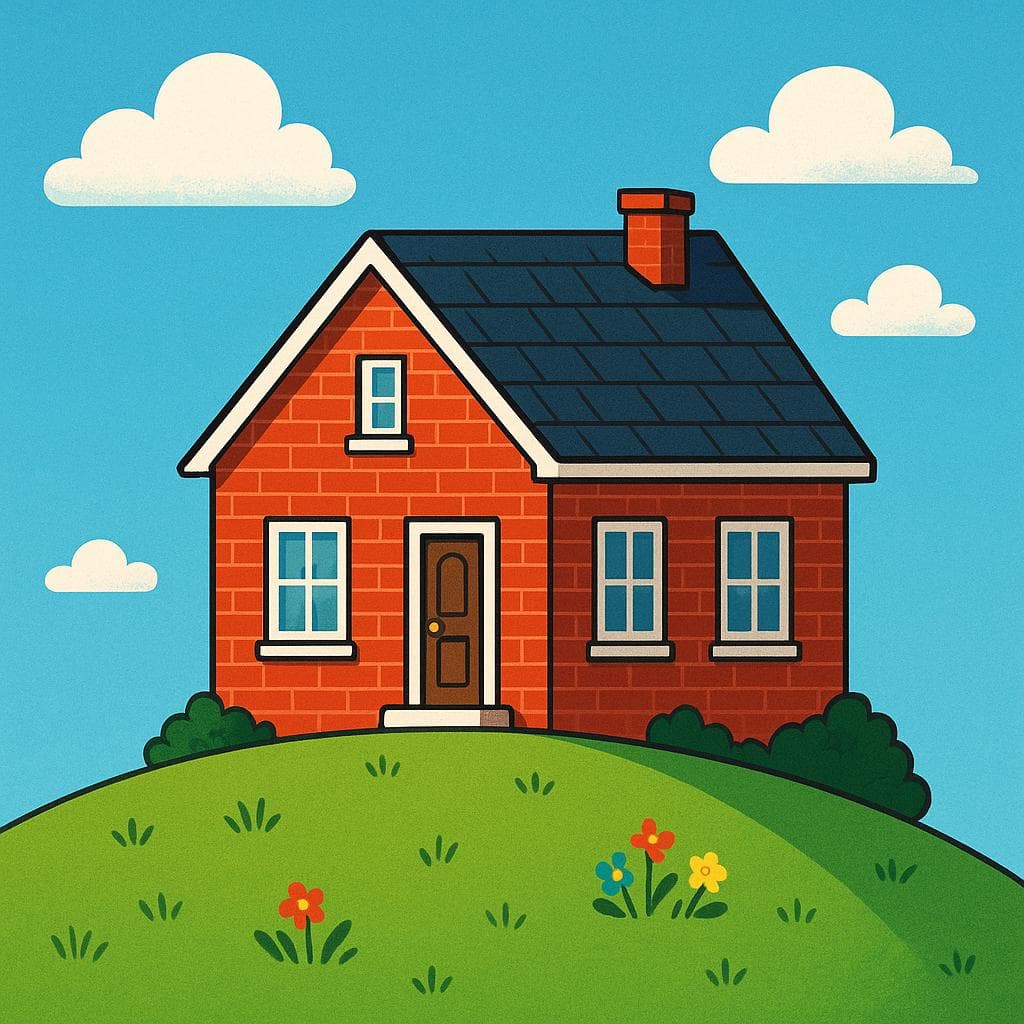
built
“El edificio construido en 1950 sigue siendo fuerte.”

infrastructure
“La ciudad necesita invertir más dinero en su infraestructura.”
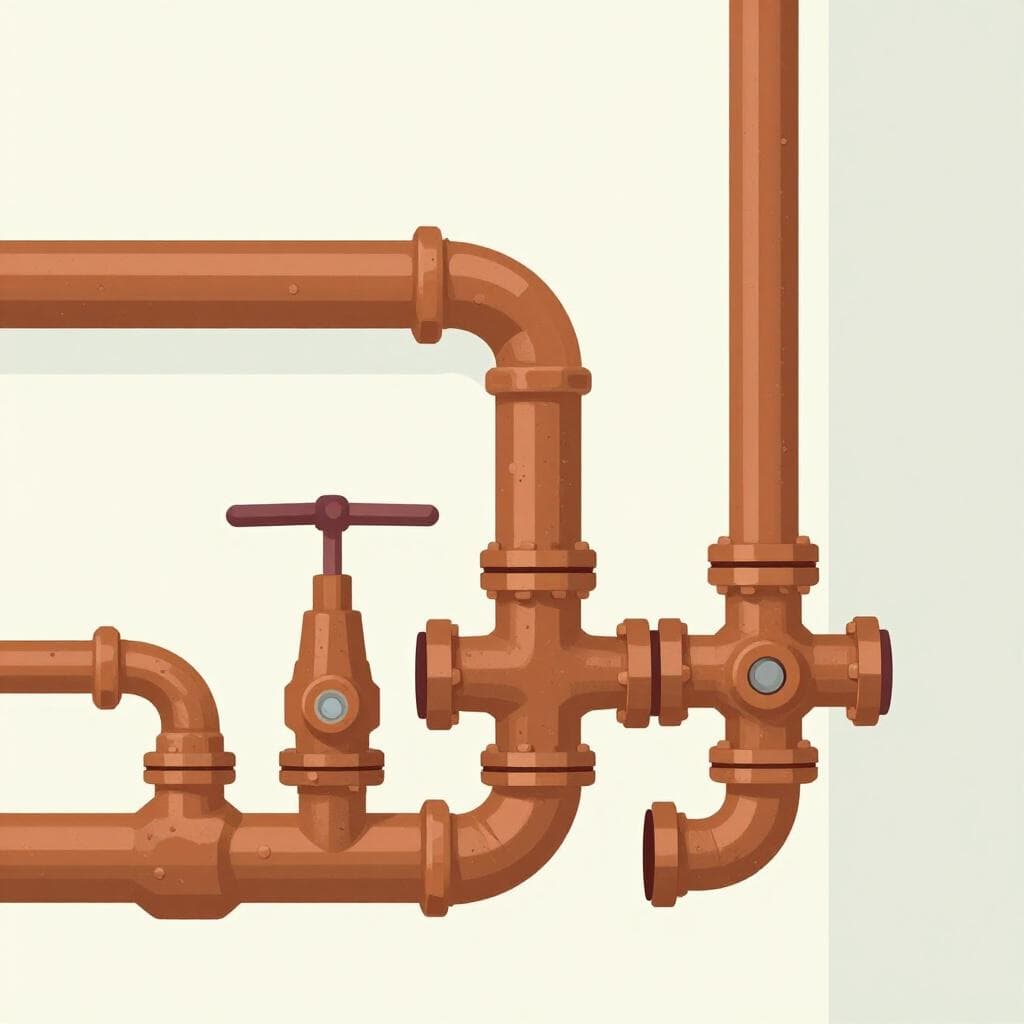
piping
“La tubería de la cocina está goteando.”
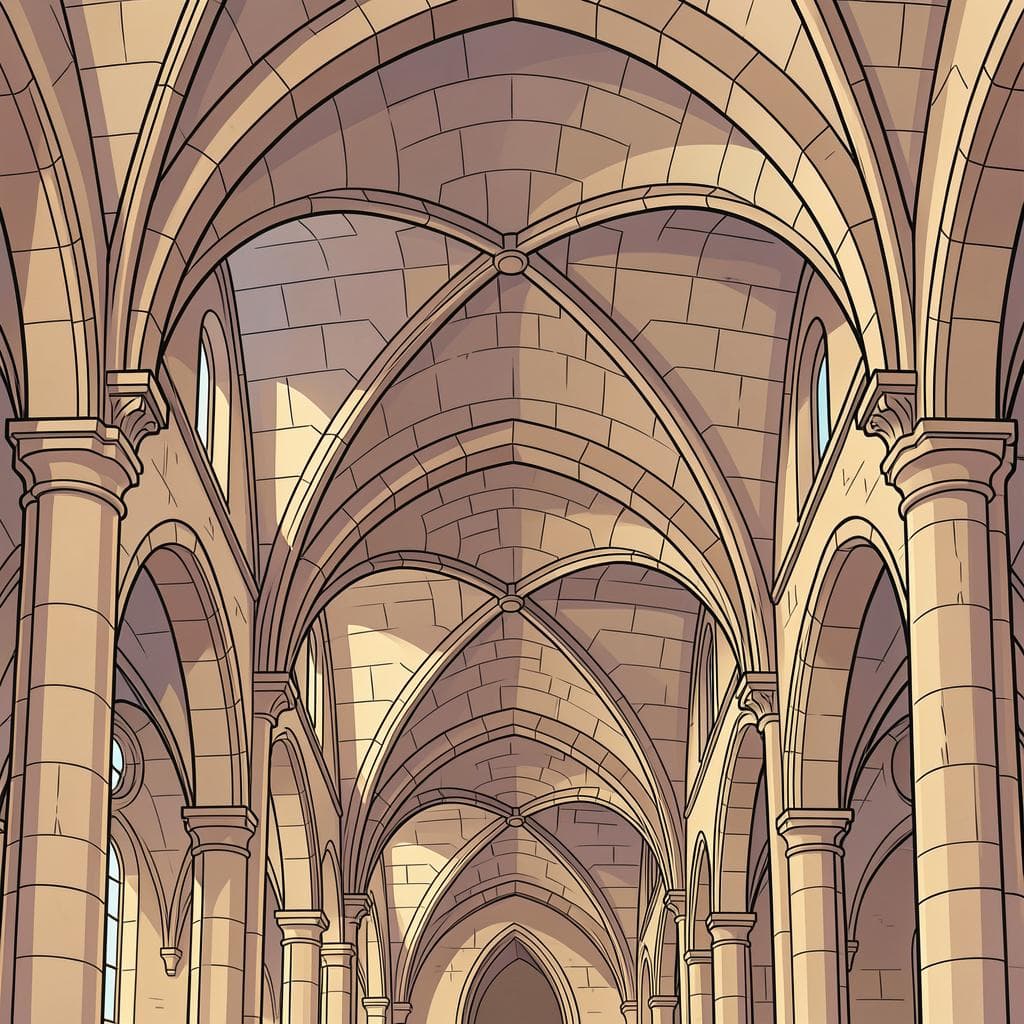
vault
“La catedral tiene una bóveda impresionante decorada con oro.”
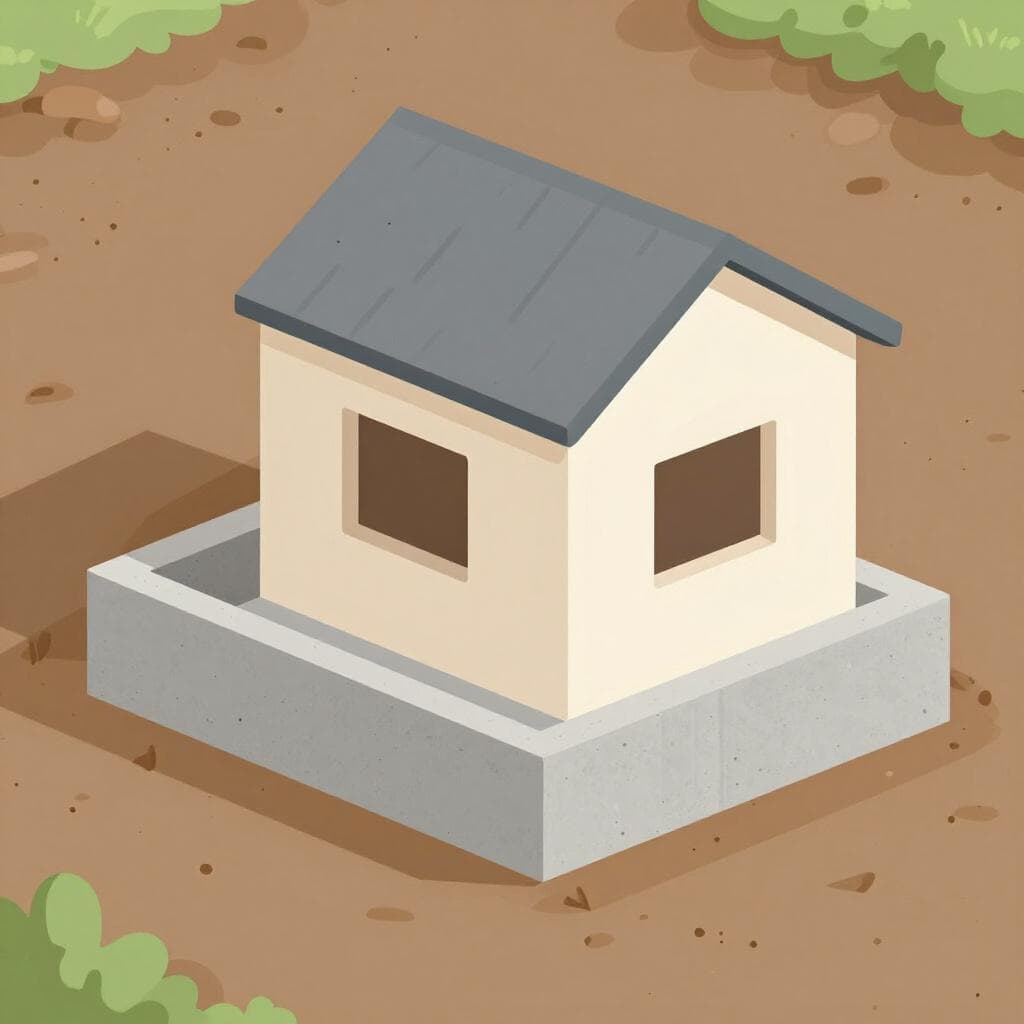
foundation
“Los obreros están terminando de poner los cimientos de la casa.”
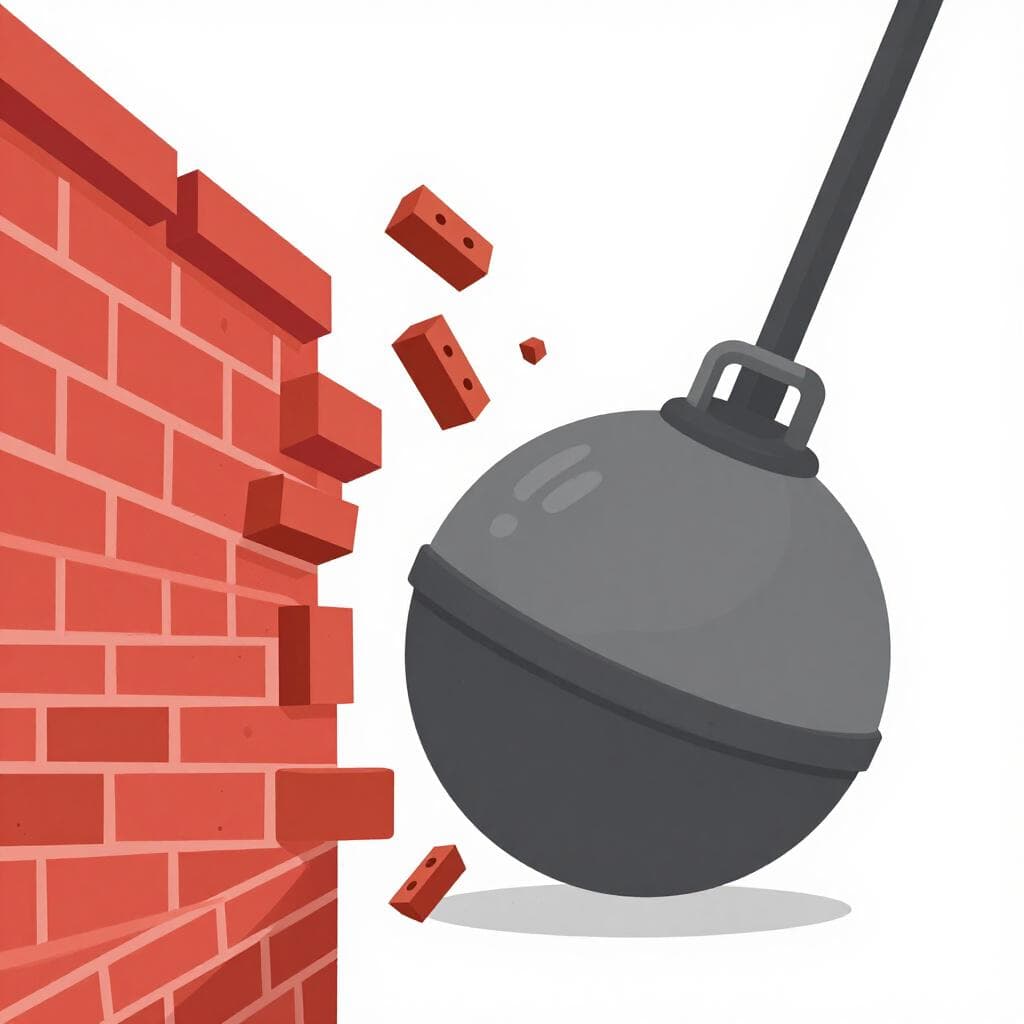
to demolish
“Van a demoler el viejo cine para construir un centro comercial.”
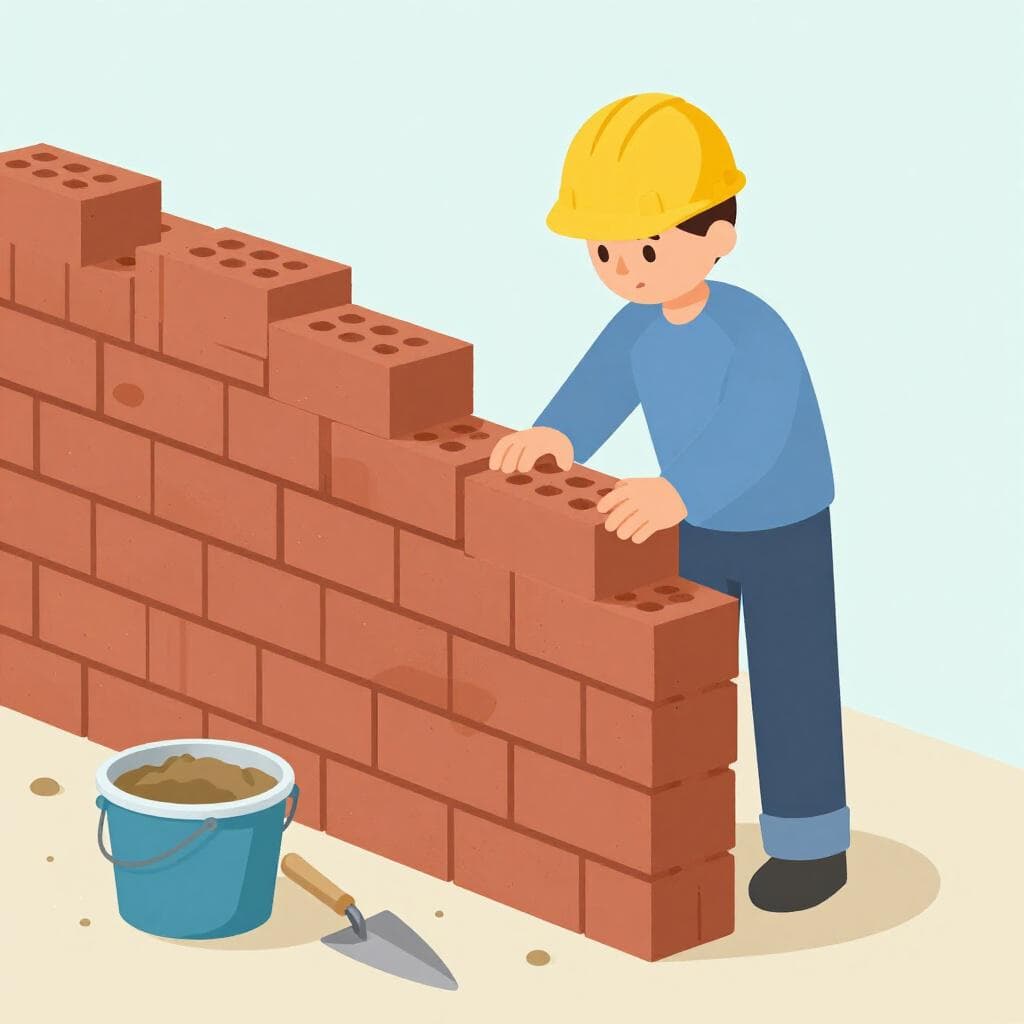
to build
“Los antiguos romanos decidieron edificar un gran templo en esta colina.”
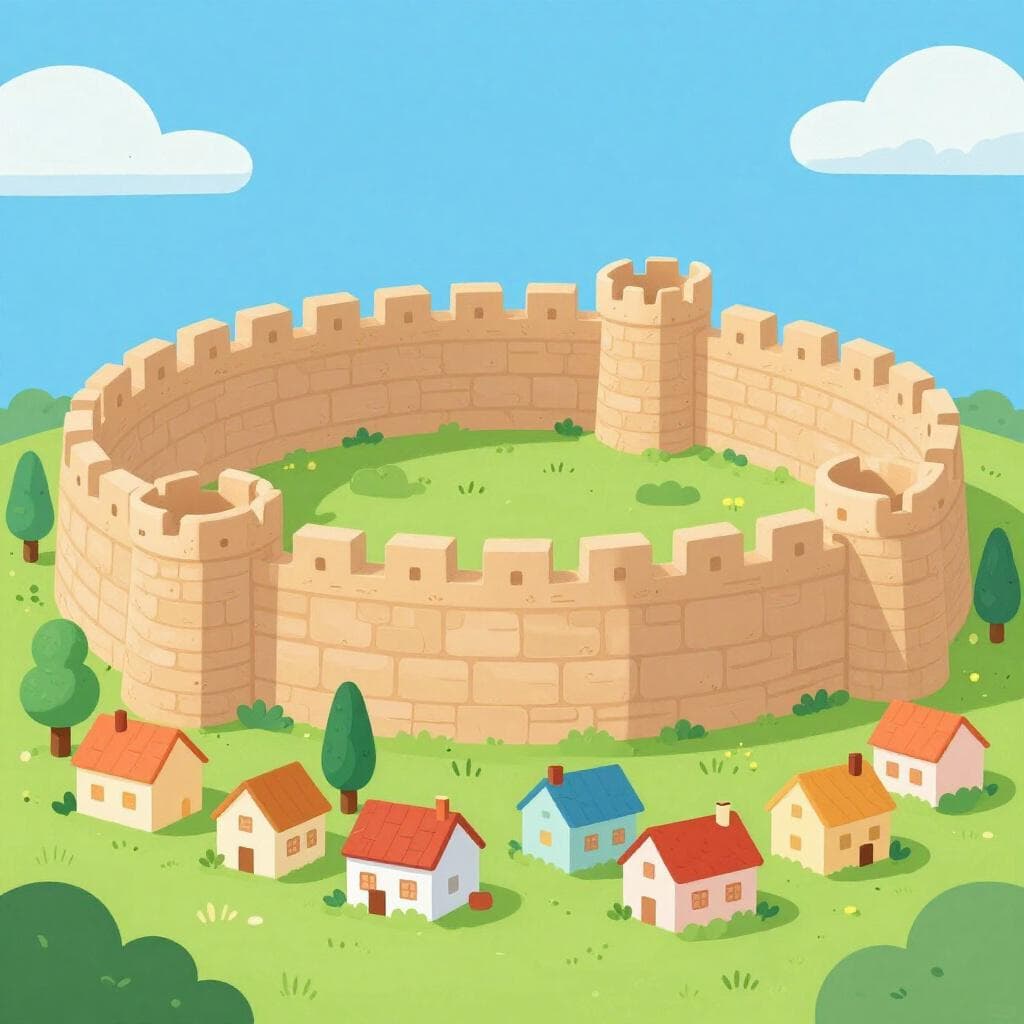
city wall
“La muralla de Ávila es una de las mejor conservadas del mundo.”
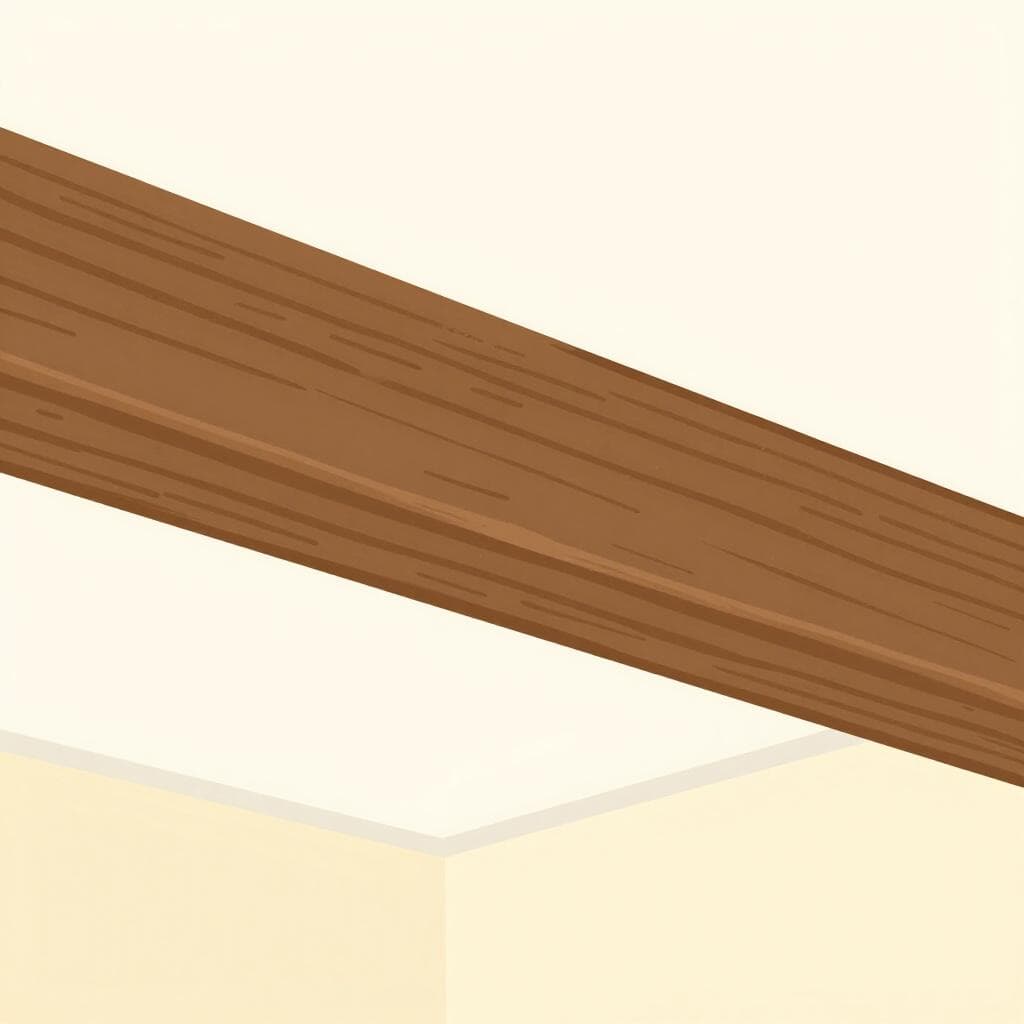
beam
“La casa tiene una viga de madera muy antigua.”
B2 — Upper Intermediate (1 words)

architectural
“El centro histórico tiene un gran valor arquitectónico.”
Grammar Tips
Gender and Number Agreement
Remember that nouns related to construction have gender (masculine/feminine) and number (singular/plural). Adjectives describing them must agree. For example, 'la casa construida' (the built house) is feminine singular, while 'los edificios altos' (the tall buildings) is masculine plural.
Verb Conjugation for Actions
Verbs like 'construir' (to build) and 'demoler' (to demolish) change their endings based on who is performing the action and when. For instance, 'Yo construyo' means 'I build,' while 'Ellos construyeron' means 'They built.'
Common Suffixes
Look out for suffixes like '-ción' (construction, 'construcción') and '-ero' (related to, like 'albañilero' for bricklayer, though 'albañil' is more common). These can help you guess the meaning of related words.
Common Mistakes
Adjective Placement
Mistake: “La construida casa es grande.”
Correction: La casa construida es grande. — In Spanish, descriptive adjectives like 'construida' (built) usually follow the noun they modify.
Verb Tense
Mistake: “Ayer, yo construo mi casa.”
Correction: Ayer, yo construí mi casa. — The past tense (preterite) is needed for a completed action in the past ('ayer' means yesterday), not the present tense 'construyo'.
Plural Agreement
Mistake: “Las fachada son bonitas.”
Correction: Las fachadas son bonitas. — The noun 'fachada' (facade) needs to be plural ('fachadas') to agree with the plural adjective 'bonitas' (pretty) and the plural verb 'son' (are).
Cultural Notes
Varying Architectural Styles
From the Moorish influence in southern Spain to modern skyscrapers in Latin American cities like Mexico City or Santiago, architectural styles vary greatly. Recognizing these differences can enrich your travel experiences and conversations.
Importance of 'la obra'
In many Spanish-speaking countries, 'la obra' refers to a construction site or ongoing construction work. You'll often see signs for 'Obras en curso' (Works in progress), indicating ongoing activity.