Tools & Hardware in Spanish
This vocabulary list covers essential tools and hardware, from simple nails and hooks to more complex tools. Knowing these words is super useful for DIY projects, understanding instructions, or even just talking about home repairs. Spanish often uses feminine endings for tools that might be masculine in English, so pay attention to gender!
Quick Reference
| Spanish | English | Example | Level |
|---|---|---|---|
aguja | needle | Perdí la aguja y ahora no puedo coser el pantalón. | A1 |
bomba | bomb | La policía encontró una bomba escondida debajo del coche. | A2 |
cepillo | brush | Perdí mi cepillo de dientes en el viaje. | A1 |
clavo | nail | Necesito un martillo y un clavo para colgar este cuadro. | A1 |
cordón | shoelace | Tengo que atarme el cordón del zapato. | A1 |
cuchilla | razor | Necesito una cuchilla nueva porque esta ya no corta bien. | A2 |
gancho | hook | Cuelga tu chaqueta en el gancho detrás de la puerta. | A2 |
hacha | axe | El leñador afiló el hacha antes de ir al bosque. | A1 |
herramienta | tool | El martillo es una herramienta muy útil. | A1 |
instrumento | tool | Necesito un instrumento para medir la temperatura del agua. | A1 |
llave | key | Perdí la llave de mi casa y no puedo entrar. | A1 |
llaves | keys | ¿Tienes mis llaves del coche? | A1 |
A1 — Beginner (14 words)
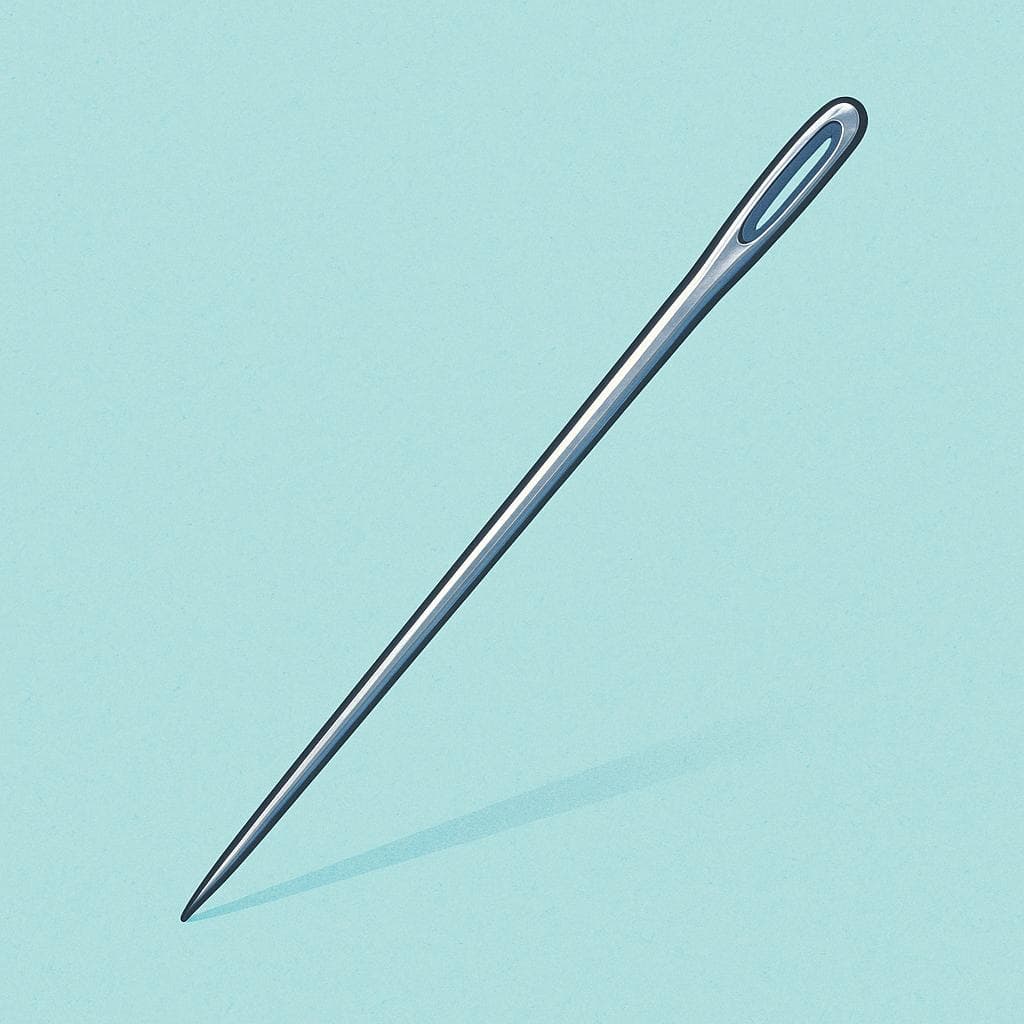
needle
“Perdí la aguja y ahora no puedo coser el pantalón.”
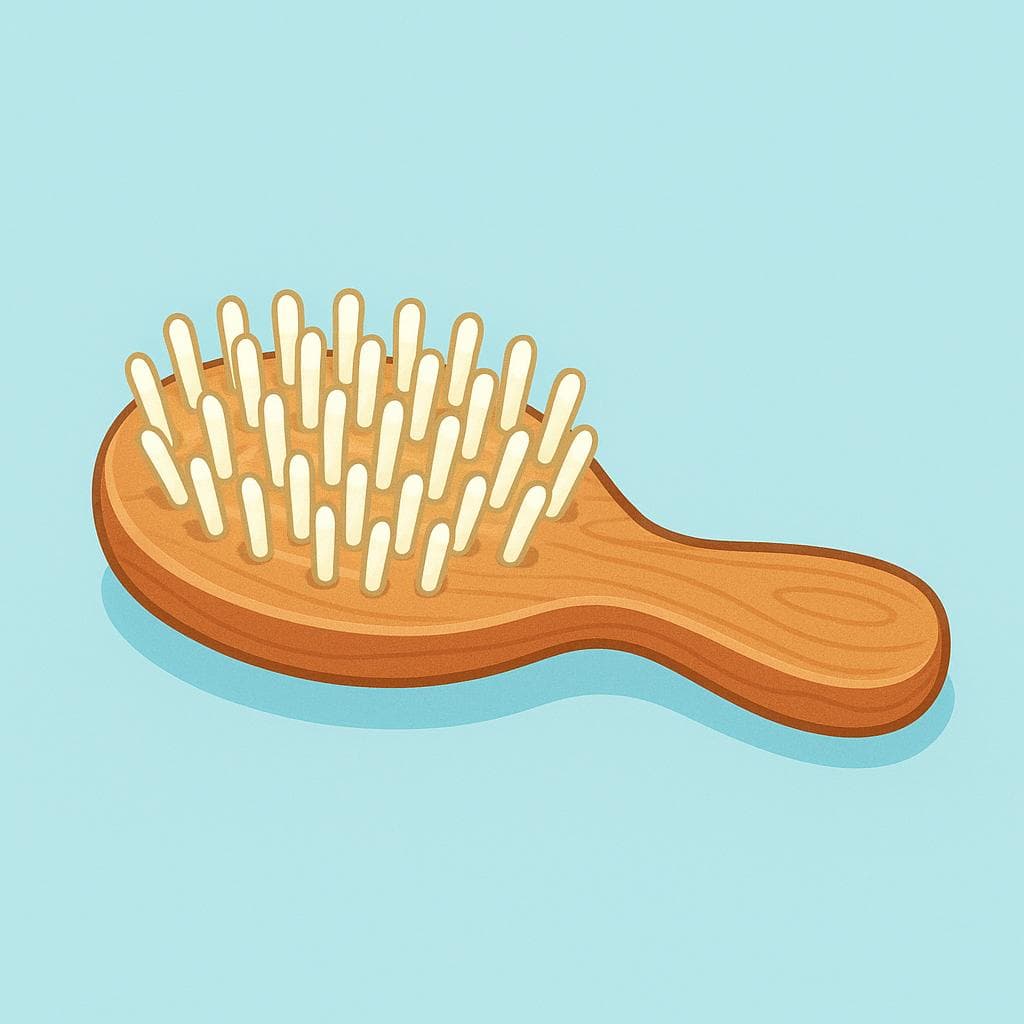
brush
“Perdí mi cepillo de dientes en el viaje.”
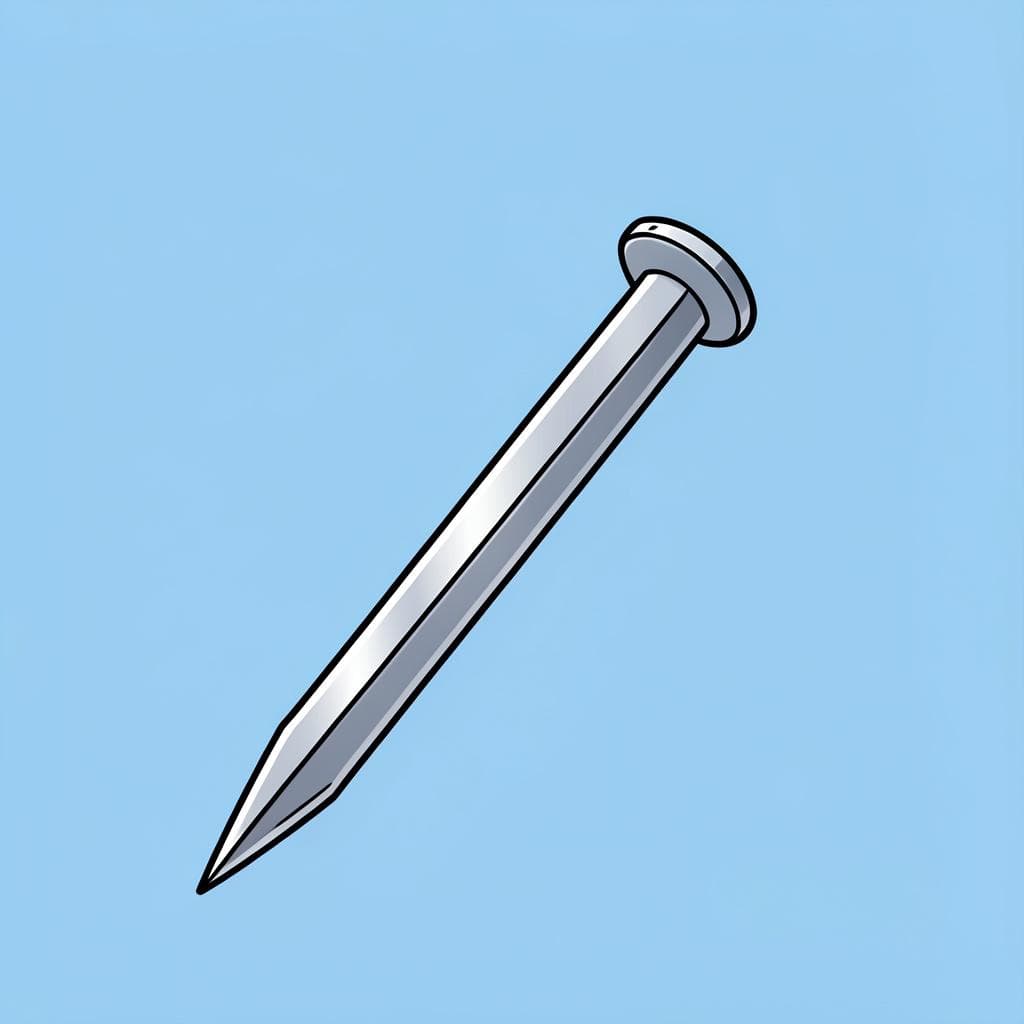
nail
“Necesito un martillo y un clavo para colgar este cuadro.”
shoelace
“Tengo que atarme el cordón del zapato.”
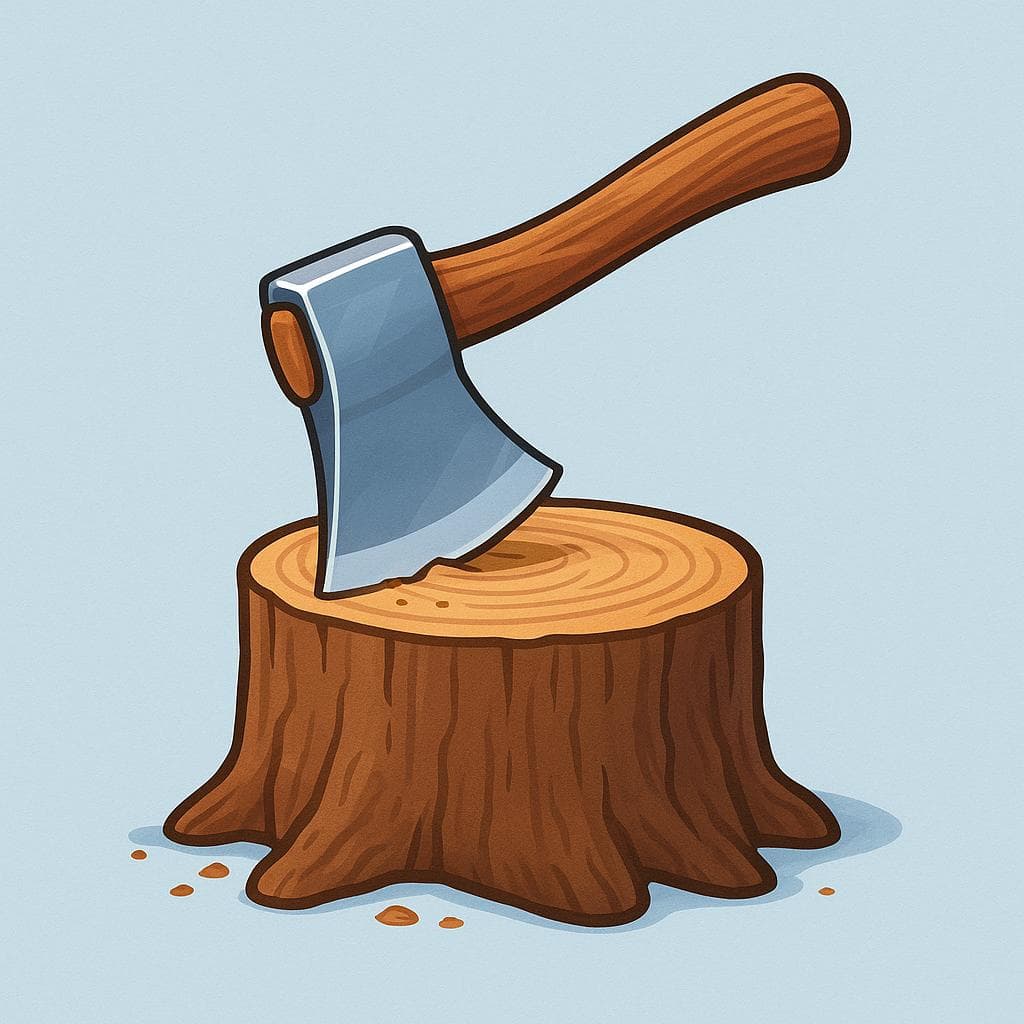
axe
“El leñador afiló el hacha antes de ir al bosque.”
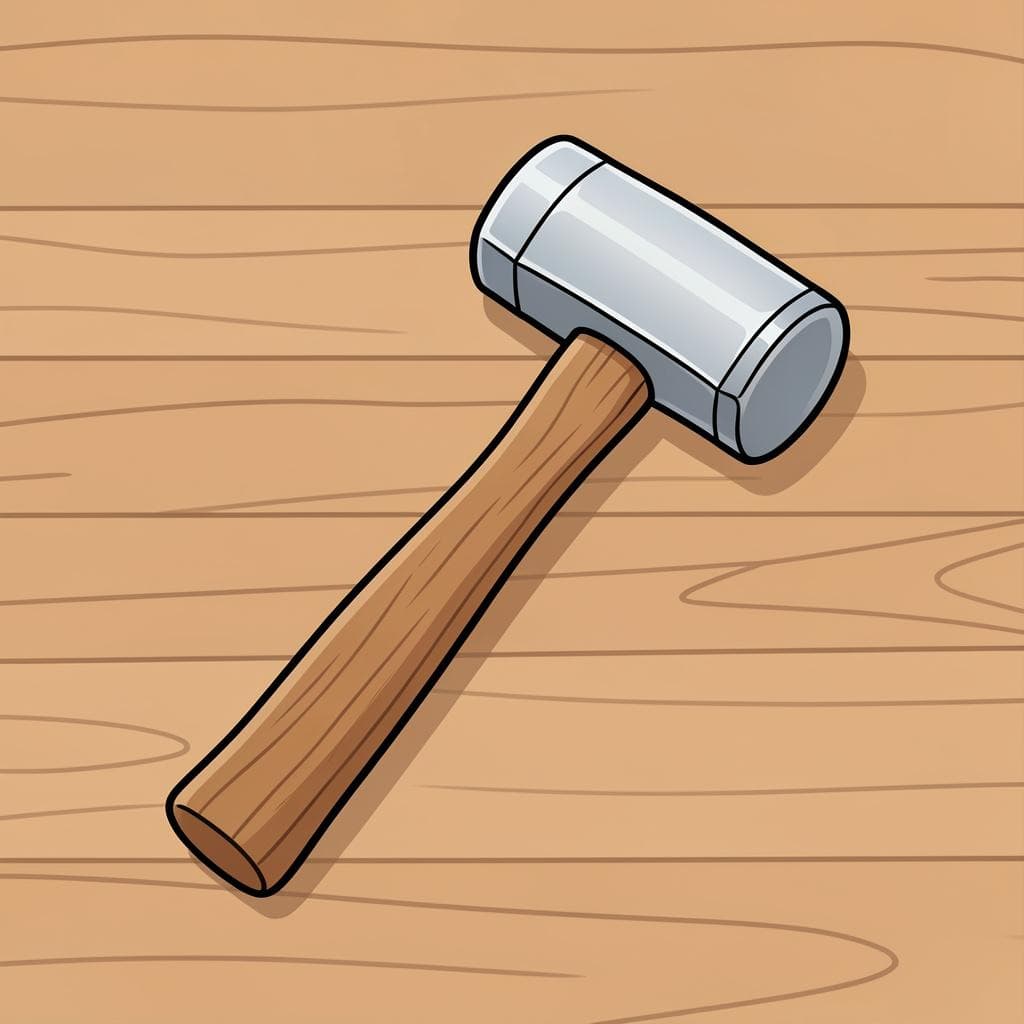
tool
“El martillo es una herramienta muy útil.”
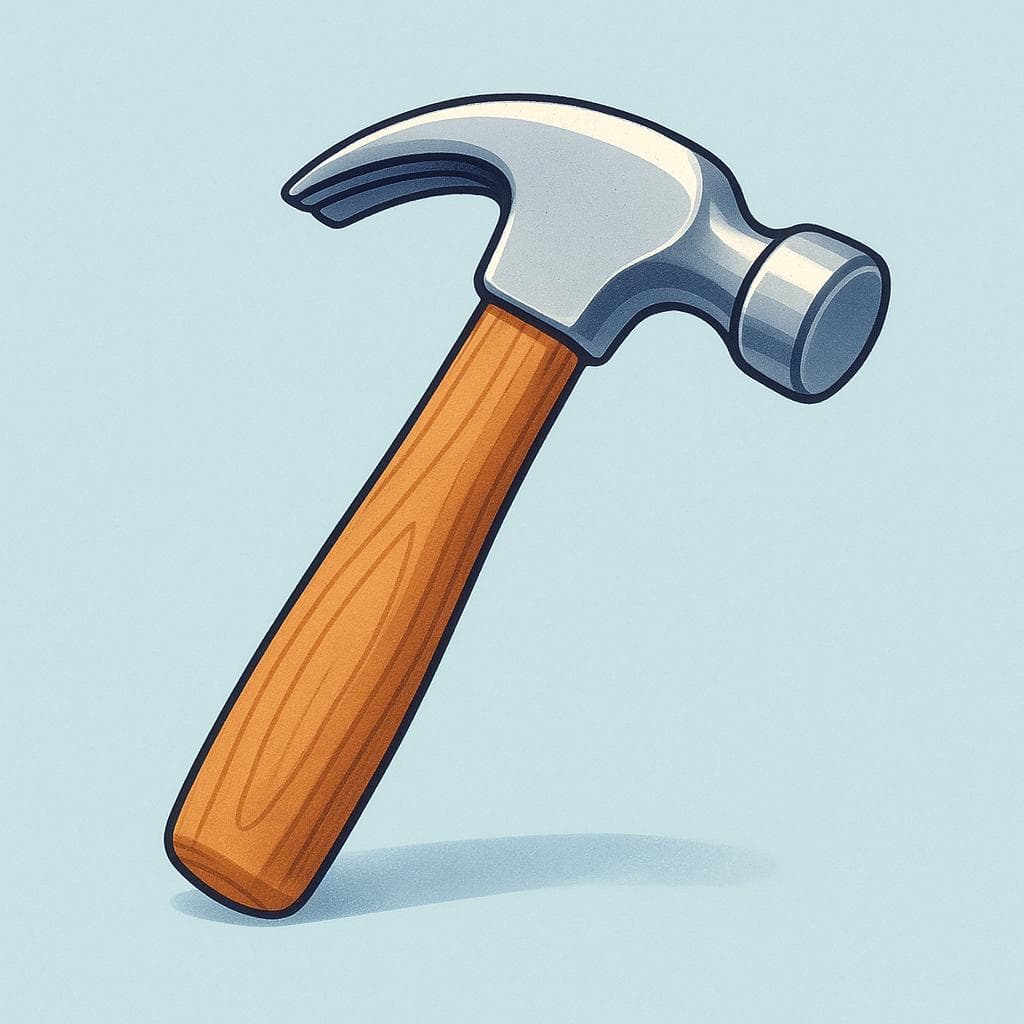
tool
“Necesito un instrumento para medir la temperatura del agua.”
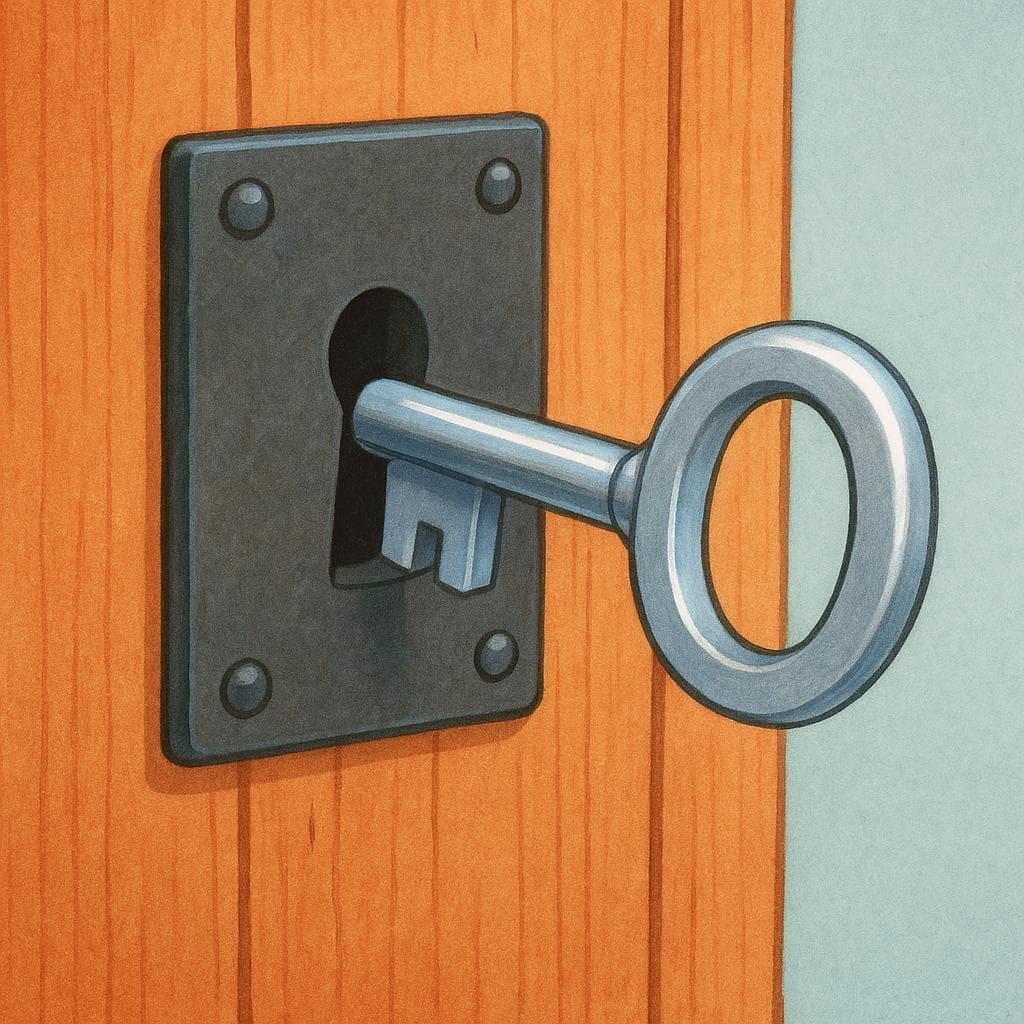
key
“Perdí la llave de mi casa y no puedo entrar.”

keys
“¿Tienes mis llaves del coche?”
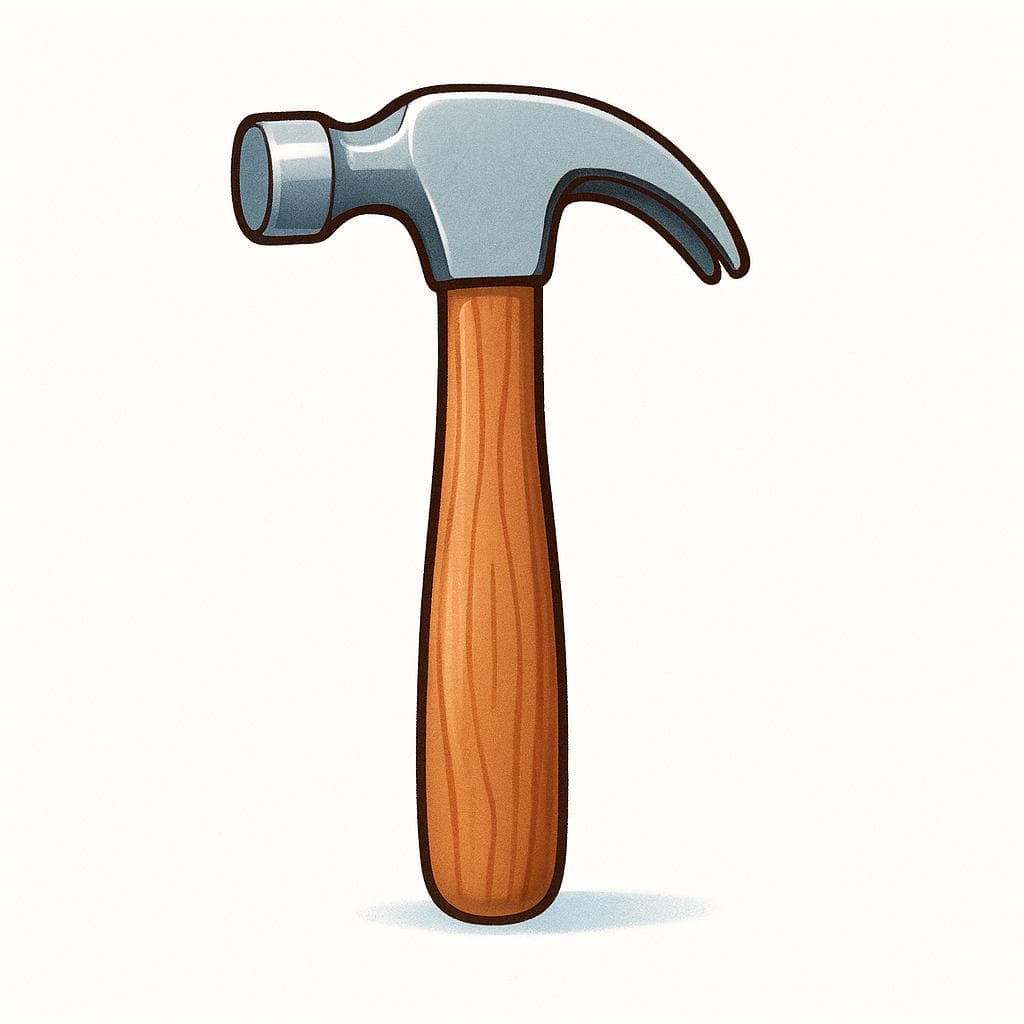
hammer
“Pásame el martillo, por favor. Quiero colgar este cuadro.”
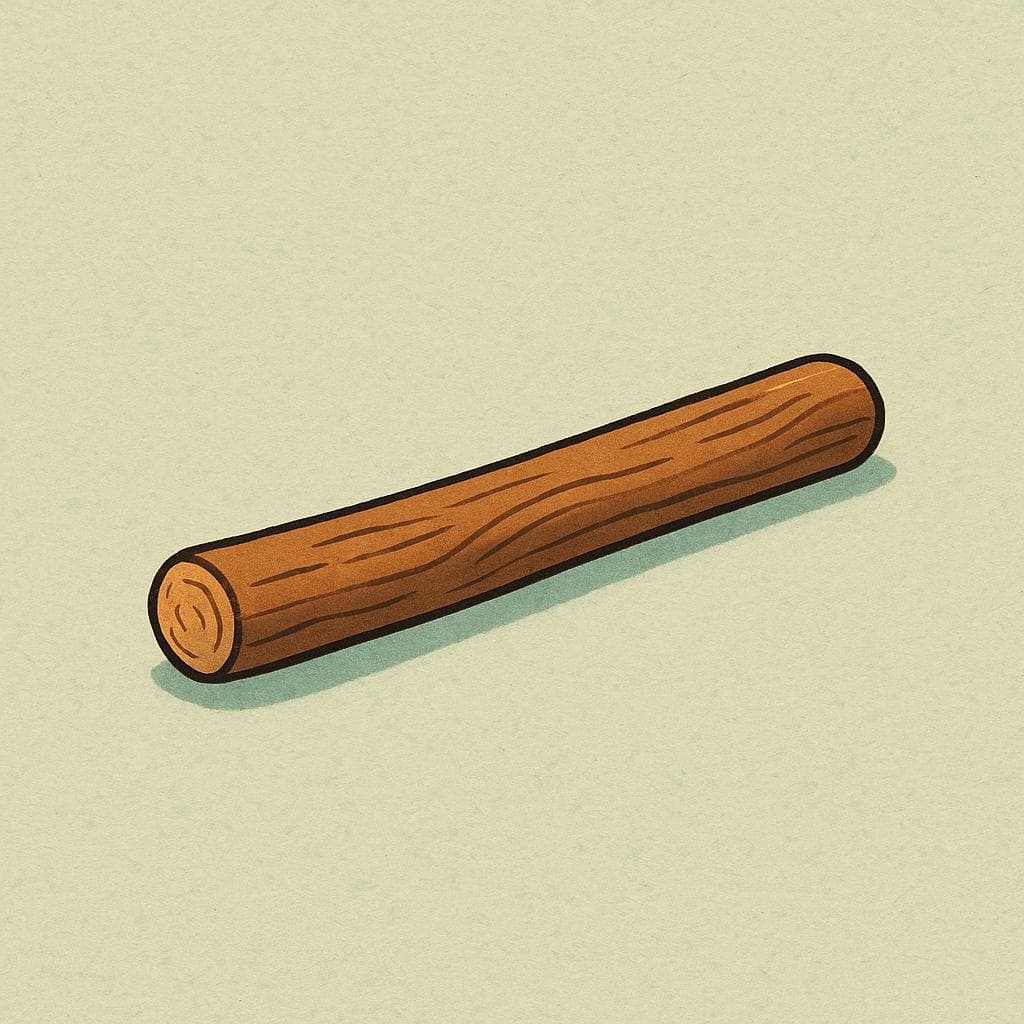
stick
“El perro siempre trae un palo grande del parque.”
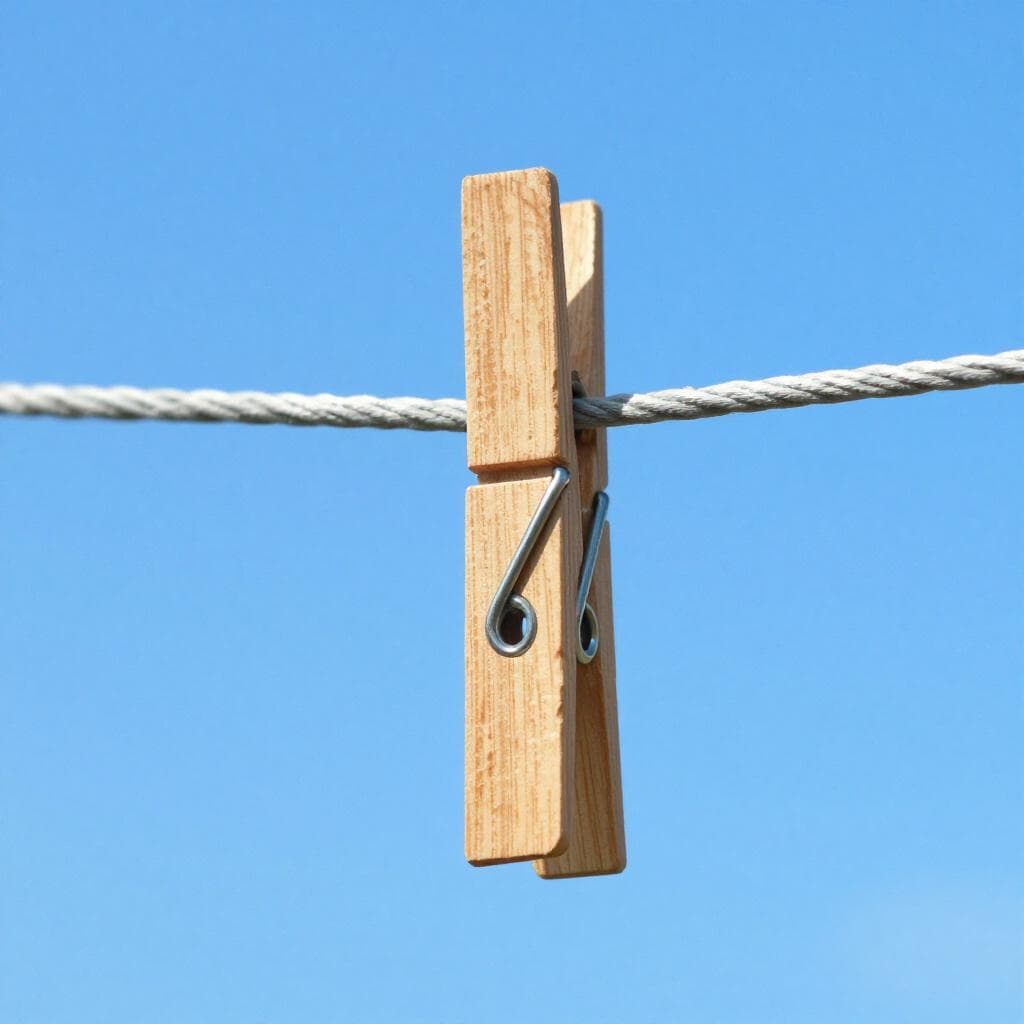
clothespin
“Necesito una pinza para cerrar la bolsa de patatas.”
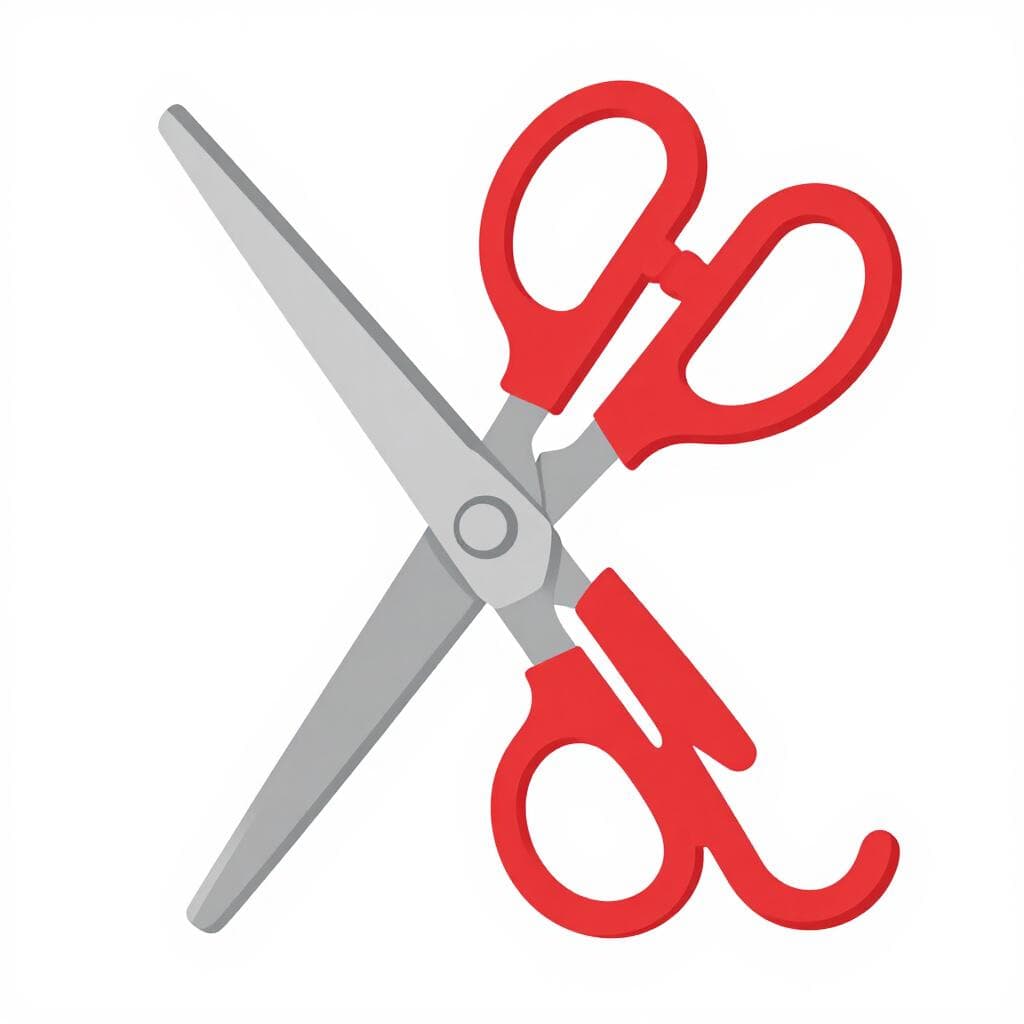
scissors
“Necesito una tijera para terminar mi tarea de arte.”
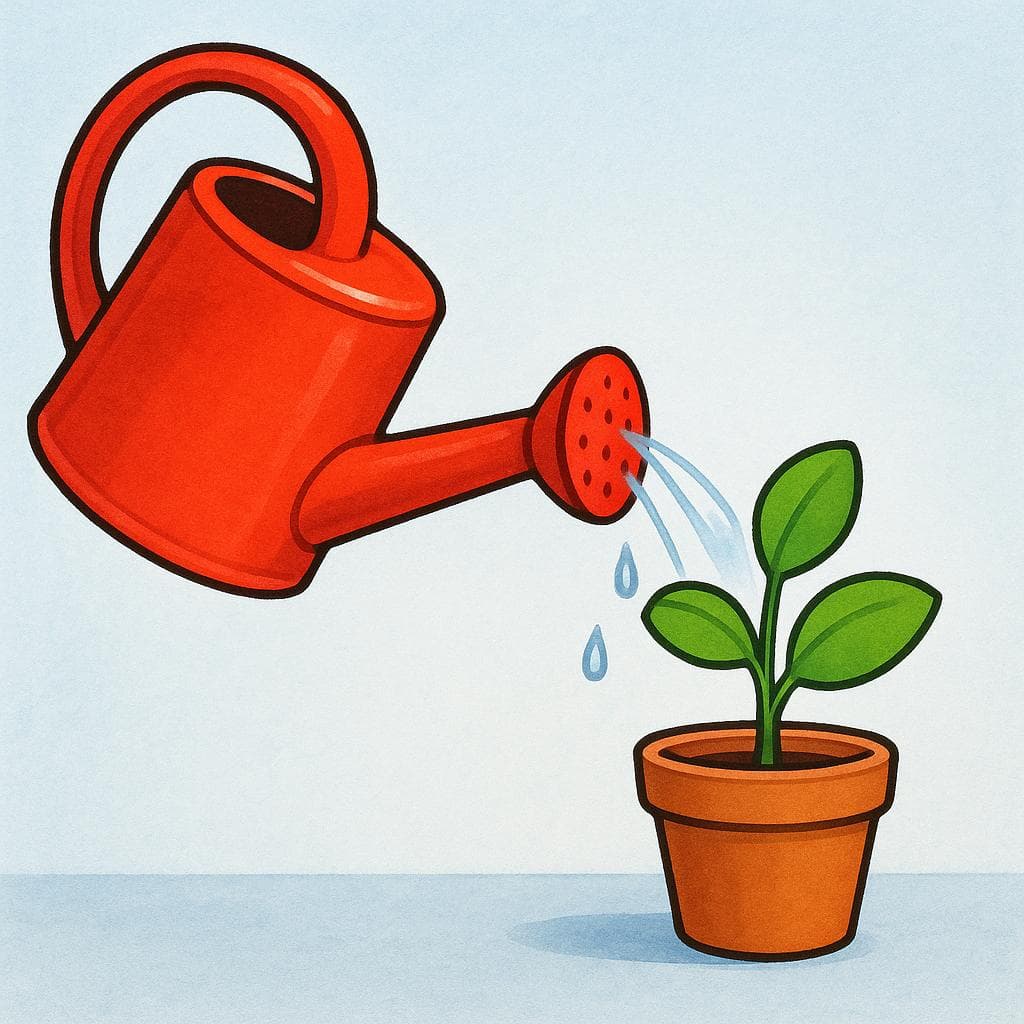
useful
“Este diccionario es muy útil para los estudiantes de español.”
A2 — Elementary (9 words)
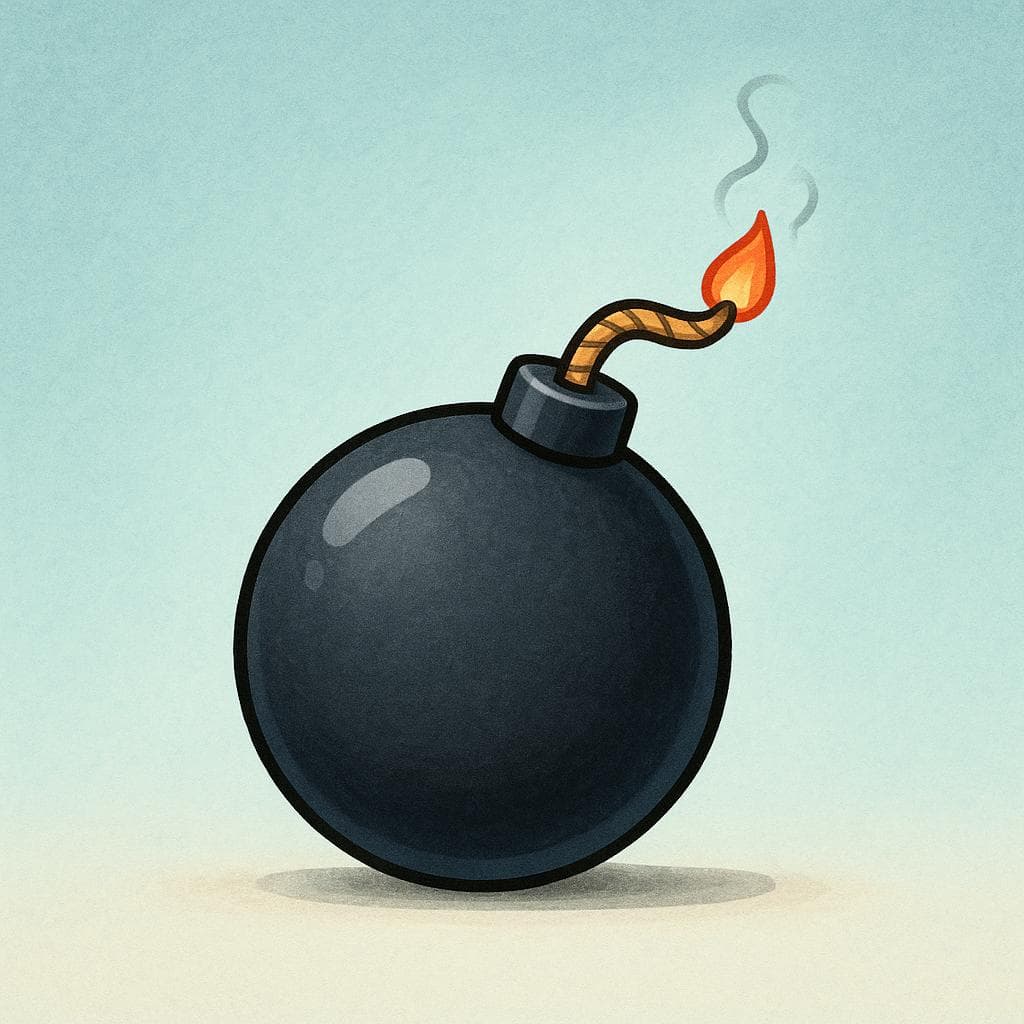
bomb
“La policía encontró una bomba escondida debajo del coche.”
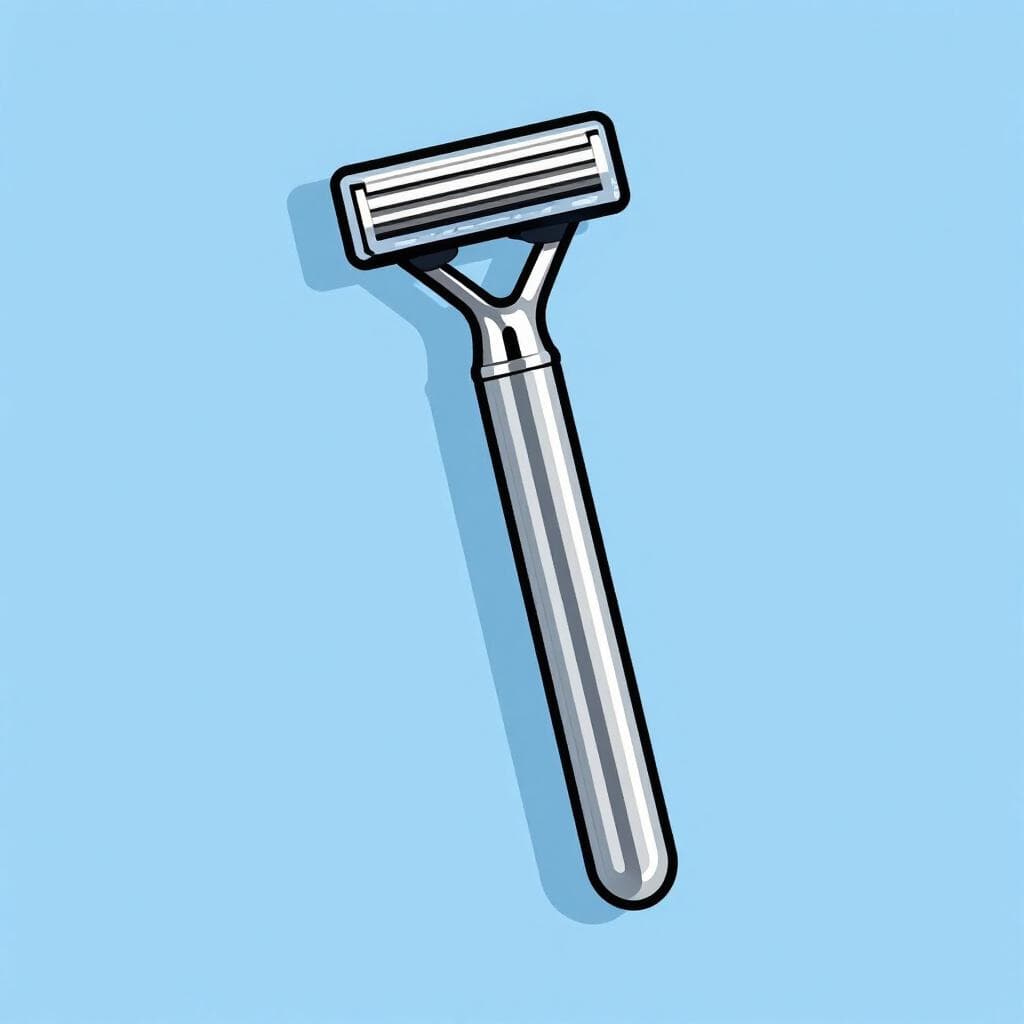
razor
“Necesito una cuchilla nueva porque esta ya no corta bien.”
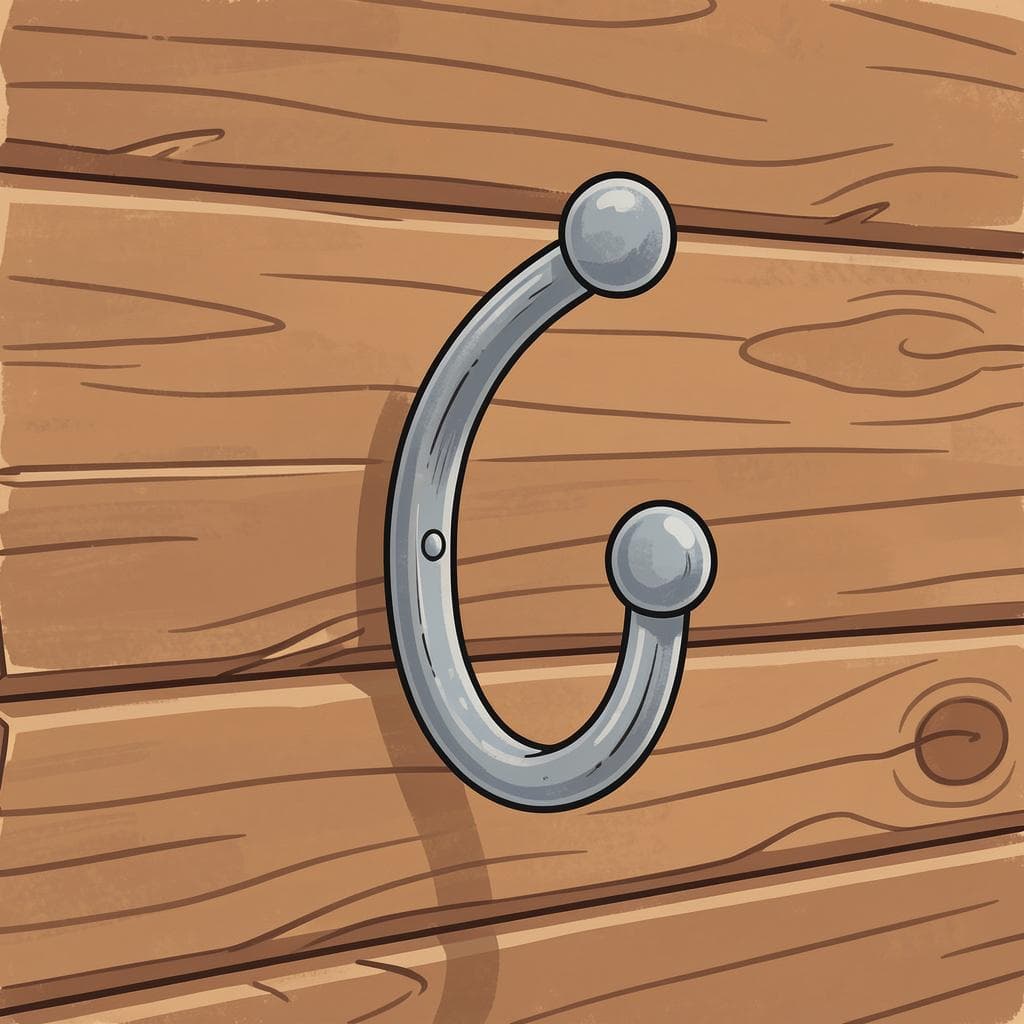
hook
“Cuelga tu chaqueta en el gancho detrás de la puerta.”
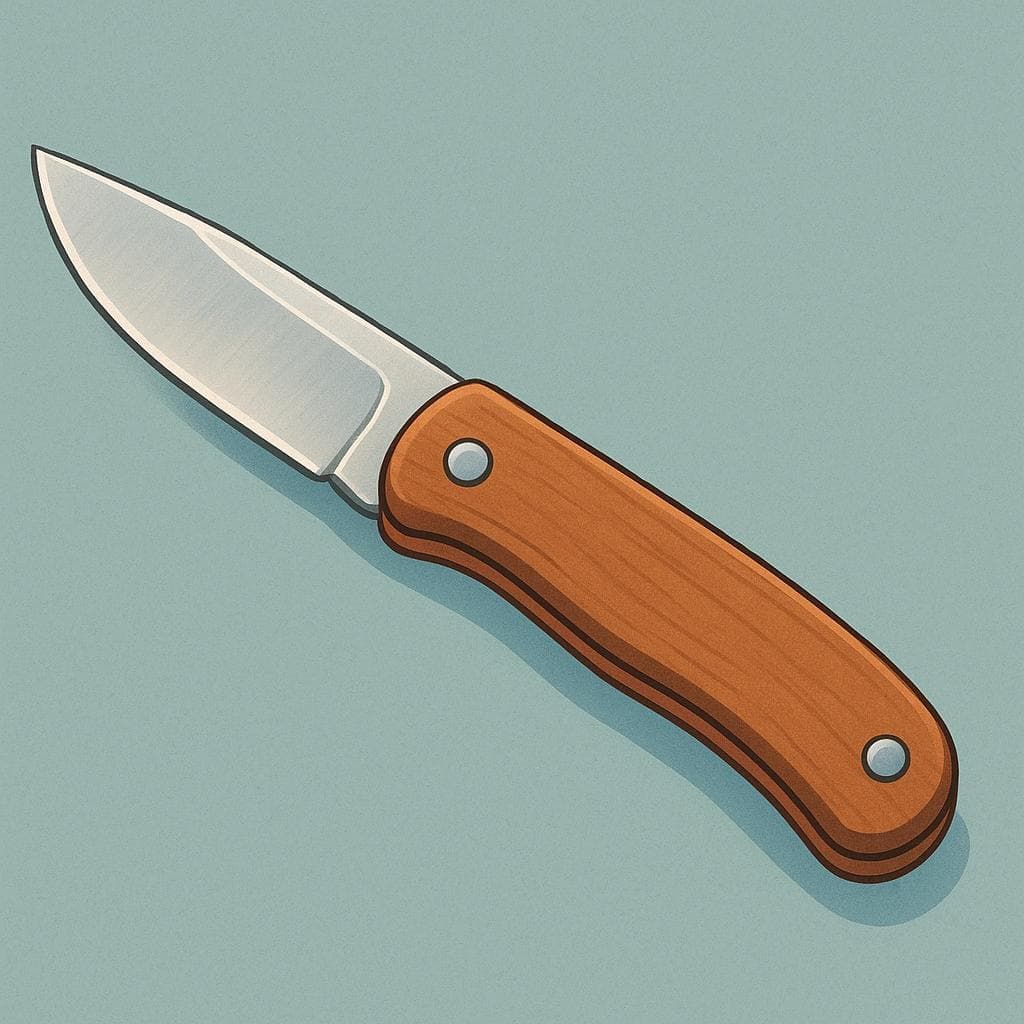
pocket knife
“Perdí mi navaja suiza en el bosque.”
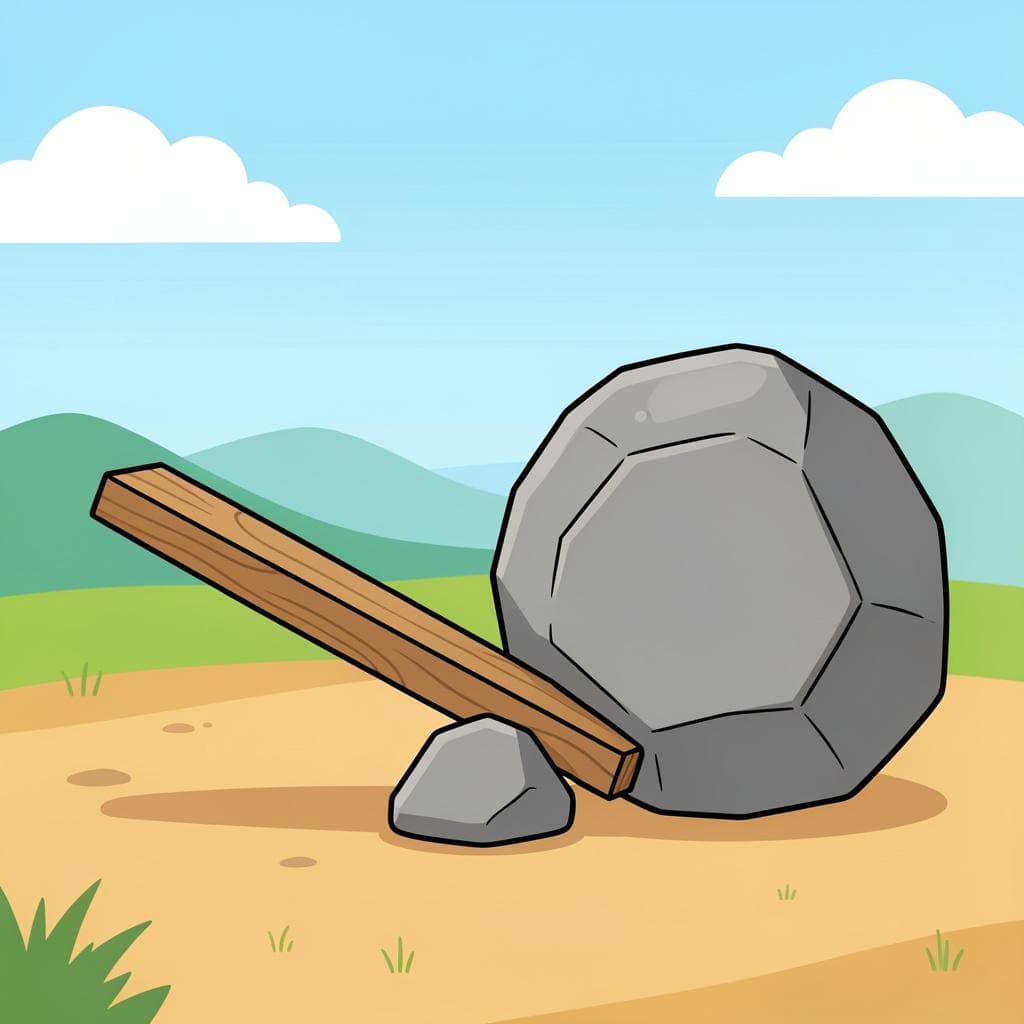
lever
“Necesitamos una palanca para mover esta piedra tan pesada.”
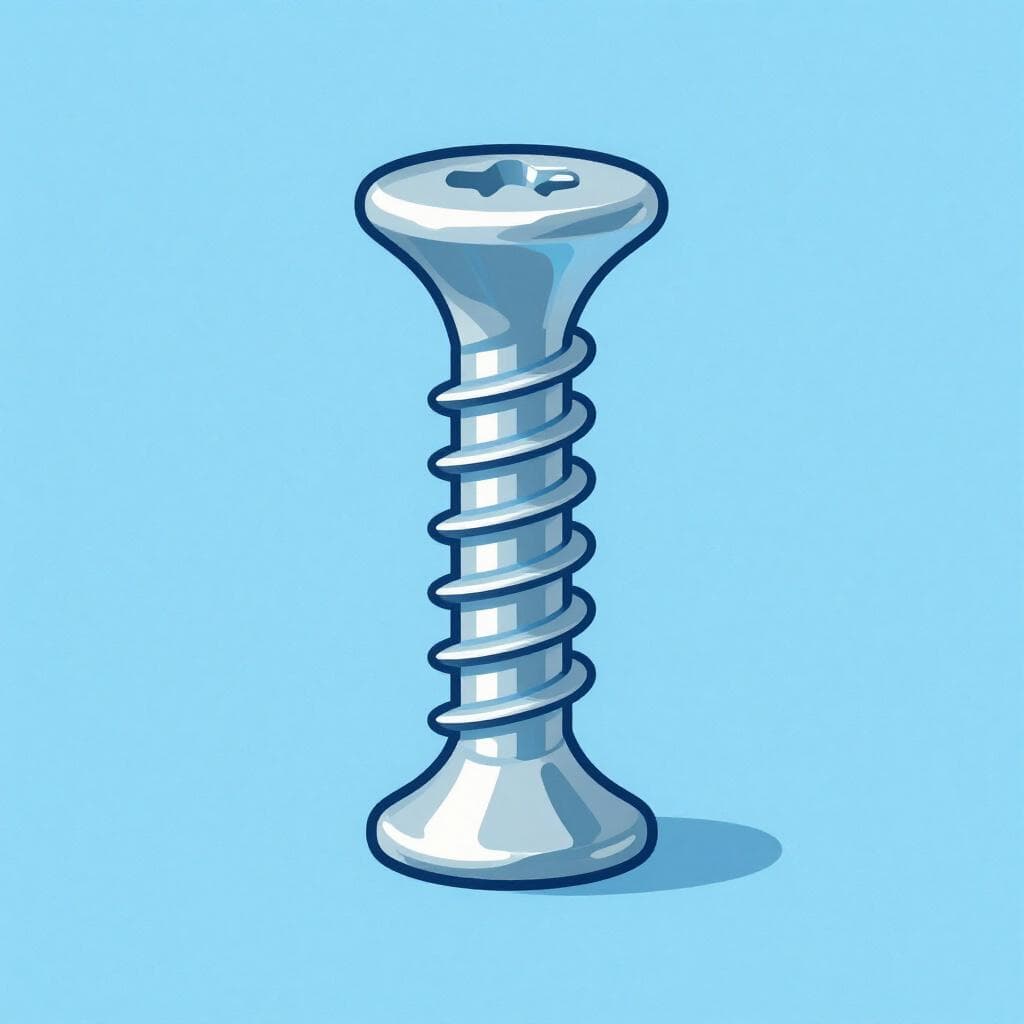
screw
“Necesito un tornillo para este mueble.”
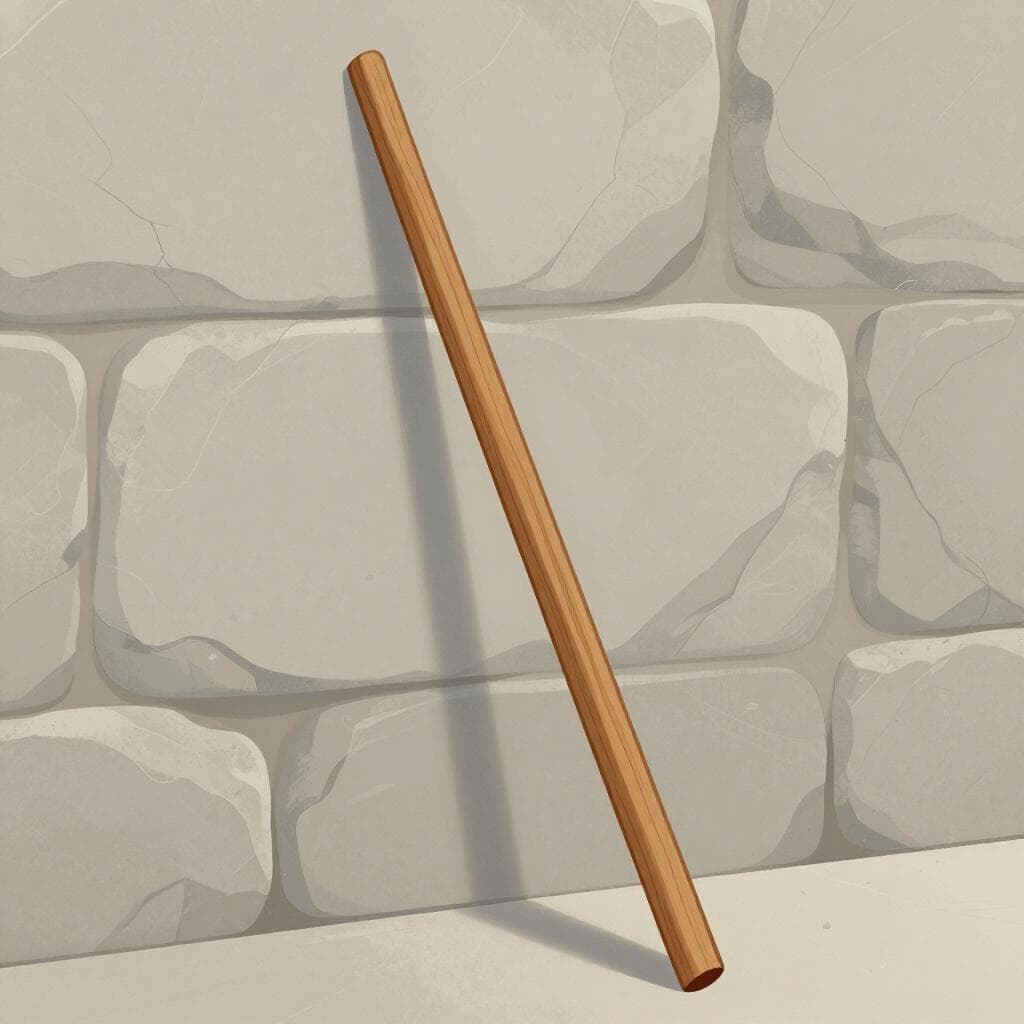
rod
“El pastor dirige a sus ovejas con una vara de madera.”
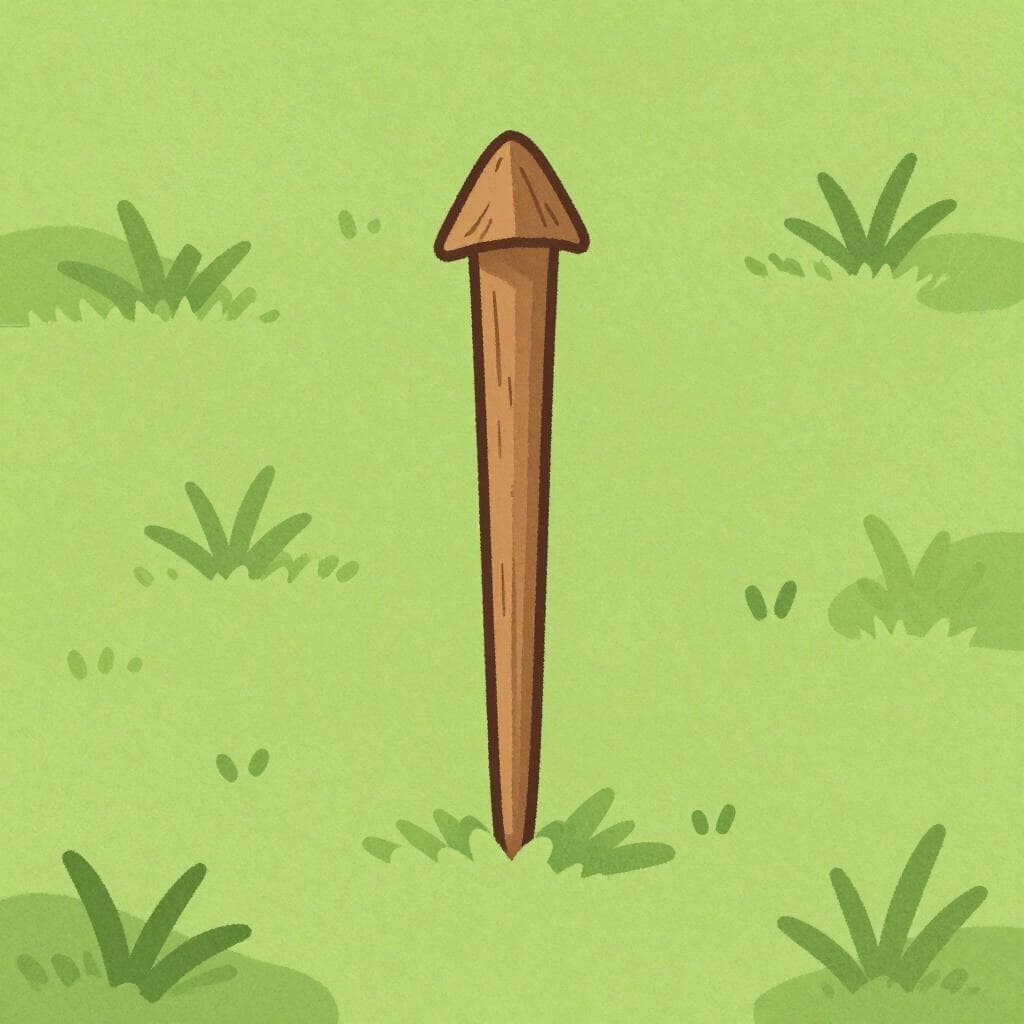
stake
“Clavamos una estaca en el suelo para sujetar la tienda de campaña.”

telescope
“Quiero comprar un telescopio para ver la Luna.”
B1 — Intermediate (2 words)
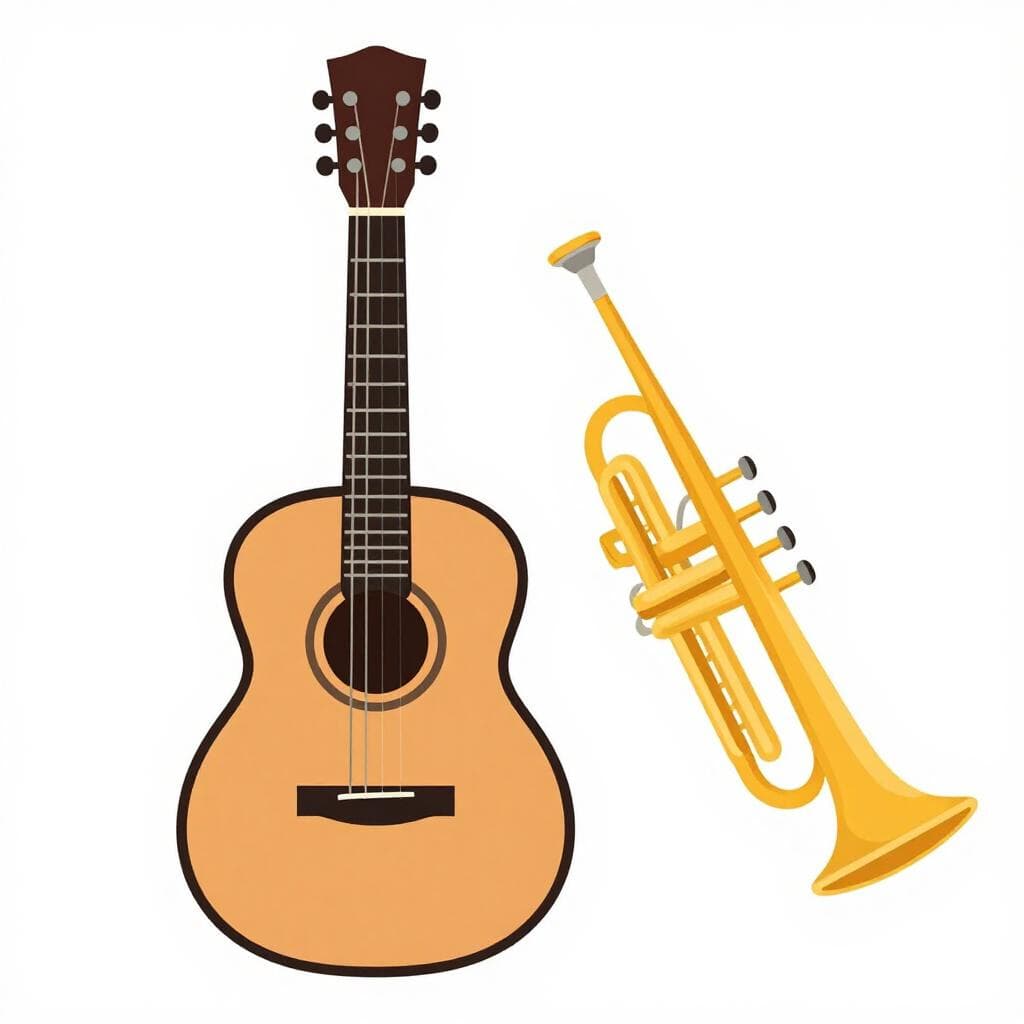
instrumental
“Prefiero la música instrumental cuando estoy trabajando.”
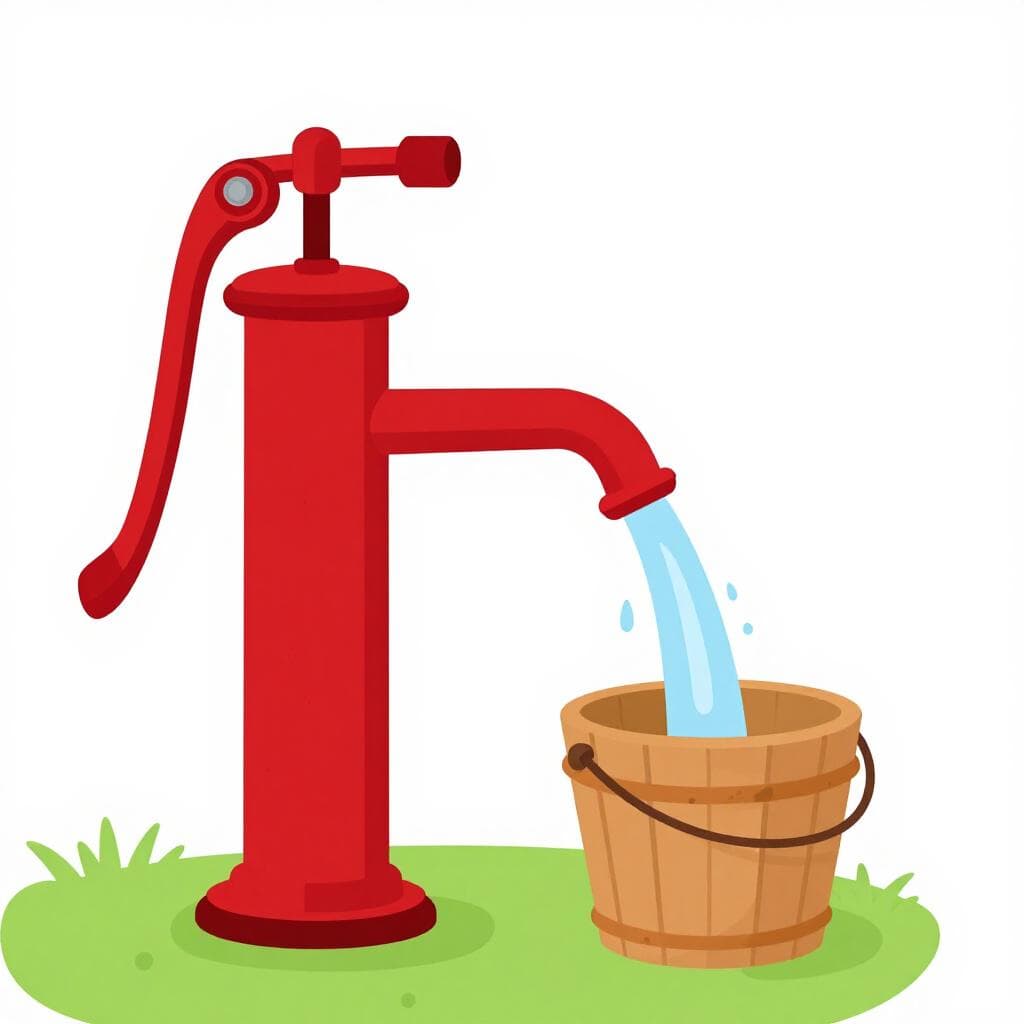
to pump
“El corazón se encarga de bombear sangre a todo el cuerpo.”
B2 — Upper Intermediate (1 words)
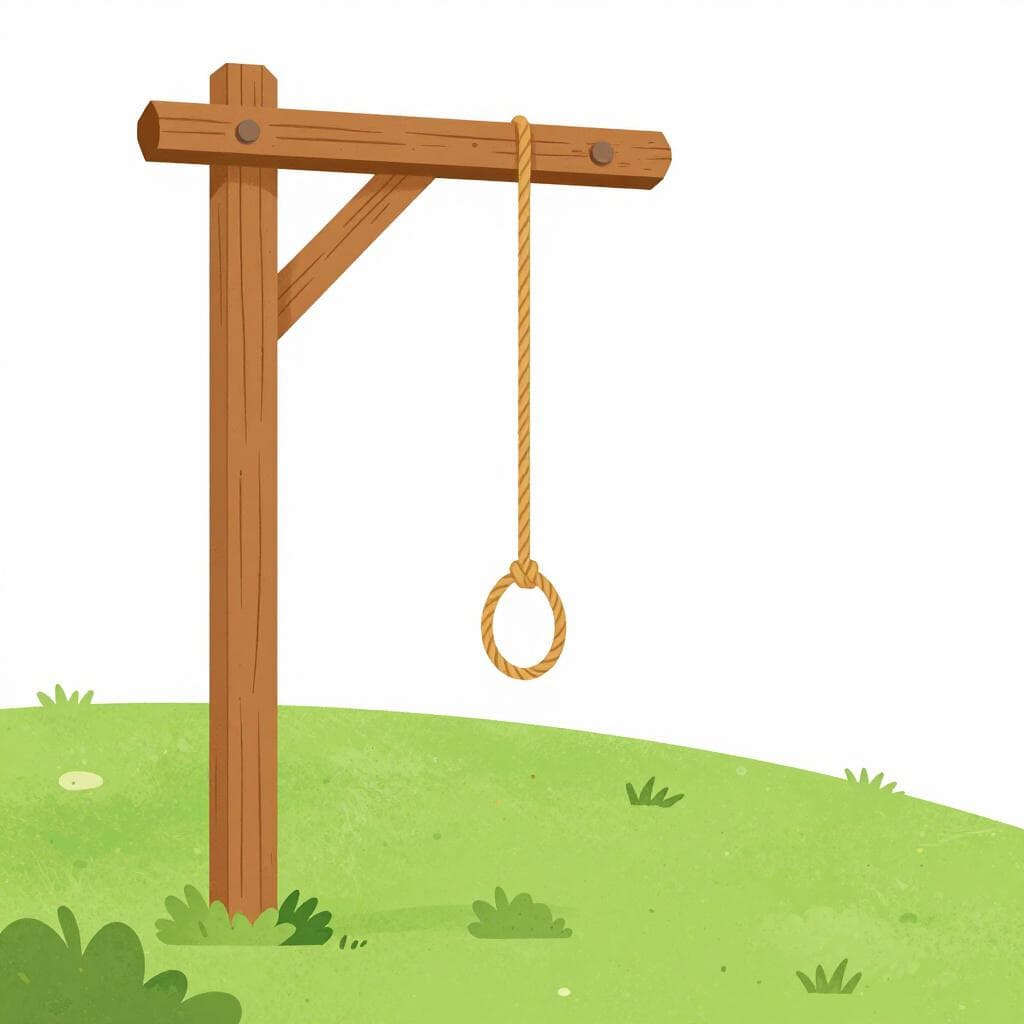
gallows
“El pirata fue condenado a morir en la horca.”
Grammar Tips
Gender and Plurals
Most tool nouns have a grammatical gender. Words ending in -o are usually masculine (el martillo - hammer), and those ending in -a are usually feminine (la sierra - saw). Plurals are formed by adding -s if the word ends in a vowel, or -es if it ends in a consonant. For example, 'el clavo' (nail) becomes 'los clavos' (nails), and 'el cepillo' (brush) becomes 'los cepillos' (brushes).
Compound Nouns
Some tool names are formed by combining a verb with a noun, often related to the tool's function. For example, 'bombear' (to pump) leads to 'la bomba' (pump). This structure can help you guess the meaning of unfamiliar tool names.
Adjectives Follow Nouns
Remember that descriptive adjectives, like size or condition, typically follow the noun they modify. If you're talking about a 'big hammer,' it's 'el martillo grande,' not 'el grande martillo'.
Common Mistakes
Incorrect Pluralization
Mistake: “Necesito dos clavos pequeñas.”
Correction: Necesito dos clavos pequeños. — 'Clavo' is masculine, so the plural adjective 'pequeños' must also be masculine. Even though 'clavo' ends in a vowel and forms its plural 'clavos', the adjective's gender and number must agree with the noun.
Adjective Placement
Mistake: “Compré una herramienta nueva roja.”
Correction: Compré una herramienta roja y nueva. — In Spanish, descriptive adjectives like color ('roja') usually come after the noun. Adjectives indicating newness ('nueva') also typically follow the noun. While 'nueva' can sometimes precede the noun for emphasis, placing both after is standard and clear here.
Gender Agreement
Mistake: “La gancho es muy fuerte.”
Correction: El gancho es muy fuerte. — 'Gancho' (hook) is a masculine noun, so it requires the masculine article 'el' and the masculine adjective ending '-o' in 'fuerte' (strong).
Cultural Notes
DIY Culture
Home improvement and DIY are popular in many Spanish-speaking countries, just like elsewhere. You'll find a wide range of hardware stores ('ferreterías') and specialized shops. Knowing the vocabulary can be a lifesaver when you need that specific part or tool!
Regional Terms
While many terms are standard, some tools might have regional names, especially in Latin America. For instance, a 'destornillador' (screwdriver) might be called a 'desarmador' in Mexico and some other countries. It's good to be aware of potential variations.