Desserts & Sweets in Spanish
Get ready to explore the sweet side of Spanish with this vocabulary list focused on desserts and sweets! Knowing these words will not only help you order the perfect treat at a café or bakery but also understand cultural conversations about food. Spanish speakers often have a deep appreciation for pastries and sweets, so learning this vocabulary is a delicious way to connect with the culture.
Quick Reference
| Spanish | English | Example | Level |
|---|---|---|---|
azúcar | sugar | Necesito un poco de azúcar para mi café. | A1 |
batido | milkshake | Quiero un batido de chocolate con nata. | A1 |
berlín | Berlin | Berlín es una ciudad con mucha historia. | A1 |
bizcocho | sponge cake | Mi abuela hizo un bizcocho de limón para la merienda. | A1 |
bollo | bun | Me gusta desayunar un bollo con chocolate. | A1 |
bombón | chocolate | Me comí un bombón después de la cena. | A1 |
caramelo | candy | Mi abuela siempre tiene caramelos de menta en su bolso. | A1 |
chocolate | chocolate | Mi postre favorito es el pastel de chocolate. | A1 |
crema | cream | ¿Quieres un poco de crema en tu café? | A1 |
dulce | sweet | El café está demasiado dulce para mí. | A1 |
dulces | sweets | Mi abuela siempre tiene un tarro lleno de dulces. | A1 |
galleta | cookie | Mi abuela siempre hornea galletas de avena. | A1 |
A1 — Beginner (26 words)

sugar
“Necesito un poco de azúcar para mi café.”

milkshake
“Quiero un batido de chocolate con nata.”

Berlin
“Berlín es una ciudad con mucha historia.”

sponge cake
“Mi abuela hizo un bizcocho de limón para la merienda.”

bun
“Me gusta desayunar un bollo con chocolate.”

chocolate
“Me comí un bombón después de la cena.”

candy
“Mi abuela siempre tiene caramelos de menta en su bolso.”
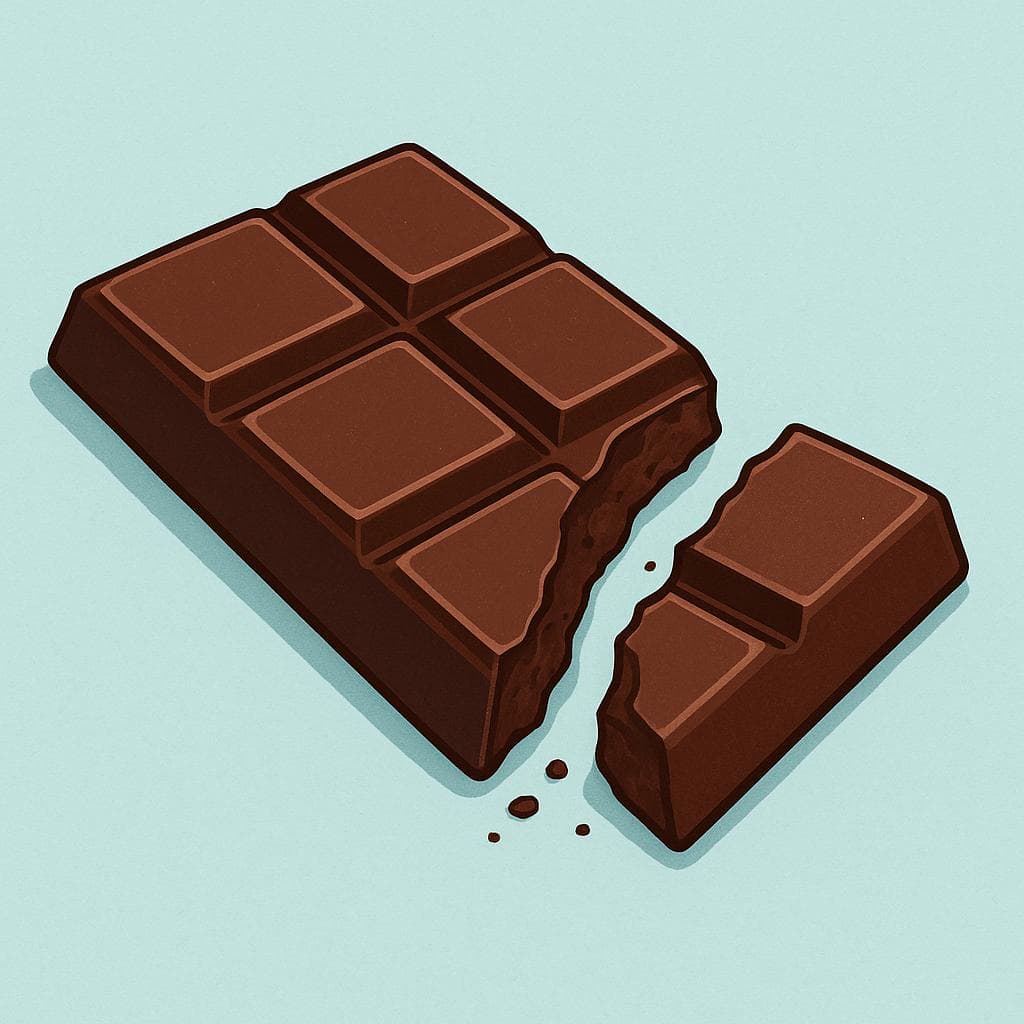
chocolate
“Mi postre favorito es el pastel de chocolate.”
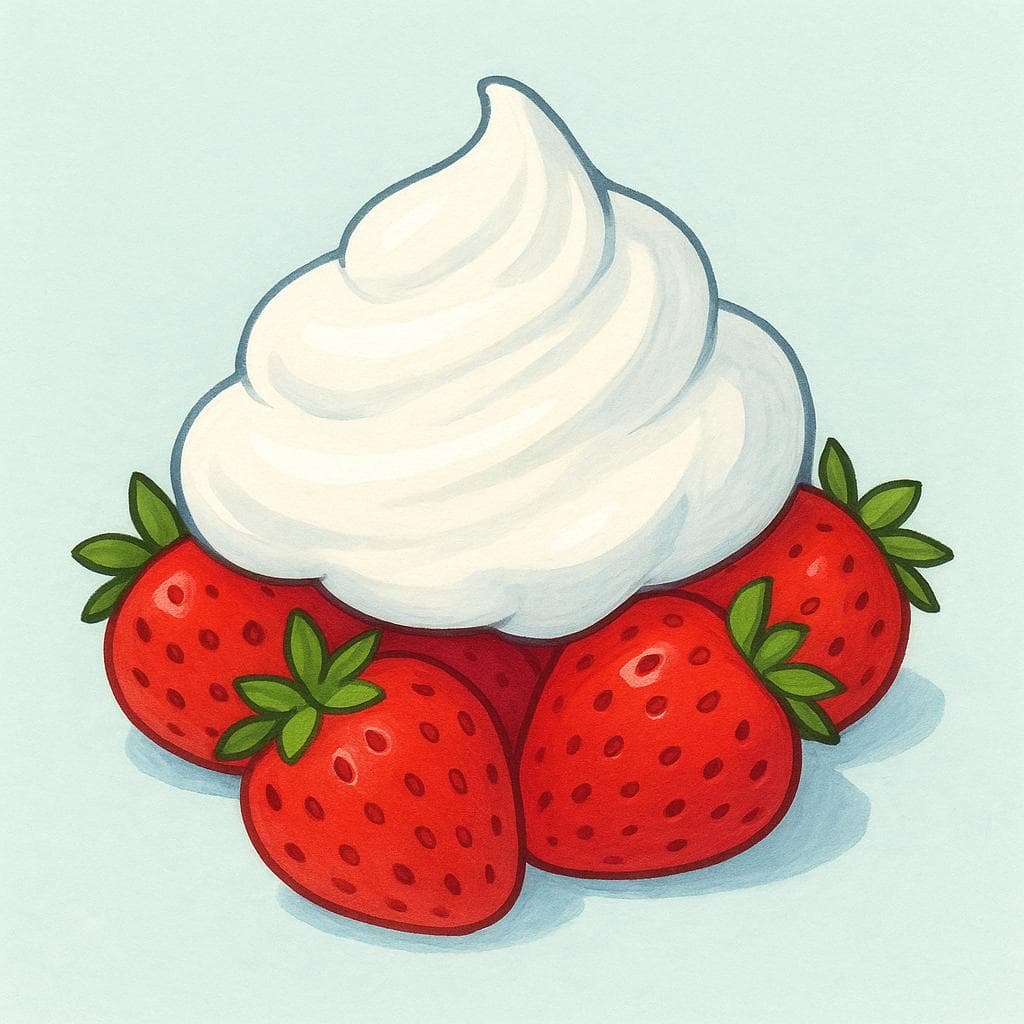
cream
“¿Quieres un poco de crema en tu café?”
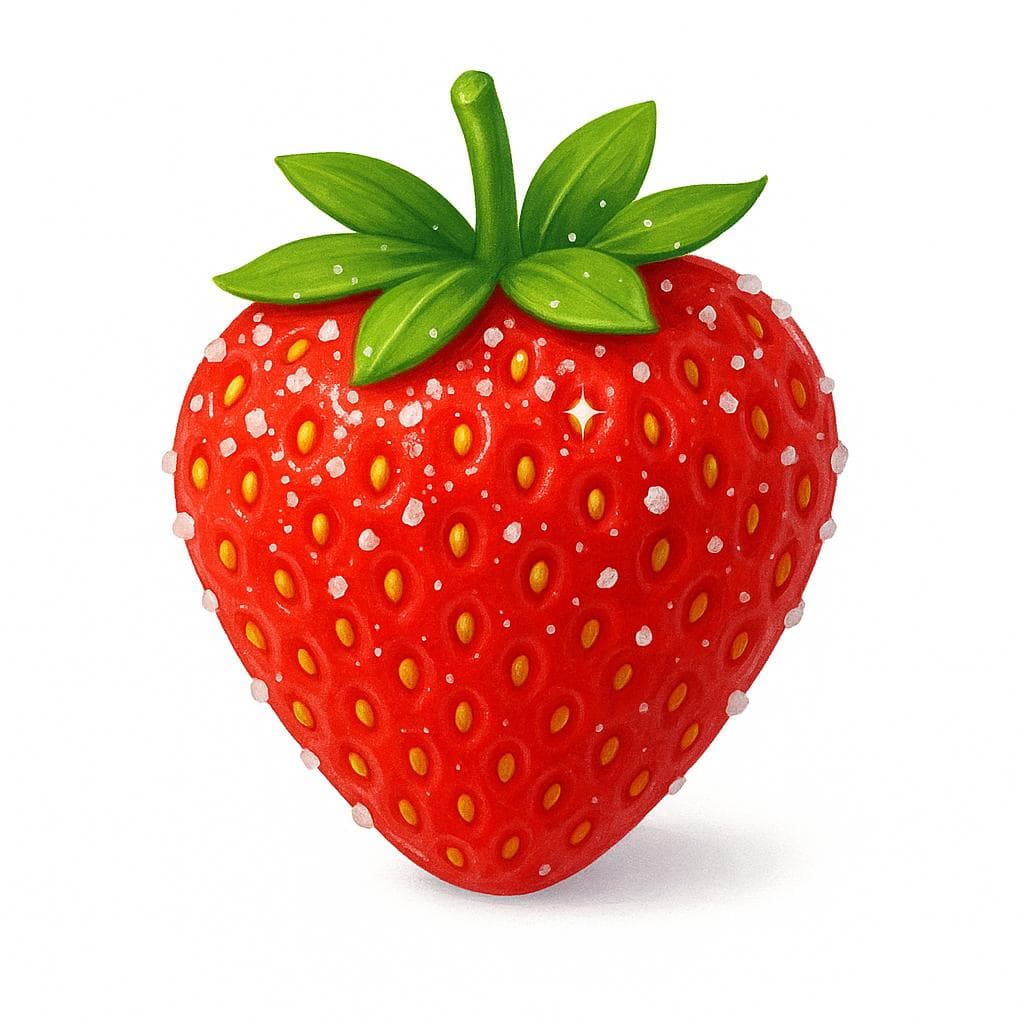
sweet
“El café está demasiado dulce para mí.”

sweets
“Mi abuela siempre tiene un tarro lleno de dulces.”
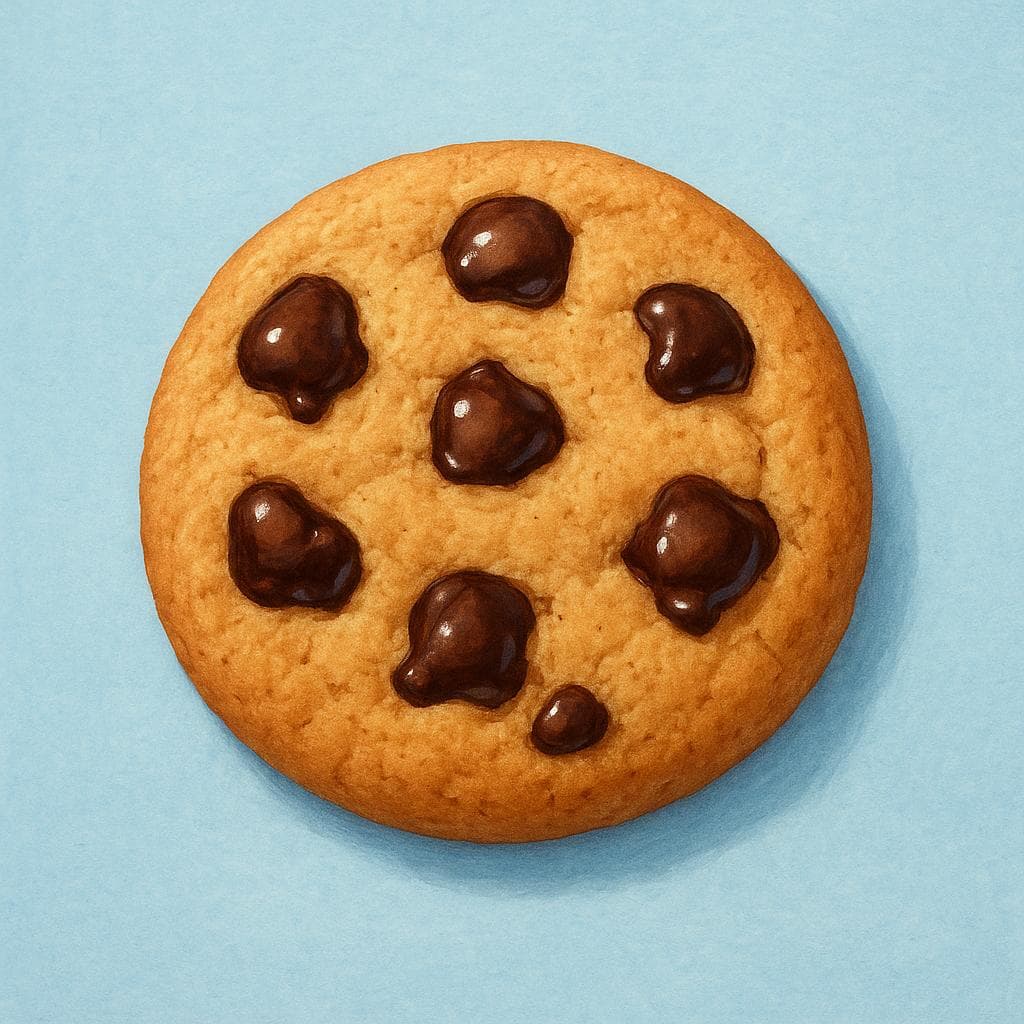
cookie
“Mi abuela siempre hornea galletas de avena.”
cookie
“¿Quieres una galletita de chocolate?”

ice cream
“Quiero un helado de chocolate, por favor.”
jam
“Quiero una tostada con mantequilla y mermelada de fresa.”

honey
“Me gusta poner miel en mi tostada del desayuno.”

snow
“Cayó mucha nieve anoche y no pudimos salir.”

popcorn
“Siempre como palomitas de maíz cuando voy al cine.”

cake
“Mi madre compró un pastel de chocolate para mi cumpleaños.”

small cake
“Compré un pastelito de chocolate para la merienda.”
dessert
“¿Qué quieres de postre? Tenemos tarta de chocolate.”

cake
“Pedimos una tarta de fresas para el postre.”

cake
“Compramos una torta de chocolate para el cumpleaños de mi hermana.”
vanilla
“Me gustaría un helado de vainilla, por favor.”
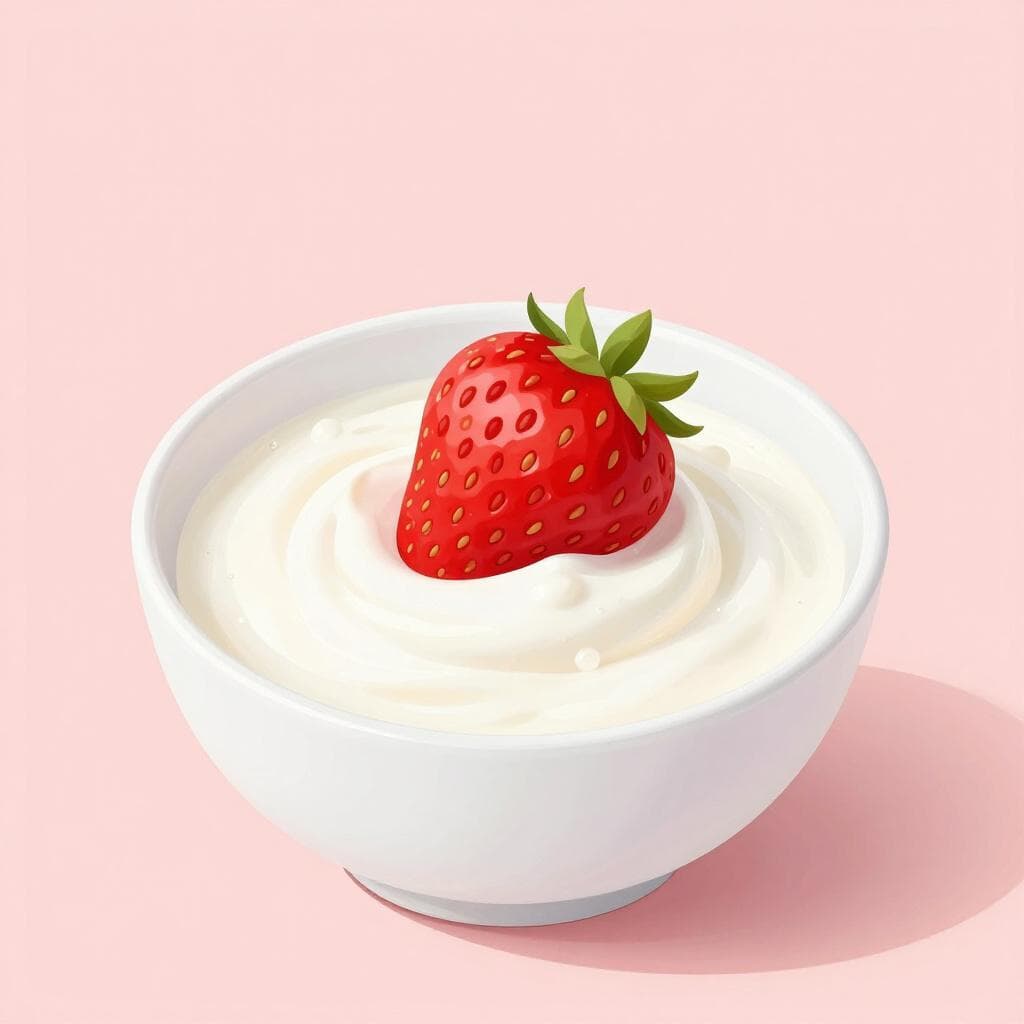
yogurt
“Me gusta el yogur de fresa para desayunar.”
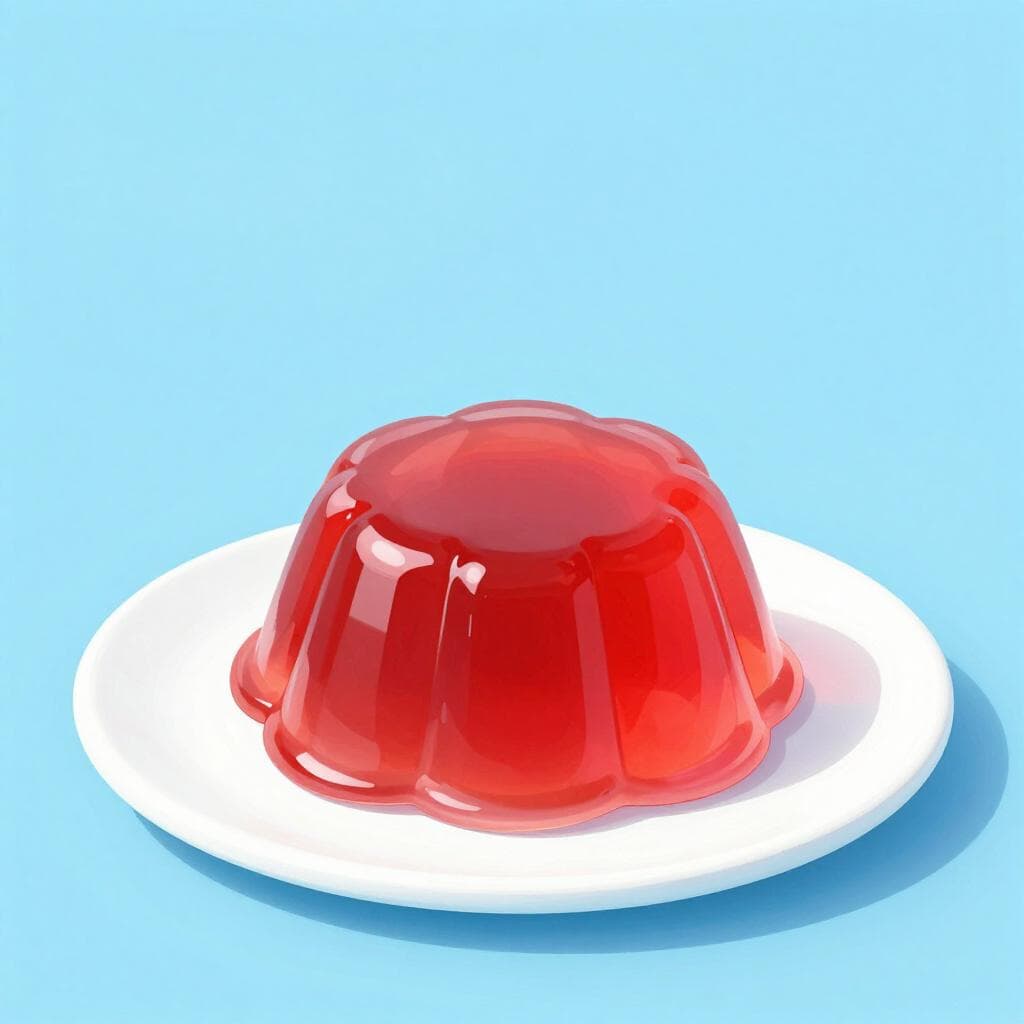
jelly
“El niño quiere una gelatina de fresa de postre.”
A2 — Elementary (1 words)

cream
“¿Prefieres el café solo o con un poco de nata?”
Grammar Tips
Gender and Pluralization
Most dessert nouns in Spanish are feminine, like 'la tarta' (pie) and 'la galleta' (cookie). Remember to use the feminine article 'la' and adjust adjectives accordingly. Plurals are usually formed by adding '-s' or '-es', like 'las tartas' and 'las galletas'.
Sweetness as an Adjective
The word 'dulce' means 'sweet' and acts as an adjective. It agrees in gender and number with the noun it describes. For example, 'un pastel dulce' (a sweet cake) or 'unas galletas dulces' (sweet cookies).
Countable vs. Uncountable
Some sweet items can be uncountable, like 'azúcar' (sugar) or 'chocolate' (chocolate), while others are countable, like 'caramelo' (candy) or 'bombón' (chocolate truffle). Pay attention to whether you're talking about the substance itself or individual pieces.
Common Mistakes
Adjective Placement
Mistake: “Compré un dulce pastel.”
Correction: Compré un pastel dulce. — In Spanish, descriptive adjectives like 'dulce' typically come *after* the noun they modify.
Singular vs. Plural
Mistake: “Quiero una galleta para mi café.”
Correction: Quiero una galleta para mi café. — This is actually correct! The mistake is often using the plural when singular is intended, or vice-versa. For example, saying 'Quiero galletas' when you only want one.
Gender Agreement
Mistake: “Me gusta el crema.”
Correction: Me gusta la crema. — 'Crema' (cream) is a feminine noun in Spanish, so it requires the feminine article 'la'.
Cultural Notes
Regional Favorites
While many desserts are popular across Spanish-speaking countries, regional specialties abound. For instance, 'alfajores' are a beloved cookie sandwich in Argentina and Peru, while 'tres leches' cake is a favorite in many Latin American countries.
The 'Merienda' Tradition
In Spain, a common afternoon snack called 'la merienda' often includes something sweet, like a 'bollo' (bun) or a 'tostada con mermelada' (toast with jam), enjoyed with coffee or chocolate.