pusiste
“pusiste” betekent “you put” in het Spaans. Het heeft 4 verschillende betekenissen, afhankelijk van de context:
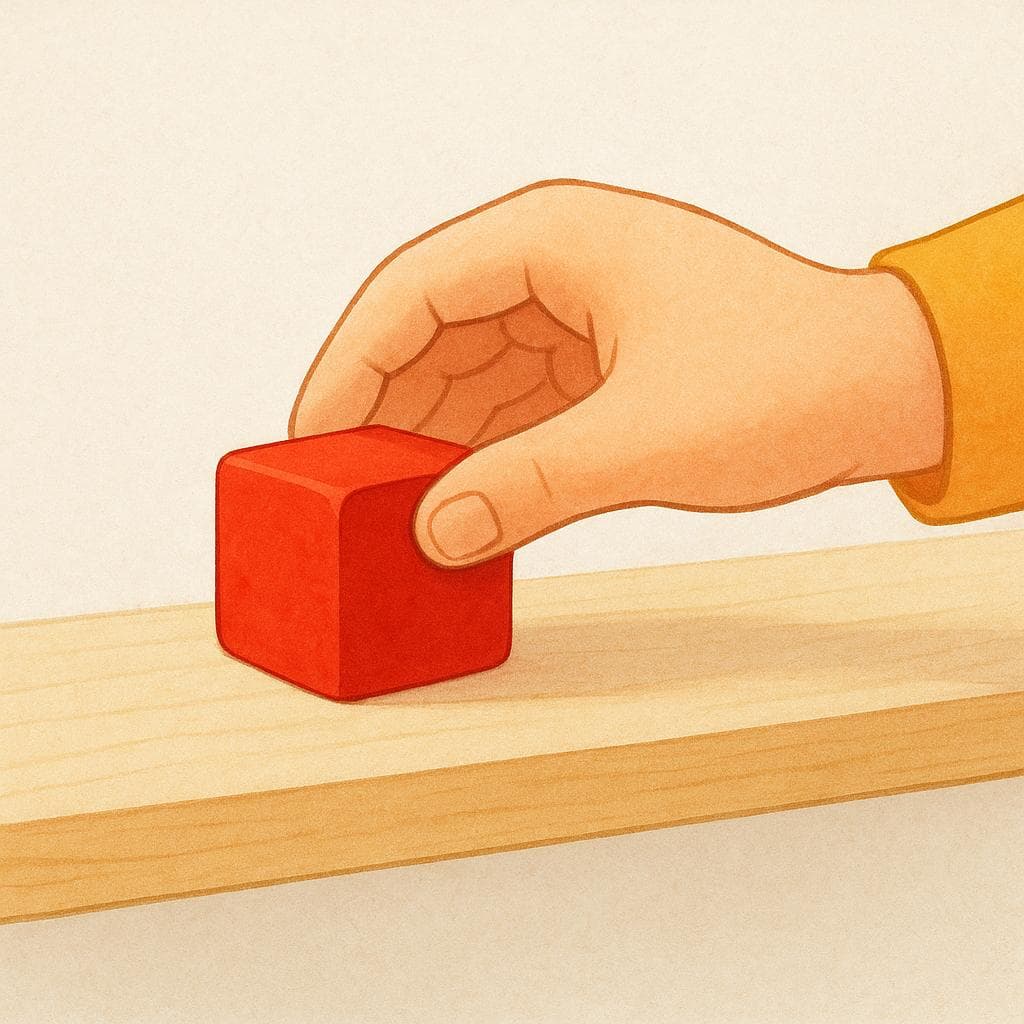



you put, you placed
Ook: you set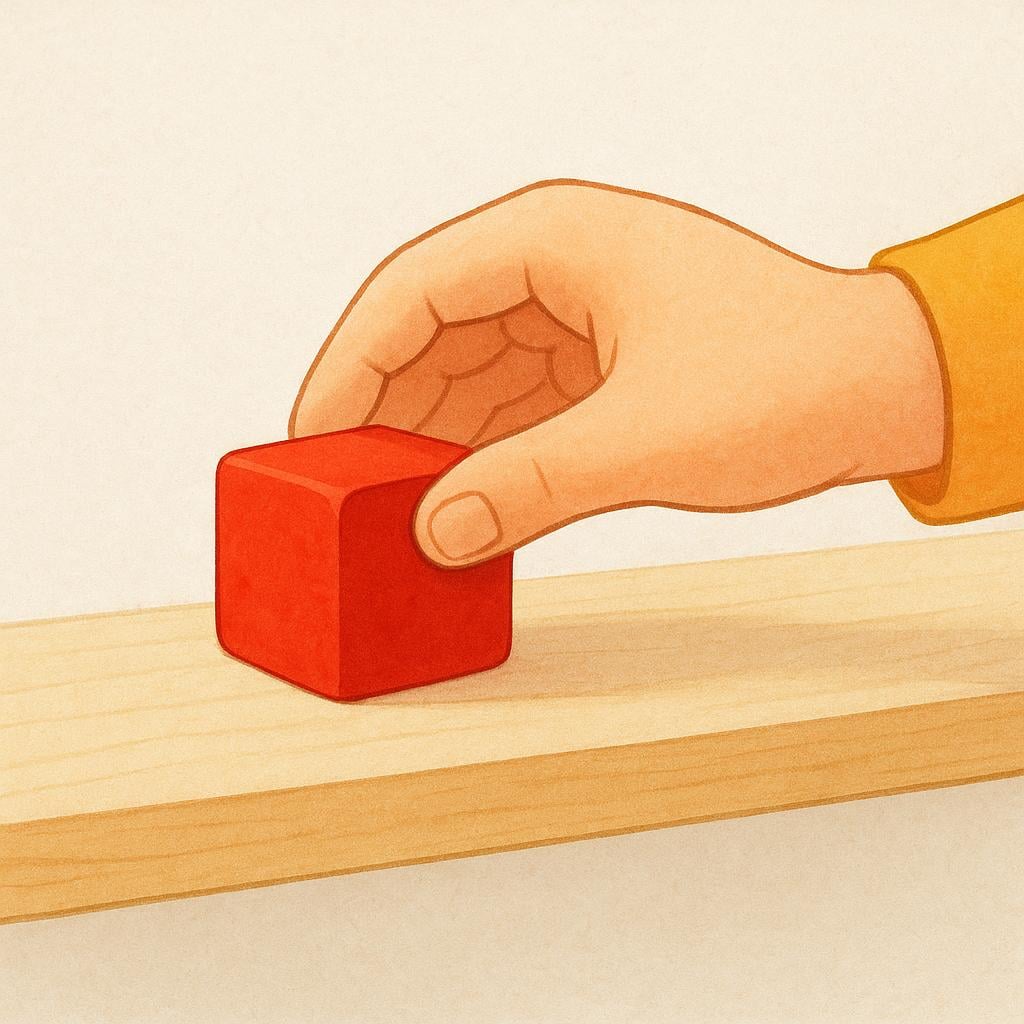
📝 In Actie
¿Dónde pusiste mi libro de español anoche?
A1Where did you put my Spanish book last night?
Tú pusiste la mesa antes de que llegaran los invitados.
A2You set the table before the guests arrived.
you turned on, you started playing
Ook: you switched on
📝 In Actie
¿Por qué no pusiste música cuando estábamos cenando?
A2Why didn't you put on (start) music when we were eating dinner?
Tú pusiste el noticiero tan pronto llegaste a casa.
B1You turned on the news as soon as you got home.
you put on
Ook: you wore
📝 In Actie
Te pusiste el traje de baño apenas llegaste a la playa.
A2You put on your swimsuit as soon as you arrived at the beach.
Para la fiesta, te pusiste un vestido muy elegante.
B1For the party, you put on a very elegant dress.
you set, you established
Ook: you assigned
📝 In Actie
¿Qué condiciones pusiste para aceptar el nuevo trabajo?
B2What conditions did you set in order to accept the new job?
Tú pusiste el ejemplo de cómo se debe trabajar en equipo.
B1You set the example of how one should work as a team.
Indicative
Present
Imperfect
Preterite
Subjunctive
Present Subjunctive
Imperfect Subjunctive
✏️ Snelle oefening
Snelle Quiz: pusiste
Vraag 1 van 2
Which sentence correctly uses 'pusiste' to mean 'You put on clothes'?
📚 Meer bronnen
👥 Woordfamilie▼
📚 Etymologie▼
The verb 'poner' comes directly from the Latin verb *ponere*, meaning 'to put' or 'to place.' The irregular structure of 'pusiste' (using the 'u' stem) is a very old pattern inherited from Latin verbs that changed their root vowel in the perfect tense.
Eerste vermelding: 10th century (in its Old Spanish form)
Cognaten (Verwante woorden)
💡 Beheers Spaans
Til je Spaans naar een hoger niveau. Lees 200+ geïllustreerde en ingesproken Spaanse verhalen op jouw niveau met de Inklingo app!
Veelgestelde Vragen
Why is 'pusiste' so different from the infinitive 'poner'?
'Poner' is one of the most common irregular verbs in Spanish. In the simple past (preterite), it completely changes its root from 'pon-' to 'pus-'. This is a historical pattern that makes the verb stronger and easier to say quickly.
Can I use 'pusiste' to ask someone to place something right now?
No. 'Pusiste' means 'you placed' (in the past). To ask someone to place something now or in the future, you would use the imperative or present tense, such as 'Ponlo aquí' (Put it here).