
Siłownia i fitness po hiszpańsku
Poprawa kondycji to globalny cel, a znajomość hiszpańskiego słownictwa związanego z siłownią pomoże Ci poruszać się po centrach fitness i rozumieć instrukcje treningowe. Hiszpański często używa słów pokrewnych, dzięki czemu wiele terminów jest znajomych, ale zwracaj uwagę na rodzaj i liczbę. Ten zestaw przygotuje Cię do pewnego wyciskania siódmych potów!
Szybka ściąga
| Hiszpański | Polski | Przykład | Poziom |
|---|---|---|---|
ejercicio | ćwiczenie | Hacer ejercicio por la mañana me da mucha energía. | A1 |
entrenador | trener | El entrenador les dijo a los jugadores que corrieran más rápido. | A1 |
entrenamiento | trening | El equipo tiene un entrenamiento muy duro todos los lunes. | A2 |
entrenar | trenować | El profesor entrena a los estudiantes para el debate. | A2 |
gimnasio | siłownia | Voy al gimnasio tres veces a la semana. | A1 |
pesa | hantla | Necesito comprar una pesa de dos kilos para el gimnasio. | A1 |
resistencia | wytrzymałość | El corredor tiene una gran resistencia física. | A2 |
abdominal | brzuszny | Tengo un dolor abdominal muy fuerte. | A2 |
ejercitar | ćwiczyć | Es importante ejercitar los músculos de la espalda. | A2 |
muscular | mięśniowy | Tengo un dolor muscular después de correr. | A2 |
A1 — Początkujący (4 słów)
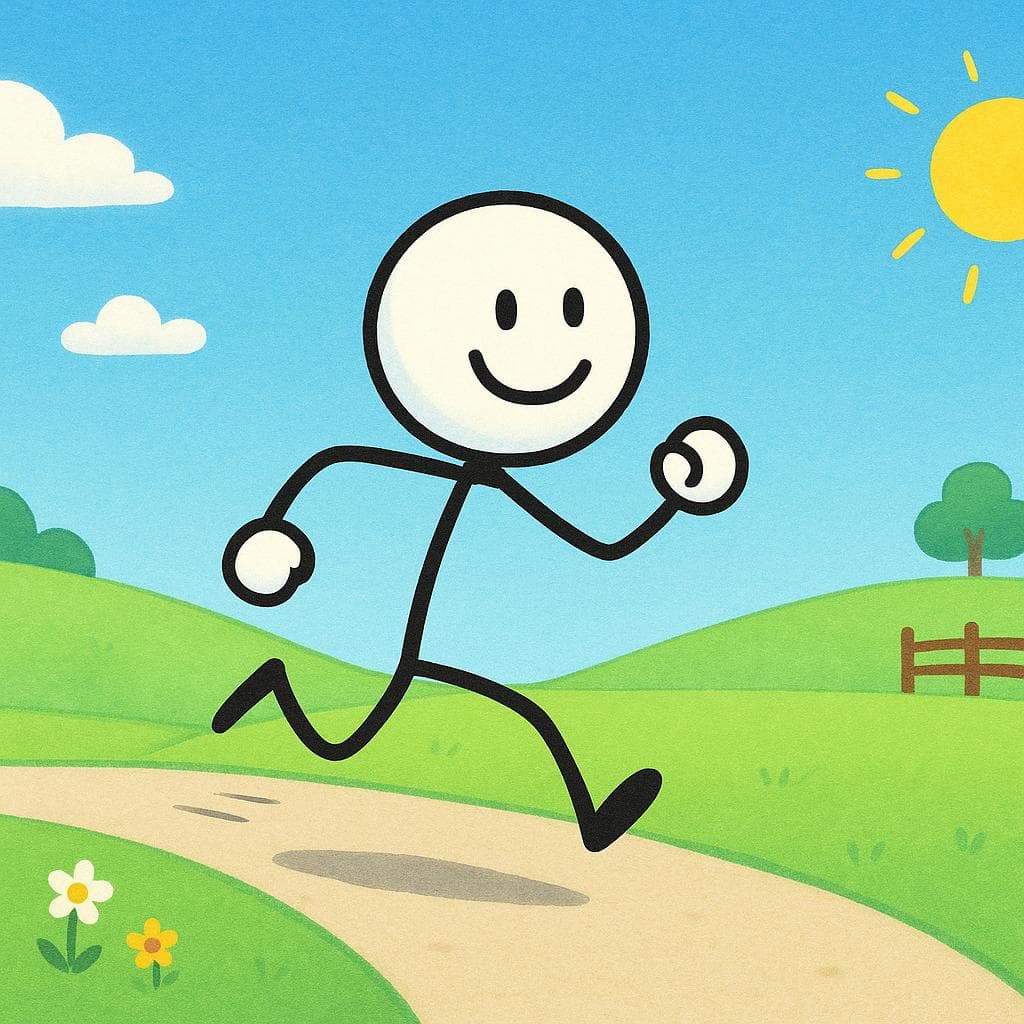
ćwiczenie
“Hacer ejercicio por la mañana me da mucha energía.”
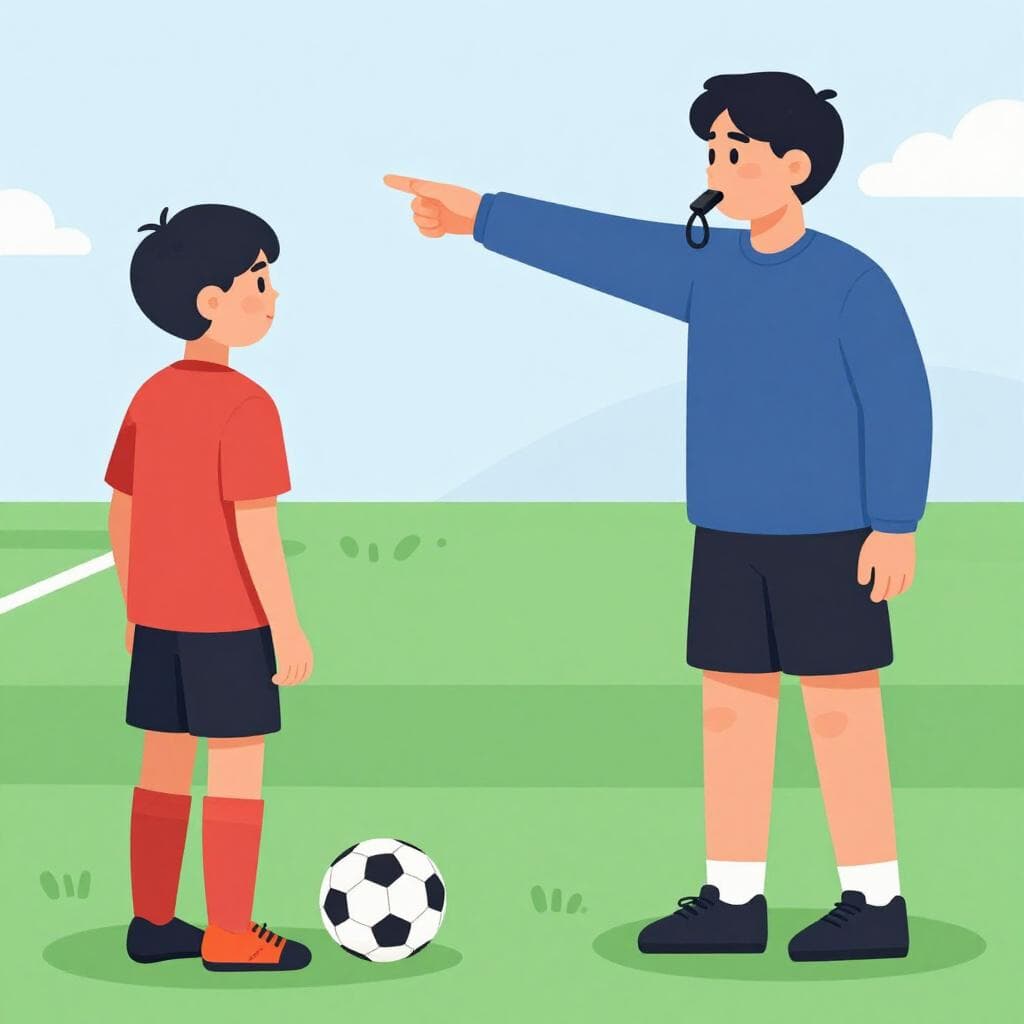
trener
“El entrenador les dijo a los jugadores que corrieran más rápido.”
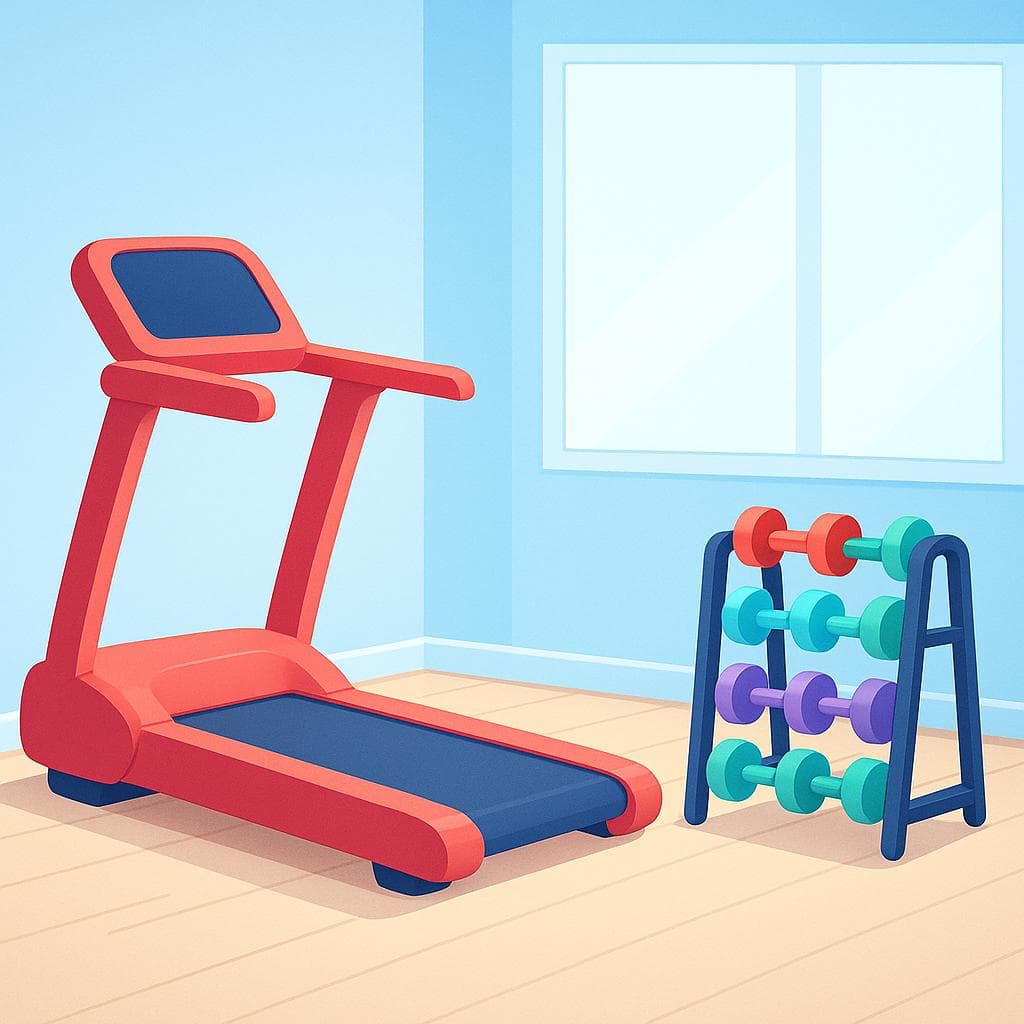
siłownia
“Voy al gimnasio tres veces a la semana.”

hantla
“Necesito comprar una pesa de dos kilos para el gimnasio.”
A2 — Podstawowy (6 słów)
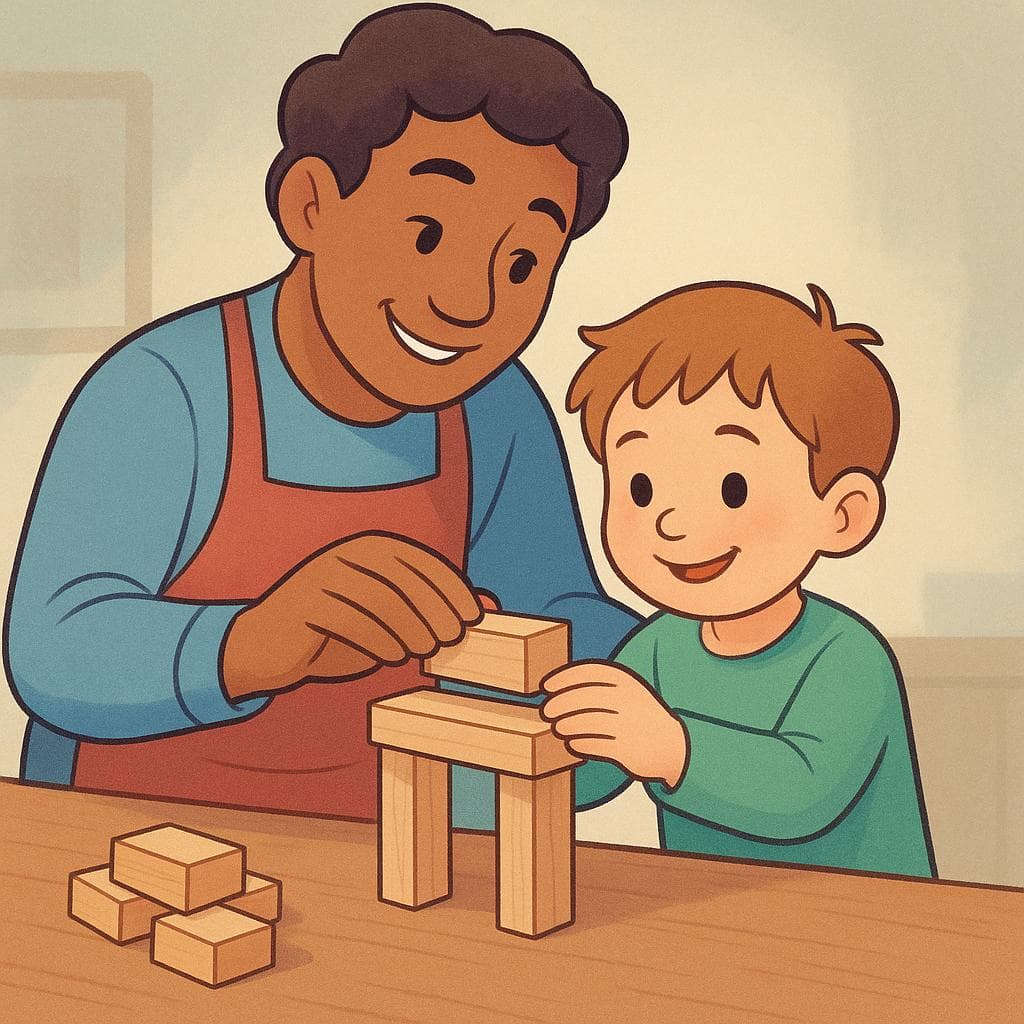
trening
“El equipo tiene un entrenamiento muy duro todos los lunes.”

trenować
“El profesor entrena a los estudiantes para el debate.”
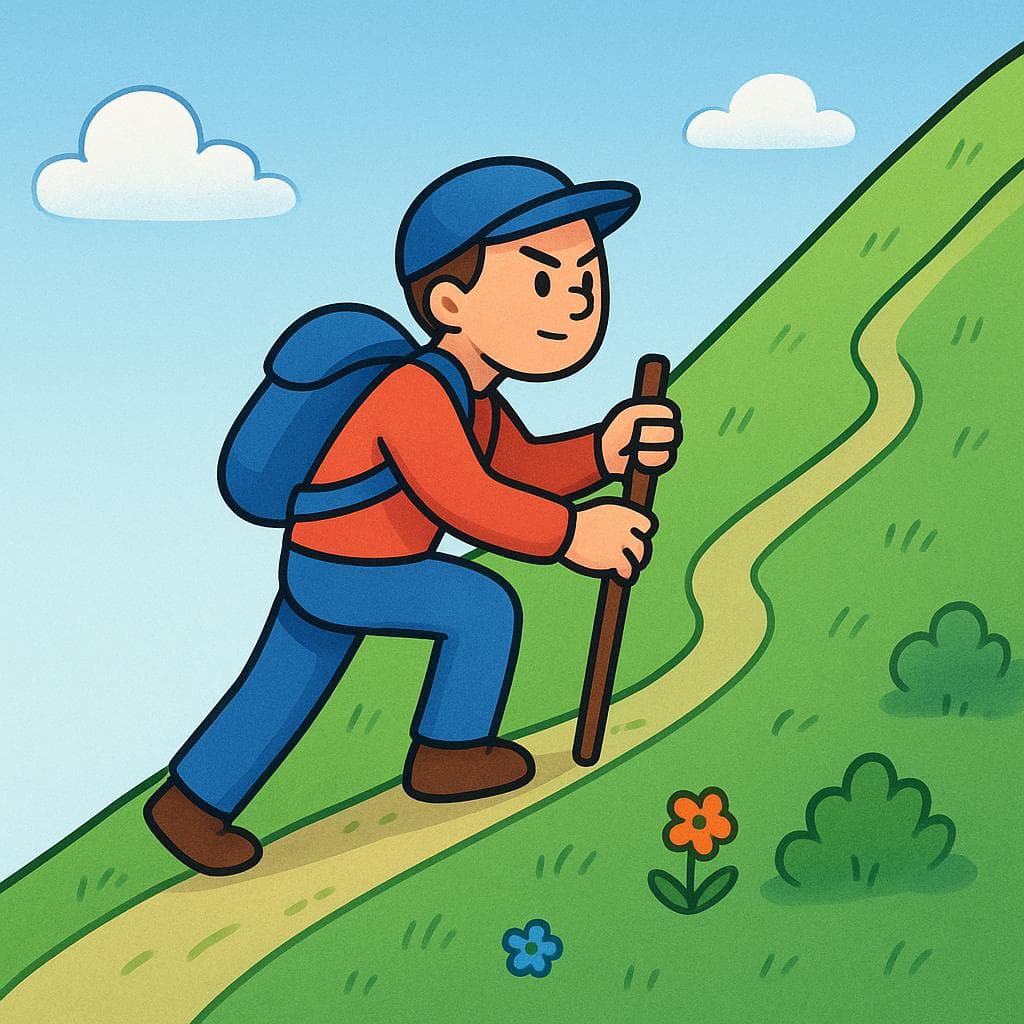
wytrzymałość
“El corredor tiene una gran resistencia física.”

brzuszny
“Tengo un dolor abdominal muy fuerte.”

ćwiczyć
“Es importante ejercitar los músculos de la espalda.”
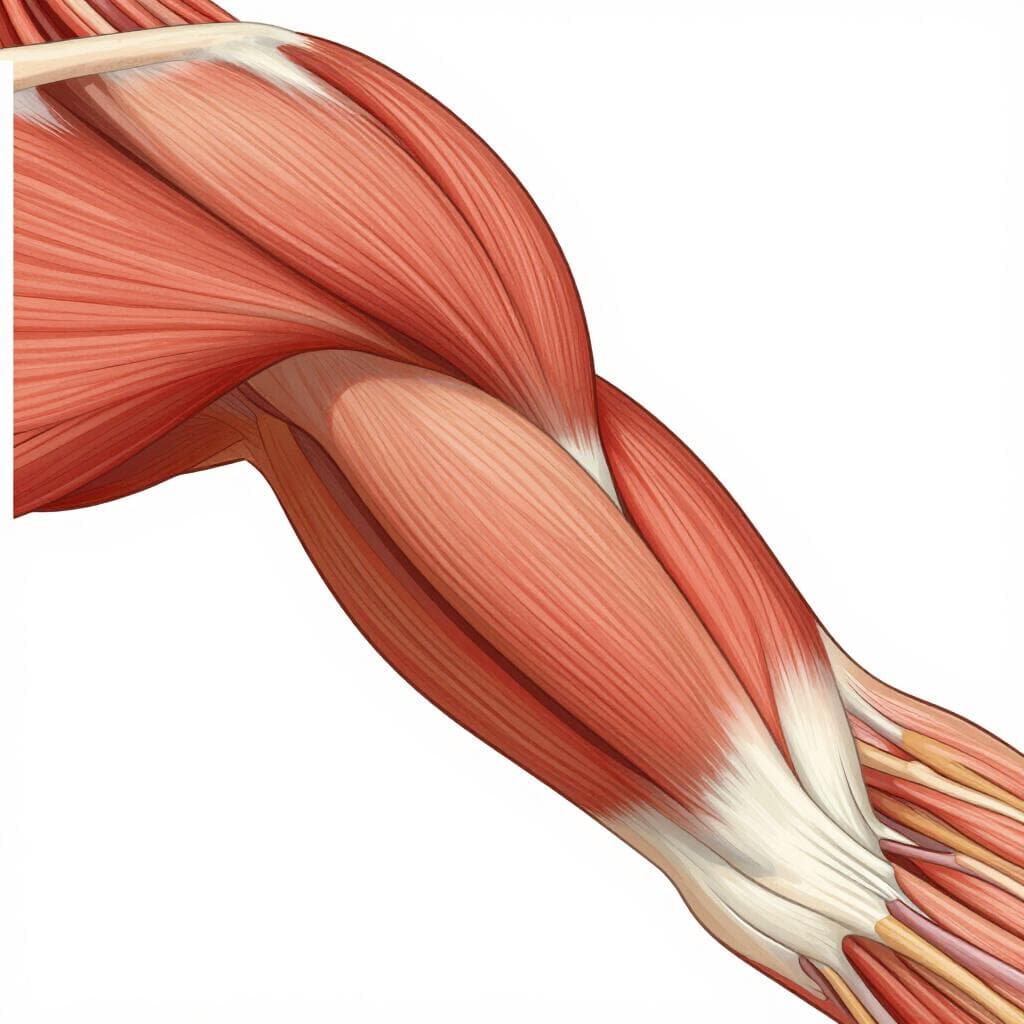
mięśniowy
“Tengo un dolor muscular después de correr.”
Wskazówki gramatyczne
Rzeczowniki rodzaju męskiego i żeńskiego
Wiele rzeczowników związanych z fitnessem ma rodzaj. 'El gimnasio' (siłownia) jest rodzaju męskiego, podczas gdy 'la pesa' (hantel) jest rodzaju żeńskiego. Pamiętaj, aby dopasować rodzajniki i przymiotniki: 'el entrenador personal' (trener personalny), 'la rutina larga' (długi trening).
Liczba pojedyncza i mnoga
Zwracaj uwagę na formy liczby pojedynczej i mnogiej. 'Ejercicio' (ćwiczenie) jest w liczbie pojedynczej, a 'ejercicios' (ćwiczenia) w liczbie mnogiej. Mówiąc o wielu ruchach lub czynnościach, używaj formy liczby mnogiej: 'Hago muchos ejercicios.' (Robię wiele ćwiczeń).
Koniugacja czasowników jest kluczowa
Czasowniki takie jak 'entrenar' (trenować) i 'ejercitar' (ćwiczyć) zmieniają się w zależności od tego, kto wykonuje czynność i kiedy. Na przykład: 'Yo entreno' (Trenuję), 'Él entrena' (On trenuje), 'Nosotros entrenamos' (Trenujemy).
Typowe błędy
Zgodność przymiotników
Błąd: “La rutina muscular es bueno.”
Poprawka: La rutina muscular es buena. — Przymiotniki muszą zgadzać się pod względem rodzaju i liczby z rzeczownikiem, który opisują. 'Rutina' jest rodzaju żeńskiego, więc przymiotnik 'buena' również musi być rodzaju żeńskiego.
Wybór czasownika
Błąd: “Yo hago un entrenamiento.”
Poprawka: Yo hago un entrenamiento. / Yo entreno. — Chociaż 'hacer un entrenamiento' jest zrozumiałe, 'entrenar' jest bardziej bezpośrednim czasownikiem oznaczającym 'trenować' lub 'ćwiczyć'. Używaj 'entrenar', gdy nacisk kładziony jest na czynność.
Liczba mnoga
Błąd: “Me gusta hacer ejercicio.”
Poprawka: Me gusta hacer ejercicio. / Me gustan los ejercicios. — 'Ejercicio' może być używane jako rzeczownik niepoliczalny (jak 'ćwiczenie' ogólnie) lub jako rzeczownik policzalny. Jeśli odnosisz się do konkretnych czynności, użyj liczby mnogiej 'ejercicios'.
Notatki kulturowe
Aktywny styl życia
W Hiszpanii i wielu krajach Ameryki Łacińskiej duży nacisk kładzie się na aktywności na świeżym powietrzu i sporty. Chociaż siłownie są popularne, często zobaczysz ludzi biegających, grających w piłkę nożną i wędrujących, integrujących ćwiczenia z codziennym życiem.
Mnóstwo zajęć grupowych
Siłownie w krajach hiszpańskojęzycznych często mają bogaty harmonogram grupowych zajęć fitness, od Zumby po spinning i jogę. Są to świetne miejsca do ćwiczenia umiejętności słuchania i interakcji z mieszkańcami.