Inklingo

apreciar

/ah-preh-SYAHR/

to appreciate

A person holding a small, glowing heart in their hands with a look of gratitude.

Apreciar can mean to value the worth of someone or something, like showing gratitude.

apreciar(verb)

B1regular ar

to appreciate

?

to value the worth of someone or something

Also:

to be fond of

?

showing affection for a person

,

to value

?

recognizing importance

📝 In Action

Realmente aprecio mucho tu ayuda con la mudanza.

A2

I really appreciate your help with the move a lot.

Es un profesor muy apreciado por sus alumnos.

B1

He is a teacher who is very well-liked by his students.

Word Connections

Synonyms

  • valorar (to value)
  • estimar (to esteem)

Antonyms

  • despreciar (to despise/look down on)

Common Collocations

  • apreciar el gestoto appreciate the gesture
  • apreciar el esfuerzoto appreciate the effort

💡 Grammar Points

A standard -ar verb

This verb follows the regular pattern for -ar endings, making it easy to conjugate once you know the basics.

❌ Common Pitfalls

Apreciar vs. Agradecer

Mistake: "Using 'apreciar' to say 'thank you' for a specific action."

Correction: Use 'agradecer' for 'I thank you' (Te agradezco la ayuda) and 'apreciar' for 'I value your help' (Aprecio tu ayuda).

⭐ Usage Tips

Emotional Warmth

Using 'apreciar' with a person sounds very warm and sincere, similar to saying you hold them in high regard.

A person looking through a magnifying glass at a tiny, colorful ladybug on a leaf.

Apreciar also means to perceive or notice something through the senses.

apreciar(verb)

B2regular ar

to perceive

?

noticing something through the senses

Also:

to notice

?

becoming aware of a detail

,

to see

?

observing a change or feature

📝 In Action

A lo lejos se podía apreciar la silueta de las montañas.

B2

In the distance, one could perceive the silhouette of the mountains.

Se aprecia un ligero cambio en los resultados.

B2

A slight change can be seen in the results.

Word Connections

Synonyms

  • percibir (to perceive)
  • notar (to notice)

Common Collocations

  • se puede apreciarone can see/notice

⭐ Usage Tips

The 'Se' structure

This meaning is very common with 'se' (se aprecia) to say 'it can be seen' without saying who specifically is looking.

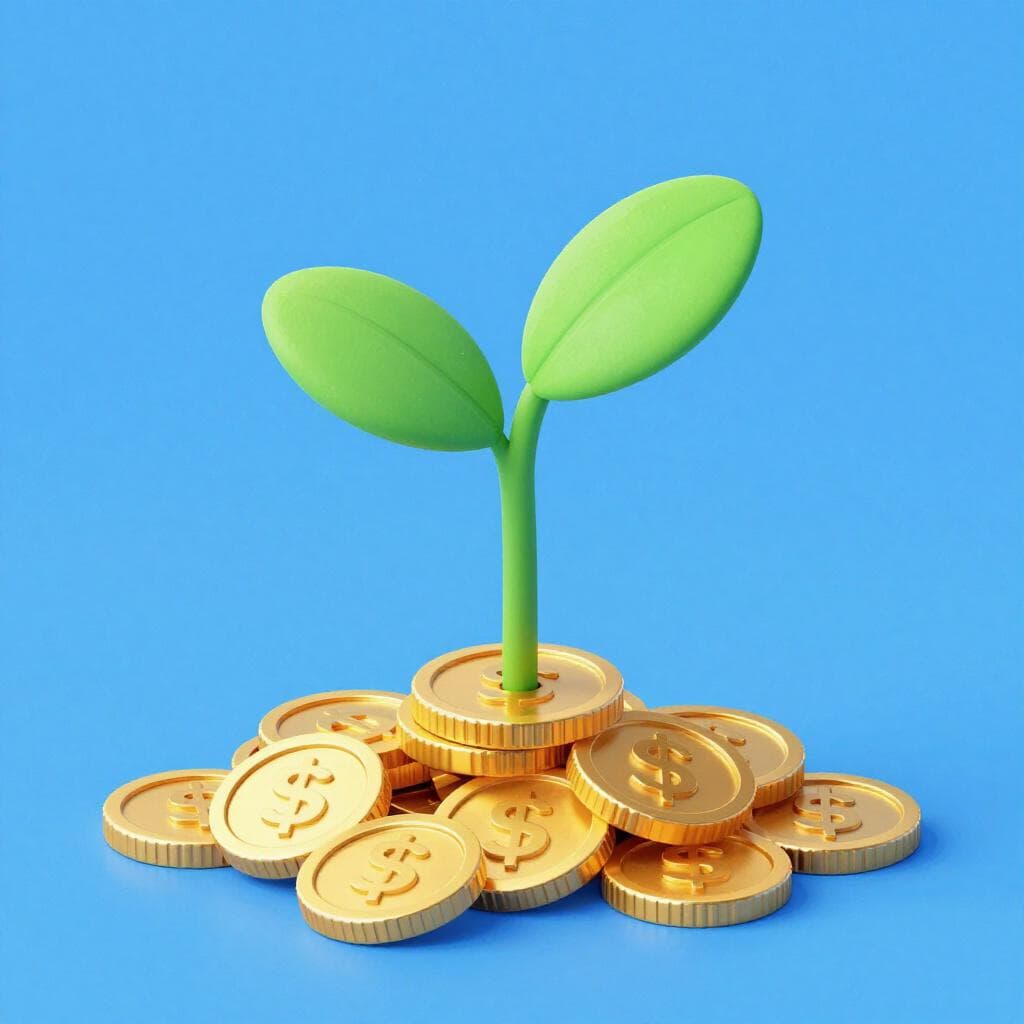
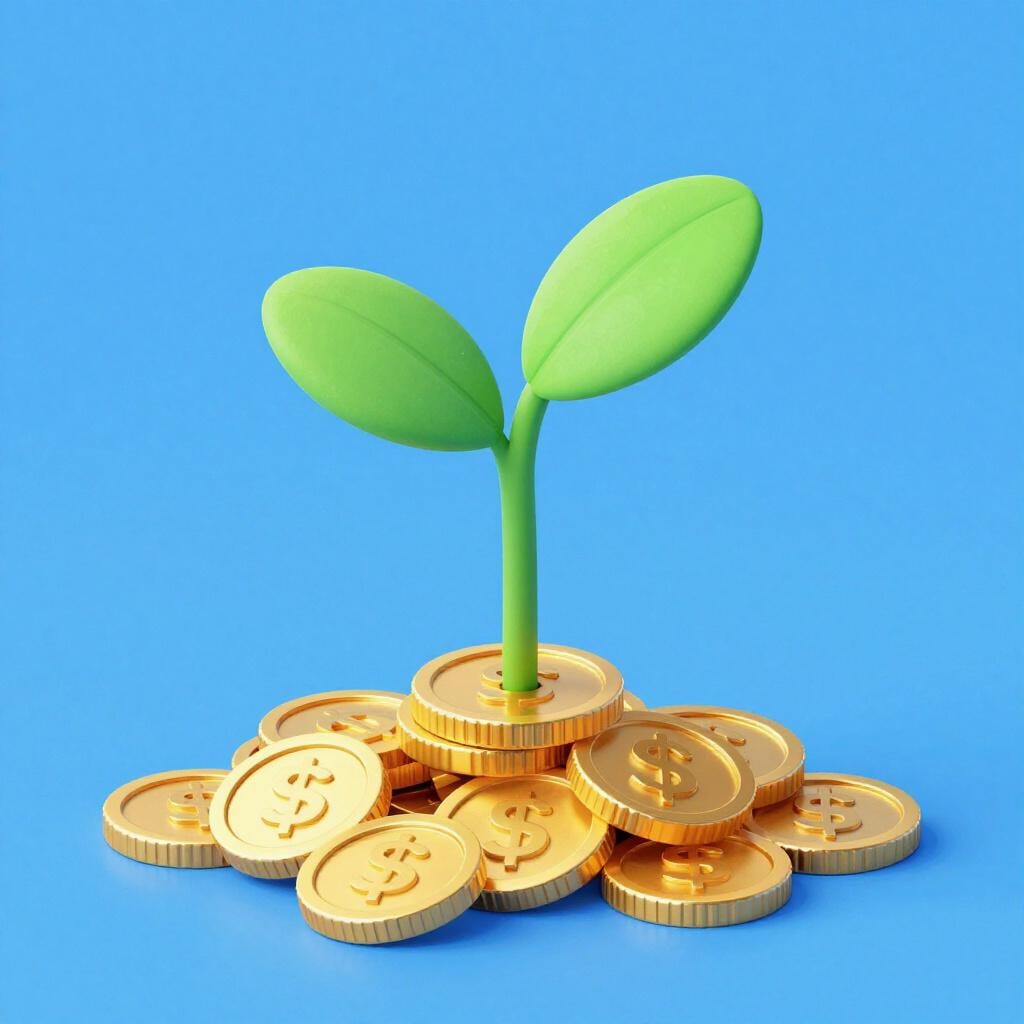
A small green plant growing out of a pile of gold coins, getting taller.

In a financial context, apreciar means to increase in value over time.

apreciar(verb)

C1regular ar

to increase in value

?

financial appreciation

Also:

to appraise

?

setting a price or value

,

to assess

?

evaluating quality

📝 In Action

La moneda local se ha apreciado frente al dólar.

C1

The local currency has increased in value against the dollar.

Word Connections

Synonyms

  • revalorizarse (to increase in value)
  • tasar (to appraise/rate)

Antonyms

  • depreciarse (to lose value)

🔄 Conjugations

subjunctive

imperfect

ellos/ellas/ustedesapreciaran
yoapreciara
apreciaras
vosotrosapreciarais
nosotrosapreciáramos
él/ella/ustedapreciara

present

ellos/ellas/ustedesaprecien
yoaprecie
aprecies
vosotrosapreciéis
nosotrosapreciemos
él/ella/ustedaprecie

indicative

preterite

ellos/ellas/ustedesapreciaron
yoaprecié
apreciaste
vosotrosapreciasteis
nosotrosapreciamos
él/ella/ustedapreció

imperfect

ellos/ellas/ustedesapreciaban
yoapreciaba
apreciabas
vosotrosapreciabais
nosotrosapreciábamos
él/ella/ustedapreciaba

present

ellos/ellas/ustedesaprecian
yoaprecio
aprecias
vosotrosapreciáis
nosotrosapreciamos
él/ella/ustedaprecia

✏️ Quick Practice

💡 Quick Quiz: apreciar

Question 1 of 1

Which sentence uses 'apreciar' to mean 'to notice something with your eyes'?

📚 More Resources

Word Family

aprecio(appreciation/esteem) - noun

Frequently Asked Questions

Can I use 'apreciar' to say 'Thank you'?

Not directly. You shouldn't say 'Te aprecio por la comida' if you mean 'Thank you for the meal.' Instead, use 'Aprecio mucho que hayas cocinado' (I value that you cooked) or simply 'Gracias por la comida.'

Is 'apreciar' a formal word?

It is slightly more elegant than 'valorar' or 'ver,' but it's used in everyday conversation to show sincere feelings.