fracturar
“fracturar” means “to fracture” in Spanish. It has 2 different meanings depending on context:

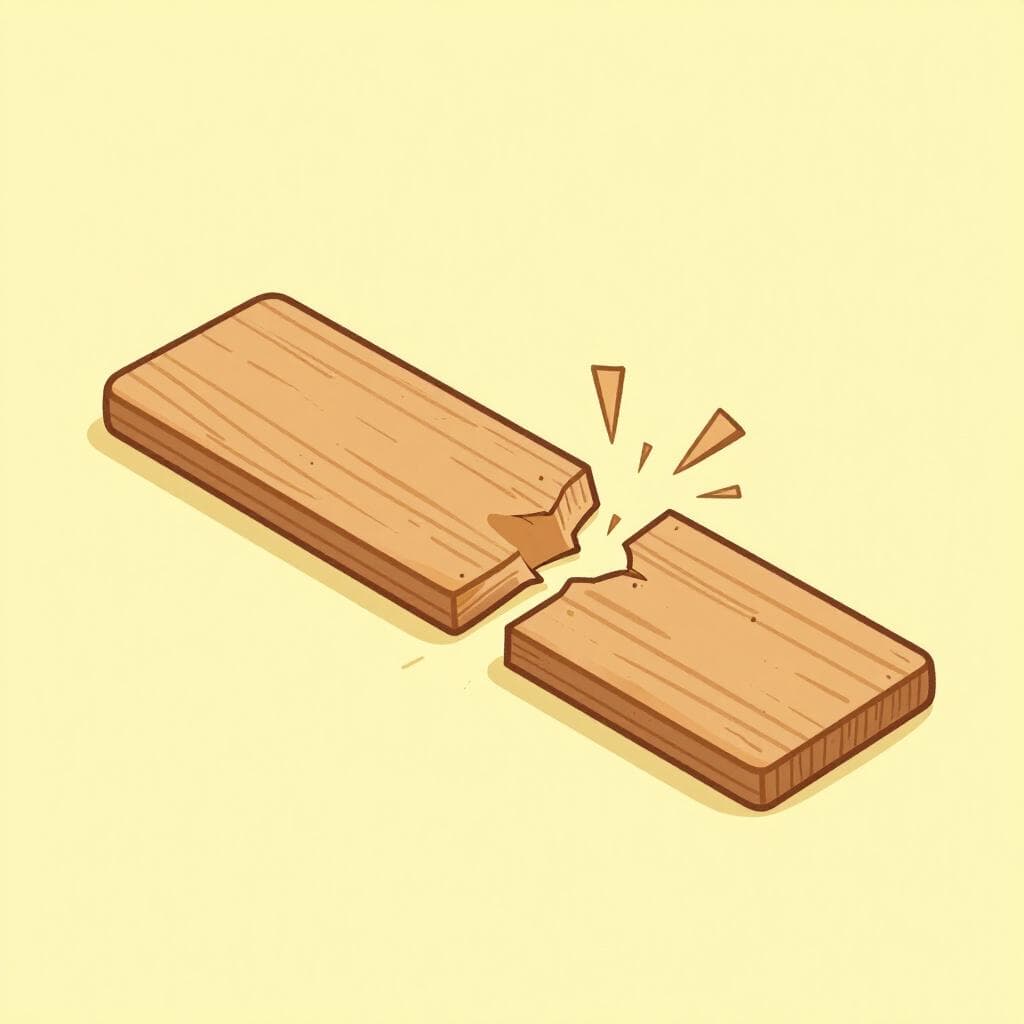
to fracture, to break
Also: to crack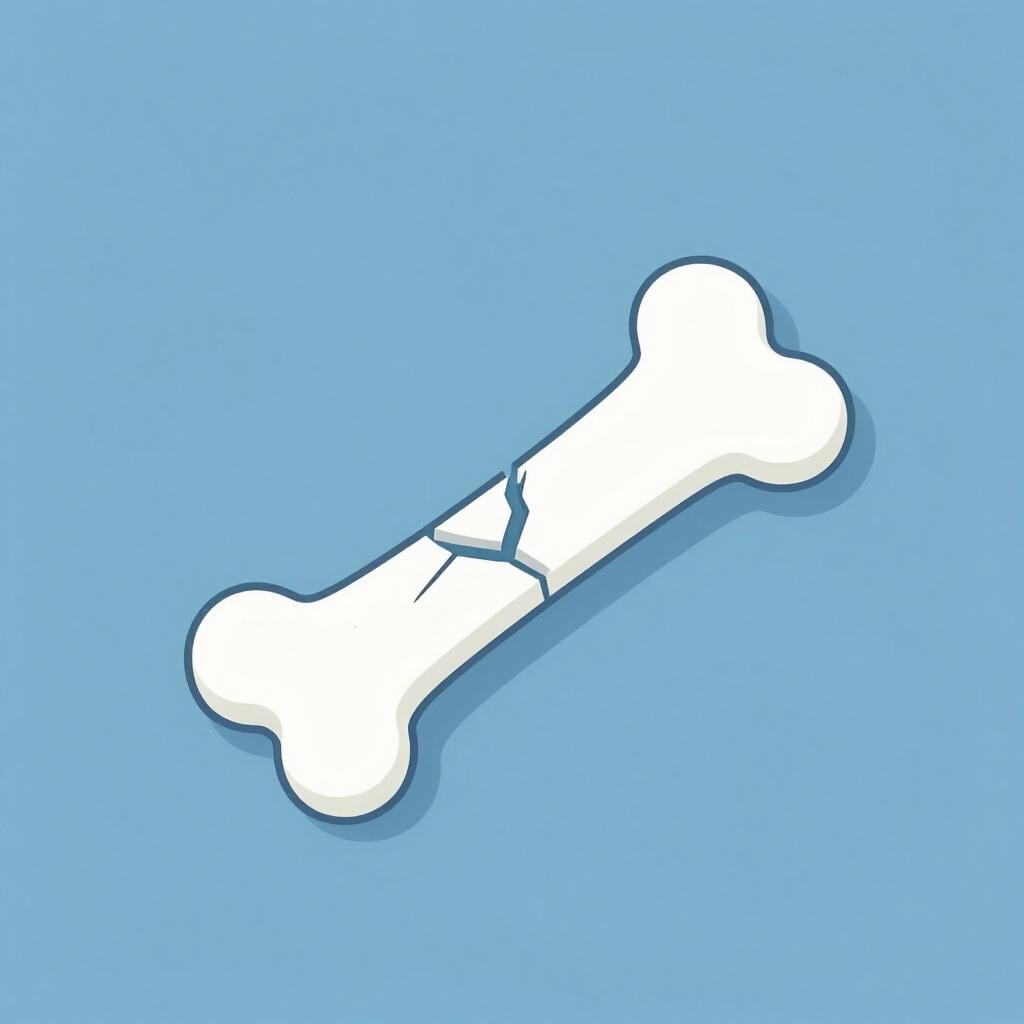
📝 In Action
El jugador se fracturó la pierna durante el partido.
B1The player broke his leg during the game.
Es posible fracturar un hueso sin sentir mucho dolor al principio.
B2It is possible to fracture a bone without feeling much pain at first.
La caída fracturó el pavimento de la entrada.
C1The fall cracked the pavement of the entrance.
to splinter, to fracture
Also: to split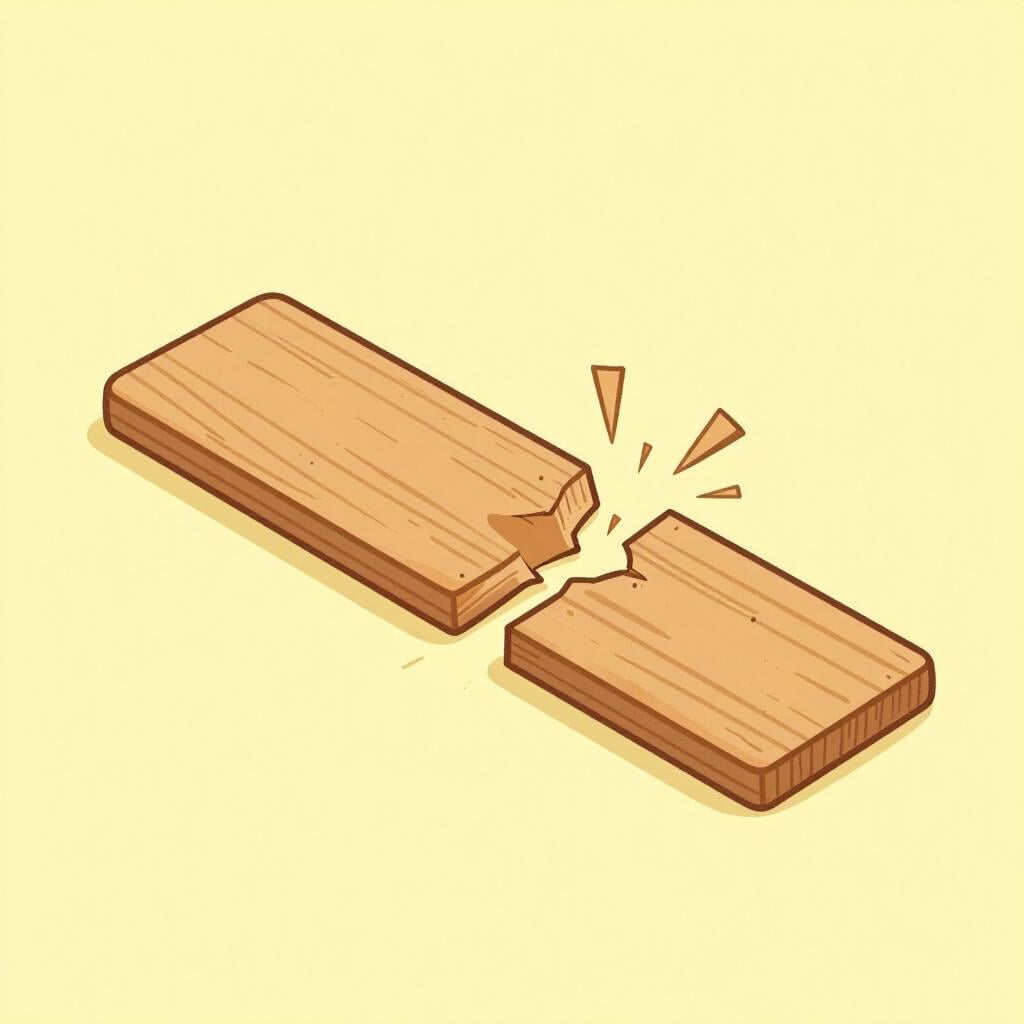
📝 In Action
El escándalo terminó por fracturar al partido político.
C1The scandal ended up splintering the political party.
La guerra civil fracturó la sociedad durante décadas.
C1The civil war fractured society for decades.
Subjunctive
Imperfect Subjunctive
Present Subjunctive
Indicative
Preterite
Imperfect
Present
Translate to Spanish
✏️ Quick Practice
Quick Quiz: fracturar
Question 1 of 3
How do you say 'I broke my leg' correctly in Spanish?
📚 More Resources
👥 Word Family▼
📚 Etymology▼
From the Latin 'fractura', which comes from 'frangere' (to break). It shares the same roots as the English word 'fragment'.
First recorded: 13th century
Cognates (Related words)
💡 Master Spanish
Take your Spanish to the next level. Read 200+ illustrated and narrated Spanish stories tailored to your level with the Inklingo app!
Frequently Asked Questions
What is the difference between 'romper' and 'fracturar'?
'Romper' is a general word for 'break' (like a glass or a toy). 'Fracturar' is more formal and specifically used for bones or complex systems like societies.
Is 'fracturar' a regular verb?
Yes, it follows the standard pattern for all -ar verbs in all tenses.
Can I use 'fracturar' for a broken heart?
Not really. For a broken heart, Spanish speakers almost always use 'romper' (corazón roto). 'Fracturar' sounds too medical for romance!