manipular
“manipular” means “to handle” in Spanish. It has 2 different meanings depending on context:
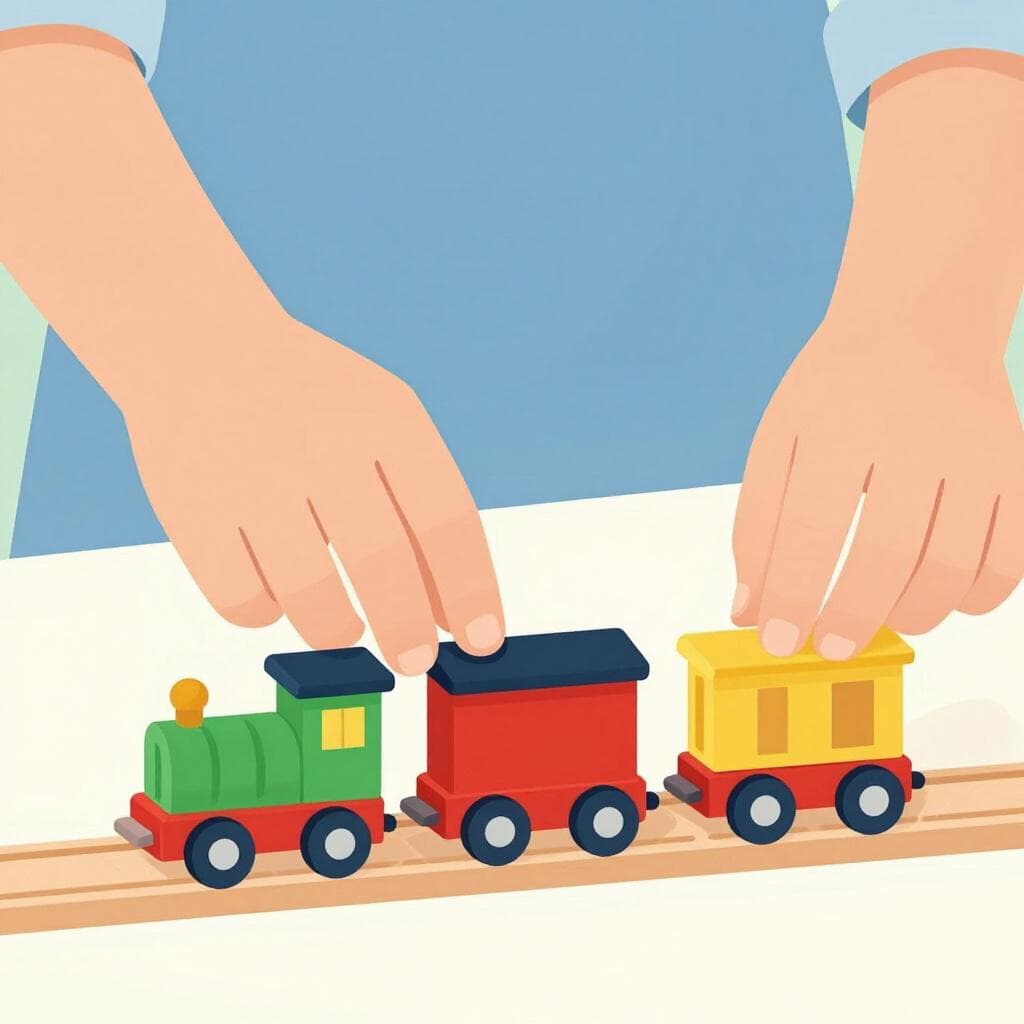

to handle
Also: to operate, to tamper with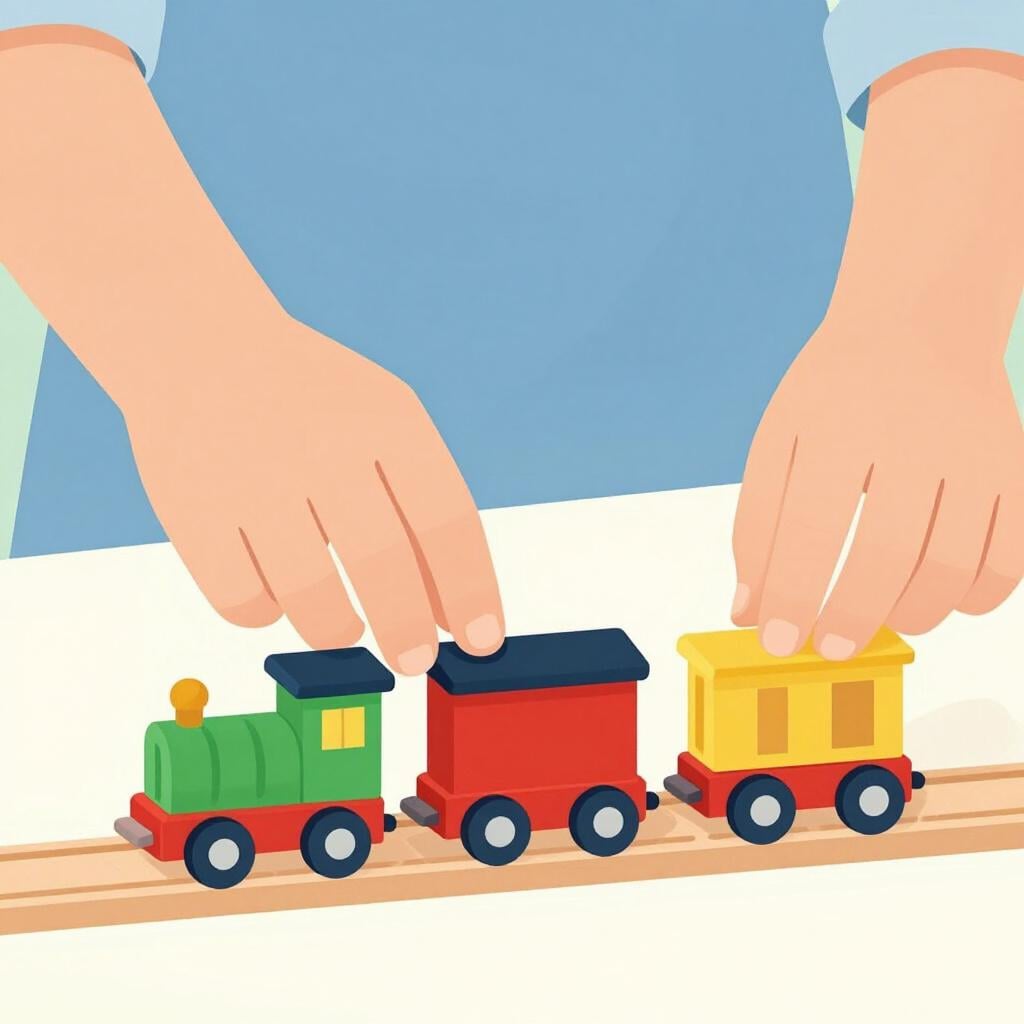
📝 In Action
Debes manipular los alimentos con las manos limpias.
A2You must handle food with clean hands.
Es peligroso manipular cables eléctricos sin protección.
B1It is dangerous to handle electrical cables without protection.
Alguien intentó manipular la cerradura de la puerta.
B2Someone tried to tamper with the door lock.
to manipulate
Also: to influence
📝 In Action
Él sabe cómo manipular a la gente para conseguir lo que quiere.
B2He knows how to manipulate people to get what he wants.
Los medios pueden manipular la opinión pública.
B2The media can manipulate public opinion.
No permitas que nadie te manipule emocionalmente.
C1Don't let anyone manipulate you emotionally.
Subjunctive
Imperfect Subjunctive
Present Subjunctive
Indicative
Preterite
Imperfect
Present
Translate to Spanish
✏️ Quick Practice
Quick Quiz: manipular
Question 1 of 3
Which sentence refers to physical handling?
📚 More Resources
👥 Word Family▼
📚 Etymology▼
From Latin 'manipulus' (a handful or bundle), which comes from 'manus' (hand). It originally described how people used their hands to gather things.
First recorded: 17th Century
Cognates (Related words)
💡 Master Spanish
Take your Spanish to the next level. Read 200+ illustrated and narrated Spanish stories tailored to your level with the Inklingo app!
Frequently Asked Questions
Is 'manipular' always bad?
Not necessarily. When it means touching or operating an object (like food or a machine), it's neutral. It only becomes negative when referring to controlling people or deceptive data changes.
What's the difference between 'manipular' and 'manejar'?
They often overlap. 'Manipular' emphasizes the use of hands or sneaky influence. 'Manejar' is more general and also means 'to drive' or 'to manage' a company.
How do you say 'Do not touch' in Spanish using this word?
You will often see signs that say 'Prohibido manipular' or 'No manipular'.