pisotear
“pisotear” means “to trample” in Spanish. It has 2 different meanings depending on context:
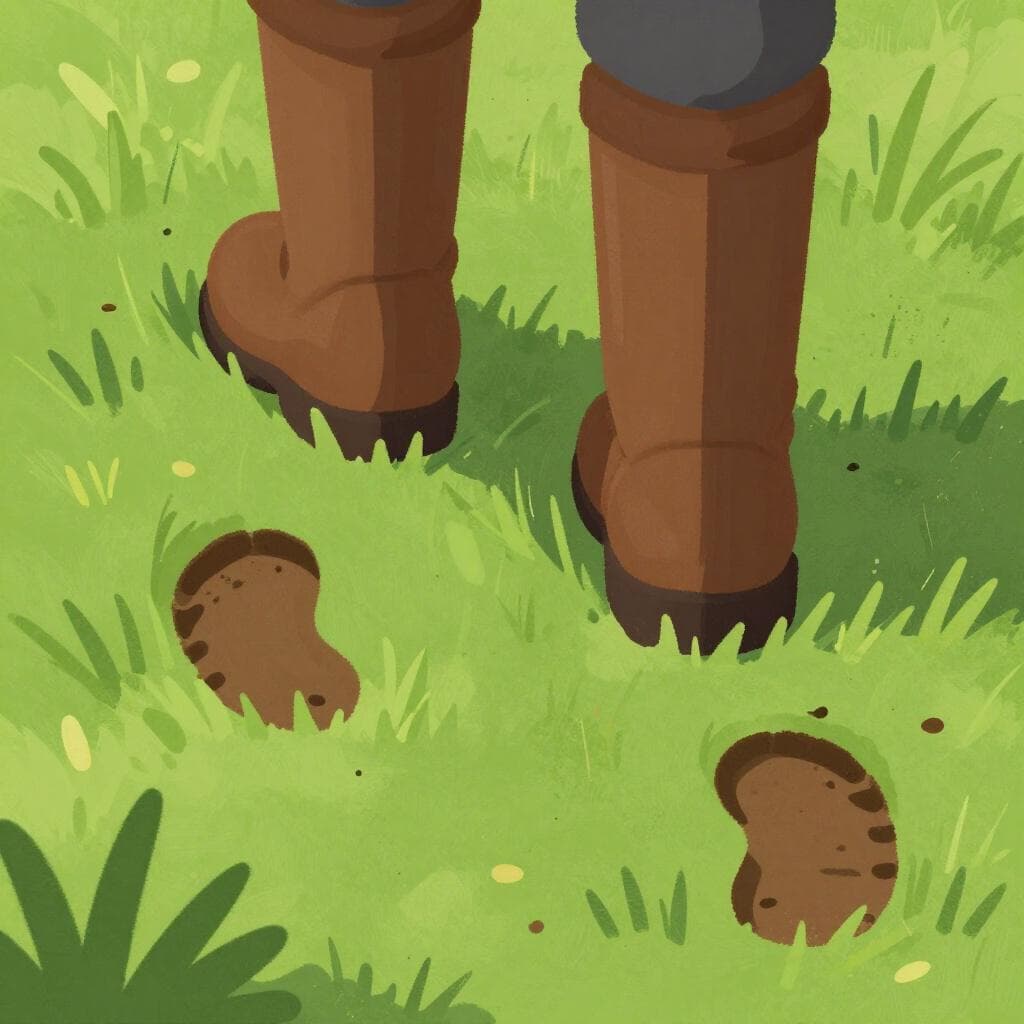
to trample
Also: to step on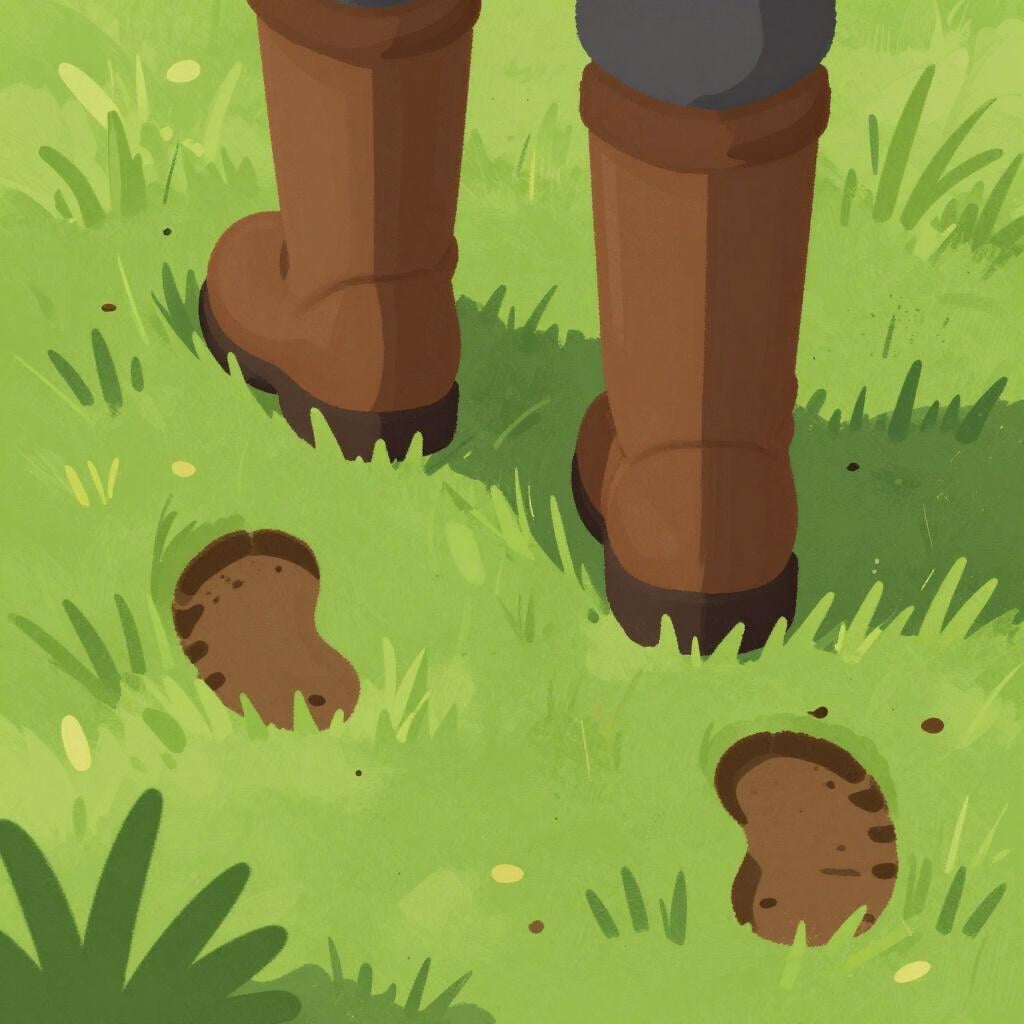
📝 In Action
Los niños pisotearon las flores del jardín.
B1The children trampled the flowers in the garden.
Ten cuidado, no pisotees el césped recién plantado.
B1Be careful, don't step all over the newly planted grass.
La multitud pisoteó la zona durante el concierto.
B2The crowd trampled the area during the concert.
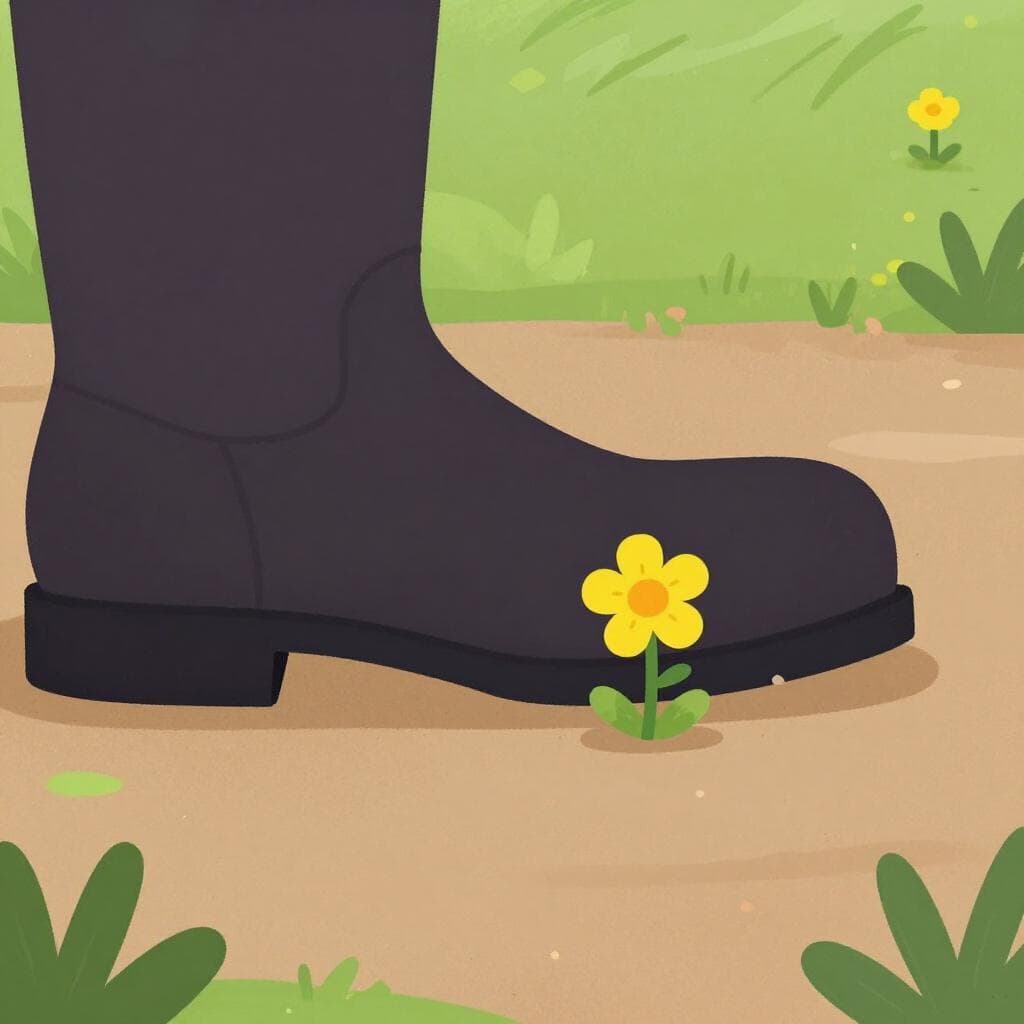
to trample on
Also: to walk all over, to humiliate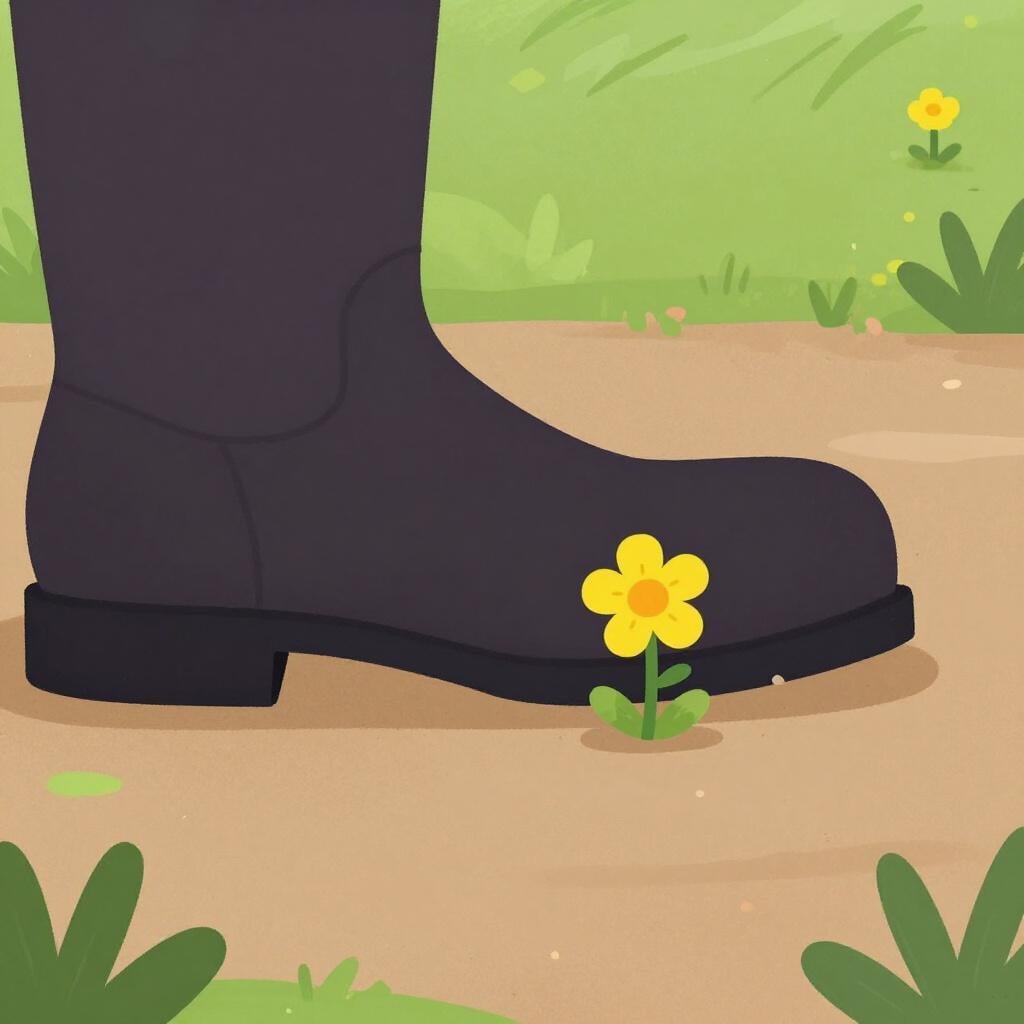
📝 In Action
No permitas que nadie pisotee tu dignidad.
B2Don't let anyone trample on your dignity.
Ese jefe siempre pisotea a sus empleados.
B2That boss is always walking all over his employees.
Han pisoteado los derechos humanos durante años.
C1They have trampled on human rights for years.
Subjunctive
Imperfect Subjunctive
Present Subjunctive
Indicative
Preterite
Imperfect
Present
Translate to Spanish
✏️ Quick Practice
Quick Quiz: pisotear
Question 1 of 3
What is the main difference between 'pisar' and 'pisotear'?
📚 More Resources
👥 Word Family▼
📚 Etymology▼
Derived from the Spanish word 'piso' (ground/floor), which comes from the Latin 'pinsare' (to beat or pound). The suffix '-etear' is added to indicate a repeated or frequent action.
First recorded: 15th century
Cognates (Related words)
💡 Master Spanish
Take your Spanish to the next level. Read 200+ illustrated and narrated Spanish stories tailored to your level with the Inklingo app!
Frequently Asked Questions
Can I use 'pisotear' to describe making wine?
Technically yes, as it involves repeated stepping on grapes, but 'pisar las uvas' is the more common traditional term.
Is 'pisotear' always negative?
Yes, it almost always implies damage, lack of respect, or destruction, whether physical or emotional.
Is it a common word in daily conversation?
It's moderately common. You'll hear it more in arguments, news reports, or when someone is complaining about being treated poorly.