How to Say "dilemma" in Spanish
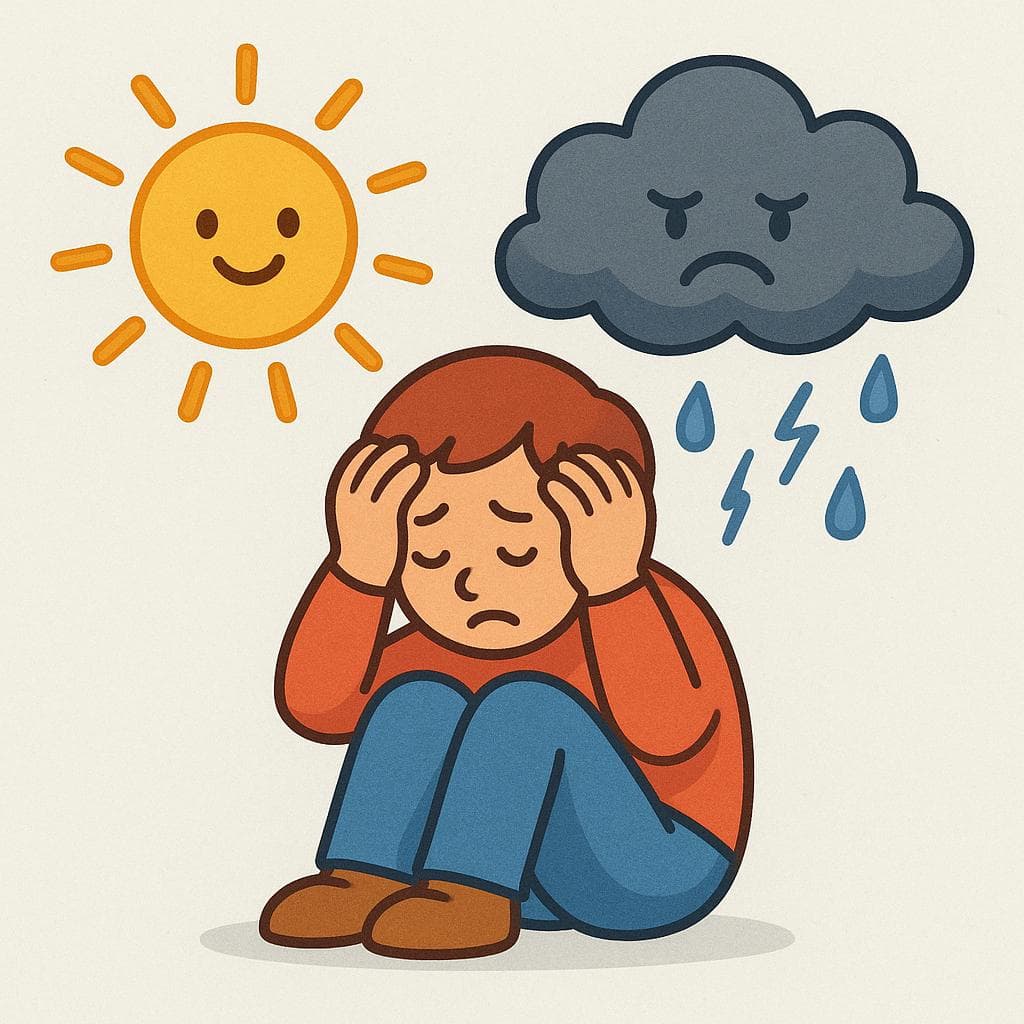
The most common Spanish word for “dilemma” is “dilema” — use 'dilema' when you are facing a choice between two specific, often equally appealing or unappealing, options.

dilema
dee-LEH-mahdiˈlema

Examples
Tengo un gran dilema: no sé si aceptar el trabajo en Madrid o quedarme aquí.
I have a big dilemma: I don't know whether to accept the job in Madrid or stay here.
El protagonista de la película se enfrenta a un dilema moral muy difícil.
The main character of the movie faces a very difficult moral dilemma.
Para resolver este dilema, debemos analizar los pros y los contras.
To solve this dilemma, we must analyze the pros and cons.
The 'MA' Gender Rule
Even though it ends in 'a,' this word is masculine because it comes from Greek. You must say 'el dilema' or 'un dilema,' never 'la' or 'una'.
Using it with Verbs
We often use the verb 'tener' (to have) or 'enfrentarse a' (to face) when talking about a dilemma.
Using the wrong gender
Mistake: “Tengo una dilema.”
Correction: Tengo un dilema. (Words of Greek origin ending in -ma, like dilema, problema, and sistema, are almost always masculine).
conflicto
kohn-FLEEK-tohkonˈflikto
Examples
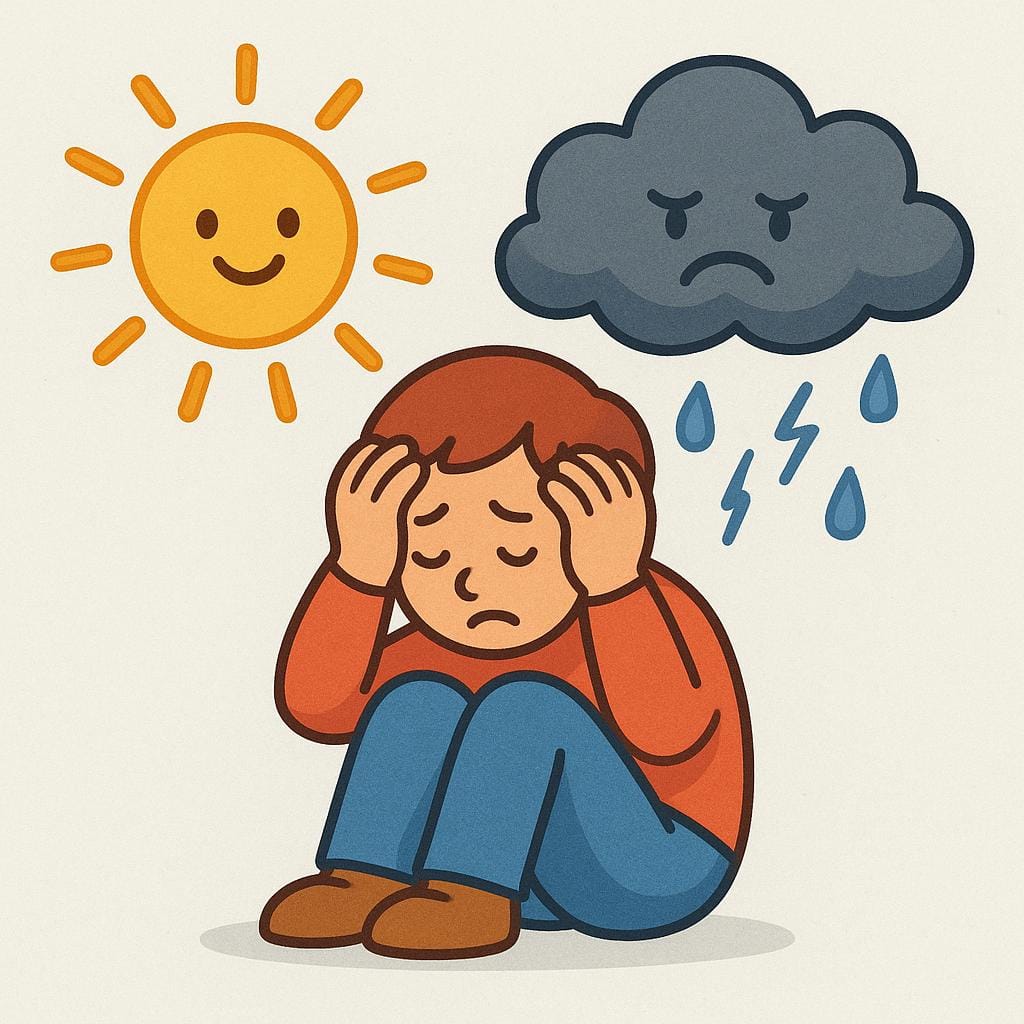
Sufre de un conflicto interno sobre si debe cambiar de carrera.
He suffers from an internal conflict about whether he should change careers.
La novela explora el conflicto entre el deber y el deseo.
The novel explores the conflict between duty and desire.
Using 'tener'
You often use the verb 'tener' (to have) when talking about internal conflicts: 'Tengo un conflicto con esa idea' (I have an issue with that idea).
Dilema vs. Conflicto
Related Translations
Learn Spanish with Inklingo
Interactive stories, personalized learning, and more.