How to Say "forward" in Spanish
The most common Spanish word for “forward” is “adelante” — use 'adelante' when indicating a direction of movement, telling someone to go ahead or move forward in space.


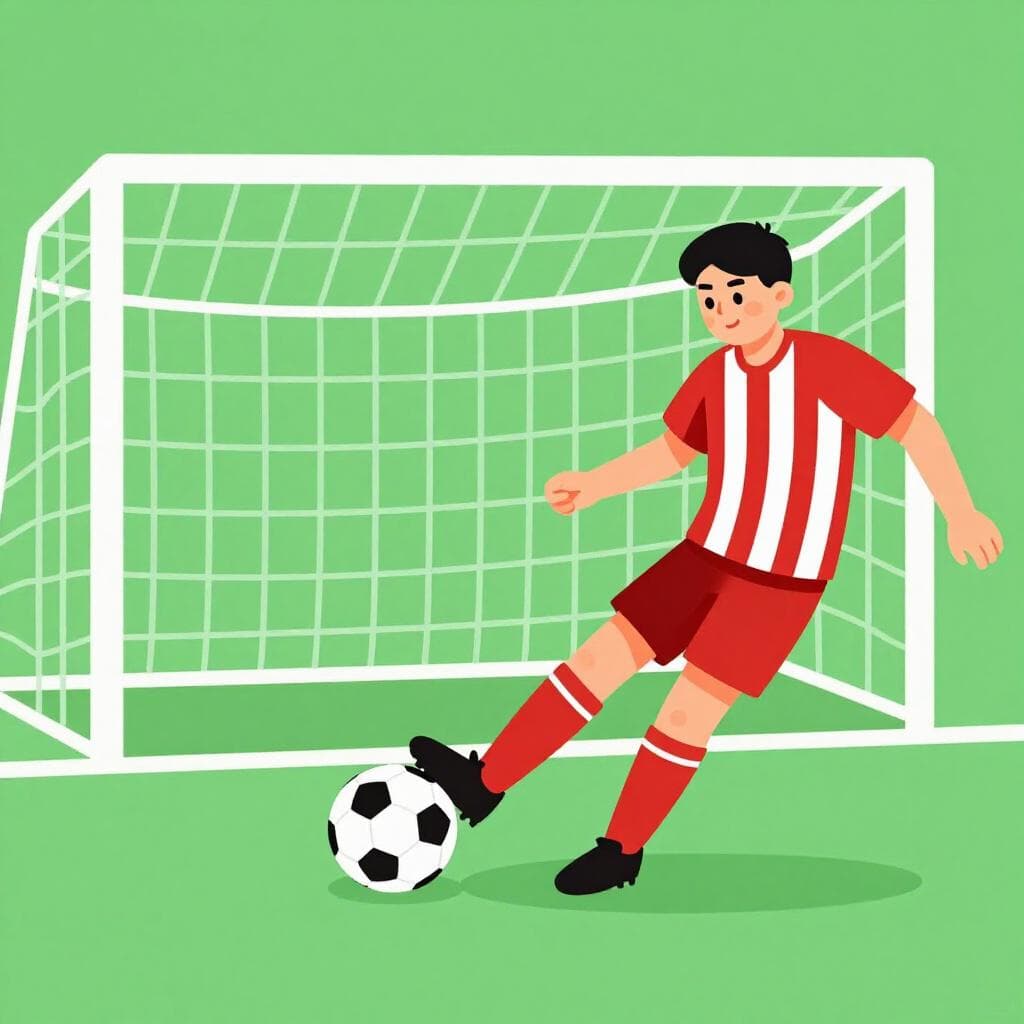


adelante
a-deh-LAN-teha.ðeˈlan.t̪e

Examples
Sigue recto y verás la tienda adelante.
Keep going straight and you will see the shop ahead.
Para llegar a la plaza, tienes que seguir todo recto hacia adelante.
To get to the square, you have to keep going straight ahead.
El ejército continuó su marcha adelante, sin detenerse.
The army continued its march onward, without stopping.
Mira hacia adelante, no hacia atrás.
Look forward, not backward.
Describing Movement
'Adelante' tells you the direction of movement. It answers the question 'where to?' (¿A dónde?). For example, 'Caminar adelante' (to walk forward).
'Adelante' vs. 'Delante'
Mistake: “Estoy adelante de la casa.”
Correction: Estoy delante de la casa. (I am in front of the house.) Use 'delante' to say something is located *in front of* something else. Use 'adelante' for movement *forward*.
delantero
deh-lan-teh-rohdelanˈteɾo

Examples
El delantero marcó dos goles en el partido.
The forward scored two goals in the match.
El delantero marcó un gol increíble en el último minuto.
The forward scored an incredible goal in the last minute.
Necesitamos fichar a un delantero centro con experiencia.
We need to sign an experienced center forward.
El equipo juega con tres delanteros muy rápidos.
The team plays with three very fast strikers.
People and Gender
When referring to a male player, use 'el delantero'. For a female player, change it to 'la delantera'.
Using 'adelante' instead
Mistake: “Él es un buen adelante.”
Correction: Él es un buen delantero. 'Adelante' is a direction (forward), while 'delantero' is the person (the forward).
atacante
ah-tah-KAHN-tehataˈkante
Examples
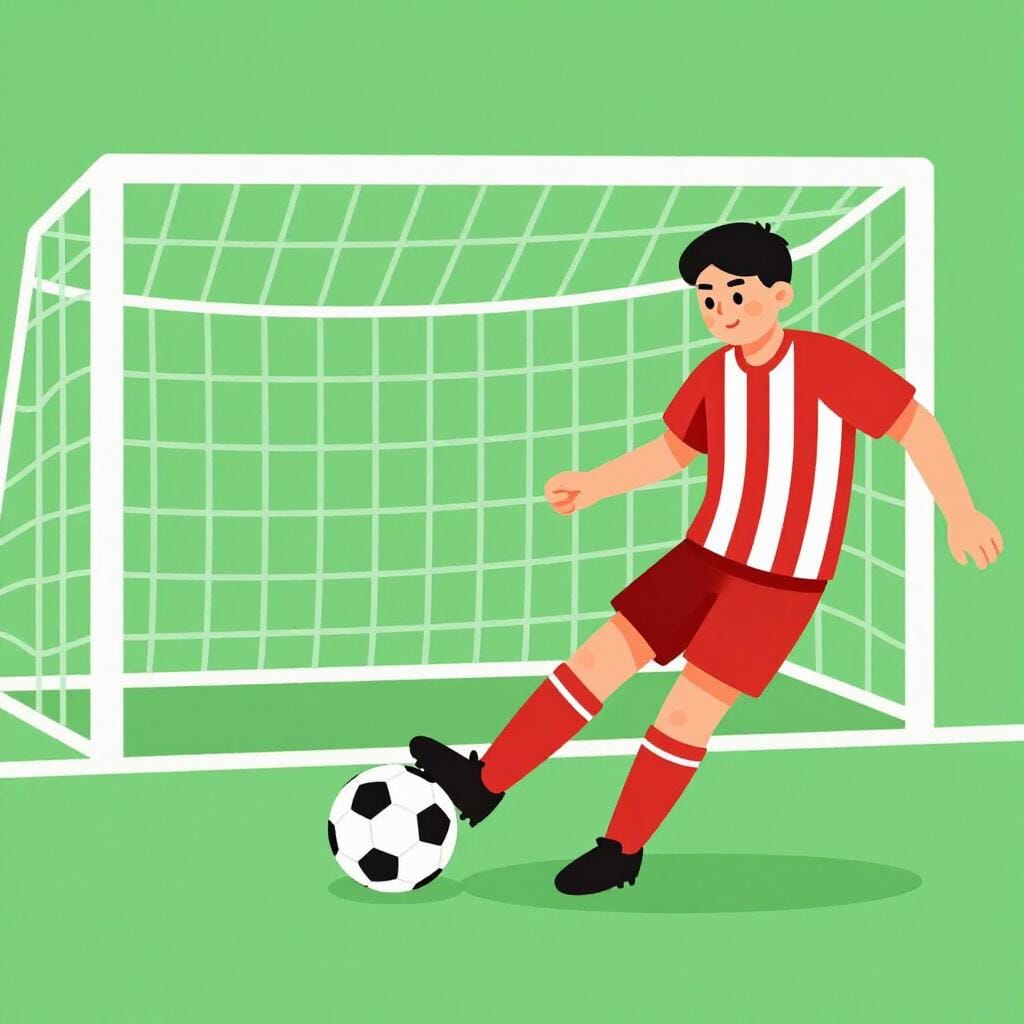
El equipo necesita un atacante rápido para romper la defensa.
The team needs a fast forward to break the defense.
El equipo compró a un atacante brasileño muy rápido.
The team bought a very fast Brazilian forward.
Nuestra mejor atacante está lesionada y no jugará el domingo.
Our best striker (female) is injured and won't play on Sunday.
El entrenador decidió poner a tres atacantes hoy.
The coach decided to put in three forwards today.
Plurals
To talk about more than one, simply add -es: 'los atacantes'.
Atacante vs. Delantero
Mistake: “Thinking they are completely different.”
Correction: They are often used as synonyms in sports, though 'delantero' is slightly more common for the specific position on the field.
envíe
Examples
Por favor, envíe su solicitud antes de la fecha límite.
Please, send your application before the deadline.
atrevido
ah-treh-VEE-dohatɾeˈβiðo

Examples
Fue muy atrevido al interrumpir la conversación.
He was very forward/bold to interrupt the conversation.
¡No seas atrevido! Respeta a tus mayores.
Don't be cheeky! Respect your elders.
Le hizo una pregunta muy atrevida a su jefe.
He asked his boss a very forward question.
Tone Matters
Mistake: “Using it with a boss or stranger.”
Correction: Only use it with people you know well unless you intend to be critical.
ofrecido
oh-freh-SEE-dohofɾeˈsiðo

Examples
No seas ofrecido y espera a que te pregunten.
Don't be pushy/forward and wait to be asked.
No seas tan ofrecido; espera tu turno para hablar.
Don't be so pushy; wait your turn to speak.
Ella es muy ofrecida con los clientes, lo cual es inapropiado.
She is very forward with clients, which is inappropriate.
Understanding the Tone
In this sense, 'ofrecido' means you are making yourself too available or putting yourself forward inappropriately. It is almost always a negative description of behavior.
Direction vs. Sports Player
Related Translations
Learn Spanish with Inklingo
Interactive stories, personalized learning, and more.