How to Say "to position" in Spanish
The most common Spanish word for “to position” is “situar” — use 'situar' when you are talking about placing an object or person in a particular physical location or spot, often with careful consideration of its surroundings.
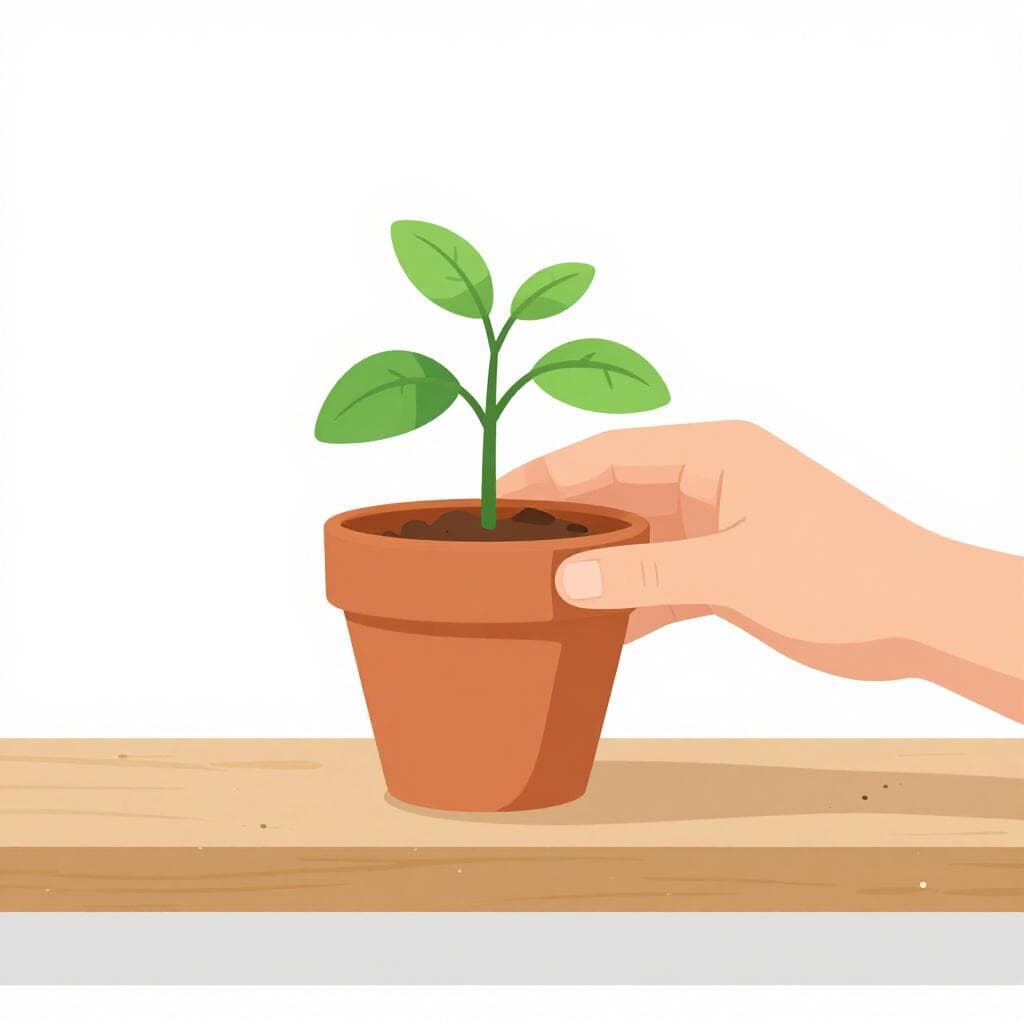

situar
see-TWARsiˈtwaɾ
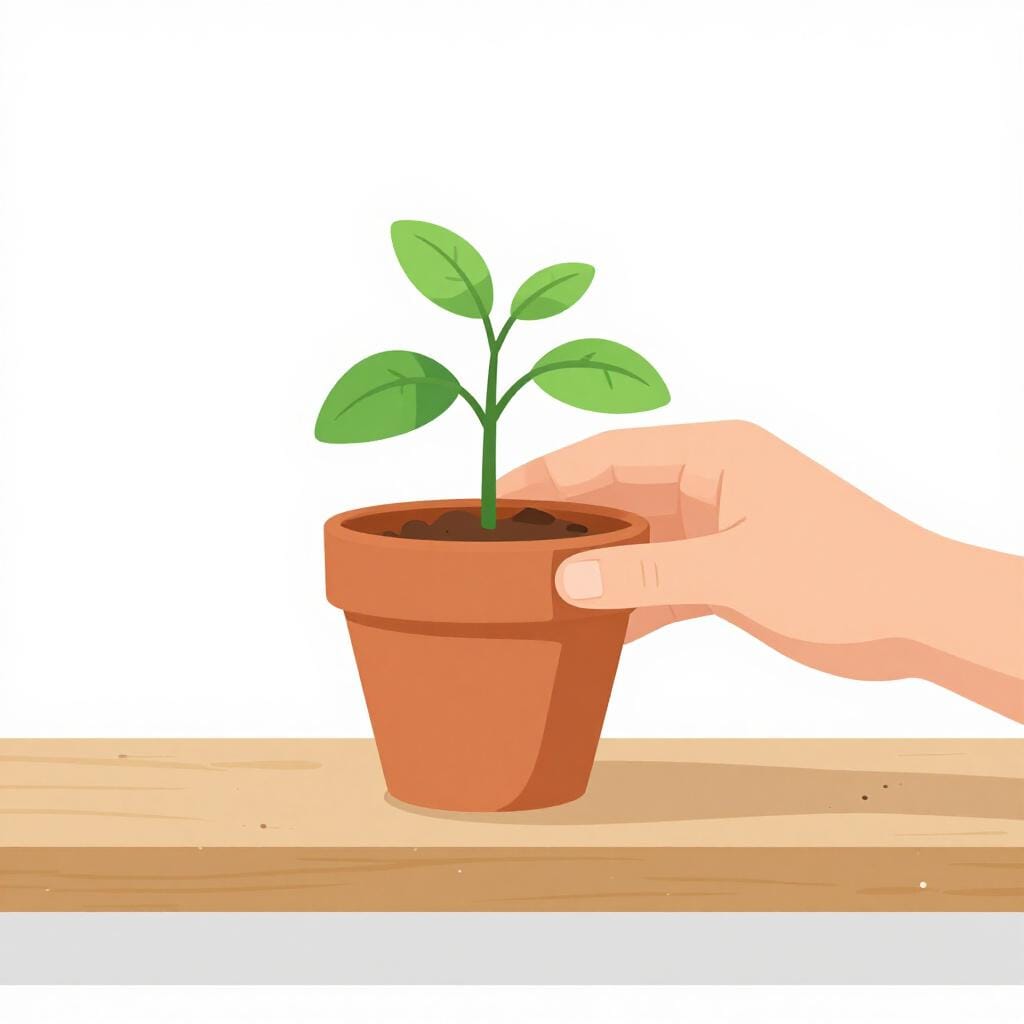
Examples
Situamos la mesa en el centro del salón.
We positioned the table in the center of the living room.
Queremos situar el sofá cerca de la ventana.
We want to place the sofa near the window.
El arquitecto decidió situar la entrada principal en esta calle.
The architect decided to locate the main entrance on this street.
Debes situar las piezas con mucho cuidado.
You must position the pieces very carefully.
The Hidden Accent
When saying 'I place' (sitúo) or 'you place' (sitúas), you must add an accent on the 'u'. This makes sure the 'u' sound stays strong and doesn't get blended into the next vowel.
Situar vs. Poner
While 'poner' is the general word for 'to put,' 'situar' sounds more formal and precise. Use it when you are talking about the exact spot something occupies.
Missing the Accent
Mistake: “Yo situa el libro.”
Correction: Yo sitúo el libro. (Without the accent on the 'u', the word is pronounced incorrectly and isn't a real form of the verb here.)
orientar
oh-ryen-TARoɾjenˈtaɾ

Examples
Debemos orientar el edificio hacia el norte para aprovechar la luz.
We must position the building towards the north to take advantage of the light.
Queremos orientar la casa hacia el sur para tener más sol.
We want to face the house toward the south to have more sun.
Tienes que orientar la antena correctamente para ver la tele.
You have to position the antenna correctly to watch TV.
El mapa me ayudó a orientar mi posición en el bosque.
The map helped me orient my position in the forest.
Using 'a' with Directions
When you want to say you are facing something, use 'hacia' (toward) or 'a' (to) after the verb.
Finding Yourself
To say you are 'finding your way' or 'getting your bearings,' use the reflexive form 'orientarse' by adding 'se' to the end.
Confusing 'orientar' with 'encontrar'
Mistake: “Busco el mapa para encontrarme.”
Correction: Busco el mapa para orientarme. (Use 'orientarme' when you mean finding your direction, not just physically finding your body!)
Situar vs. Orientar
Related Translations
Learn Spanish with Inklingo
Interactive stories, personalized learning, and more.